
Anti-dsDNA Antibody Test: Results Guide for Canadians

Share
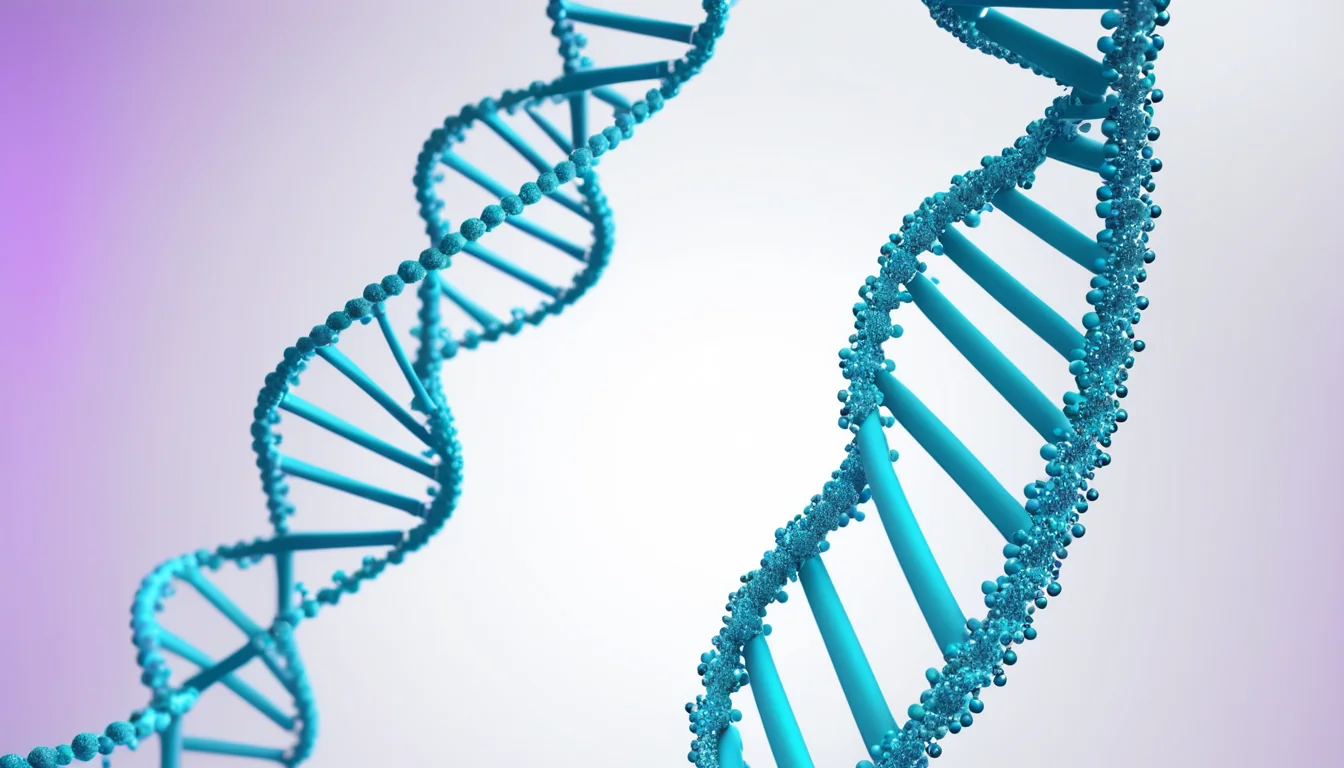
The anti-dsDNA antibody test is one of the most important blood tests doctors use to diagnose systemic lupus erythematosus (SLE), commonly known as lupus. If you or someone you love is experiencing unexplained joint pain, persistent fatigue, skin rashes, or hair loss, your healthcare provider in Canada may order this test to check whether your immune system is attacking your own DNA.
How the Anti-dsDNA Antibody Test Helps Diagnose Lupus
Understanding your anti-dsDNA test results can feel overwhelming, but knowing what this lupus blood test measures and what the numbers mean puts you in a stronger position to manage your health. This guide breaks down everything Canadian patients need to know — from how the double-stranded DNA antibody test works to what a positive or negative result means for your next steps.
What Is the Anti-dsDNA Antibody Test?
| Result Level | Anti-dsDNA Antibody Titre | Clinical Significance | Recommended Management |
|---|---|---|---|
| Negative | Below 10 IU/mL | Lupus (SLE) unlikely; may help rule out active disease in previously diagnosed patients | No immediate action required; monitor symptoms and repeat testing if clinical picture changes |
| Low Positive | 10–99 IU/mL | Mildly elevated; possible early SLE, other connective tissue disease, or non-specific finding | Correlate with ANA panel and symptoms; referral to rheumatologist may be recommended by your physician |
| Moderate Positive | 100–200 IU/mL | Moderately elevated; increased likelihood of SLE diagnosis; may indicate active or worsening disease | Rheumatology referral strongly advised; assess kidney function and complement levels (C3, C4) |
| High Positive | Above 200 IU/mL | Strongly associated with SLE; elevated risk of lupus nephritis and major organ involvement | Urgent rheumatology evaluation; comprehensive organ assessment including urinalysis and renal function tests |
| Fluctuating Levels | Variable over serial tests | Rising titres often correlate with disease flares; declining titres may reflect treatment response | Regular monitoring every 3–6 months recommended; medication adjustments guided by Canadian rheumatology guidelines |
The anti-dsDNA antibody test looks for specific antibodies in your blood. These antibodies target your body’s own double-stranded DNA. In healthy people, the immune system does not attack the body’s own cells. However, in people with lupus, the immune system makes these harmful antibodies by mistake.
The letters “dsDNA” stand for double-stranded deoxyribonucleic acid. That is simply the name for the normal DNA found in almost every cell of your body. When the immune system attacks this DNA, it can cause widespread inflammation and damage to organs like the kidneys, heart, and skin.
This test is one of several tools doctors use to confirm a lupus diagnosis. It is considered a key marker because according to the Mayo Clinic, a positive result strongly supports a diagnosis of systemic lupus erythematosus.
Why Would Your Doctor Order an Anti-dsDNA Antibody Test?
Your family doctor or specialist may recommend this test if you show signs and symptoms that suggest lupus. Lupus can look very different from person to person, which makes it tricky to diagnose without laboratory tests.
Common symptoms that may prompt your doctor to order the anti-dsDNA antibody test include:
- Joint pain and swelling — often affecting multiple joints at once
- Muscle pain — general achiness throughout the body
- Persistent fatigue — feeling exhausted even after rest
- Unexplained fever — a low-grade fever with no clear cause
- Hair loss — thinning or shedding more than usual
- Skin rash — especially a butterfly-shaped rash across the cheeks and nose
- Sensitivity to sunlight — skin reactions after sun exposure
In addition, your doctor may order this test if a related screening test, called the antinuclear antibody (ANA) test, comes back positive. A positive ANA result is often the first step toward further lupus testing.
How the Anti-dsDNA Antibody Test Works
What Happens During the Test
The anti-dsDNA antibody test is a simple blood test. A healthcare professional draws a small sample of blood from a vein in your arm. The process takes only a few minutes and is performed at a hospital lab, medical clinic, or approved diagnostic centre.
No special preparation is required before this test. You do not need to fast or avoid any medications beforehand, though you should always follow your doctor’s specific instructions. Provincial health plans in most Canadian provinces cover this test when a doctor orders it for a medically necessary reason.
The ELISA Testing Method
In Canada, most laboratories use a method called ELISA to analyse your blood sample. ELISA stands for enzyme-linked immunosorbent assay. This is a widely trusted laboratory technique that detects the presence and quantity of specific antibodies in the blood.
The ELISA method is highly sensitive. Therefore, it can identify even small amounts of anti-dsDNA antibodies. The results are usually reported as a numerical value, and your doctor will compare this value against established reference ranges to determine if the result is positive or negative.
Understanding Your Anti-dsDNA Antibody Test Results
What a Positive Result Means
A positive anti-dsDNA antibody test result means that anti-dsDNA antibodies were detected in your blood above the normal range. This is an important finding. A positive result is considered one of the diagnostic criteria for systemic lupus erythematosus.
However, a positive result alone does not confirm a lupus diagnosis. Your doctor will look at your symptoms, physical examination findings, and other blood tests together. For example, they may also check your complement protein levels or request a kidney function test to get a full picture of your health.
Furthermore, higher levels of these antibodies are often linked to more active lupus disease. Doctors sometimes monitor anti-dsDNA levels over time to track how the disease is behaving and whether treatment is working.
What a Negative Result Means
A negative result means that anti-dsDNA antibodies were not detected, or were found at very low levels. This can be reassuring, but it does not completely rule out lupus. Some people with lupus test negative for anti-dsDNA antibodies, especially early in the disease.
As a result, your doctor may repeat the test if your symptoms continue or worsen over time. Lupus can be a fluctuating condition, meaning antibody levels may rise and fall. Therefore, retesting is a normal and recommended part of the diagnostic process.
Factors That Can Affect Results
Certain conditions and medications can sometimes interfere with test results. For example, some people with other autoimmune diseases, such as Sjögren’s syndrome or rheumatoid arthritis, may also show low positive anti-dsDNA levels. Your doctor will take your full medical history into account when interpreting your results.
If you have concerns about any medications or supplements you are taking, discuss them with your doctor or pharmacist before having the test done.
Anti-dsDNA Antibodies and Lupus in Canada
Lupus affects an estimated 1 in 1,000 Canadians, according to the Health Canada health information network. It is far more common in women than men, and often first appears between the ages of 15 and 45. However, lupus can affect people of any age, sex, or background.
In Canada, rheumatologists are the specialists who most often manage lupus. Your family doctor will typically refer you to a rheumatologist if they suspect an autoimmune condition like lupus. Wait times for specialist referrals vary by province, so speaking with your family doctor early is important.
Many provinces also offer lupus support programmes and patient resources through their health authorities. Ask your doctor or visit your provincial health authority’s website for more information on local support.
When to See a Doctor About Lupus Symptoms
If you notice any of the symptoms listed earlier, especially if they persist for more than a few weeks, it is time to speak with a healthcare professional. Your first step should be contacting your family doctor. They can assess your symptoms and determine whether an anti-dsDNA antibody test or other tests are appropriate.
If you do not have a family doctor, a walk-in clinic is a good option. Walk-in clinic doctors can order initial blood work and refer you to a specialist if needed. Many walk-in clinics across Canada are able to initiate the diagnostic process for autoimmune conditions.
Seek care sooner if you experience any of the following alongside your other symptoms:
- Chest pain or shortness of breath
- Severe swelling in your legs or face
- Blood in your urine or sudden changes in urination
- Confusion or memory problems
- Numbness or tingling in your hands or feet
These symptoms may suggest that lupus is affecting major organs, such as the kidneys or heart. In these cases, early medical attention is especially important. As the Healthline health resource notes, early diagnosis and treatment can significantly improve long-term outcomes for people with lupus.
Always consult your doctor before drawing any conclusions from your test results. Only a qualified healthcare professional can properly interpret your results in the context of your overall health.
Frequently Asked Questions About the Anti-dsDNA Antibody Test
What does a positive anti-dsDNA antibody test mean?
A positive anti-dsDNA antibody test means your immune system is producing antibodies that attack your own DNA. This is a strong indicator of systemic lupus erythematosus, though your doctor will review other symptoms and test results before making a diagnosis.
Can you have lupus with a negative anti-dsDNA test?
Yes, it is possible to have lupus and still test negative on the anti-dsDNA antibody test. Not all people with lupus produce these specific antibodies. Your doctor may order additional tests and repeat testing if your symptoms persist.
Is the anti-dsDNA antibody test covered by provincial health plans in Canada?
In most Canadian provinces, the anti-dsDNA antibody test is covered by provincial health insurance when a doctor orders it for a medically necessary reason. Coverage details vary by province, so check with your provincial health authority or ask your doctor’s office to confirm.
How is the anti-dsDNA antibody test performed?
The anti-dsDNA antibody test is a simple blood draw done at a lab or diagnostic centre. A small sample of blood is taken from a vein in your arm, and no fasting or special preparation is needed beforehand. Results are usually available within a few days.
How often should the anti-dsDNA antibody test be repeated?
Your doctor will decide how often to repeat the anti-dsDNA antibody test based on your individual situation. If you have already been diagnosed with lupus, regular monitoring of antibody levels helps track disease activity and the effectiveness of treatment.
What other tests are done alongside the anti-dsDNA antibody test?
According to Mayo Clinic’s guide to lupus diagnosis and treatment, this information is supported by current medical research.
For more information, read our guide on autoimmune antibody testing like the cold agglutinins blood test.
Doctors often order the anti-dsDNA antibody test alongside an antinuclear antibody (ANA) test, complete blood count, kidney function tests, and complement protein levels. Together, these tests give a more complete picture and help confirm or rule out a lupus diagnosis.
Key Takeaways
- The anti-dsDNA antibody test is a blood test used to help diagnose systemic lupus erythematosus (lupus).
- It is recommended for people with symptoms such as joint pain, fatigue, fever, muscle pain, and hair loss.
- The test uses the ELISA method and does not require any special preparation.
- A positive result strongly supports a lupus diagnosis, but is interpreted alongside other tests and symptoms.
- A negative result does not fully rule out lupus — the test can be repeated if symptoms continue.
- Most provincial health plans in Canada cover this test when ordered by a doctor.
- If you have symptoms of lupus, speak with your family doctor or visit a walk-in clinic as a first step.
- Always consult a qualified healthcare professional to interpret your results and guide your care.
Frequently Asked Questions
What is an anti-dsDNA antibody test?
An anti-dsDNA antibody test is a blood test that detects antibodies attacking your body’s own DNA. It is primarily used to diagnose and monitor systemic lupus erythematosus (SLE). High levels strongly indicate lupus and help Canadian doctors assess disease activity and guide treatment decisions.
What are the symptoms that lead doctors to order an anti-dsDNA antibody test?
Doctors typically order this test when patients experience unexplained joint pain, skin rashes (especially a butterfly-shaped facial rash), extreme fatigue, kidney problems, or fever with no clear cause. These overlapping symptoms commonly suggest an autoimmune condition like lupus, prompting further diagnostic testing.
How is a positive anti-dsDNA antibody test treated in Canada?
Treatment depends on lupus severity and organ involvement. Canadian rheumatologists typically prescribe hydroxychloroquine, corticosteroids, or immunosuppressants like mycophenolate. Biologics such as belimumab are also available through provincial drug plans. Treatment aims to reduce inflammation, prevent flares, and protect organs from long-term damage.
Can you prevent high anti-dsDNA antibody levels?
You cannot prevent lupus or genetically driven antibody production, but you can reduce flare triggers. Avoiding prolonged sun exposure, managing stress, getting adequate sleep, avoiding smoking, and adhering to prescribed medications help keep anti-dsDNA antibody levels lower and lupus symptoms better controlled.
When should you see a doctor about anti-dsDNA antibody test results?
See a doctor promptly if your results return positive or significantly elevated. You should also seek immediate care if you experience worsening joint pain, swelling, new rashes, reduced urination, or chest pain, as these may signal a lupus flare or serious organ involvement requiring urgent medical attention.

About the Author
Dr. Michael Ross, MD, FRCSCDr. Michael Ross is a fellowship-trained orthopedic surgeon at the University of Alberta Hospital, specializing in joint replacement and sports medicine. A Fellow of the Royal College of Surgeons of Canada (FRCSC), he has over 18 years of surgical experience and has authored multiple textbook chapters on musculoskeletal health. Dr. Ross is passionate about patient education and evidence-based medicine.
View all articles →