
Parietal Cell Antibody Test: Results Guide (Canada)

Share
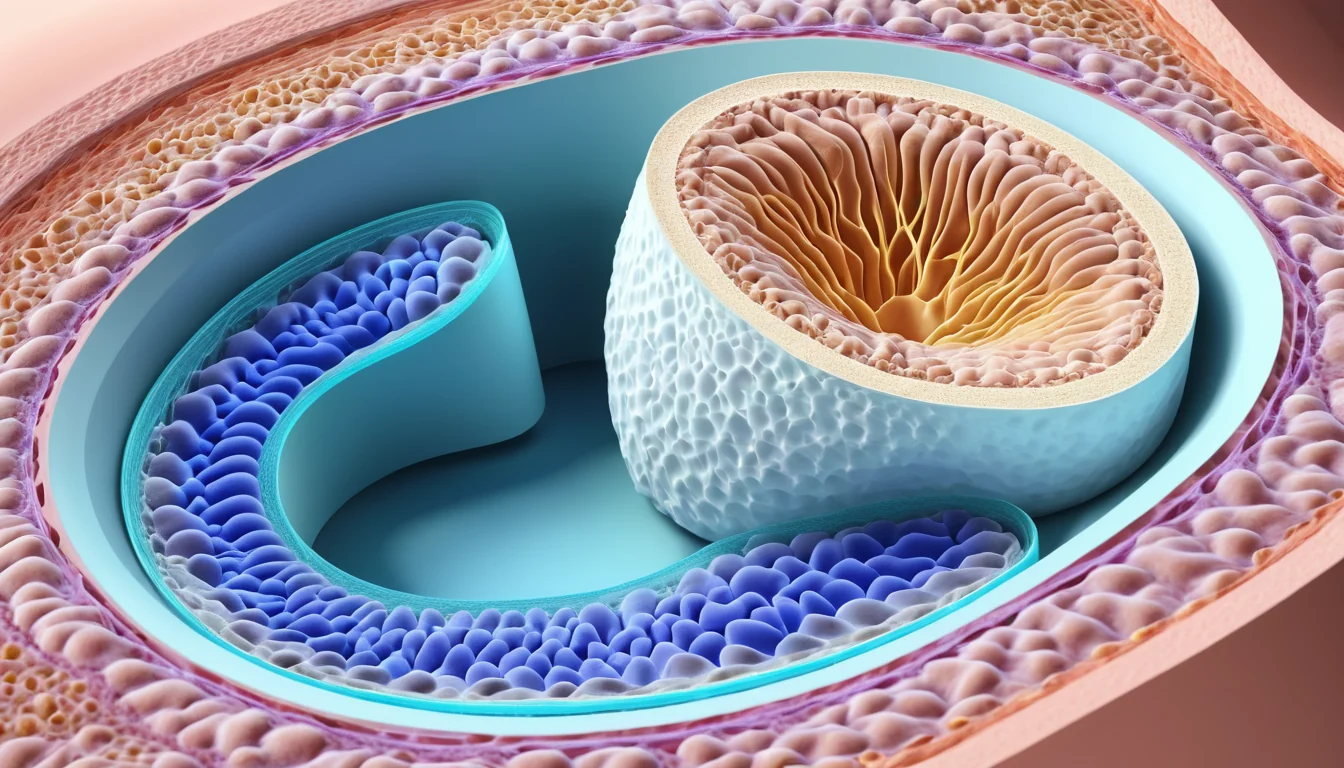
The parietal cell antibody test is a simple blood test that helps Canadian doctors identify the underlying cause of certain types of anemia and vitamin B12 deficiency. By detecting specific autoantibodies that attack the cells lining your stomach, this test plays a key role in diagnosing conditions like autoimmune gastritis and pernicious anemia. Understanding what it measures can help you have a more informed conversation with your family doctor or specialist.
How the Parietal Cell Antibody Test Works in Canada
If your physician suspects pernicious anemia or an autoimmune gastritis diagnosis, they may order this test alongside other bloodwork. Across Canada, the test is commonly requested when patients present with unexplained fatigue, numbness, or low B12 levels that don’t respond to dietary changes. This article explains why the test is ordered, how it works within the Canadian healthcare system, and what your results might mean for your health.
What Is the Parietal Cell Antibody Test?
| Condition | Key Characteristics | Common Symptoms | Management Approach |
|---|---|---|---|
| Autoimmune Gastritis | Chronic inflammation of the stomach lining; parietal cells are destroyed by the immune system | Nausea, upper abdominal discomfort, bloating, loss of appetite | Regular monitoring, dietary adjustments, vitamin B12 supplementation, endoscopic surveillance |
| Pernicious Anemia | Severe vitamin B12 deficiency caused by lack of intrinsic factor; often detected via parietal cell antibody test | Fatigue, weakness, pale skin, shortness of breath, tingling in hands and feet | Intramuscular B12 injections (cyanocobalamin) available through Canadian provincial health plans; lifelong treatment required |
| Iron Deficiency Anemia (secondary) | Reduced stomach acid from parietal cell damage impairs iron absorption | Fatigue, brittle nails, headaches, dizziness, cold hands and feet | Oral or IV iron supplementation, address underlying autoimmune gastritis, dietary iron optimization |
| Type 1 Gastric Carcinoid Tumours | Low-grade tumours arising from enterochromaffin-like cells; associated with long-term autoimmune gastritis | Often asymptomatic; occasional abdominal pain or bleeding in advanced cases | Endoscopic removal for small tumours; regular surveillance every 1–2 years recommended by Canadian gastroenterology guidelines |
| Associated Autoimmune Thyroid Disease | Parietal cell antibodies frequently co-exist with Hashimoto’s thyroiditis or Graves’ disease | Fatigue, weight changes, temperature sensitivity, hair loss, mood changes | Thyroid function monitoring (TSH testing), levothyroxine if hypothyroid, coordinated care between gastroenterologist and endocrinologist |
Your stomach lining contains special cells called parietal cells. These cells do two important jobs: they produce stomach acid, and they help release vitamin B12 from the food you eat.
Sometimes, the immune system makes a mistake. Instead of protecting the body, it produces proteins that attack healthy tissue. These proteins are called autoantibodies. The parietal cell antibody test checks whether your blood contains autoantibodies that are targeting your parietal cells.
When parietal cells are damaged, your stomach cannot absorb vitamin B12 properly. Over time, this leads to a vitamin B12 deficiency. In some cases, it can also lead to a condition called pernicious anemia. For more background on autoimmune conditions, visit Health Canada’s official health information page.
Why Do Parietal Cells Matter for Your Health?
Parietal cells are found in the lining of your stomach. They produce hydrochloric acid, which helps break down food during digestion. However, their role in vitamin B12 absorption is especially important.
During digestion, stomach acid released by parietal cells separates vitamin B12 from the food you eat. The vitamin then binds to a protein called intrinsic factor, also made by parietal cells. This combination allows B12 to be absorbed in your small intestine.
Without healthy parietal cells, this process breaks down. Your body cannot absorb enough vitamin B12, even if your diet contains plenty of it. As a result, your red blood cells can become abnormally large and function poorly. This is what doctors call megaloblastic or pernicious anemia.
What Is Pernicious Anemia?
Pernicious anemia is an autoimmune condition where the body destroys parietal cells and stops producing intrinsic factor. It is one of the most common causes of vitamin B12 deficiency in older adults. However, it can affect people of any age.
The condition is called “pernicious” because, before vitamin B12 injections were available, it was often fatal. Today, it is very manageable with the right treatment. Your doctor can confirm the diagnosis using a combination of blood tests, including the parietal cell antibody test. Learn more about pernicious anemia at the Mayo Clinic’s patient health library.
Signs and Symptoms That May Lead to This Test
Your family doctor may order this test if you are showing signs of anemia or vitamin B12 deficiency. These symptoms can develop slowly over months or even years, so they are easy to overlook.
Common signs and symptoms include:
- Fatigue and weakness — feeling tired even after a full night’s sleep
- Numbness or tingling — often felt in the hands, feet, or legs
- Pale or yellowish skin colour — caused by abnormal red blood cells
- Shortness of breath — especially during light physical activity
- Dizziness or lightheadedness — from reduced oxygen delivery in the blood
- Cognitive changes — such as memory problems or difficulty concentrating
- Swollen or inflamed tongue — a less common but notable sign
If you notice several of these symptoms together, speak with your family doctor. These signs can have many causes, and a proper diagnosis requires blood work and a full medical assessment.
How the Parietal Cell Antibody Test Is Done
The parietal cell antibody test is a simple blood test. A healthcare provider draws a small sample of blood from a vein, usually in your arm. The whole process takes only a few minutes.
Do You Need to Prepare for This Test?
In most cases, no special preparation is needed before this test. You do not need to fast beforehand. However, always follow your doctor’s specific instructions, as individual circumstances can vary.
What Testing Method Is Used?
Laboratories in Canada commonly use a method called ELISA, which stands for enzyme-linked immunosorbent assay. This is a highly sensitive technique that can detect even small amounts of autoantibodies in your blood. Your blood sample is sent to a medical laboratory, and results are typically available within a few business days.
In Canada, this test is usually ordered through your family doctor or a specialist such as a gastroenterologist or hematologist. Depending on your province, it may be covered under your provincial health plan. Check with your provincial health authority or speak with your doctor’s office to confirm coverage in your area.
Understanding Your Test Results
Once your results come back, your doctor will review them alongside your other health information. It is important not to interpret the results on your own without medical guidance.
What Does a Positive Result Mean?
A positive result means that parietal cell antibodies were detected in your blood. This suggests your immune system may be attacking your stomach’s parietal cells. A positive result is often associated with autoimmune gastritis or pernicious anemia.
However, a positive result alone does not confirm a diagnosis. Your doctor will likely order additional tests, such as a complete blood count (CBC), serum vitamin B12 levels, and intrinsic factor antibody testing. Together, these results give a clearer picture of your health.
What Does a Negative Result Mean?
A negative result means no parietal cell antibodies were found in the sample tested. However, a negative result does not completely rule out anemia or vitamin B12 deficiency. Other causes may still be responsible for your symptoms. Therefore, your doctor may continue investigating even after a negative result.
It is also worth noting that some people with early-stage autoimmune gastritis may test negative initially. Your doctor may recommend repeating the test later, or ordering other diagnostic tests to get a complete picture. For a deeper understanding of blood test interpretation, Healthline’s medical content team offers clear and reliable explanations.
Who Is Most Likely to Need This Test?
Certain groups of people are more likely to develop parietal cell antibodies and related conditions. Knowing your risk factors helps you and your doctor stay proactive about your health.
You may be at higher risk if you:
- Are over the age of 60, as pernicious anemia is more common in older adults
- Have a family history of autoimmune conditions
- Already have another autoimmune disorder, such as type 1 diabetes or thyroid disease
- Follow a strict vegan or vegetarian diet with limited B12 intake
- Have had stomach surgery or gastrointestinal conditions that affect absorption
- Are of Northern European descent, which carries a higher genetic risk
If you fall into one or more of these groups and have any of the symptoms described earlier, bring it up with your family doctor. Early detection leads to earlier treatment and better outcomes.
When to See a Doctor
You should not wait for symptoms to become severe before seeking help. If you feel persistently tired, notice numbness in your hands or feet, or feel short of breath during everyday activities, it is time to speak with a healthcare provider.
In Canada, you have several options for getting assessed. Your family doctor is the best first point of contact. They can order the parietal cell antibody test and other relevant blood work during a regular visit. If you do not have a family doctor, a walk-in clinic can also order initial blood tests and refer you to a specialist if needed.
Do not ignore symptoms that persist for more than a few weeks. Untreated vitamin B12 deficiency can lead to lasting nerve damage. The good news is that when caught early, it is highly treatable. Always consult your doctor before drawing conclusions from any test result.
Frequently Asked Questions
What does the parietal cell antibody test check for?
The parietal cell antibody test checks your blood for autoantibodies that attack the cells lining your stomach. These cells are responsible for producing stomach acid and helping your body absorb vitamin B12. A positive result may point to autoimmune gastritis or pernicious anemia.
Is the parietal cell antibody test covered by provincial health plans in Canada?
Coverage for the parietal cell antibody test varies by province and the clinical reason for ordering it. In many cases, if your family doctor orders it based on symptoms, it may be covered under your provincial health plan. Contact your provincial health authority or your doctor’s office to confirm what applies in your region.
Can you have pernicious anemia with a negative parietal cell antibody test?
Yes, it is possible. A negative result on the parietal cell antibody test does not completely rule out pernicious anemia or other types of anemia. Your doctor may order additional tests, such as intrinsic factor antibody levels or a complete blood count, to get a full picture of your health.
Do I need to fast before the parietal cell antibody blood test?
Generally, no fasting is required before the parietal cell antibody test. It is a straightforward blood draw with no special dietary preparation needed beforehand. However, always follow the specific instructions given by your doctor or the laboratory conducting the test.
What happens if parietal cell antibodies are found in my blood?
If the parietal cell antibody test comes back positive, your doctor will likely order further blood tests to confirm a diagnosis. Treatment for conditions like pernicious anemia often involves regular vitamin B12 injections or high-dose supplements. With proper treatment, most people manage the condition very well.
What are the symptoms of vitamin B12 deficiency in adults?
Common symptoms include persistent fatigue, numbness or tingling in the hands and feet, pale skin colour, dizziness, and difficulty concentrating. In more advanced cases, people may experience memory problems or difficulty walking. If you notice these symptoms, speak with your family doctor or visit a walk-in clinic for assessment.
Key Takeaways
- The parietal cell antibody test is a blood test that detects autoantibodies attacking the stomach’s parietal cells.
- Parietal cells are essential for producing stomach acid and enabling vitamin B12 absorption.
- A positive result may indicate autoimmune gastritis or pernicious anemia, but further tests are needed to confirm a diagnosis.
- A negative result does not completely rule out anemia or B12 deficiency.
- Symptoms such as fatigue, numbness, and pale skin colour should prompt a visit to your family doctor or a walk-in clinic.
- Treatment for related conditions is available and effective when caught early.
- Always speak with a qualified healthcare provider to understand your test results and next steps.
According to Mayo Clinic’s overview of pernicious anemia, this information is supported by current medical research.
For more information, read our guide on ANCA blood test for autoimmune conditions in Canada.
This article is for informational purposes only and does not replace professional medical advice. Always consult your family doctor or a qualified healthcare provider before making any decisions about your health.
Frequently Asked Questions
What is a parietal cell antibody test?
A parietal cell antibody test is a blood test that detects autoantibodies attacking the stomach’s parietal cells, which produce intrinsic factor and stomach acid. It helps diagnose autoimmune gastritis and pernicious anemia. In Canada, this test is typically ordered by a gastroenterologist or internal medicine specialist when B12 deficiency or autoimmune conditions are suspected.
What are the symptoms that indicate you need a parietal cell antibody test?
Common symptoms prompting a parietal cell antibody test include extreme fatigue, tingling or numbness in hands and feet, difficulty walking, memory problems, pale skin, and glossitis (inflamed tongue). These signs often indicate vitamin B12 deficiency caused by pernicious anemia, an autoimmune condition linked to parietal cell antibodies.
How is pernicious anemia treated in Canada after a positive parietal cell antibody result?
After a positive result, Canadian doctors typically treat pernicious anemia with intramuscular vitamin B12 injections, usually cyanocobalamin or hydroxocobalamin, covered under most provincial health plans. High-dose oral B12 supplements may also be prescribed. Treatment is lifelong, with regular monitoring of B12 levels and complete blood counts recommended every 6–12 months.
Can parietal cell antibody-related conditions be prevented?
Autoimmune conditions like pernicious anemia cannot be fully prevented since they involve genetic and immune factors. However, early detection through regular blood work can prevent serious complications like irreversible nerve damage. Canadians with a family history of autoimmune disease, thyroid disorders, or Type 1 diabetes should discuss routine screening with their family physician.
When should Canadians see a doctor about parietal cell antibody symptoms?
Canadians should see a doctor promptly if they experience persistent fatigue, unexplained neurological symptoms like numbness or balance problems, or signs of severe anemia. These symptoms can worsen rapidly if untreated. If you have an autoimmune condition or a close relative with pernicious anemia, proactively request B12 and parietal cell antibody testing from your GP.

About the Author
Dr. Linda Chen, RD, PhDDr. Linda Chen is a registered dietitian and PhD in Nutritional Sciences from the University of British Columbia. With expertise in clinical nutrition, sports dietetics, and gut health, she has worked with leading Canadian hospitals and sports organizations. Dr. Chen is a member of Dietitians of Canada and regularly contributes to national nutrition policy discussions.
View all articles →