Platelet Count: What Your Results Mean in Canada

Share
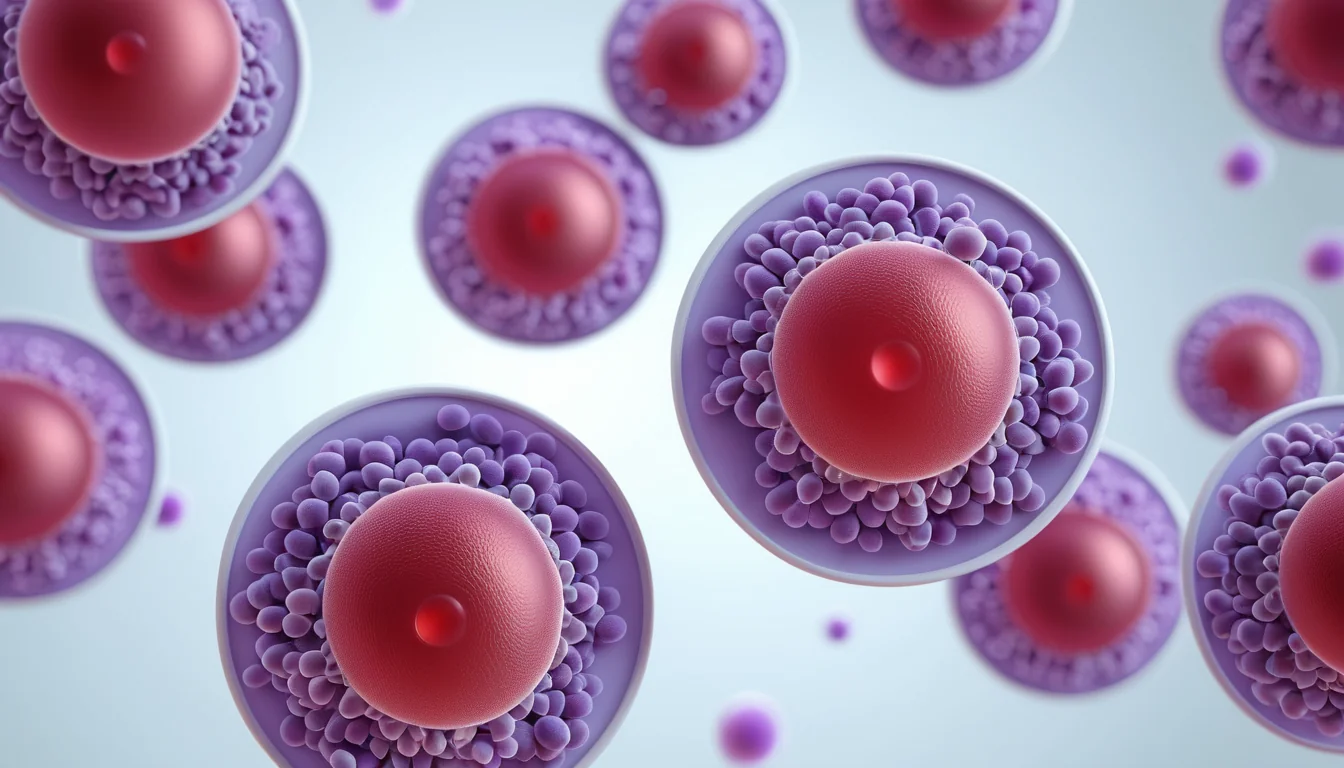
A platelet count is one of the most common blood tests ordered by doctors across Canada, measuring the number of platelets circulating in your blood. Platelets are tiny cell fragments produced in your bone marrow that play a vital role in blood clotting — rushing to the site of an injury to help stop bleeding and promote healing.
What Does a Platelet Count Test Measure?
If your platelet count blood test shows levels that are too high or too low, it can point to a range of health conditions, from minor infections to more serious blood disorders like thrombocytopenia or thrombocytosis. Understanding what your results mean can help you have a more informed conversation with your family doctor or healthcare provider, and take the right steps toward protecting your health.
What Are Platelets and Why Do They Matter?
| Platelet Count Range (×10⁹/L) | Classification | Common Characteristics & Symptoms | Typical Management Approach |
|---|---|---|---|
| Below 20 | Severe Thrombocytopenia | Spontaneous bleeding, petechiae, purpura, heavy menstrual bleeding, internal bleeding risk | Urgent medical care; platelet transfusion may be required; hospital admission likely |
| 20–49 | Moderate Thrombocytopenia | Easy bruising, prolonged bleeding from cuts, nosebleeds, blood in urine or stool | Close monitoring by hematologist; treat underlying cause; avoid NSAIDs and blood thinners |
| 50–149 | Mild Thrombocytopenia | Minor bruising, slightly prolonged bleeding; often asymptomatic at higher end of range | Regular CBC monitoring; identify and address root cause; caution with procedures or surgery |
| 150–400 | Normal Platelet Count | No bleeding or clotting symptoms related to platelet levels; normal wound healing | Routine health maintenance; repeat CBC as part of regular preventive care in Canada |
| 401–1,000 | Mild to Moderate Thrombocytosis | Often asymptomatic; may include headaches, dizziness, or tingling in hands and feet | Investigate for reactive causes (infection, iron deficiency); monitor with follow-up bloodwork |
| Above 1,000 | Severe Thrombocytosis (Extreme) | Increased clotting and paradoxical bleeding risk, fatigue, vision changes, possible stroke risk | Referral to hematologist; possible cytoreductive therapy; assess for myeloproliferative disorders |
Platelets — also called thrombocytes — are small, colourless fragments found in your blood. They play a critical role in a process called hemostasis, which is your body’s way of stopping bleeding. When a blood vessel is injured, platelets rush to the site and help form a clot.
Without enough healthy platelets, your blood cannot form a stable clot. This means even a small cut could bleed for much longer than it should. On the other hand, too many platelets can increase the risk of unwanted clotting.
Platelets survive in the bloodstream for about 8 to 10 days. Your bone marrow must constantly produce new ones to replace those that break down or are used up. This is why bone marrow health is closely linked to platelet levels. For more on how blood cells work, visit Health Canada’s health information resources.
What Does a Platelet Count Test Measure?
A platelet count test is usually part of a complete blood count (CBC), which is one of the most routine blood tests ordered by Canadian family doctors. The test measures how many platelets are present in a sample of your blood. Results are typically reported as the number of platelets per litre of blood.
Your doctor may order this test for several reasons. These include checking for bleeding disorders, monitoring a known blood condition, or investigating symptoms like unusual bruising or fatigue. In Canada, this test is covered under most provincial health plans when ordered by a physician.
The test uses a method called flow cytometry, which is a precise, automated way of counting and analysing blood cells. It is a quick and straightforward procedure that requires only a routine blood draw.
How to Prepare for the Test
In most cases, your doctor will ask you to fast before having your blood drawn. This means no food or drink — other than water — for a set period before the test. Always follow the specific instructions given by your healthcare provider or the laboratory.
Let your doctor know about any medications or supplements you take. Some medications can affect your platelet count results, so this information is important for accurate interpretation.
Understanding a Low Platelet Count (Thrombocytopenia)
A low platelet count is called thrombocytopenia. This condition can range from mild to severe, depending on the underlying cause. Many people with mild thrombocytopenia have no symptoms at all and only find out through a routine blood test.
However, when platelet levels drop significantly, symptoms may appear. These can include easy bruising, prolonged bleeding from cuts, bleeding gums, blood in urine or stool, and tiny red or purple spots on the skin called petechiae.
Common Causes of Low Platelets
There are many reasons your platelet count might be lower than normal. Some of the most common causes include:
- Cancer treatments such as chemotherapy or radiation therapy
- Autoimmune disorders such as lupus or idiopathic thrombocytopenic purpura (ITP)
- Viral infections including HIV, Epstein-Barr virus, and chickenpox
- Certain medications including some oral contraceptives or estrogen-based therapies
- Vitamin deficiencies such as low vitamin B12 or folate
- Aplastic anemia or leukemia
- Liver conditions such as cirrhosis
- Chronic alcohol use
- Pregnancy
- Enlarged spleen (splenomegaly)
- Myelodysplasia (a bone marrow disorder)
- Disseminated intravascular coagulation (DIC)
- Thrombotic thrombocytopenic purpura (TTP)
- Hemolytic uremic syndrome
Treatment for low platelets usually targets the underlying cause. For example, if a medication is responsible, your doctor may switch your prescription. If an autoimmune condition is involved, other treatments may be recommended. Learn more about thrombocytopenia symptoms and causes at Mayo Clinic.
Understanding a High Platelet Count (Thrombocytosis)
A high platelet count is called thrombocytosis (also spelled thrombocythemia). This condition means your body is producing too many platelets. In some cases, a high platelet count is a temporary response to something happening in your body, such as an infection or inflammation.
This temporary form is called reactive thrombocytosis or secondary thrombocytosis. It rarely causes symptoms on its own. Instead, any symptoms you experience are usually related to the underlying condition causing the elevated count.
Symptoms of Thrombocytosis
When symptoms do occur with reactive thrombocytosis, they may include:
- Headache
- Dizziness or vertigo
- Chest pain
- Temporary changes in vision
- Tingling or numbness in the hands and feet
Causes of a High Platelet Count
A high platelet count can have several causes. These include:
- Chronic inflammatory conditions such as rheumatoid arthritis or inflammatory bowel disease
- Infections, both bacterial and viral
- Iron deficiency
- Removal of the spleen (splenectomy)
- Recovery after significant blood loss or hemolytic anemia
- Surgery or physical trauma
- Myeloproliferative disorders such as essential thrombocythemia, polycythemia vera, chronic myeloid leukemia (CML), or myelofibrosis
- Hereditary causes
When a high platelet count stems from a bone marrow disorder rather than a secondary cause, it is called primary or essential thrombocythemia. This is a less common but more serious condition that requires specific medical management.
Factors That Can Affect Your Results
Several everyday factors can influence your platelet count results. It is important to be aware of these when interpreting your test. Intense physical exercise can temporarily raise platelet levels. Childbirth can also cause elevated platelet counts shortly after delivery.
Furthermore, people who live at high altitudes may naturally have higher platelet concentrations. In contrast, women may see slightly lower platelet counts just before their menstrual period or during pregnancy. These variations are generally considered normal and not a cause for concern on their own.
Some medications are known to lower platelet counts as a side effect. These include certain oral contraceptives and estrogen therapies. Always inform your doctor of all medications you are taking before having blood work done. For additional information on how medications affect blood tests, Healthline offers a helpful overview of thrombocytopenia.
When to See a Doctor About Your Platelet Count
If you have received blood test results showing an abnormal platelet count, it is important to follow up with your family doctor. Your doctor can help you understand what the result means in the context of your overall health and medical history.
Do not wait for symptoms to worsen before seeking help. If you notice unusual bruising, bleeding that will not stop, or red spots appearing on your skin, contact your family doctor as soon as possible. If your regular doctor is unavailable, a walk-in clinic can assess your symptoms and arrange further testing if needed.
In Canada, most provinces cover blood tests ordered by a physician under the provincial health plan. If you are concerned about your platelet count or have a family history of blood disorders, speak with your doctor about getting a CBC test as part of your routine health screening. Early detection leads to better outcomes in almost every case.
What is a normal platelet count in Canada?
A normal platelet count generally falls between 150,000 and 400,000 platelets per microlitre of blood. Your Canadian lab report may express this differently, so always ask your family doctor to explain your specific results. A result slightly outside this range does not always mean something is wrong.
What happens if your platelet count is too low?
A low platelet count, known as thrombocytopenia, means your blood may have trouble clotting properly. This can lead to symptoms such as easy bruising, prolonged bleeding from minor cuts, or small red spots on the skin. Your doctor will investigate the underlying cause and recommend appropriate treatment.
Can stress affect your platelet count?
Physical stress, such as intense exercise or surgery, can temporarily raise your platelet count. Emotional stress may also have some influence on blood cell levels, though the evidence is less direct. If you are concerned about your platelet count, speak with your family doctor for a proper evaluation.
Is a platelet count test covered by provincial health plans in Canada?
Yes, in most provinces, a platelet count test ordered by a licensed physician is covered under the provincial health plan as part of a complete blood count (CBC). Coverage details may vary slightly by province, so check with your local health authority or doctor’s office if you are unsure.
What are the symptoms of a high platelet count?
Reactive thrombocytosis (high platelet count) often causes no symptoms by itself. However, some people may experience headaches, dizziness, chest pain, or tingling in the hands and feet. If you notice any of these symptoms, visit your family doctor or a walk-in clinic for assessment.
Do I need to fast before a platelet count blood test?
According to Mayo Clinic’s guide to platelet count testing, this information is supported by current medical research.
For more information, read our guide on ANCA blood test results guide for Canadians.
Yes, your doctor will typically ask you to fast — meaning no food or drink other than water — before having your blood drawn for a platelet count test. Always follow the specific instructions provided by your healthcare provider or the laboratory conducting the test.
Key Takeaways
- A platelet count measures the number of platelets in your blood and is usually part of a routine complete blood count (CBC) test.
- Platelets are essential for blood clotting. Too few or too many can signal an underlying health issue.
- A low platelet count is called thrombocytopenia. Common causes include autoimmune disorders, certain medications, viral infections, and some cancers.
- A high platelet count is called thrombocytosis. It is often a reactive response to infection, inflammation, or iron deficiency.
- Factors such as intense exercise, pregnancy, altitude, and certain medications can affect your results.
- Always discuss abnormal results with your family doctor. If needed, a walk-in clinic can provide initial assessment.
- In most provinces, this test is covered under your provincial health plan when ordered by a physician.
- This article is for informational purposes only. Always consult your doctor or a qualified healthcare professional before making any decisions about your health.
Frequently Asked Questions
What is a normal platelet count in Canada?
A normal platelet count ranges from 150,000 to 400,000 platelets per microlitre of blood. This standard applies across Canadian laboratories. Counts below 150,000 indicate thrombocytopenia (low platelets), while counts above 400,000 indicate thrombocytosis (high platelets), both of which may require further medical evaluation.
What are the symptoms of a low platelet count?
Common symptoms of a low platelet count include unusual bruising, prolonged bleeding from cuts, pinpoint red spots on the skin (petechiae), blood in urine or stool, heavy menstrual periods, and frequent nosebleeds. Severe cases may cause internal bleeding, which requires immediate emergency medical attention.
How is an abnormal platelet count treated?
Treatment depends on the underlying cause. Low platelet counts may be treated with corticosteroids, immune therapy, platelet transfusions, or addressing conditions like iron deficiency. High platelet counts may require blood thinners or aspirin. Your Canadian doctor will tailor treatment based on your diagnosis and overall health.
Can diet and lifestyle affect your platelet count?
Yes, certain nutrients support healthy platelet production, including folate, vitamin B12, vitamin C, and iron. Avoiding excessive alcohol, quitting smoking, and staying hydrated also help. However, diet alone cannot correct significantly abnormal platelet counts, which typically require medical diagnosis and proper treatment from a healthcare provider.
When should you see a doctor about your platelet count results?
See a doctor if your platelet count falls below 150,000 or exceeds 400,000 per microlitre, or if you experience unexplained bruising, persistent bleeding, or fatigue. In Canada, your family physician can order follow-up blood tests and refer you to a hematologist if a serious underlying condition is suspected.

About the Author
Dr. Sarah Mitchell, MDDr. Sarah Mitchell is a board-certified family physician with over 15 years of clinical experience. She completed her MD at the University of Toronto and her residency at Toronto General Hospital. Dr. Mitchell specializes in preventive medicine and chronic disease management. She is a member of the College of Family Physicians of Canada (CFPC) and has published over 30 peer-reviewed articles on preventive health care.
View all articles →