Blood Lipids Test: What Your Results Mean in Canada

Share
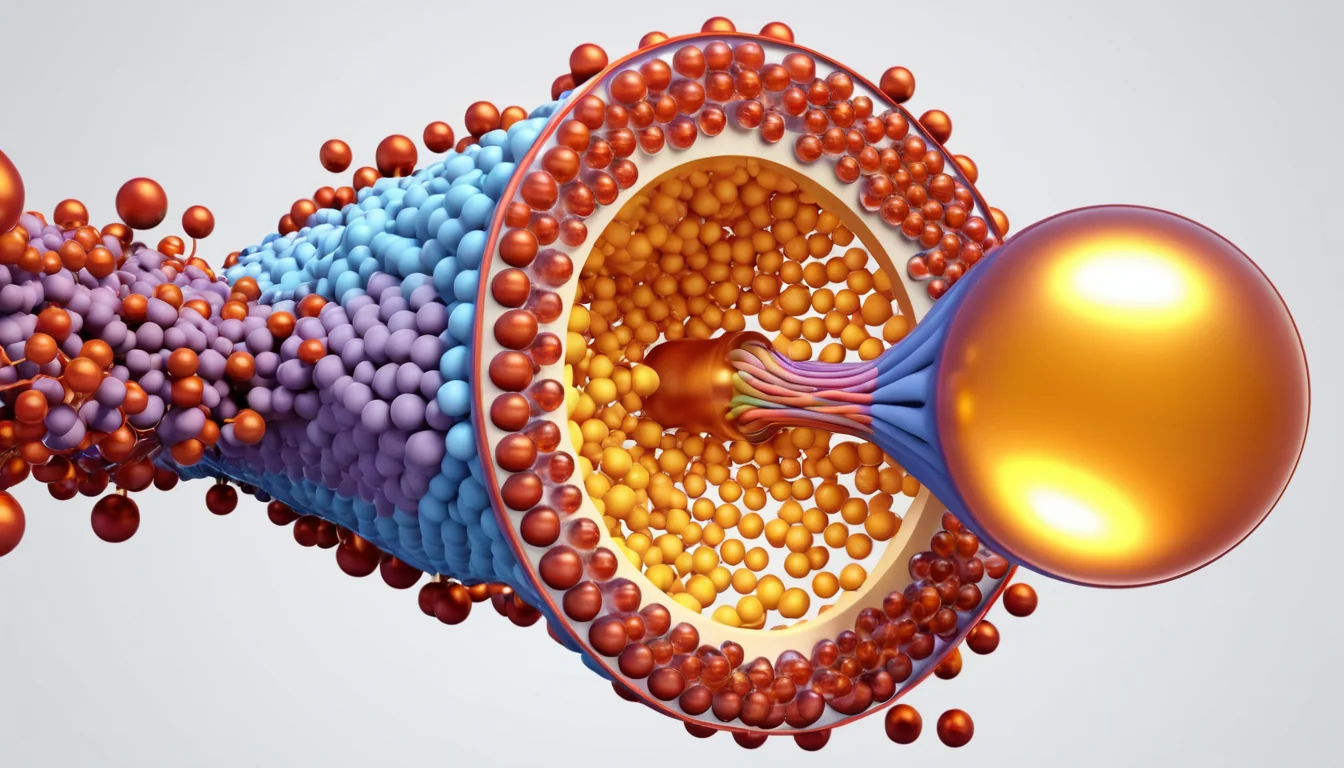
A blood lipids test measures the fats circulating in your bloodstream, including cholesterol, triglycerides, and total lipids, giving your doctor a clear snapshot of your cardiovascular health. In Canada, this is one of the most commonly ordered blood panels, and understanding your results is the first step toward preventing serious conditions like heart disease and stroke.
What Does a Blood Lipids Test Measure?
Fats, also called lipids, are not your enemy. Your body relies on them as its richest source of energy, producing 9 calories per gram. About 15% of a healthy adult’s body weight comes from fat. However, when cholesterol levels in Canada rise above normal ranges, the risk of hyperlipidemia and cardiovascular complications increases significantly, making routine testing essential for every Canadian adult.
Why Blood Lipids Matter for Your Health
| Lipid Marker | Optimal Range (Canadian Guidelines) | Health Impact | Management Strategy |
|---|---|---|---|
| Total Cholesterol | Less than 5.2 mmol/L | Elevated levels increase risk of cardiovascular disease, heart attack, and stroke | Heart-healthy diet, regular physical activity, statins if prescribed by physician |
| LDL Cholesterol (Low-Density Lipoprotein) | Less than 3.5 mmol/L (lower for high-risk patients) | Known as “bad” cholesterol; contributes to arterial plaque buildup and atherosclerosis | Reduce saturated fats, increase soluble fibre, consider statin therapy under medical supervision |
| HDL Cholesterol (High-Density Lipoprotein) | Greater than 1.0 mmol/L (men); greater than 1.3 mmol/L (women) | Known as “good” cholesterol; helps remove LDL from arteries and protects heart health | Regular aerobic exercise, quit smoking, moderate alcohol consumption, healthy fats from fish and nuts |
| Triglycerides | Less than 1.7 mmol/L | High levels linked to metabolic syndrome, pancreatitis, and increased cardiovascular risk | Limit refined sugars and alcohol, increase omega-3 fatty acids, weight management |
| Non-HDL Cholesterol | Less than 4.3 mmol/L | Reflects all atherogenic (artery-clogging) particles; strong predictor of cardiovascular events | Comprehensive lifestyle modifications and medication as guided by a Canadian healthcare provider |
Fats — also called lipids — are not the enemy. Your body needs them. They are the body’s richest source of energy, producing 9 calories per gram when burned. About 15% of a healthy adult’s body weight is made up of fat.
Most fat is stored in tissues and organs. A smaller amount travels through the blood in liquid form. Your body uses these circulating fats for energy, especially during physical activity or when food is scarce.
However, problems start when fat levels in the blood rise too high. This condition is called hyperlipidaemia. Over time, excess fat can build up inside artery walls, causing a condition known as atherosclerosis, as explained by the Mayo Clinic. As arteries narrow and stiffen, blood flow to the heart and brain can be cut off — leading to heart attack or stroke.
What Does a Blood Lipids Test Measure?
A blood lipids test — sometimes called a lipid panel — checks several different types of fat in your blood. Your doctor or a walk-in clinic can order this test. Results are usually covered under provincial health plans.
The main things measured are:
- Total lipids — all fats combined in the blood
- Triglycerides — a common type of blood fat linked to energy storage
- Cholesterol — a waxy fat that your body both needs and makes
- Lipoproteins — particles that carry cholesterol through the blood (HDL and LDL)
To get accurate results, you must fast for 12 hours before the test. That means no food, juice, or milk — water is fine. This is because eating raises your fat levels temporarily in all healthy people.
Understanding Total Lipids
Total lipids measure all the fatty substances in 100 mL of your blood serum. The normal range is 550–750 mg per 100 mL.
When Total Lipids Are Too Low
Low total lipids (below 500 mg%) can occur with poor nutrition, liver disease, overactive thyroid, or intense physical effort. In most cases, low lipid levels are not a major health concern on their own.
When Total Lipids Are Too High
High total lipids — above 1,000 mg% — are a more serious concern. At these levels, blood becomes thicker and flows more slowly. This puts extra strain on the heart and brain.
Common causes of high total lipids include:
- Eating too much fat or sugar
- Hereditary (genetic) conditions that cause the liver to overproduce fat
- Liver or kidney disease
- Underactive thyroid (hypothyroidism)
- Untreated diabetes
- Heavy alcohol use
- Severe emotional stress
Therefore, if your total lipids stay high after cutting fatty foods for a full day, the cause is likely not diet alone. Your family doctor should investigate further.
Triglycerides: A Key Part of Your Blood Lipids Test
Triglycerides are a simpler type of fat. They are your body’s main way of storing extra energy from food. The normal range for triglycerides is 50–150 mg per 100 mL.
High triglycerides carry an even greater risk for artery damage than high total lipids. The same factors that raise total lipids tend to raise triglycerides as well — especially a diet high in sugar, refined carbohydrates, and alcohol.
According to Healthline’s guide to triglycerides, even modest lifestyle changes — like cutting back on sugary drinks and processed foods — can lower triglyceride levels meaningfully.
Cholesterol: The Good and the Bad
Cholesterol is a more complex fat. Your body genuinely needs it — every cell uses cholesterol to function properly. Your liver makes cholesterol on its own, even if you eat none at all.
Where Cholesterol Comes From
Cholesterol enters your body through foods like eggs, butter, dairy, fish roe, and organ meats. However, your liver can also produce cholesterol from foods that contain no cholesterol at all — including fats, proteins, and carbohydrates.
When Cholesterol Levels Drop
Low cholesterol is usually not a concern. It can happen with malnutrition or intense exercise. In liver disease, a falling cholesterol level can signal that the liver is losing its ability to function — this is worth monitoring closely.
When Cholesterol Levels Rise
High blood cholesterol — called hypercholesterolaemia — is most often caused by the body producing too much on its own. Diet plays a role, but it is not always the main factor. Sedentary behaviour, being overweight, an underactive thyroid, and certain hereditary conditions are also common causes.
In addition, cholesterol travels through the blood attached to lipoproteins. LDL (low-density lipoprotein) carries cholesterol to artery walls and can cause plaque buildup. HDL (high-density lipoprotein) carries cholesterol away from arteries, back to the liver. Higher HDL is generally better for your heart.
Fatty Acids: The Building Blocks of Fat
Triglycerides are made from fatty acids. There are two main types — saturated and unsaturated. The normal range for fatty acids in the blood is 200–450 mg per 100 mL.
Saturated fatty acids are found mostly in animal fats like lard, butter, and fatty meats. Eating too many can speed up atherosclerosis and raise your risk of heart disease.
Unsaturated fatty acids — found in plant oils and certain fish — are generally better for your heart. For example, populations that eat large amounts of fish rich in unsaturated fats tend to have lower rates of atherosclerosis.
Furthermore, fatty acid levels in the blood shift quickly based on what you eat. They typically rise alongside total lipids and triglycerides.
Bilirubin: Another Important Biochemical Test
Bilirubin is not a fat — it is a yellowish substance produced when your body breaks down old red blood cells. Your liver processes bilirubin and removes it from the body through bile and stool.
A bilirubin test is often done alongside a blood lipids test as part of a broader biochemical panel. It helps your doctor check how well your liver is working.
What High Bilirubin Means
When bilirubin builds up in the blood, it causes jaundice — a yellowing of the skin and eyes. This can be a sign of liver disease (such as hepatitis or cirrhosis), a blocked bile duct, or a condition where red blood cells are being destroyed too quickly.
What Low Bilirubin Means
Low bilirubin is rarely a concern. It does not usually point to a health problem on its own.
As noted by Health Canada, routine blood tests like these are an important part of preventive care and are available through your provincial health plan.
When to See a Doctor About Your Blood Lipids Test
You should talk to your family doctor or visit a walk-in clinic if you have not had a lipid panel done recently — especially if you are over 40, have a family history of heart disease, or have been diagnosed with diabetes or high blood pressure.
Seek medical advice right away if you experience chest pain, sudden shortness of breath, or dizziness. These can be warning signs of a heart or circulation problem.
Your doctor may order a blood lipids test as part of a routine check-up, or more frequently if your levels have been abnormal in the past. Most provincial health plans cover this test with a valid referral. Always follow your doctor’s advice before making major changes to your diet or starting new supplements.
What is a blood lipids test and why is it done?
A blood lipids test measures the different types of fat in your blood, including cholesterol, triglycerides, and total lipids. Doctors use it to assess your risk for heart disease, stroke, and atherosclerosis. It is one of the most common preventive tests ordered by family doctors across Canada.
Do I need to fast before a blood lipids test?
Yes — you should fast for at least 12 hours before your blood lipids test for the most accurate results. Eating raises your fat levels temporarily, which can make the results misleading. Water is fine to drink during the fasting period.
What are normal cholesterol levels in Canada?
In Canada, healthy total cholesterol is generally below 5.2 mmol/L. LDL cholesterol should ideally be below 3.4 mmol/L, while higher HDL levels are better for heart health. Your family doctor will interpret your specific numbers based on your overall health history.
What causes high triglycerides?
High triglycerides are most often caused by a diet rich in sugar, refined carbohydrates, and alcohol. They can also be raised by untreated diabetes, an underactive thyroid, kidney disease, or certain genetic conditions. Lifestyle changes like reducing sugar intake and increasing physical activity can help lower triglyceride levels.
What does high bilirubin in a blood test mean?
High bilirubin can be a sign that the liver is not working properly, a bile duct is blocked, or red blood cells are breaking down too quickly. It often causes yellowing of the skin and eyes, known as jaundice. If your bilirubin is elevated, your doctor will likely order follow-up tests to find the cause.
Is a blood lipids test covered by provincial health insurance in Canada?
According to Health Canada’s guidelines on heart disease risk factors, this information is supported by current medical research.
For more information, read our guide on hemoglobin blood test results for Canadians.
In most provinces, a blood lipids test is covered under your provincial health plan when ordered by a physician. You can have it done through your family doctor or a walk-in clinic. Coverage details vary by province, so check with your local health authority if you are unsure.
Key Takeaways
- A blood lipids test measures cholesterol, triglycerides, total lipids, and lipoproteins in your blood.
- Normal total lipids range from 550–750 mg per 100 mL. Levels above 1,000 mg% raise your risk of heart disease.
- Normal triglycerides are 50–150 mg per 100 mL. High triglycerides are especially harmful to arteries.
- Cholesterol is both consumed through food and made by the liver. High LDL cholesterol increases heart disease risk.
- Saturated fats (from animal products) raise the risk of atherosclerosis. Unsaturated fats (from plants and fish) are generally healthier.
- Bilirubin tests check liver health and are often done alongside lipid panels.
- Always fast for 12 hours before a lipid blood test for accurate results.
- Talk to your family doctor or visit a walk-in clinic to get tested — most provincial health plans cover this test.
Frequently Asked Questions
What is a blood lipids test and what does it measure?
A blood lipids test, also called a lipid panel, measures fats in your bloodstream including total cholesterol, LDL (bad) cholesterol, HDL (good) cholesterol, and triglycerides. Canadian doctors use these results to assess your risk of heart disease, stroke, and other cardiovascular conditions requiring treatment or lifestyle changes.
What are normal blood lipids test results in Canada?
In Canada, healthy blood lipid levels include total cholesterol below 5.2 mmol/L, LDL below 3.4 mmol/L, HDL above 1.0 mmol/L for men and 1.3 mmol/L for women, and triglycerides below 1.7 mmol/L. Results outside these ranges may indicate increased cardiovascular risk requiring medical attention.
What are the symptoms of high bilirubin levels in adults?
High bilirubin levels commonly cause jaundice, which appears as yellowing of the skin and whites of the eyes. Other symptoms include dark amber urine, pale or clay-coloured stools, fatigue, and abdominal pain. These signs may indicate liver disease, bile duct obstruction, or hemolytic anemia requiring prompt medical evaluation.
How can I lower my cholesterol before a blood lipids test?
Lowering cholesterol involves adopting heart-healthy habits including reducing saturated and trans fats, increasing fibre intake through oats, legumes, and vegetables, exercising regularly, maintaining a healthy weight, and quitting smoking. If lifestyle changes are insufficient, Canadian doctors may prescribe statins or other cholesterol-lowering medications.
When should I see a doctor about my blood lipids or bilirubin results?
See a doctor if your lipid panel shows elevated LDL or triglycerides, or if bilirubin levels are abnormal. Seek immediate care if you experience jaundice, severe abdominal pain, or chest pain. Canadians over 40, or those with diabetes or family history of heart disease, should have regular blood lipid testing.

About the Author
Dr. Sarah Mitchell, MDDr. Sarah Mitchell is a board-certified family physician with over 15 years of clinical experience. She completed her MD at the University of Toronto and her residency at Toronto General Hospital. Dr. Mitchell specializes in preventive medicine and chronic disease management. She is a member of the College of Family Physicians of Canada (CFPC) and has published over 30 peer-reviewed articles on preventive health care.
View all articles →