Bilirubin Test: What Your Results Mean in Canada (2025)

Share
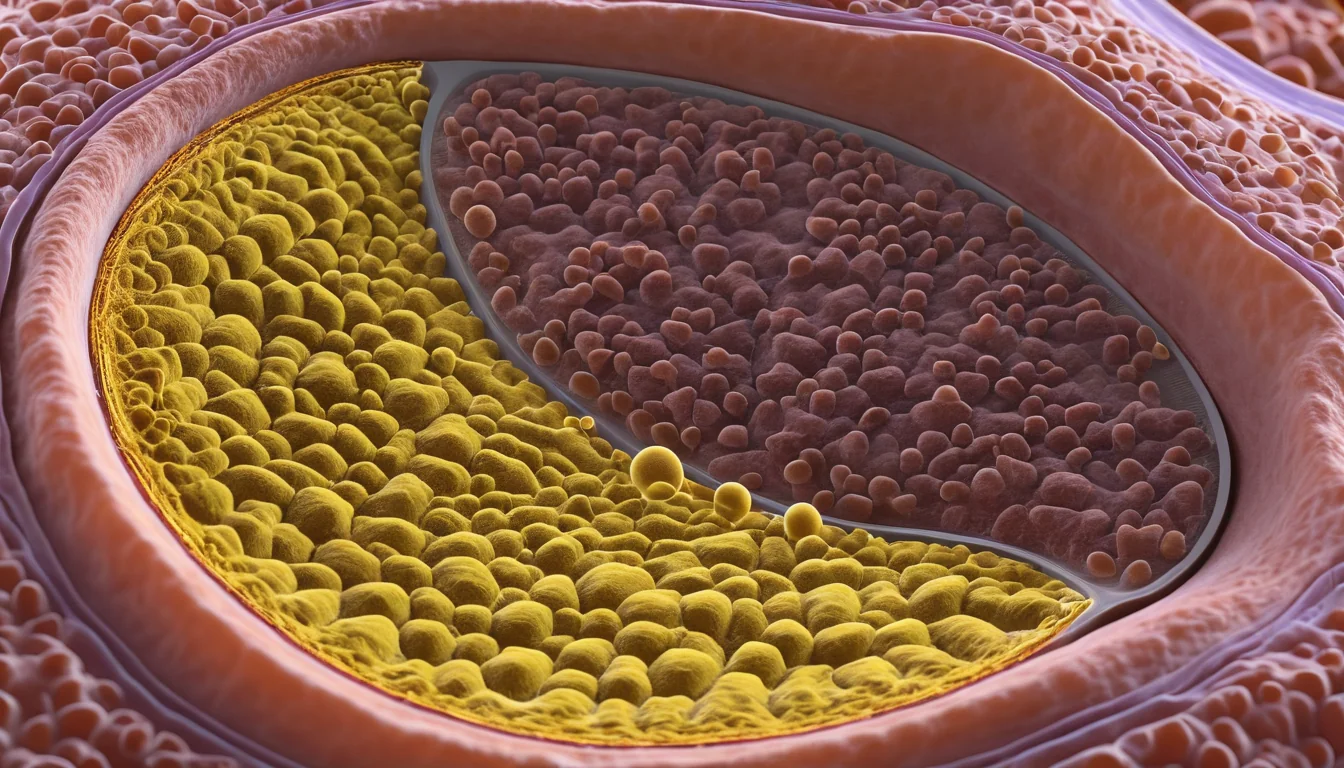
A bilirubin test is a simple blood test that measures how much bilirubin is present in your blood, helping doctors detect liver problems, bile duct issues, and other health conditions early. Bilirubin is a yellow-brown pigment created when your body naturally breaks down old red blood cells. When bilirubin levels rise too high, your skin and eyes may turn yellow — a condition known as jaundice.
Understanding Your Bilirubin Test Results in Canada
For Canadians, understanding your bilirubin blood test results is an important step toward staying on top of your health. Whether your family doctor ordered this test during a routine checkup or you visited a walk-in clinic with symptoms like yellowing skin or dark urine, this guide explains what normal bilirubin levels in Canada look like, what high bilirubin causes could be, and when you should seek medical attention.
What Is Bilirubin?
| Bilirubin Type | Normal Range (Adults) | Characteristics | Clinical Management |
|---|---|---|---|
| Total Bilirubin | 3.4 – 20.5 µmol/L | Combined measure of direct and indirect bilirubin; primary value reported on standard bloodwork panels across Canadian labs | Routine monitoring; repeat testing if borderline elevated; assess alongside liver enzyme panels (AST, ALT, ALP) |
| Direct (Conjugated) Bilirubin | 0 – 6.8 µmol/L | Water-soluble form processed by the liver; elevated levels suggest bile duct obstruction, cholestasis, or hepatocellular disease | Imaging (ultrasound or MRCP); gastroenterology or hepatology referral; investigate for gallstones or liver disease |
| Indirect (Unconjugated) Bilirubin | 3.4 – 13.7 µmol/L | Fat-soluble form produced from red blood cell breakdown; elevated levels may indicate hemolytic anemia or Gilbert syndrome | Complete blood count (CBC); hemolysis workup; hematology referral if hemolytic anemia suspected |
| Neonatal Bilirubin (Term Infant) | Below 205 µmol/L (day 3–5) | Physiologic jaundice is common in newborns; levels above treatment thresholds risk kernicterus and neurological damage | Transcutaneous or serum monitoring; phototherapy initiated per Canadian Paediatric Society guidelines; exchange transfusion in severe cases |
| Critically Elevated Bilirubin (Adults) | Above 340 µmol/L | Indicates severe hepatic dysfunction, acute liver failure, or complete biliary obstruction; often accompanied by jaundice, dark urine, and pale stools | Urgent hospital assessment; potential admission; multidisciplinary team involvement including hepatology and, if indicated, transplant evaluation |
Bilirubin is a pigment your liver produces naturally every day. Your body constantly breaks down aging red blood cells, and bilirubin is a byproduct of that process. The liver then processes bilirubin and sends it into bile, a fluid that helps digest food.
From the liver, bile travels to your small intestine. Eventually, bilirubin leaves your body through your stool. This is actually what gives stool its brown colour.
Two Types of Bilirubin
Bilirubin exists in your blood in two forms. Understanding both helps your doctor figure out where a problem might be coming from.
- Indirect (unconjugated) bilirubin: This form does not dissolve in water. It travels through the bloodstream to the liver, where it gets converted into a water-soluble form.
- Direct (conjugated) bilirubin: This is the water-soluble form that the liver produces. It gets released into bile and eventually leaves the body.
A bilirubin test measures both your total bilirubin and your direct bilirubin. Your doctor calculates indirect bilirubin by subtracting the direct amount from the total. Each number gives a different clue about your health.
Why Would You Need a Bilirubin Test?
Your family doctor or a specialist may order a bilirubin test for several reasons. It is a useful tool for checking liver health, investigating blockages in the bile ducts, or assessing problems with red blood cells. In Canada, this test is covered under most provincial health plans when ordered by a physician.
However, the most common reason doctors order this test is to investigate jaundice — yellowing of the skin or the whites of the eyes. Jaundice is a sign that bilirubin is building up in the body.
Common Reasons for This Test
- Liver conditions: Doctors use it to monitor hepatitis, cirrhosis, or liver damage caused by certain medications.
- Bile duct blockages: Gallstones, pancreatic tumours, or other conditions can block the ducts that carry bile from the liver to the intestine.
- Hemolytic anemia: This is a condition where red blood cells break down too quickly, flooding the body with more bilirubin than the liver can handle.
- Newborn jaundice: This is one of the most common uses of the test. Many newborns develop jaundice in the first few days of life, and the test helps doctors decide if treatment is needed.
According to Health Canada, liver disease affects hundreds of thousands of Canadians. Regular monitoring through tests like this one plays a key role in managing these conditions early.
Understanding Your Bilirubin Test Results
Normal bilirubin levels in adults are generally low. Total bilirubin usually falls between 3 and 20 micromoles per litre (µmol/L) in Canada, though reference ranges can vary slightly between laboratories. Your doctor will always interpret your results alongside your symptoms and medical history.
A result above the normal range is called hyperbilirubinemia. It means bilirubin is building up in your body faster than it can be cleared.
What High Bilirubin Can Mean
Elevated bilirubin does not always point to one specific cause. Therefore, doctors look at which type of bilirubin is high to narrow things down.
- High indirect bilirubin often suggests the liver is struggling to process bilirubin, or that red blood cells are breaking down too fast. Hemolytic anemia is a common cause.
- High direct bilirubin often points to a blockage or liver disease that is preventing bile from flowing properly. Gallstones or liver inflammation may be responsible.
- High total bilirubin with both types elevated can indicate widespread liver damage, such as from cirrhosis or viral hepatitis.
For more detail on what abnormal liver values mean, the Mayo Clinic’s overview of jaundice is a reliable resource.
Jaundice: The Main Sign of High Bilirubin
Jaundice is the most visible sign that bilirubin levels are too high. It causes the skin and the whites of the eyes (called the sclera) to turn yellow. The deeper the yellow, the higher the bilirubin level tends to be.
Jaundice itself is not a disease — it is a symptom. As a result, treating jaundice means finding and treating the root cause. Your doctor will use the bilirubin test alongside other investigations to figure out why it is happening.
Common Causes of Jaundice in Adults
- Hepatitis A, B, or C
- Liver cirrhosis (scarring of the liver)
- Gallstones blocking the bile duct
- Pancreatic cancer or tumours near the bile duct
- Hemolytic anemia
- Certain medications that affect the liver
In addition, some inherited conditions like Gilbert’s syndrome can cause mildly elevated bilirubin without any serious liver disease. This condition is generally harmless and very common.
Bilirubin Testing in Newborns
Newborn jaundice is extremely common in Canada. In fact, more than half of all newborns develop some degree of yellowing in their first week of life. In most cases, it resolves on its own within two weeks. However, very high bilirubin levels in newborns can be dangerous and require prompt treatment.
Severely elevated bilirubin in a newborn can cause a condition called kernicterus. This involves bilirubin crossing into the brain and causing damage. Consequences can include blindness, hearing loss, physical abnormalities, and in serious cases, death. This is why newborns with jaundice are closely monitored.
How the Test Is Done in Newborns
In newborns, blood is collected from the heel rather than a vein. A nurse or lab technician cleans the heel with antiseptic, makes a small puncture with a tiny needle, and collects a few drops of blood in a small tube. The puncture site is then covered with a light bandage.
Treatment for newborn jaundice depends on how high the bilirubin level is. The most common treatment is phototherapy — placing the baby under a special blue light that helps break down bilirubin in the skin. In more severe cases, a blood transfusion may be needed to quickly reduce bilirubin levels.
How the Blood Test Is Done in Adults and Children
A bilirubin test is a routine blood draw. For adults, the nurse or phlebotomist ties an elastic band (tourniquet) around your upper arm to make your veins easier to see and access. The skin over the vein is cleaned with alcohol, and a needle is inserted to collect blood into a small tube.
The whole process usually takes just a few minutes. You may feel a brief sting when the needle goes in. Afterward, light pressure is applied to stop any bleeding, and a small bandage is placed over the site.
How to Prepare for the Test
Adults should avoid eating or drinking anything other than water for at least four hours before the test. This helps ensure accurate results. Children generally do not need any special preparation, but your doctor will give you specific instructions if needed.
Furthermore, tell your doctor about any medications, vitamins, or supplements you are taking. Some substances can affect bilirubin levels and may need to be paused before testing.
When to See a Doctor
You should contact your family doctor or visit a walk-in clinic if you notice yellowing of your skin or eyes, dark urine (tea-coloured), pale or grey stools, or unexplained itching. These symptoms can all be signs that bilirubin is too high and that something is affecting your liver or bile ducts.
In addition, if your newborn has yellow-tinted skin, especially if it spreads to the belly, arms, or legs, seek medical attention promptly. Most hospitals and midwifery centres in Canada screen newborns for jaundice before discharge. However, jaundice can develop or worsen in the first week at home.
If your symptoms come on suddenly and are severe, go to your nearest emergency department rather than waiting for an appointment. For general concerns or follow-up, your provincial health plan covers visits to your family doctor or a walk-in clinic. You can also call 811 (Health811 in Ontario, or your province’s equivalent telehealth line) for guidance from a registered nurse. For more information on liver health, visit Healthline’s guide to bilirubin blood tests.
Frequently Asked Questions About Bilirubin Tests
What does a high bilirubin test result mean?
A high bilirubin test result means there is more bilirubin in your blood than normal. This can point to liver disease, a blocked bile duct, or a condition where red blood cells are breaking down too quickly. Your doctor will order additional tests to find the exact cause.
What are the normal bilirubin levels in Canada?
In most Canadian labs, normal total bilirubin for adults ranges from about 3 to 20 micromoles per litre (µmol/L). Reference ranges can vary slightly between labs, so always ask your doctor to explain your specific results. A bilirubin test result just outside the normal range does not always mean something is seriously wrong.
Can you have high bilirubin without jaundice?
Yes, it is possible to have mildly elevated bilirubin without visible jaundice. Jaundice typically becomes noticeable when bilirubin rises significantly above normal. For example, people with Gilbert’s syndrome often have mildly high bilirubin but no yellow skin or eyes.
Is newborn jaundice dangerous?
Mild newborn jaundice is very common and usually harmless. However, very high bilirubin levels in a newborn can cause serious brain damage if left untreated. Canadian hospitals routinely screen newborns for jaundice, and phototherapy is an effective and safe treatment when needed.
Do I need to fast before a bilirubin blood test?
Adults are generally advised to avoid food and drink (except water) for at least four hours before a bilirubin test. Children usually do not need to fast, but check with your doctor beforehand. Fasting helps produce the most accurate results.
What foods or drinks affect bilirubin levels?
Eating a large meal before a bilirubin test can affect your results, which is why fasting is recommended. Some research suggests that certain foods like carrots and fasting itself can cause minor changes in bilirubin. Always follow your doctor’s instructions and disclose any supplements or medications you are taking before your test.
Key Takeaways
- A bilirubin test measures the level of bilirubin — a yellow pigment — in your blood.
- Bilirubin is produced when the body breaks down old red blood cells. The liver processes it and removes it through stool.
- There are two types: indirect (unconjugated) and direct (conjugated) bilirubin. Each type points to different potential problems.
- High bilirubin can cause jaundice — yellowing of the skin and eyes. It may signal liver disease, bile duct blockage, or blood cell breakdown.
- Newborn jaundice is common and treatable, but very high levels require prompt medical care including phototherapy or, in rare cases, a blood transfusion.
- Adults should fast for four hours before the test. The blood draw is quick and causes minimal discomfort.
- If you notice signs of jaundice or have concerns about your liver health, speak with your family doctor, visit a walk-in clinic, or call your provincial telehealth line (811 in many provinces).
According to Mayo Clinic’s guide to bilirubin testing, this information is supported by current medical research.
For more information, read our guide on hemoglobin blood test results in Canada.
This article is for general information only. Always consult your family doctor or a qualified healthcare provider for advice about your personal health situation.
Frequently Asked Questions
What is a bilirubin test?
A bilirubin test is a blood test that measures the amount of bilirubin — a yellow pigment produced when red blood cells break down — in your bloodstream. Canadian doctors use it to assess liver function, diagnose jaundice, and detect conditions like hepatitis, gallstones, or hemolytic anemia.
What are the symptoms of high bilirubin levels?
High bilirubin levels commonly cause jaundice (yellowing of the skin and eyes), dark amber-coloured urine, pale or clay-coloured stools, fatigue, and itchy skin. In newborns, yellowing of the face and chest is the most noticeable sign. These symptoms indicate the liver or bile ducts may not be functioning properly.
What do abnormal bilirubin test results mean?
Abnormal bilirubin test results may indicate liver disease, bile duct obstruction, gallstones, hepatitis, or a blood disorder. Normal total bilirubin in adults is typically 3–17 micromoles per litre (Canadian units). Elevated levels require follow-up testing to identify the underlying cause before treatment begins.
How can you lower high bilirubin levels naturally?
Lowering high bilirubin depends on treating the underlying cause. Supportive steps include staying well-hydrated, avoiding alcohol, eating a liver-friendly diet rich in fruits and vegetables, and limiting processed foods. However, significantly elevated bilirubin always requires medical evaluation — lifestyle changes alone cannot treat serious liver or blood conditions.
When should you see a doctor about bilirubin levels?
See a doctor immediately if you notice yellowing of your skin or eyes, dark urine, or pale stools — these are warning signs of elevated bilirubin requiring urgent evaluation. In Canada, you can visit your family doctor, a walk-in clinic, or an emergency department if symptoms appear suddenly or are severe.

About the Author
Dr. James Okafor, MD, PhDDr. James Okafor holds an MD and PhD in Neurological Sciences from McGill University. With 12 years of experience in clinical neurology and mental health research, he has contributed to landmark studies on depression, anxiety, and cognitive health. Dr. Okafor is a Fellow of the Royal College of Physicians and Surgeons of Canada and serves on the editorial board of two peer-reviewed journals.
View all articles →