
HPV Test: What Every Canadian Should Know (2025)

Share
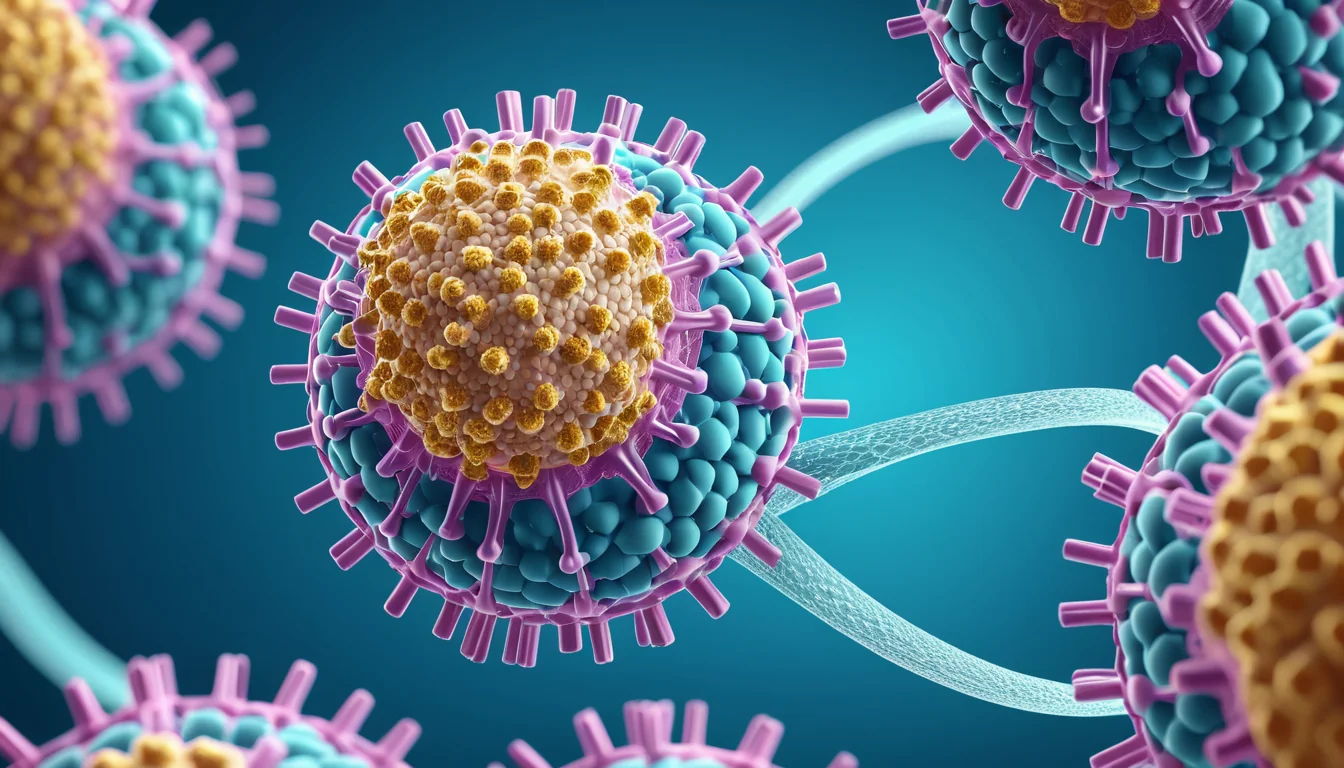
An HPV test checks for the human papillomavirus (HPV) — one of the most common sexually transmitted infections affecting Canadians today. This simple screening can detect high-risk HPV types that may lead to cervical cancer, helping you and your healthcare provider take action early to protect your health.
What Is an HPV Test and Who Needs One in Canada?
HPV screening in Canada is becoming an increasingly important part of routine preventive care. Whether you are due for your first test or have questions about previous results, this guide explains how the human papillomavirus test works, who needs one, what your results mean, and when to follow up with your doctor.
What Is HPV?
| Screening Method | How It Works | Who It’s Recommended For | Key Considerations |
|---|---|---|---|
| HPV Test (Primary HPV Screening) | Detects high-risk HPV strains directly from a cervical swab by identifying viral DNA | Individuals aged 25–65 with a cervix; increasingly recommended as a first-line screen in Canada | More sensitive than Pap alone; some provinces are transitioning to HPV-primary screening |
| Pap Test (Pap Smear) | Examines cervical cells under a microscope for abnormal changes | Individuals aged 21–65 with a cervix; frequency varies by province (typically every 3 years) | Well-established method; may miss early HPV infections with no cellular changes yet |
| Co-Testing (HPV Test + Pap) | Combines HPV DNA detection with cervical cell analysis in a single visit | Individuals aged 30–65; recommended in some Canadian provinces for extended screening intervals | Highest detection rate; may allow screening intervals of up to 5 years if both results are normal |
| Self-Collected HPV Test | Individual collects their own vaginal swab, which is then analyzed for high-risk HPV strains | Those who face barriers to traditional pelvic exams; being piloted in several Canadian provinces | Improves access for underscreened populations; sensitivity comparable to clinician-collected samples |
| Colposcopy (Follow-Up Procedure) | Magnified examination of the cervix performed after an abnormal HPV test or Pap result | Individuals with persistent high-risk HPV infection or abnormal cervical cell findings | Diagnostic tool, not a routine screen; may include biopsy to assess severity of cell changes |
HPV stands for human papillomavirus. It is a group of more than 100 related viruses that spread through direct skin-to-skin contact, most often during sexual activity. Many people carry HPV without ever knowing it, because the virus often causes no symptoms at all.
Some types of HPV cause common warts on the hands, feet, or other parts of the body. Other types cause genital warts. However, a smaller group of HPV types — known as high-risk types — can cause changes in cervical cells that may lead to cancer over time. The most well-known high-risk types are HPV 16, 18, 31, and 45.
There is currently no treatment that eliminates HPV from the body entirely. In most cases, the immune system clears the virus on its own within about two years. Warts and cell changes may disappear without treatment, but HPV can remain dormant in the body and return later.
For more background, visit the World Health Organization’s fact sheet on HPV and cancer.
How Is HPV Transmitted?
HPV spreads through sexual contact, including vaginal, anal, and oral sex. Even skin-to-skin genital contact without penetration can transmit the virus. This makes HPV very easy to pass between partners.
In rare cases, HPV can pass from a mother to her baby during childbirth. Whether the virus can spread through shared personal items like towels or underwear is less clear — the evidence for this route is not strong, but it is possible in theory.
Because HPV is so common, many sexually active people will carry it at some point in their lives. Using condoms reduces the risk of transmission but does not eliminate it completely, since the virus can be present on skin not covered by a condom.
What Is an HPV Test and Who Needs One?
An HPV test looks for the genetic material (DNA) of high-risk HPV types in cervical cells. It can identify which specific types are present. This helps your doctor understand your risk for cervical cancer and decide on next steps.
In Canada, the HPV test is most often done alongside — or in place of — a Pap test (also called a Pap smear) as part of cervical cancer screening. Provincial health plans across Canada cover cervical screening for eligible individuals. Your family doctor or a walk-in clinic can refer you for this screening.
When Is an HPV Test Recommended?
Your doctor may recommend an HPV test in the following situations:
- Your Pap test came back with an abnormal result
- Your cervical cells show minor changes called atypical squamous cells
- You are 25 or older and due for routine cervical cancer screening
- Your doctor wants to check whether high-risk HPV types caused an abnormal Pap result
If the HPV test finds high-risk types, your doctor may recommend a colposcopy — a closer examination of the cervix — and possibly a cervical biopsy. These steps help rule out or confirm pre-cancerous changes.
For more detail on cervical screening guidelines, see Health Canada’s official health information.
How to Prepare for Your HPV Test
Preparing for an HPV test is straightforward. Following these steps helps ensure accurate results.
Before Your Appointment
- Avoid vaginal douching for at least 48 hours before the test
- Do not use tampons or any vaginal medications for at least 48 hours beforehand
- Try not to schedule your test during your menstrual period — blood cells can interfere with results
- The best time to book the test is 8 to 12 days after the start of your last period
- Empty your bladder just before the test for comfort and for a better examination
Your doctor or nurse will explain the procedure before it begins. They will go over why the test is needed, what to expect, any small risks, and what the possible results mean. You may be asked to sign a consent form.
What Happens During the HPV Test?
The HPV test is a simple in-office procedure. It takes only a few minutes and is performed by a family doctor, gynecologist, or nurse practitioner.
Step-by-Step: The Procedure
You will be asked to undress from the waist down and lie on your back on an examination table, with your feet resting in supports. This allows the doctor to access the pelvic area comfortably.
The doctor gently inserts a small instrument called a speculum into the vagina. This holds the vaginal walls open so the cervix can be seen clearly. Some people find this step slightly uncomfortable, especially if the vaginal tissue is sensitive.
Next, the doctor uses a small soft brush or wooden spatula to gently collect cells from the cervix. Cells are taken from both the outer surface and the opening of the cervical canal. You may feel mild pressure during this step, but it is usually not painful.
The collected cells are placed into a small container with a preserving solution and sent to a laboratory for analysis. If a liquid-based Pap test was already done, the HPV test can often be run on the same sample — so no second swab is needed.
Is the HPV Test Uncomfortable?
Most people tolerate the HPV test well. The speculum can cause a feeling of pressure or mild discomfort, particularly if the vaginal tissue is sensitive or narrow. The cell collection itself usually causes little more than brief pressure.
After the procedure, you may notice light spotting or a grey-tinged discharge. This is normal. Use a pad if needed. Your doctor will advise you to avoid vaginal intercourse and douching for a short time after the test.
Understanding Your HPV Test Results
Results from an HPV test are usually ready within one to two weeks. The result will be one of two outcomes:
- Normal (Negative): No high-risk HPV types were found. This is a reassuring result. However, it does not mean you can never get HPV in the future, so routine screening should continue on schedule.
- Abnormal (Positive): One or more high-risk HPV types were detected. This does not mean you have cancer. It means your doctor will want to monitor your cervical cells more closely or perform further tests such as a colposcopy.
Many people with a positive HPV test never develop cervical cancer. The immune system often clears high-risk HPV on its own. However, follow-up care is important to catch any cell changes early.
For a deeper explanation of results and next steps, the Mayo Clinic’s HPV test overview is a helpful resource.
Risks and Side Effects of the HPV Test
The HPV test is considered very safe. There are no health risks from the test itself. The swabbing may cause very light bleeding or mild spotting afterward, which is normal and short-lived.
In some cases, a test may need to be repeated if the sample was insufficient or the result was unclear. This can cause worry for some people. However, a repeat test is simply a precaution — it does not mean something is wrong.
If you feel anxious about your results or the process, talk openly with your doctor. They can walk you through exactly what a result means for your specific situation.
When to See a Doctor About HPV
You should speak with your family doctor or visit a walk-in clinic if:
- You have never had a Pap test or HPV screening and are sexually active
- Your last Pap test came back abnormal
- You notice unusual discharge, genital warts, or unexplained pelvic discomfort
- You are unsure whether your provincial health plan covers HPV screening
- You have questions about the HPV vaccine for yourself or your children
Most provincial health plans in Canada cover cervical cancer screening, including the HPV test, for eligible patients. Your family doctor is your best starting point. If you do not have a family doctor, a walk-in clinic can provide or refer you for this screening.
Always consult your doctor before making any decisions about your health. This article is for general information only and is not a substitute for professional medical advice.
Frequently Asked Questions About the HPV Test
What is an HPV test and how is it different from a Pap test?
An HPV test checks specifically for the presence of high-risk human papillomavirus DNA in cervical cells. A Pap test, on the other hand, looks at the cervical cells themselves for abnormal changes. Both tests can be done at the same time, and in some provinces, they are now combined into a single co-test for cervical cancer screening.
Can men get an HPV test?
There is currently no approved HPV test for men in Canada. HPV can affect men and may cause genital warts or, in rare cases, cancers of the throat, anus, or penis. If you are concerned about HPV, speak with your doctor about the options available to you, including vaccination.
What happens if my HPV test is positive?
A positive HPV test means a high-risk type of HPV was found in your cervical cells. This does not mean you have cancer. Your doctor will likely recommend closer monitoring, and may refer you for a colposcopy to get a better look at your cervix. Many positive results resolve on their own as the immune system clears the virus.
Is the HPV vaccine still useful if I already have HPV?
Yes, the HPV vaccine can still be beneficial even if you have already been exposed to one HPV type, because it protects against several other types. In Canada, the HPV vaccine is part of publicly funded school-based programmes in all provinces. Talk to your doctor about whether vaccination makes sense for you.
How often should I get an HPV test in Canada?
Screening guidelines vary by province, but most recommend cervical screening every three to five years for people aged 25 and older who have ever been sexually active. Your family doctor can tell you the recommended schedule based on your age, health history, and your province’s guidelines. Staying current with your HPV test and Pap test is one of the best ways to prevent cervical cancer.
Does a positive HPV test mean my partner was unfaithful?
According to Public Health Agency of Canada’s HPV information page, this information is supported by current medical research.
For more information, read our guide on syphilis blood test guide for Canadians.
Not necessarily. HPV is extremely common, and the virus can remain dormant in the body for many years before being detected. A positive HPV test result does not tell you when or from whom you contracted the virus. Many people carry HPV without ever knowing it, so a positive result is not a sign of recent infidelity.
Key Takeaways
- HPV is a very common virus spread through sexual contact. Most people carry it at some point without symptoms.
- An HPV test checks for high-risk HPV types that can cause cervical cancer. It is often done alongside a Pap test.
- The test is quick, safe, and done in a doctor’s office, clinic, or community health centre.
- A positive result does not mean cancer. It means your doctor will monitor you more closely.
- Most provincial health plans cover cervical screening. Talk to your family doctor or walk-in clinic to find out your schedule.
- The HPV vaccine is available across Canada and is the best way to prevent HPV infection in the first place.
- Always speak with your doctor about your personal screening needs and what your results mean for you.
Frequently Asked Questions
What is an HPV test and how is it different from a Pap test?
An HPV test detects the presence of high-risk human papillomavirus strains that can cause cervical cancer. Unlike a Pap test, which looks for abnormal cervical cells, an HPV test identifies the virus itself. In Canada, both tests are often performed together using the same cervical swab sample.
What are the symptoms of HPV in women and men?
Most HPV infections cause no symptoms and clear on their own. Some strains cause genital warts — small, flesh-coloured bumps on the genitals or anus. High-risk HPV strains typically produce no visible symptoms but can silently cause cellular changes that may lead to cancer if left undetected.
Can HPV be treated or cured in Canada?
There is no cure for HPV itself, but most infections resolve naturally within two years. Treatments target HPV-related conditions, including genital warts and precancerous cervical cells. Canadian healthcare providers can remove warts or abnormal cells through procedures like cryotherapy, LEEP, or laser treatment to prevent cancer progression.
How can Canadians prevent HPV infection?
The most effective prevention is the HPV vaccine, offered free to eligible youth across Canadian provinces through school-based programs. Gardasil 9 protects against nine HPV strains. Additional prevention includes consistent condom use and regular cervical screening. Adults up to age 45 may still benefit from vaccination — ask your doctor.
When should you get an HPV test in Canada?
Canadian cervical screening guidelines recommend HPV testing for individuals with a cervix starting at age 25, typically every three to five years if results are normal. You should see a doctor sooner if you notice genital warts, unusual discharge, or abnormal bleeding, or if a previous Pap test returned abnormal results.

About the Author
Dr. James Okafor, MD, PhDDr. James Okafor holds an MD and PhD in Neurological Sciences from McGill University. With 12 years of experience in clinical neurology and mental health research, he has contributed to landmark studies on depression, anxiety, and cognitive health. Dr. Okafor is a Fellow of the Royal College of Physicians and Surgeons of Canada and serves on the editorial board of two peer-reviewed journals.
View all articles →