
Liver Biopsy: What Canadians Need to Know (2025)

Share
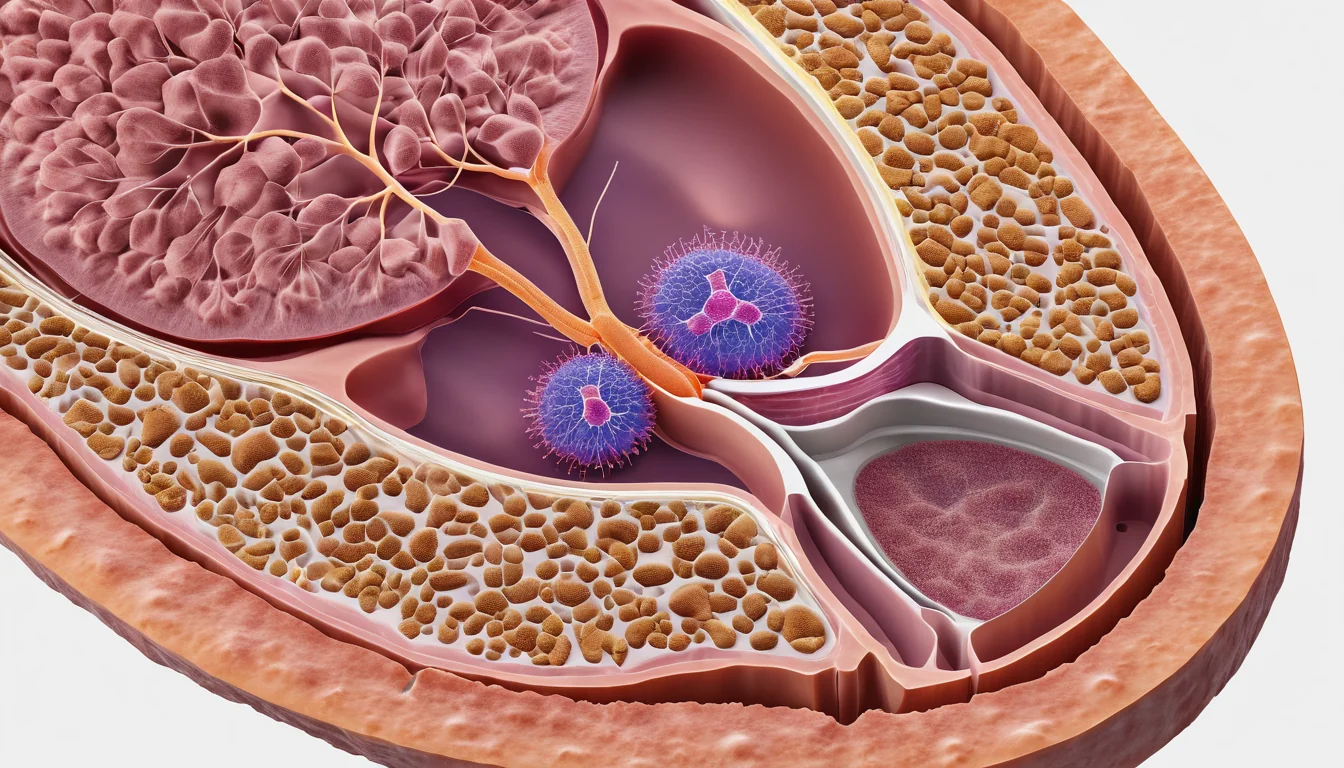
A liver biopsy is one of the most accurate diagnostic tools available in Canadian medicine today. During this procedure, a doctor removes a small piece of liver tissue using a thin needle, which is then examined under a microscope to help diagnose liver disease, infection, or cancer. If your family doctor or specialist has recommended this test, understanding what to expect can ease your concerns.
How Is a Liver Biopsy Performed in Canada?
This comprehensive guide covers the entire liver biopsy procedure from preparation through recovery, specifically for Canadians navigating the provincial healthcare system. Whether you need this test to evaluate unexplained liver enzyme levels, assess the stage of hepatitis, or investigate a suspicious mass, you will find clear and trustworthy answers below.
What Is a Liver Biopsy?
| Biopsy Type | Characteristics | Common Indications | Management & Recovery |
|---|---|---|---|
| Percutaneous Liver Biopsy | Most common approach; a needle is inserted through the skin and into the liver under ultrasound guidance; performed as an outpatient procedure at most Canadian hospitals | Diagnosing chronic hepatitis B or C, fatty liver disease (NAFLD/NASH), cirrhosis, and unexplained elevated liver enzymes | 4–6 hours of post-procedure monitoring; avoid strenuous activity for 1 week; mild soreness managed with acetaminophen |
| Transjugular Liver Biopsy | Catheter inserted through the jugular vein into the liver; preferred when standard needle biopsy poses higher bleeding risk; requires specialized radiology suite | Patients with coagulopathy, ascites, obesity, or those requiring simultaneous hepatic vein pressure measurement | Brief hospital stay often required; close monitoring of neck insertion site; gradual return to normal activity within a few days |
| Laparoscopic Liver Biopsy | Performed under general anesthesia using a small camera and biopsy instrument inserted through tiny abdominal incisions; allows direct visualization of the liver surface | Staging liver disease when other methods are inconclusive; evaluating liver abnormalities found during abdominal imaging | Short hospital stay (usually overnight); activity restrictions for 1–2 weeks; follow-up with a gastroenterologist or hepatologist |
| Surgical (Open) Liver Biopsy | Tissue sample obtained during open abdominal surgery; rarely performed solely for biopsy purposes; provides the largest tissue sample of all liver biopsy types | Typically performed when abdominal surgery is already required for another reason, such as gallbladder removal or tumor resection | Longer recovery of 2–6 weeks depending on the primary surgery; full post-operative surgical care required; managed by a surgical team |
| FibroScan (Transient Elastography) | Non-invasive alternative to traditional liver biopsy; uses ultrasound-based technology to measure liver stiffness; widely available at Canadian liver clinics and hepatology centres | Monitoring liver fibrosis progression in chronic liver disease; screening patients with hepatitis C or alcohol-related liver disease who may not require invasive biopsy | No recovery time required; results available immediately; may need repeat testing over time to track disease progression |
A liver biopsy is a medical procedure that collects a tiny sample of liver tissue for laboratory analysis. A specially trained doctor inserts a long, thin needle between two of your lower right ribs to reach the liver. The procedure is not done randomly — the exact entry point is carefully chosen based on where the problem is located.
Once collected, the tissue sample goes to a pathology lab. There, specialists examine it under a microscope to look for signs of disease. In some cases, special stains or immunohistochemical tests are used — especially when cancer is suspected.
According to Mayo Clinic’s overview of liver biopsy, this procedure remains the gold standard for diagnosing many liver conditions that other tests simply cannot confirm.
Types of Liver Biopsy
There are three main types of liver biopsy, each suited to different situations:
- Percutaneous biopsy: The most common type. A needle passes through the skin directly into the liver. Most Canadians undergoing a liver biopsy will have this type.
- Tranvenous (transjugular) biopsy: The doctor accesses the liver through a blood vessel. This method is often used for patients with clotting problems or fluid in the abdomen.
- Surgical (open or laparoscopic) biopsy: A surgeon collects liver tissue directly during an operation. This is less common and usually done when surgery is already planned for another reason.
Why Would a Doctor Order a Liver Biopsy?
Your doctor may recommend a liver biopsy when other tests cannot give a clear answer about what is happening in your liver. It is particularly useful when your symptoms are vague or when blood tests show something abnormal without an obvious cause.
Furthermore, a liver biopsy helps doctors understand how serious a liver condition is and whether treatment is working. It is a key tool for making confident, accurate decisions about your care.
Common Reasons for a Liver Biopsy
In everyday Canadian medical practice, a liver biopsy is often ordered for the following reasons:
- Unexplained jaundice: Yellowing of the skin or eyes without a clear cause. A biopsy can reveal whether the cause is viral hepatitis, a tumour, or cirrhosis.
- Persistently abnormal liver enzymes: Blood tests may show elevated AST (aspartate aminotransferase) or ALT (alanine aminotransferase) levels. A biopsy helps find out why.
- Monitoring chronic liver disease: For conditions like cirrhosis, a biopsy measures the degree of scarring (fibrosis) in the liver over time.
- Diagnosing rare liver conditions: These include Wilson’s disease (a copper build-up disorder) and hemochromatosis (an iron overload condition). Other tests are often not specific enough to confirm these diagnoses.
- Evaluating a liver tumour: A biopsy can determine whether a growth found on imaging is cancerous or benign (non-cancerous).
- Checking for drug-related liver damage: Some medications, such as methotrexate (used for arthritis and certain cancers), can harm the liver over time. A biopsy checks for this damage.
- Assessing a liver before or after transplant: Surgeons need to confirm the liver is healthy enough to transplant or that a transplanted liver is functioning properly.
- Investigating a prolonged unexplained fever: In some cases, a mystery fever can be traced back to a liver problem.
- Following up on an unexpected imaging finding: If an ultrasound, CT scan, or MRI reveals something unusual in the liver, a biopsy provides a definitive answer.
For more information on liver disease in Canada, visit Health Canada’s official health information portal.
How to Prepare for a Liver Biopsy
Preparing properly for a liver biopsy is important for your safety. Your doctor or specialist will give you specific instructions, but there are several things you should always disclose beforehand.
Therefore, always tell your healthcare provider about any medications, supplements, or health conditions you have — even if they do not ask directly.
Medications to Mention
You should tell your doctor if you are taking any of the following:
- Aspirin or other non-steroidal anti-inflammatory drugs (NSAIDs) such as ibuprofen, naproxen, or indomethacin
- Blood thinners or antiplatelet medications (for example, clopidogrel)
- Heart medications, blood pressure drugs, or cardiac stimulants
- Insulin or other diabetes medications
- Any natural health products, herbal supplements, or vitamins
In most cases, your doctor will ask you to stop taking aspirin and NSAIDs several days before the procedure. This is because these medications affect blood clotting and can raise the risk of bleeding after the biopsy.
Health Conditions to Disclose
Certain health conditions can affect whether a liver biopsy is safe for you. Be sure to tell your doctor if you:
- Have a known clotting disorder or bruise and bleed easily after minor injuries
- Have had a recent bout of pneumonia
- Have experienced ascites (fluid build-up in the abdomen, recently or in the past)
- Are pregnant or think you might be pregnant
- Have had allergic reactions to medications, antibiotics, or anaesthetics (local or general)
Recent pneumonia and ascites can actually be relative contraindications — meaning your doctor may delay or choose a different type of biopsy to keep you safe. If you take insulin, ask your doctor specifically about how to manage your dose on the day of the procedure.
Day-of-Procedure Tips
Your doctor will likely ask you to fast (avoid food and drink) for several hours before the biopsy. Arrange for someone to drive you home, as you may be drowsy from sedation. Plan to rest for the remainder of the day after the procedure.
What Happens During a Liver Biopsy?
Most liver biopsies are done as outpatient procedures at a hospital or diagnostic centre. You will not need to stay overnight in most cases. The whole procedure usually takes about 15 to 20 minutes, though you will be monitored for several hours afterward.
First, the doctor cleans the biopsy site on your right side and applies a local anaesthetic to numb the area. You may feel some pressure and brief discomfort when the needle is inserted. It helps to hold your breath for a few seconds at the doctor’s instruction, as this keeps the liver still during needle insertion.
After the tissue sample is collected, pressure is applied to stop any bleeding. You will then rest in a recovery area while nurses monitor your vital signs. This observation period typically lasts two to four hours.
Risks and Possible Complications
A liver biopsy is generally considered safe, but like all medical procedures, it carries some risks. The most common side effect is mild pain or discomfort at the biopsy site, which usually fades within a day or two.
However, more serious complications can occur, though they are uncommon. These include:
- Bleeding: The most common serious complication. This risk is higher if you have a clotting disorder or have been taking blood thinners.
- Infection: Any time the skin is punctured, there is a small risk of infection.
- Accidental injury to nearby organs: In rare cases, the needle may nick the gallbladder, lung, or a blood vessel.
- Bile leak: A small amount of bile may leak from the liver in rare cases.
As a result, doctors carefully review your medical history and blood tests before proceeding. Healthline’s guide to liver biopsy risks and recovery provides additional detail on what to watch for after the procedure.
When to See a Doctor
If your family doctor suspects a liver problem, they will refer you to a gastroenterologist or hepatologist (a liver specialist). In Canada, this referral typically goes through your provincial health plan. Most liver biopsies are performed in hospital settings and are covered under provincial health insurance.
If you experience any of the following after a liver biopsy, go to a walk-in clinic or emergency department right away:
- Severe or worsening pain in your abdomen, chest, or shoulder
- Heavy bleeding or swelling at the biopsy site
- Fever, chills, or signs of infection
- Dizziness, weakness, or feeling faint
- Rapid heartbeat or difficulty breathing
Always follow up with your family doctor after the procedure to review your results and discuss next steps in your care. If you do not have a family doctor, a walk-in clinic can help connect you with appropriate follow-up care.
Frequently Asked Questions About Liver Biopsy
Is a liver biopsy painful?
Most people feel some pressure and mild discomfort during a liver biopsy, but the area is numbed with local anaesthetic first. After the procedure, you may have soreness at the biopsy site for a day or two. Most patients manage this with over-the-counter pain relief such as acetaminophen.
How long does a liver biopsy take?
The liver biopsy procedure itself takes about 15 to 20 minutes. However, you should expect to spend two to four hours at the hospital or diagnostic centre for monitoring afterward. Plan to take the rest of the day off to rest at home.
How long does it take to get liver biopsy results in Canada?
Results from a liver biopsy typically take one to two weeks to come back from the pathology lab. Your referring specialist or family doctor will contact you to discuss the findings. In complex cases requiring special staining or additional analysis, results may take a little longer.
Can I eat before a liver biopsy?
In most cases, you will be asked to avoid food and drink for at least six hours before your liver biopsy. Your doctor or the hospital will give you specific fasting instructions when you book your appointment. Always follow those instructions carefully to avoid your procedure being delayed or cancelled.
Is a liver biopsy covered by provincial health insurance in Canada?
Yes, a liver biopsy ordered by a physician for a medically necessary reason is generally covered under provincial and territorial health plans across Canada. The procedure is typically performed in a hospital or accredited diagnostic centre. Check with your provincial health authority if you have specific questions about coverage in your province.
What should I avoid after a liver biopsy?
According to Mayo Clinic’s overview of liver biopsy, this information is supported by current medical research.
For more information, read our guide on hepatitis D antibody test for Canadians.
After a liver biopsy, you should avoid strenuous physical activity, heavy lifting, and vigorous exercise for at least one week. Do not take aspirin or NSAIDs for pain relief after the procedure — use acetaminophen instead, as directed by your doctor. Avoid alcohol for at least 24 hours and follow all post-procedure instructions from your healthcare team.
Key Takeaways
- A liver biopsy is a safe and highly accurate procedure that helps doctors diagnose liver disease, monitor chronic conditions, and assess treatment response.
- The most common type is a percutaneous biopsy, where a needle passes through the skin into the liver.
- Always tell your doctor about all medications and supplements you take, especially blood thinners and aspirin, before the procedure.
- The procedure takes about 15 to 20 minutes, but you will need to stay for monitoring for a few hours afterward.
- In Canada, medically necessary liver biopsies are generally covered under provincial health plans.
- Contact your doctor or visit a walk-in clinic right away if you experience severe pain, heavy bleeding, or fever after the procedure.
- This article is for informational purposes only. Always consult your family doctor or a qualified healthcare provider before making any decisions about medical tests or treatments.
Frequently Asked Questions
What is a liver biopsy?
A liver biopsy is a medical procedure where a small sample of liver tissue is removed and examined under a microscope. Canadian doctors use it to diagnose liver diseases such as hepatitis, cirrhosis, or liver cancer. The procedure typically takes 15–20 minutes and is performed by a specialist using a thin needle.
What are the warning signs that you may need a liver biopsy?
Warning signs that may lead your doctor to recommend a liver biopsy include persistently elevated liver enzymes, unexplained jaundice, chronic fatigue, abdominal swelling, or abnormal results on imaging tests like ultrasound or MRI. These symptoms suggest possible liver disease requiring tissue-level confirmation for an accurate diagnosis.
How painful is a liver biopsy procedure in Canada?
Most patients experience minimal discomfort during a liver biopsy. Local anesthetic is applied before the needle insertion, causing mild pressure or a brief sharp sensation. Afterward, some soreness around the biopsy site may last one to two days. Serious complications are rare when performed by experienced Canadian radiologists or hepatologists.
Can you prevent complications after a liver biopsy?
Yes. To prevent complications after a liver biopsy, avoid blood-thinning medications like aspirin or ibuprofen for at least one week beforehand as directed by your doctor. After the procedure, rest for 24 hours, avoid heavy lifting, and watch for symptoms such as severe pain, fever, or prolonged bleeding requiring immediate medical attention.
When should you see a doctor about liver biopsy results in Canada?
See your doctor promptly if your liver biopsy results indicate fibrosis, cirrhosis, non-alcoholic fatty liver disease, or hepatitis. Results are typically available within one to two weeks. Canadian hepatologists or gastroenterologists will review findings and recommend a personalized treatment plan, which may include medication, lifestyle changes, or specialist referrals.

About the Author
Dr. Sarah Mitchell, MDDr. Sarah Mitchell is a board-certified family physician with over 15 years of clinical experience. She completed her MD at the University of Toronto and her residency at Toronto General Hospital. Dr. Mitchell specializes in preventive medicine and chronic disease management. She is a member of the College of Family Physicians of Canada (CFPC) and has published over 30 peer-reviewed articles on preventive health care.
View all articles →