
Kidney Anatomy: Structure, Location & Function (Canada)

Share
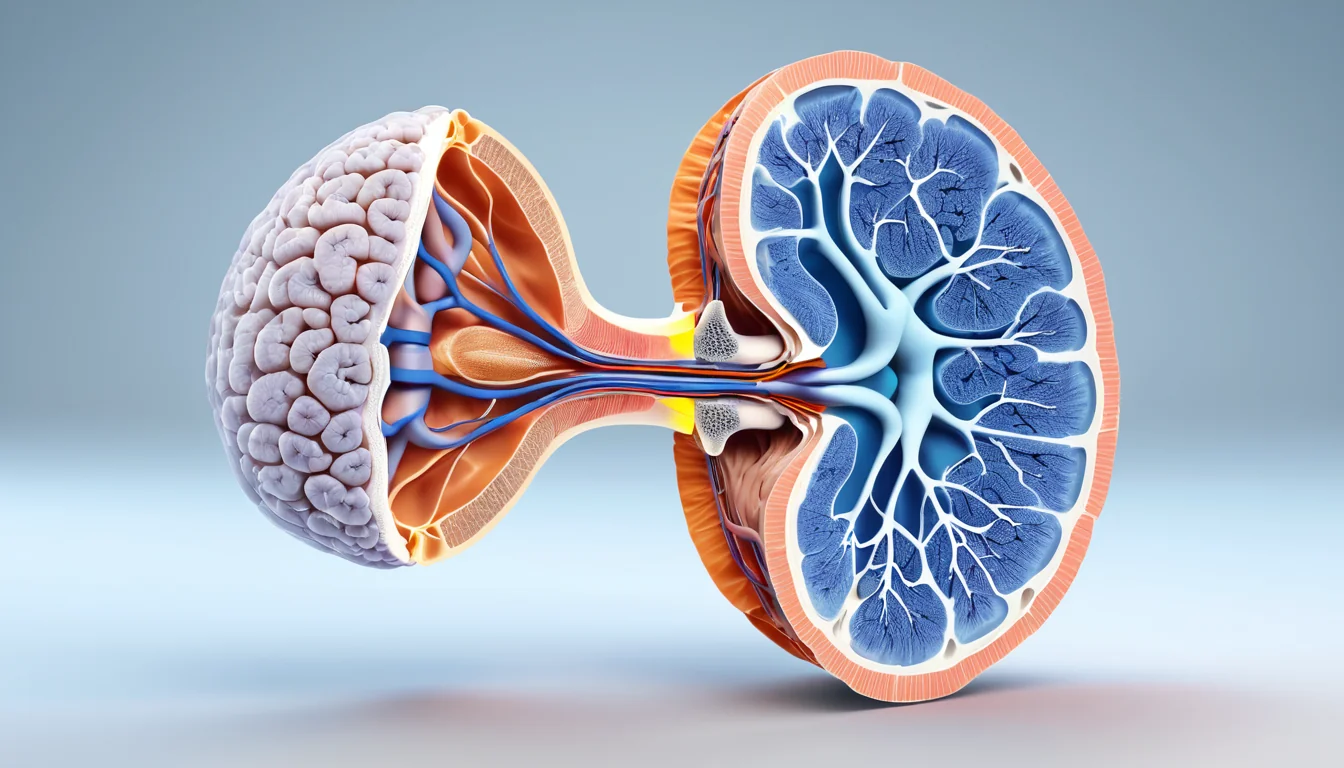
Kidney anatomy is the foundation for understanding how your body filters blood, balances fluids, and removes waste every single day. These two small, bean-shaped organs do remarkable work around the clock — yet most Canadians rarely think about them until something goes wrong.
Understanding Kidney Anatomy: The Essential Parts of Your Kidneys
Knowing where your kidneys are located and how their internal structure works can help you spot early warning signs of kidney disease. In this Canadian guide, we break down everything from the renal cortex and medulla to nephron structure, all in plain language so you can take charge of your health.
What Are the Kidneys? A Look at Kidney Anatomy
| Kidney Structure | Location Within the Kidney | Primary Function | Clinical Significance |
|---|---|---|---|
| Renal Cortex | Outermost layer beneath the renal capsule | Houses glomeruli and proximal/distal tubules; initiates blood filtration | Primary site of cortical cysts and renal cell carcinoma development |
| Renal Medulla | Inner region composed of renal pyramids | Concentrates urine through the loop of Henle; regulates water reabsorption | Affected in medullary sponge kidney, a condition diagnosed in Canadian renal clinics |
| Glomerulus | Within the renal cortex, inside Bowman’s capsule | Filters blood under pressure to remove waste and excess fluid | Damaged in glomerulonephritis and diabetic nephropathy, leading causes of chronic kidney disease in Canada |
| Renal Pelvis | Central hollow cavity connecting to the ureter | Collects urine from the calyces and channels it toward the ureter | Common site for kidney stones (nephrolithiasis) and transitional cell carcinoma |
| Renal Artery & Vein | Enter and exit at the renal hilum on the medial border | Supply oxygenated blood for filtration; return filtered blood to circulation | Renal artery stenosis can cause secondary hypertension, affecting approximately 5% of Canadians with high blood pressure |
| Nephron | Distributed throughout cortex and medulla; ~1 million per kidney | Functional unit of filtration, reabsorption, secretion, and urine concentration | Progressive nephron loss underlies chronic kidney disease; Canada has over 3 million adults living with CKD |
Your kidneys are two dark red, bean-shaped organs. They sit near the back of your abdomen, just above your waistline. If you place your hands on your hips, your kidneys are roughly where your thumbs rest.
Each kidney is wrapped in a thin, clear membrane called the renal capsule. This capsule acts like a protective shell. It shields the kidney from infection and physical injury.
One kidney sits just below your liver, on the right side of your body. The other sits below your spleen, on the left side. In rare cases, one or both kidneys may sit lower in the abdomen. This is usually harmless — however, it can cause complications during pregnancy as the growing baby may press on the lower-positioned kidney.
The Outer and Inner Zones of the Kidney
Inside each kidney, there are two main regions. Each region plays a different role in how the kidney works.
The Renal Cortex
The outer zone is called the renal cortex. It is lighter in colour than the inner zone. The cortex contains most of the kidney’s filtering units, called nephrons.
The Renal Medulla
The inner zone is called the renal medulla. It is darker in colour. Inside the medulla, you will find eight or more cone-shaped sections called renal pyramids. The spaces between these pyramids are known as renal columns.
On the concave — or inward-curving — edge of each kidney, there is a hollow space called the renal pelvis. This space collects urine and funnels it down into the ureter, the tube that carries urine to your bladder.
How Big Are Your Kidneys?
Many people are surprised by how small the kidneys actually are. In a healthy adult, each kidney measures roughly 10 to 13 centimetres in length and 5 to 7.5 centimetres in width. That is about the size of a computer mouse.
Each kidney weighs approximately 150 grams. Together, both kidneys make up only about 0.5 percent of your total body weight. Despite their small size, they perform an enormous amount of work each day.
The Structure of the Kidney: Nephrons and How They Work
The basic working units of kidney anatomy are called nephrons. Each kidney contains roughly one million nephrons. These tiny structures are microscopic — you cannot see them with the naked eye.
Nephrons are responsible for two key jobs. First, they filter waste products out of your blood. Second, they help regulate the balance of fluids, salts, and minerals in your body.
How Blood Flows Through the Kidney
Blood enters each kidney through the renal artery. More than 180 litres of blood pass through both kidneys every single day. That is an enormous volume for organs the size of a computer mouse.
Inside the kidney, nephrons separate waste products from the clean fluid. The clean, filtered blood then leaves the kidney through the renal vein and travels back to the heart. The waste products, toxins, excess salts, hormones, and water become urine.
This process of separating and removing waste is called excretion. The urinary system — which includes the kidneys, ureters, bladder, and urethra — is the body’s main excretion system. For a deeper look at how the urinary system works, visit Healthline’s kidney anatomy overview.
The Blood Vessels of the Kidney
Your kidneys are packed with blood vessels. In fact, the two kidneys together contain approximately 160 kilometres of blood vessels. That is roughly the driving distance from Toronto to Kingston, Ontario.
These vessels are essential to kidney anatomy and function. Every job the kidney performs involves blood. Therefore, a rich and complex network of vessels is needed to support all that activity.
When these blood vessels become damaged — for example, due to high blood pressure or diabetes — kidney function can decline. This is why managing chronic conditions is so important for long-term kidney health. Health Canada offers resources on managing conditions that affect your kidneys.
The Kidney’s Role in the Urinary System
The kidneys are the most important organs in the urinary system. They do far more than just make urine. They also help control blood pressure, stimulate red blood cell production, and keep your bones strong by activating vitamin D.
In addition, the kidneys remove a wide range of substances from your blood. These include metabolic waste products, toxins, medications, hormones, excess salts, hydrogen ions, and water. This constant filtering keeps your internal environment stable and balanced.
According to the Mayo Clinic’s guide to kidney disease, keeping your kidneys healthy involves staying hydrated, eating a balanced diet, and managing blood pressure and blood sugar levels.
When to See a Doctor About Your Kidneys
Most kidney problems do not cause obvious symptoms in the early stages. That is why regular check-ups with your family doctor are so important. Your doctor can order a simple blood or urine test to check how well your kidneys are working.
You should contact your family doctor or visit a walk-in clinic if you notice any of the following:
- Pain or pressure in your lower back or sides
- Swelling in your legs, ankles, or feet
- Foamy or bloody urine
- Needing to urinate much more or less than usual
- Persistent fatigue or difficulty concentrating
- High blood pressure that is hard to control
Many provinces cover kidney function testing through their provincial health plan. Ask your family doctor whether routine kidney screening is right for you. Early detection makes a significant difference in outcomes.
Please note: This article is for general information only. Always speak with a qualified healthcare provider before making decisions about your health.
Frequently Asked Questions About Kidney Anatomy
What is kidney anatomy and why does it matter?
Kidney anatomy refers to the structure and organisation of the kidneys, including their outer capsule, inner zones, blood vessels, and filtering units called nephrons. Understanding kidney anatomy helps you recognise how these organs keep your blood clean and your body balanced. It also helps you understand what can go wrong when kidney disease develops.
Where exactly are the kidneys located in the body?
The kidneys sit near the back of the abdominal cavity, just above the waistline — roughly where your thumbs rest when you place your hands on your hips. The right kidney sits below the liver, and the left kidney sits below the spleen. In rare cases, a kidney may sit lower in the abdomen without causing health problems.
How many nephrons does each kidney have?
Each kidney contains approximately one million nephrons. These microscopic structures are the kidney’s filtering units, responsible for removing waste and excess fluid from the blood. Damage to nephrons — from conditions like diabetes or high blood pressure — can reduce kidney function over time.
How much blood do the kidneys filter each day?
The kidneys filter more than 180 litres of blood every single day. Blood enters through the renal artery, passes through millions of nephrons, and returns to the heart through the renal vein. Waste products, excess salts, and toxins are removed and eventually leave the body as urine.
What is the renal capsule and what does it do?
The renal capsule is a thin, transparent membrane that surrounds each kidney. It acts as a protective barrier, shielding the kidney from infection and physical trauma. This outer layer is an important part of kidney anatomy because it helps maintain the organ’s shape and structural integrity.
Can you live with one kidney in Canada?
According to Mayo Clinic’s guide to chronic kidney disease, this information is supported by current medical research.
For more information, read our guide on nitrites in urine and what your test results mean.
Yes, most people can live a full and healthy life with one kidney. The remaining kidney typically adapts and takes on more of the filtering work over time. If you have one kidney — due to donation, surgery, or a birth condition — your family doctor can monitor your kidney health through regular check-ups covered by most provincial health plans.
Key Takeaways
- Kidney anatomy includes two bean-shaped organs wrapped in a protective renal capsule.
- Each kidney has an outer cortex and an inner medulla, containing renal pyramids and columns.
- Roughly one million nephrons in each kidney filter your blood and produce urine.
- Together, both kidneys filter over 180 litres of blood every day through about 160 kilometres of blood vessels.
- The kidneys are the main organs of the urinary system and also help control blood pressure, bone health, and red blood cell production.
- Regular check-ups with your family doctor or a visit to a walk-in clinic can catch kidney problems early — when they are most treatable.
- Most provincial health plans in Canada cover basic kidney function testing through blood and urine tests.
Frequently Asked Questions
What is kidney anatomy and where are the kidneys located?
Kidney anatomy refers to the structure and organization of the two bean-shaped organs located in the retroperitoneal space, on either side of the spine, just below the rib cage. Each kidney measures about 10–12 cm in adults and contains an outer cortex, inner medulla, and renal pelvis that drains urine.
What are the main functions of kidney anatomy structures?
The kidneys filter approximately 180 litres of blood daily, removing waste products and excess fluids as urine. Key structures include nephrons (the filtering units), glomeruli, and tubules. Kidneys also regulate blood pressure, balance electrolytes, produce erythropoietin, and activate vitamin D for bone health.
What are the warning signs of kidney problems Canadians should know?
Common warning signs include swollen ankles or feet, persistent fatigue, decreased urine output, foamy or blood-tinged urine, high blood pressure, and flank pain. In Canada, approximately 4 million people live with kidney disease, making early symptom recognition critical for preventing serious complications.
How can Canadians prevent kidney disease and protect kidney function?
Preventive measures include staying well hydrated, maintaining a healthy blood pressure below 130/80 mmHg, controlling blood sugar if diabetic, avoiding excessive NSAIDs, limiting sodium intake, not smoking, and exercising regularly. Annual kidney function screening through blood and urine tests is recommended for high-risk individuals.
When should you see a doctor about kidney pain or kidney symptoms in Canada?
Seek prompt medical attention if you experience severe flank or back pain, blood in urine, sudden significant decrease in urination, extreme swelling, confusion, or difficulty breathing. Emergency care is needed for suspected kidney stones or acute kidney injury. Most provincial health plans cover kidney function testing when referred by a family physician.

About the Author
Dr. Sarah Mitchell, MDDr. Sarah Mitchell is a board-certified family physician with over 15 years of clinical experience. She completed her MD at the University of Toronto and her residency at Toronto General Hospital. Dr. Mitchell specializes in preventive medicine and chronic disease management. She is a member of the College of Family Physicians of Canada (CFPC) and has published over 30 peer-reviewed articles on preventive health care.
View all articles →