Brain Structures: Functions Explained Simply (Canada)

Share
Brain structures are the building blocks behind everything you think, feel, and do — from breathing to forming memories. Understanding how each part of the brain works can help you take better care of your overall health and recognize when something may need medical attention. This guide is written for Canadians who want clear, reliable answers without the medical jargon.
What Are the Main Brain Structures and How Do They Work?
In this article, we break down the major parts of the brain and explain their roles in plain language. You will learn about brain structures and functions including the brainstem, cerebellum, cerebrum, limbic system, and more. As always, if you have concerns about your brain health, speak with your family doctor or consult a Canadian healthcare provider.
What Are the Main Brain Structures?
| Brain Structure | Primary Functions | Associated Conditions if Damaged | Clinical Relevance in Canada |
|---|---|---|---|
| Frontal Lobe | Decision-making, personality, voluntary movement, speech production (Broca’s area), working memory | Personality changes, impaired judgment, motor deficits, expressive aphasia | Commonly affected in traumatic brain injuries (TBI), which affect approximately 165,000 Canadians annually |
| Hippocampus | Memory formation and consolidation, spatial navigation, learning | Short-term memory loss, disorientation, inability to form new memories | One of the earliest brain structures affected in Alzheimer’s disease, impacting over 750,000 Canadians living with dementia |
| Cerebellum | Balance, coordination, fine motor control, posture regulation | Ataxia, tremors, loss of coordination, slurred speech (dysarthria) | Frequently impaired in multiple sclerosis (MS), for which Canada has one of the world’s highest prevalence rates |
| Amygdala | Emotional processing, fear response, threat detection, emotional memory | Anxiety disorders, inability to recognize fear, emotional dysregulation | Implicated in PTSD and anxiety disorders, affecting approximately 5 million Canadians at some point in their lives |
| Brainstem | Regulates breathing, heart rate, blood pressure, sleep-wake cycles, swallowing | Locked-in syndrome, coma, respiratory failure, swallowing difficulties | Critical structure assessed in stroke evaluations; stroke affects approximately 62,000 Canadians each year |
| Parietal Lobe | Sensory integration, spatial awareness, language processing, reading and mathematics | Sensory loss, neglect syndrome, difficulty with reading (alexia), spatial disorientation | Commonly involved in stroke-related deficits managed through rehabilitation programs across Canadian health centres |
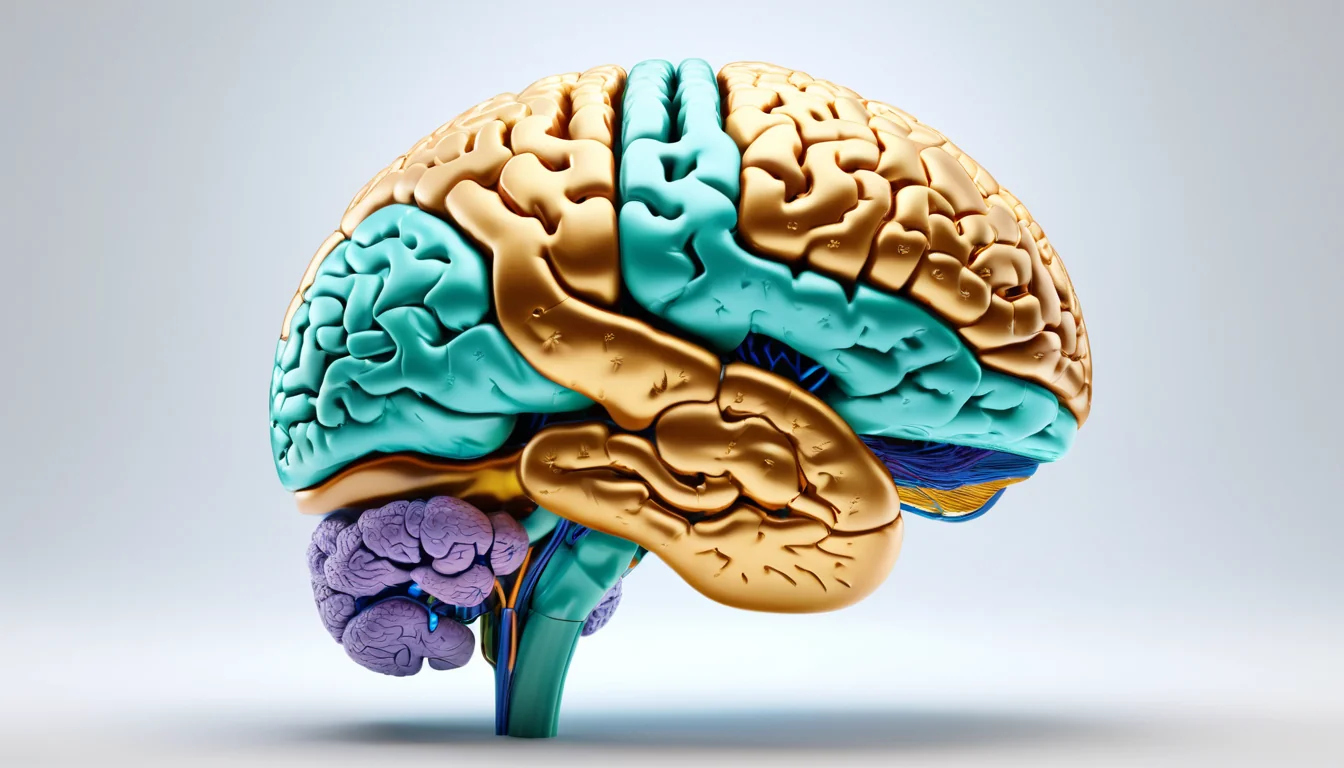
The brain is the top part of the central nervous system. It works like a control centre, receiving signals from your body, making sense of them, and sending instructions back out. The brain has three main divisions: the brainstem, the cerebellum, and the cerebrum (also called the encephalon).
Each of these divisions contains smaller structures. Together, they manage everything from your heartbeat to your memories to your ability to kick a soccer ball. Health Canada recognizes brain health as a key part of overall wellness for Canadians of all ages.
The Brainstem: Your Brain’s Command Line
The brainstem sits between the cerebellum and the spinal cord. It is one of the most critical brain structures because it controls the functions that keep you alive without you having to think about them.
The brainstem has three parts: the midbrain, the pons, and the medulla oblongata. It also contains most of the 12 cranial nerves, which serve the head, neck, and trunk.
Medulla Oblongata
The medulla oblongata is the lowest part of the brainstem. It controls automatic (autonomic) functions that your body runs on its own. These include:
- Breathing
- Heart rate
- Blood pressure
- Digestion
- Relaying nerve signals between the brain and spinal cord
In short, the medulla keeps your body running even while you sleep.
The Pons
The pons sits just above the medulla oblongata. It acts as a bridge, passing sensory information between the cerebrum and the cerebellum. The pons also helps regulate sleep, wakefulness, and certain autonomic functions.
The Midbrain
The midbrain is the uppermost part of the brainstem. It contains two important structures: the tectum and the tegmentum.
The tectum is the dorsal (back) region of the midbrain. It processes auditory (hearing) and visual (sight) responses. The tegmentum is the ventral (front) region. It controls motor functions, regulates consciousness and attention, and manages some autonomic functions.
The Reticular Formation
Inside the brainstem lies a network of nerve fibres called the reticular formation. This structure regulates wakefulness and sleep cycles. It also handles attention, cardiac reflexes, motor functions, and sends signals up to the cerebral cortex. Think of it as your brain’s internal alarm system.
The Substantia Nigra
The substantia nigra is part of the midbrain and belongs to the basal ganglia system. It produces dopamine, an important neurotransmitter (chemical messenger in the brain). Dopamine helps control voluntary movement and regulate mood. Damage to this structure plays a major role in Parkinson’s disease.
The Cerebellum: Balance and Coordination
The cerebellum sits above the brainstem, below the occipital lobes, at the base of the skull. Despite being much smaller than the cerebrum, it contains roughly half of all the brain’s nerve cells.
The cerebellum is responsible for:
- Coordinating fine movements (like writing or playing piano)
- Maintaining balance and posture
- Regulating muscle tone
When this structure is damaged — for example, after a stroke or injury — people often have trouble with coordination and balance. According to the Mayo Clinic, cerebellar disorders can cause unsteady walking and difficulty with precise movements.
Brain Structures of the Cerebrum
The cerebrum is the largest part of the brain. It is divided into two halves called hemispheres, connected by a thick band of nerve fibres called the corpus callosum. The cerebrum controls intelligence, personality, sensory interpretation, motor function, planning, and touch.
Its outer layer — the cerebral cortex — is made of grey matter folded into ridges and grooves. These folds are called gyri and sulci, and they dramatically increase the brain’s surface area.
The Corpus Callosum
The corpus callosum is a thick band of nerve fibres running between the left and right hemispheres. Its main job is to allow the two sides of the brain to communicate with each other. Without it, the two hemispheres would essentially work in isolation.
The Basal Ganglia
The basal ganglia are a group of structures located deep inside the cerebral hemispheres. They include the striatum, subthalamic nuclei, and the substantia nigra. The basal ganglia help control thinking, coordinate movement, and manage voluntary motor actions.
Diseases involving the basal ganglia include Parkinson’s disease and Huntington’s disease. These are serious neurological conditions that affect movement and cognition.
The Limbic System: Emotions and Memory
The limbic system is a group of brain structures that sit deep within the cerebrum. Together, they manage emotions, behaviour, motivation, and long-term memory. This system is sometimes called the emotional brain.
The Amygdala
The amygdala is almond-shaped and plays a central role in emotional responses. It is involved in fear, pleasure, and anxiety reactions. The amygdala also affects hormone release and memory formation — especially memories tied to strong emotions.
The Hippocampus
The hippocampus sends stored memories to the appropriate parts of the cerebral hemispheres for long-term storage. It also retrieves those memories when needed. Damage to the hippocampus — common in Alzheimer’s disease — makes it very difficult to form new memories.
The Hypothalamus
The hypothalamus regulates many vital body functions. These include body temperature, hunger, thirst, sleep cycles, and hormone release. It acts as a link between the nervous system and the endocrine (hormonal) system.
The Fornix
The fornix is an arch-shaped band of nerve fibres. It connects the hippocampus to the hypothalamus, allowing these two structures to share information about memory and emotional responses.
The Cingulate Gyrus
The cingulate gyrus is a fold of brain tissue involved in processing sensory information related to emotions. It also helps regulate aggressive behaviour and plays a role in emotional learning.
Other Key Brain Structures
The Thalamus
The thalamus acts as the brain’s relay station. It sits near the centre of the brain and routes sensory and motor signals to the cerebral cortex. Almost all sensory information passes through the thalamus before reaching higher brain areas.
The Meninges
The meninges are three protective layers of tissue that cover and cushion the brain and spinal cord. Inflammation of the meninges — known as meningitis — is a serious medical emergency. If you or someone you know has a sudden severe headache, stiff neck, and fever, seek emergency care immediately.
The Olfactory Bulb
The olfactory bulb handles your sense of smell. It receives signals directly from the nose and sends them to the brain for processing. Interestingly, smell is the only sense that connects directly to the limbic system, which is why certain scents can trigger strong emotional memories.
The Cranial Nerves
There are 12 pairs of cranial nerves that originate in the brain. They exit the skull and serve the head, neck, and trunk. These nerves control functions including:
- Smell and taste
- Vision and eye movement
- Facial sensation and movement
- Hearing and balance
- Swallowing and speech
- Breathing and digestion
For a deeper look at how the brain works overall, Healthline’s brain anatomy guide offers a helpful visual reference.
When to See a Doctor
Brain health is something every Canadian should take seriously. Many brain conditions are treatable — especially when caught early. Talk to your family doctor if you notice any of the following:
- Sudden memory loss or confusion
- Persistent headaches that feel different from usual
- Changes in balance, coordination, or walking
- Mood or personality changes that seem unusual
- Numbness, weakness, or tingling in the face or limbs
- Difficulty speaking or understanding others
If you do not have a family doctor, a walk-in clinic can assess you and refer you to a specialist if needed. Most provinces cover neurology referrals through their provincial health plans. Do not wait — early assessment can make a real difference in outcomes.
Frequently Asked Questions About Brain Structures
What are the main brain structures and their functions?
The main brain structures include the brainstem, cerebellum, cerebrum, and limbic system. Each plays a different role — the brainstem controls breathing and heart rate, the cerebellum manages balance, the cerebrum handles thinking and movement, and the limbic system regulates emotions and memory. Understanding these brain structures helps explain how your whole body works together.
What brain structure controls emotions?
The limbic system is the group of brain structures most responsible for emotions. Key parts include the amygdala, which processes fear and pleasure, and the hippocampus, which links emotions to memory. The hypothalamus also plays a role by regulating hormones that affect mood.
What part of the brain controls balance and coordination?
The cerebellum controls balance, coordination, and muscle tone. It sits at the base of the skull, above the brainstem. Damage to the cerebellum — from injury or disease — often causes unsteady movements and difficulty with tasks that require precise motor control.
What is the role of the brainstem?
The brainstem connects the brain to the spinal cord and controls automatic functions like breathing, heart rate, blood pressure, and digestion. It is one of the most vital brain structures because it keeps the body running without conscious effort. The brainstem also contains most of the 12 cranial nerves.
What does the corpus callosum do?
The corpus callosum is a thick band of nerve fibres that connects the left and right hemispheres of the brain. It allows the two sides to share information and work together smoothly. Without a functioning corpus callosum, the two hemispheres would not be able to coordinate their activities effectively.
Which brain structure is affected in Parkinson’s disease?
According to Health Canada’s resources on brain health and wellness, this information is supported by current medical research.
For more information, read our guide on learn what your white blood cell count means in Canada.
Parkinson’s disease primarily affects the substantia nigra, a brain structure in the midbrain that produces dopamine. When substantia nigra cells break down, dopamine levels drop, making it difficult to control movement smoothly. The basal ganglia, which rely on dopamine, are also heavily affected as a result.
Key Takeaways
- The brain has three main divisions: the brainstem, cerebellum, and cerebrum.
- The brainstem controls essential automatic functions like breathing, heart rate, and digestion.
- The cerebellum manages balance, coordination, and muscle tone.
- The cerebrum — the largest part — handles thinking, personality, movement, and sensory interpretation.
- The limbic system, including the amygdala and hippocampus, governs emotions and memory.
- The thalamus acts as a relay station, routing signals to the right parts of the brain.
- The 12 cranial nerves control key functions like smell, vision, hearing, and swallowing.
- If you notice sudden changes in memory, balance, coordination, or mood, see your family doctor or visit a walk-in clinic promptly.
- Most provincial health plans in Canada cover neurological assessments and specialist referrals.
Frequently Asked Questions
What are the main brain structures and their functions?
The main brain structures include the cerebrum (thinking and movement), cerebellum (balance and coordination), brainstem (breathing and heart rate), hippocampus (memory), and amygdala (emotions). Each region performs specific roles that work together to control every bodily function, thought, and behaviour.
What are the symptoms of damage to brain structures?
Symptoms of brain structure damage vary by location but may include memory loss, difficulty speaking, personality changes, muscle weakness, poor coordination, seizures, or vision problems. Sudden severe headache, confusion, or one-sided weakness are serious warning signs requiring immediate emergency care.
How are brain structure disorders treated in Canada?
Treatment depends on the condition and may include medications, surgery, radiation therapy, physiotherapy, or occupational therapy. Canadian healthcare providers develop personalized plans based on imaging results like MRI or CT scans. Neurologists and neurosurgeons at regional health centres typically lead treatment for complex brain conditions.
Can you prevent diseases affecting brain structures?
While not all brain diseases are preventable, healthy habits significantly reduce risk. Regular exercise, a balanced diet, adequate sleep, avoiding smoking and excessive alcohol, wearing helmets during sports, and managing blood pressure and diabetes all help protect brain structures from damage and cognitive decline.
When should you see a doctor about brain structure concerns?
See a doctor immediately if you experience sudden confusion, severe headache, speech difficulties, vision changes, loss of balance, or unexplained numbness. In Canada, call 911 or visit your nearest emergency department for these symptoms, as they may signal stroke, injury, or other serious neurological emergencies requiring urgent care.

About the Author
Dr. James Okafor, MD, PhDDr. James Okafor holds an MD and PhD in Neurological Sciences from McGill University. With 12 years of experience in clinical neurology and mental health research, he has contributed to landmark studies on depression, anxiety, and cognitive health. Dr. Okafor is a Fellow of the Royal College of Physicians and Surgeons of Canada and serves on the editorial board of two peer-reviewed journals.
View all articles →