Anxiety and Panic Attacks: Symptoms & Treatment Canada

Share
Anxiety and panic attacks are among the most common mental health concerns affecting millions of Canadians every year. They can strike anyone regardless of age, background, or lifestyle, turning ordinary moments into overwhelming experiences that disrupt work, relationships, and daily routines.
How Are Anxiety and Panic Attacks Treated in Canada?
Understanding the causes of anxiety and knowing how to recognize the warning signs is essential for getting timely help. Whether you experience occasional worry or frequent episodes of intense fear, this guide walks you through the symptoms, triggers, and evidence-based treatment options available through Canada’s healthcare system — so you can take the first step toward feeling better.
What Are Anxiety and Panic Attacks?
| Type | Key Characteristics | Duration & Onset | Management Approach |
|---|---|---|---|
| Generalized Anxiety Disorder (GAD) | Persistent, excessive worry about everyday situations; restlessness, fatigue, difficulty concentrating, muscle tension | Chronic; symptoms present most days for 6+ months | Cognitive Behavioural Therapy (CBT), SSRI/SNRI medications, mindfulness, lifestyle changes |
| Panic Disorder | Recurrent unexpected panic attacks; intense fear, heart palpitations, shortness of breath, dizziness, fear of losing control | Peaks within 10 minutes; typically resolves within 20–30 minutes | CBT with exposure therapy, SSRIs, benzodiazepines (short-term), breathing techniques |
| Social Anxiety Disorder | Intense fear of social situations; worry about embarrassment, avoidance of public interactions, physical symptoms when socializing | Anticipatory anxiety may last days to weeks before a social event | CBT, SSRIs, group therapy, gradual social exposure with support |
| Situational Panic Attack | Triggered by a specific stressor or phobia; sudden surge of overwhelming fear with physical symptoms including chest tightness and sweating | Sudden onset; typically resolves within 20–30 minutes after trigger is removed | Trigger identification, grounding techniques, deep breathing, referral to a Canadian mental health professional |
| Agoraphobia with Panic | Fear of situations where escape may be difficult; avoidance of crowds, public transit, open spaces; often co-occurs with panic disorder | Chronic avoidance pattern; panic attacks variable in frequency | Graduated exposure therapy, CBT, SSRIs, community mental health supports through provincial programs |
Anxiety is your body’s natural response to stress. It can show up before a big exam, a job interview, or an important life event. For most people, that feeling passes once the stressful moment is over.
However, for millions of Canadians, anxiety does not go away. It lingers, grows stronger, and can begin to interfere with daily life. When anxiety becomes severe and sudden, it can trigger a panic attack — an intense wave of fear that peaks within minutes.
According to Health Canada, anxiety disorders are the most common mental health condition in the country. Understanding the difference between everyday worry and a diagnosable disorder is the first step toward getting help.
Common Symptoms of Anxiety
Anxiety shows up differently in different people. Some feel it mostly in their body. Others notice it more in their thoughts and emotions.
Physical symptoms of anxiety can include:
- Upset stomach or cramps
- Sweating
- Dry mouth
- Racing heartbeat
- Diarrhoea
- Insomnia
- Muscle tension
Emotional symptoms may include a sense of dread, restlessness, irritability, or difficulty concentrating. Some people describe it as feeling “on edge” without knowing why.
What Does a Panic Attack Feel Like?
A panic attack is a sudden surge of intense fear or discomfort. It usually peaks within 10 minutes and can feel terrifying. Many people who experience one for the first time believe they are having a heart attack.
Symptoms of a panic attack include:
- Chest pain or tightness
- Dizziness or faintness
- Rapid or shallow breathing
- Numbness or tingling in the hands and feet
- Strong, pounding heartbeat
- Trembling or shaking
- Sweating
- A feeling of losing control or dying
These symptoms are frightening, but they are not physically dangerous. Nevertheless, it is always wise to rule out other medical causes with your doctor.
Types of Anxiety Disorders
Anxiety is not a single condition. The Diagnostic and Statistical Manual of Mental Disorders, Fifth Edition (DSM-5) recognizes several distinct anxiety disorders. Each has its own pattern of symptoms and triggers.
The most common types include:
- Generalized Anxiety Disorder (GAD): Persistent, excessive worry about many different areas of life
- Panic Disorder: Recurring, unexpected panic attacks along with ongoing fear of future attacks
- Social Anxiety Disorder (SAD): Intense fear of social situations and being judged by others
- Obsessive-Compulsive Disorder (OCD): Unwanted, recurring thoughts and repetitive behaviours used to manage them
- Post-Traumatic Stress Disorder (PTSD): Anxiety that develops after experiencing or witnessing a traumatic event
- Specific Phobias: Extreme fear of a particular object or situation, such as heights or spiders
In addition, the DSM-5 now separates OCD and PTSD into their own distinct categories, recognizing that while these conditions are related to anxiety, they also have unique features that set them apart.
What Causes Anxiety and Panic Attacks?
Researchers do not yet fully understand the exact causes of anxiety disorders. However, they believe a combination of factors plays a role.
These factors include:
- Genetics: Anxiety disorders can run in families
- Brain chemistry: Imbalances in certain neurotransmitters may contribute to anxiety
- Life experiences: Trauma, abuse, or major stress can trigger or worsen anxiety
- Environment: Ongoing stress at work, school, or home can be a factor
- Health conditions: Some medical issues, such as thyroid problems, can mimic or worsen anxiety symptoms
Furthermore, women are twice as likely as men to be diagnosed with an anxiety disorder. For this reason, health experts recommend that women and girls aged 13 and older be screened for anxiety symptoms during routine medical check-ups.
How Are Anxiety and Panic Attacks Treated?
The good news is that anxiety and panic attacks respond well to treatment. Most people see significant improvement with the right support. Treatment usually involves therapy, medication, or a combination of both.
Psychotherapy
Talk therapy is one of the most effective treatments for anxiety disorders. Several approaches have strong evidence behind them.
Cognitive Behavioural Therapy (CBT) is the most widely used approach. It helps you identify negative thinking patterns and replace them with more balanced, realistic thoughts. CBT also teaches practical coping strategies for managing anxiety in the moment.
Exposure Therapy involves gradually facing the situations or objects that trigger your anxiety. Over time, this reduces fear by helping your brain learn that the feared situation is not actually dangerous.
Panic-Focused Psychodynamic Psychotherapy (PFPP) explores the deeper emotional conflicts and past experiences that may be fuelling your anxiety. This approach can be helpful when anxiety has roots in unresolved personal history.
In Canada, you can access psychotherapy through your provincial health plan, community mental health centres, or privately through a registered psychologist or therapist. Some provinces, such as Ontario, offer publicly funded CBT programmes through their mental health networks.
Medications for Anxiety
Your doctor may recommend medication alongside therapy, especially if your symptoms are severe. Two main classes of medication are used for anxiety and panic disorder.
Selective Serotonin Reuptake Inhibitors (SSRIs) are the most commonly prescribed antidepressants for anxiety. They work by balancing serotonin levels in the brain and are generally taken daily over the long term. Examples include sertraline and escitalopram.
Benzodiazepines are fast-acting anti-anxiety medications used for short-term relief. They can quickly reduce the severity of a panic attack. However, doctors prescribe them with caution because they carry a risk of dependence.
Always speak to your family doctor before starting, stopping, or changing any medication. Never take someone else’s prescription for anxiety.
Helpful Lifestyle Habits
In addition to therapy and medication, certain lifestyle habits can make a real difference in managing anxiety and panic attacks.
Regular physical activity is one of the most powerful natural tools for reducing anxiety. Exercise lowers stress hormones, improves mood, and has been shown to reduce the frequency of panic attacks. Even a 30-minute walk several times a week can help.
Prioritizing sleep is equally important. Poor sleep and anxiety feed each other in a vicious cycle. A consistent sleep schedule, limiting screen time before bed, and avoiding caffeine in the evening can all improve sleep quality.
Deep breathing exercises are a simple, immediate tool for calming the nervous system during a moment of anxiety. When you feel yourself hyperventilating — breathing too fast and shallow — try this: sit down, place one hand on your upper abdomen, and breathe in slowly and deeply through your nose. Let your belly rise with each breath. Breathe out slowly through your mouth. This technique, called abdominal breathing, helps restore the balance of oxygen and carbon dioxide in your body.
According to the Mayo Clinic, reducing caffeine and alcohol intake, maintaining social connections, and practising mindfulness are also proven strategies for managing anxiety long term.
When to See a Doctor
If anxiety or panic attacks are affecting your work, relationships, or quality of life, it is time to reach out for help. You do not need to manage this alone.
Start by booking an appointment with your family doctor. They can assess your symptoms, rule out any underlying medical causes, and refer you to a mental health professional if needed. If you do not have a family doctor, a walk-in clinic is a good first step. Most walk-in clinics can provide an initial assessment and connect you with local mental health resources.
If you experience chest pain, severe shortness of breath, or feel as though you might faint, seek emergency care right away. These symptoms can sometimes indicate a heart condition and should always be assessed by a medical professional.
The World Health Organization notes that most mental health conditions, including anxiety disorders, are highly treatable when caught early. There is no reason to wait.
Frequently Asked Questions About Anxiety and Panic Attacks
What is the difference between anxiety and a panic attack?
Anxiety is a general feeling of worry or unease that can build gradually. A panic attack, on the other hand, is a sudden, intense surge of fear that peaks within minutes. While anxiety and panic attacks are closely related, panic attacks are more abrupt and often more physically overwhelming.
Can anxiety and panic attacks be cured?
Many people with anxiety disorders see significant improvement or full recovery with proper treatment. Cognitive Behavioural Therapy (CBT), medication, and lifestyle changes are all effective tools. While some people may always have a tendency toward anxiety, most learn to manage it well and live full, productive lives.
How do I stop a panic attack when it starts?
When a panic attack begins, try to focus on slow, deep abdominal breathing. Remind yourself that the feeling will pass and that you are not in physical danger. Grounding techniques — like naming five things you can see around you — can also help bring your attention back to the present moment.
Are anxiety disorders covered by provincial health plans in Canada?
Basic medical care for anxiety, including assessments and prescriptions from your family doctor, is covered by provincial health plans across Canada. However, coverage for psychotherapy varies by province. Some provinces offer publicly funded CBT programmes, while others require private payment or workplace benefits for therapy sessions.
What triggers anxiety and panic attacks?
Common triggers include high-stress situations, major life changes, lack of sleep, caffeine, and certain medical conditions. For some people, anxiety and panic attacks seem to come out of nowhere, with no obvious trigger. Keeping a journal of your symptoms and surroundings can help you and your doctor identify patterns over time.
When should I go to the ER for a panic attack?
According to Health Canada’s mental health resources, this information is supported by current medical research.
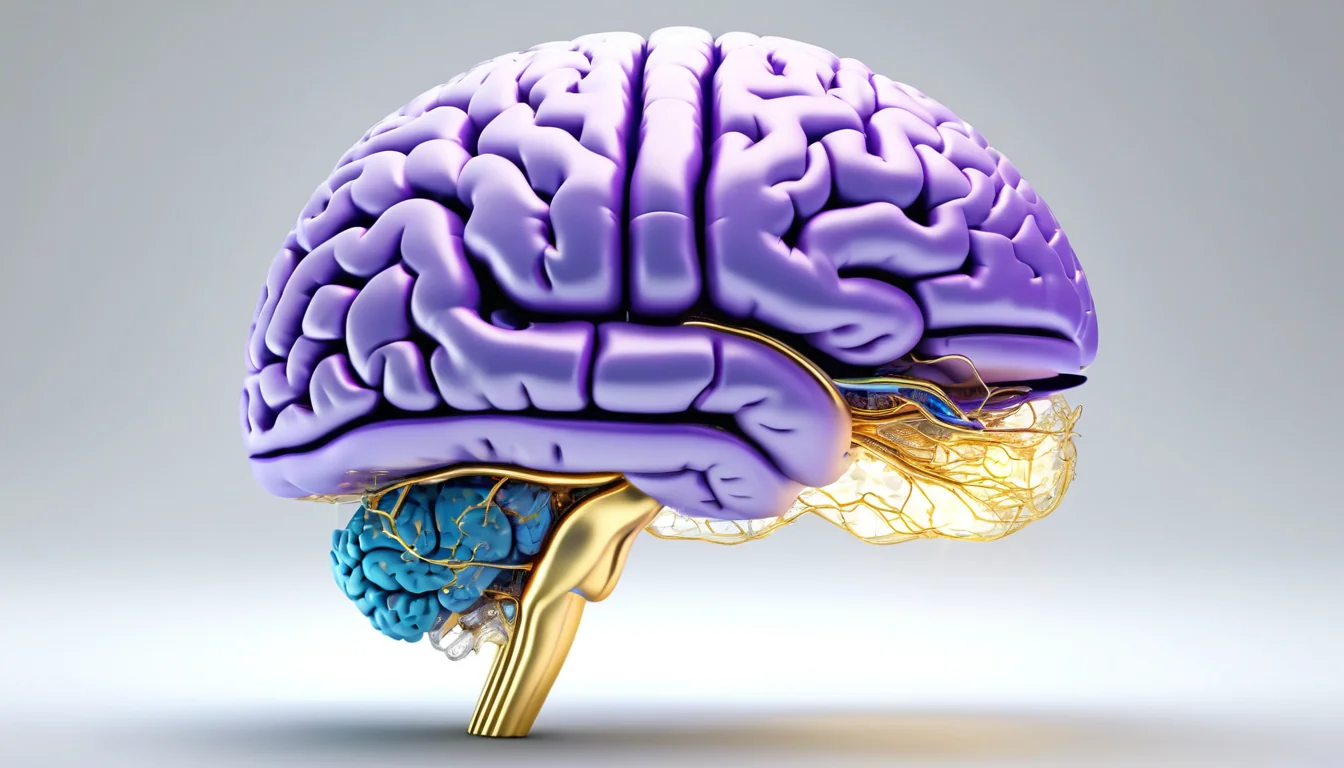
For more information, read our guide on how brain structures influence mental health support in Canada.
If you experience chest pain, severe difficulty breathing, or feel like you might lose consciousness, go to the emergency room or call 911. These symptoms can overlap with serious heart conditions, and it is always better to be safe. Once a medical cause has been ruled out, your doctor can help you confirm whether anxiety and panic attacks are the source.
Key Takeaways
- Anxiety and panic attacks are common, treatable mental health conditions that affect millions of Canadians
- Symptoms range from racing heartbeat and sweating to intense feelings of dread and chest tightness
- There are several types of anxiety disorders, including GAD, panic disorder, social anxiety disorder, OCD, and PTSD
- Causes are complex and include genetics, brain chemistry, trauma, and ongoing stress
- Effective treatments include Cognitive Behavioural Therapy (CBT), medication, and healthy lifestyle habits
- Deep abdominal breathing is a simple, immediate technique to help manage hyperventilation during an anxious moment
- If anxiety is affecting your daily life, speak with your family doctor or visit a walk-in clinic — help is available
- Always consult a qualified healthcare professional before starting any treatment for anxiety
Frequently Asked Questions
What is the difference between anxiety and panic attacks?
Anxiety is a prolonged state of worry or apprehension that builds gradually, while panic attacks are sudden, intense episodes of overwhelming fear that peak within minutes. Anxiety is ongoing; panic attacks are acute. Both can occur together, but panic attacks involve distinct physical symptoms like chest pain, shortness of breath, and dizziness.
What are the symptoms of anxiety and panic attacks?
Common symptoms include rapid heartbeat, chest tightness, shortness of breath, dizziness, sweating, trembling, and a sense of impending doom. Anxiety symptoms tend to be persistent and lower in intensity, while panic attack symptoms are sudden and severe, typically lasting 5 to 20 minutes before subsiding on their own.
How are panic attacks treated in Canada?
Treatment typically includes cognitive behavioural therapy (CBT), which is widely available through provincial mental health programs, and medications such as SSRIs or benzodiazepines prescribed by a doctor. Many Canadians also access treatment through online therapy platforms, community mental health centres, and employee assistance programs covered by workplace benefits.
Can you prevent panic attacks from happening?
Yes, panic attacks can often be prevented or reduced in frequency. Effective strategies include regular exercise, limiting caffeine and alcohol, practicing deep breathing or mindfulness, maintaining consistent sleep, and completing CBT to identify triggers. Working with a healthcare provider to develop a personalized management plan significantly reduces recurrence over time.
When should you see a doctor about anxiety and panic attacks?
See a doctor if panic attacks occur frequently, cause you to avoid daily activities, or significantly affect your quality of life. Seek emergency care if you experience chest pain or difficulty breathing, as these can mimic heart attacks. Early medical assessment ensures proper diagnosis and access to effective Canadian mental health resources.

About the Author
Dr. Sarah Mitchell, MDDr. Sarah Mitchell is a board-certified family physician with over 15 years of clinical experience. She completed her MD at the University of Toronto and her residency at Toronto General Hospital. Dr. Mitchell specializes in preventive medicine and chronic disease management. She is a member of the College of Family Physicians of Canada (CFPC) and has published over 30 peer-reviewed articles on preventive health care.
View all articles →