Anxiety and Depression: Signs, Causes & Treatment Canada

Share
Anxiety and depression are two of the most common mental health conditions affecting Canadians today, disrupting sleep, relationships, and the ability to get through daily life. Whether you experience persistent worry, low mood, or both, understanding these conditions is the first step toward feeling better.
Understanding Anxiety and Depression: What Every Canadian Should Know
The good news is that both conditions are highly treatable with the right support. This guide explains the signs of anxiety and depression, what causes them, and the most effective treatment options available in Canada — including when it is time to talk to your family doctor or visit a walk-in clinic for help with your mental health.
What Is Anxiety — and Can You Have Too Much of It?
| Treatment Option | How It Helps | Key Benefits | Considerations |
|---|---|---|---|
| Cognitive Behavioural Therapy (CBT) | Helps identify and change negative thought patterns and behaviours contributing to anxiety and depression | Evidence-based; long-lasting results; no medication side effects | Requires time commitment; waitlists may be long through provincial health systems |
| Antidepressants (SSRIs/SNRIs) | Regulates serotonin and norepinephrine levels to improve mood and reduce anxiety symptoms | Effective for moderate to severe cases; widely covered by provincial drug plans | May take 4–6 weeks to work; possible side effects including nausea and sleep changes |
| Mindfulness-Based Stress Reduction (MBSR) | Teaches present-moment awareness to reduce rumination and emotional reactivity | Low risk; accessible online; complements other treatments | Requires consistent practice; may not be sufficient as a standalone treatment for severe cases |
| Exercise Therapy | Increases endorphins and reduces cortisol, improving mood and reducing anxiety symptoms | Free or low-cost; improves overall physical health; no prescription needed | Motivation can be difficult during depressive episodes; benefits require regular activity |
| Psychiatry and Medication Management | Specialist oversight for complex or treatment-resistant anxiety and depression cases | Tailored medication plans; access to advanced treatments like rTMS | Long referral wait times in many Canadian provinces; typically requires GP referral |
Some anxiety is completely normal. It can sharpen your focus before a big meeting or help you react quickly in a dangerous situation. However, too much anxiety can work against you. When anxiety becomes overwhelming, it can interfere with your daily life and your ability to function.
Think of anxiety like a car alarm. It is helpful when something is actually wrong. But when it goes off constantly for no clear reason, it becomes a problem that needs attention.
Common Causes of Anxiety
Anxiety and depression often share similar triggers. Anxiety can be caused by many things, including:
- Ongoing stress at work or at home
- Medical conditions such as thyroid disorders
- Psychiatric conditions such as panic disorder or depression
- Certain medications or substances, including caffeine
- Poor sleep habits or an unhealthy diet
For many people, the most common cause is simply feeling unable to cope with the demands of daily life. Physical or emotional pressure builds up until the body sends a warning signal — and that signal is anxiety.
In younger Canadians, psychiatric conditions are a particularly frequent cause of high anxiety levels. If you are a student or young adult experiencing persistent anxiety, it is worth taking seriously. Health Canada offers mental health resources for Canadians of all ages.
How to Reduce Anxiety in Your Daily Life
The most effective way to manage anxiety is to reduce the sources of stress in your life while also building your ability to cope. Both steps matter equally. Focusing on just one of them often is not enough.
Reducing Your Stress Load
Sometimes the best thing you can do is simply take something off your plate. For example, this might mean dropping a course, cutting back your work hours, or saying no to a social obligation. Giving yourself permission to do less can feel difficult, but it is a genuinely healthy choice.
It is important to recognise that rest is not laziness. Your body and mind need recovery time, just like your muscles do after exercise.
Building Your Coping Strength
In addition to reducing stress, you can strengthen your ability to handle it. Practical strategies include:
- Regular physical activity — even a 30-minute walk helps
- Adequate sleep — most adults need seven to nine hours per night
- A balanced diet — rich in vegetables, whole grains, and fibre
- Better time management — planning your day reduces last-minute panic
- Scheduled rest periods — build breaks into your routine
Relaxation Techniques That Actually Work
Relaxation strategies are most effective when you use them consistently, before anxiety gets too high. When anxiety is already at its peak, it is much harder to calm yourself down. Think of these techniques as daily maintenance rather than emergency tools.
Helpful techniques include progressive muscle relaxation, guided meditation, deep breathing exercises, and simply listening to calming music. Many free apps and programmes are available to guide you through these practices.
Most anxiety disorders respond very well to treatment. Treatment may include the strategies above, prescription medication, psychotherapy, or a combination of all three. Your family doctor is a great first step in figuring out the right approach for you.
What Is Depression?
Many Canadians use the word “depressed” casually, to mean feeling sad or discouraged. However, clinical depression is different from ordinary sadness. It is a medical condition that lasts for at least two weeks and affects far more than just your mood.
Depression does not simply go away when you decide to cheer up. It affects your thoughts, your body, your energy, and your behaviour. It is not a sign of weakness, and it is not something you can just “push through” on your own.
Anxiety and depression frequently occur together. In fact, it is common for someone with an anxiety disorder to also be diagnosed with depression, and vice versa.
Types of Depression
There are several recognised forms of depressive illness. The most important ones include:
- Depressive episode — can range from mild to severe, sometimes with loss of touch with reality
- Recurrent depressive disorder — repeated episodes of depression over time
- Bipolar disorder — also called manic-depressive illness, involving alternating episodes of depression and mania
Each type requires a different treatment approach, which is why a proper diagnosis from a qualified healthcare professional matters so much.
Recognising the Symptoms of Depression
Depression tends to appear in early adulthood, though it can develop at any age. Beyond persistent low mood, symptoms of anxiety and depression can overlap and may include:
- Changes in appetite — significant weight gain or loss
- Sleep problems — sleeping too much or too little
- Loss of interest in activities you used to enjoy
- Difficulty concentrating or making decisions
- Persistent fatigue or low energy
- Feelings of guilt or worthlessness without a clear reason
- Physical symptoms such as headaches or digestive problems
- Thoughts of death or suicide
If you or someone you know is experiencing thoughts of suicide, please reach out immediately. In Canada, you can call or text 9-8-8, the Suicide Crisis Helpline, available 24 hours a day, seven days a week.
Does Depression Affect Men and Women Differently?
Research shows that depression affects women about twice as often as men. However, this does not necessarily mean women experience depression more frequently. It may partly reflect the fact that women are more likely to seek help and therefore receive a formal diagnosis.
Studies suggest that men and women often respond to depression in different ways. Men tend to distract themselves through physical activity or by avoiding thinking about the problem. Women are more likely to reflect on their feelings, talk to others, or cry to release tension. Neither approach is wrong, but understanding these differences can help families and healthcare providers offer better support.
Furthermore, because men often mask their symptoms, depression in men frequently goes undiagnosed and untreated. The Mayo Clinic provides a helpful overview of depression symptoms in both men and women.
Treatment Options for Anxiety and Depression
Both anxiety and depression are highly treatable. Research shows that between 80 and 90 percent of people with depression see significant improvement with proper treatment. Almost everyone who receives treatment experiences at least some relief from symptoms.
Psychotherapy
Psychotherapy — sometimes called talk therapy — is a highly effective treatment for both anxiety and depression. It can be delivered one-on-one or in a group setting. Therapists, psychologists, social workers, and psychiatrists all provide different forms of psychotherapy.
In Canada, access to publicly funded mental health services varies by province. Your provincial health plan may cover some therapy sessions, especially if you are referred by your family doctor. Many Employee Assistance Programmes (EAPs) also cover several therapy sessions at no cost to you.
Medication
Antidepressant medications are commonly prescribed for both depression and certain anxiety disorders. These medications are not habit-forming. However, they do take time to work — typically about two weeks before you notice a difference.
As a result, it is important to keep taking them as prescribed even if you do not feel better right away. Side effects, when they do occur, are usually mild and temporary. Always ask your doctor about the risks and benefits before starting any new medication, and never take antidepressants without medical supervision.
The World Health Organization outlines global approaches to depression treatment and prevention.
When to See a Doctor
You should speak with a healthcare provider if your anxiety or depression lasts more than two weeks, interferes with your daily life, or feels unmanageable on your own. You do not need to wait until things get severe.
In Canada, your first point of contact can be your family doctor, a walk-in clinic, or a nurse practitioner. They can assess your symptoms, rule out medical causes such as thyroid problems, and refer you to a mental health specialist if needed. Most provincial health plans cover these initial visits at no direct cost to you.
If you are in crisis or having thoughts of self-harm, go to your nearest emergency department or call 9-8-8 immediately. You are not alone, and help is available.
Frequently Asked Questions
What is the difference between anxiety and depression?
Anxiety involves excessive worry, fear, or nervousness about future events or situations. Depression is characterised by persistent low mood, loss of interest, and fatigue that lasts at least two weeks. Anxiety and depression are separate conditions, but they often occur together in the same person.
Can anxiety and depression be treated without medication?
Yes, many people manage anxiety and depression effectively through psychotherapy, lifestyle changes, and stress reduction techniques alone. However, for moderate to severe cases, medication combined with therapy tends to produce the best results. Talk to your family doctor to find the right approach for your situation.
How long does it take for antidepressants to work?
Most antidepressants take about two weeks to begin working, and the full benefit is often felt after four to six weeks of consistent use. It is important not to stop taking them early just because you do not notice an immediate change. Always follow your doctor’s guidance when starting or stopping any medication.
Are anxiety and depression covered under provincial health plans in Canada?
Visits to your family doctor or a walk-in clinic for anxiety and depression are generally covered by provincial health plans across Canada. Coverage for psychotherapy and counselling varies by province and individual circumstances. Ask your doctor about referrals to publicly funded mental health services in your area.
What are the warning signs that anxiety or depression is becoming serious?
Warning signs that anxiety and depression require urgent attention include thoughts of suicide or self-harm, inability to carry out daily tasks, significant weight changes, and complete withdrawal from friends and family. If you or someone you know is showing these signs, contact a healthcare provider or call 9-8-8 right away.
Does exercise really help with anxiety and depression?
According to Government of Canada mental health resources, this information is supported by current medical research.
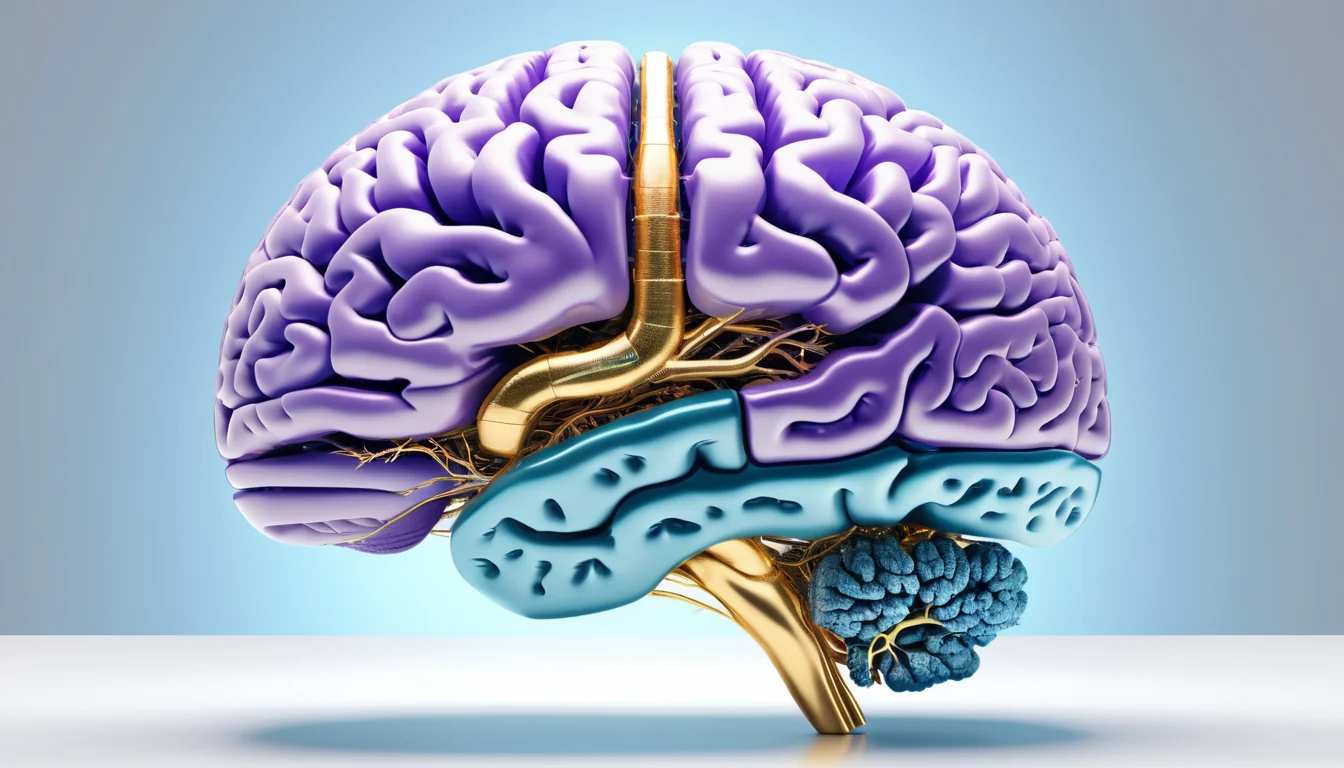
For more information, read our guide on how brain structures affect mental health.
Yes, regular physical activity is one of the most well-supported non-medication treatments for both anxiety and depression. Even moderate exercise, such as a brisk 30-minute walk most days, can meaningfully improve mood and reduce stress. Exercise works best as part of a broader treatment plan that may also include therapy or medication.
Key Takeaways
- Anxiety and depression are common, serious, and very treatable mental health conditions.
- Too much anxiety interferes with daily life and can be caused by stress, medical issues, or psychiatric conditions.
- Depression lasts at least two weeks and affects mood, energy, sleep, appetite, and concentration.
- Both conditions often occur together, and both respond well to therapy, lifestyle changes, and medication.
- Antidepressants are safe, non-habit-forming, and effective — but they take time to work.
- Canadians can access support through their family doctor, walk-in clinic, or provincial mental health programmes.
- If you are in crisis, call or text 9-8-8 — Canada’s Suicide Crisis Helpline — any time, day or night.
- Always speak with a qualified healthcare provider before starting or stopping any treatment for anxiety or depression.
Frequently Asked Questions
What is the difference between anxiety and depression?
Anxiety involves excessive worry, fear, and nervousness about future events, while depression is characterized by persistent sadness, hopelessness, and loss of interest in daily activities. Although distinct conditions, anxiety and depression frequently occur together, sharing overlapping symptoms like sleep disturbances, fatigue, and difficulty concentrating, and often require similar treatments.
What are the most common symptoms of anxiety and depression in adults?
Common symptoms of anxiety and depression include persistent sadness, excessive worry, irritability, fatigue, changes in sleep and appetite, difficulty concentrating, and feelings of hopelessness. Physical symptoms such as headaches, muscle tension, and digestive issues are also frequently reported. Symptoms must persist for at least two weeks to indicate a clinical condition.
How are anxiety and depression treated in Canada?
In Canada, anxiety and depression are typically treated through cognitive behavioural therapy (CBT), prescription medications such as SSRIs or SNRIs, or a combination of both. Lifestyle changes including regular exercise, stress management, and social support also play a key role. Treatment is available through family doctors, psychologists, and provincial mental health programs.
Can anxiety and depression be prevented?
While anxiety and depression cannot always be fully prevented, certain strategies significantly reduce risk. Regular physical activity, maintaining strong social connections, managing chronic stress, limiting alcohol consumption, and getting adequate sleep are all protective factors. Early intervention at the first sign of symptoms can also prevent conditions from worsening.
When should you see a doctor for anxiety or depression symptoms?
You should see a doctor if symptoms of anxiety or depression persist for more than two weeks, interfere with work, relationships, or daily functioning, or include thoughts of self-harm. In Canada, you can start with your family doctor or call a provincial mental health crisis line for immediate support and referrals.

About the Author
Dr. Linda Chen, RD, PhDDr. Linda Chen is a registered dietitian and PhD in Nutritional Sciences from the University of British Columbia. With expertise in clinical nutrition, sports dietetics, and gut health, she has worked with leading Canadian hospitals and sports organizations. Dr. Chen is a member of Dietitians of Canada and regularly contributes to national nutrition policy discussions.
View all articles →