Appendix Function: How It Protects Your Gut (2025)

Share
The appendix function has puzzled doctors and scientists for generations — many once dismissed this small, finger-shaped pouch as completely useless. However, groundbreaking research from Duke University Medical Center now reveals the appendix plays a vital role in protecting the beneficial bacteria living in your gut, reshaping how we think about this often-overlooked organ.
The Appendix Function: What Science Now Tells Us About Gut Protection
For everyday Canadians, understanding what the appendix does for digestive health matters more than you might expect. This guide explains the science behind the appendix purpose, how it supports your immune system, and when to seek medical attention — all based on the latest peer-reviewed evidence.
What Is the Appendix?
| Symptom | Description | Severity Level | Recommended Action |
|---|---|---|---|
| Pain around the navel | Dull, cramping pain that begins near the belly button and gradually shifts to the lower right abdomen over 12–24 hours | Moderate | Monitor closely; seek medical attention if pain worsens or migrates |
| Lower right abdominal pain | Sharp, localized pain at McBurney’s point (between the navel and right hip); worsens with movement, coughing, or deep breathing | Severe | Go to the nearest emergency department immediately |
| Nausea and vomiting | Nausea typically follows the onset of abdominal pain; vomiting may occur but is usually not persistent | Moderate | Do not eat or drink; seek prompt medical evaluation |
| Fever | Low-grade fever between 37.5°C and 38.5°C; rising fever above 39°C may indicate perforation or abscess | Moderate to Severe | Seek emergency care, especially if fever exceeds 38.5°C |
| Loss of appetite | Sudden disinterest in food, often one of the earliest warning signs accompanying initial abdominal discomfort | Mild to Moderate | Note onset time and monitor for worsening symptoms |
| Abdominal rigidity and rebound tenderness | Muscles of the abdomen become stiff; pain intensifies when pressure is suddenly released — a sign of peritoneal irritation | Severe — Medical Emergency | Call 911 or go to the emergency department without delay |
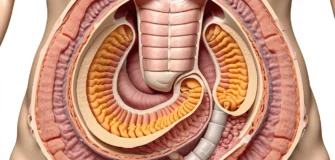
The appendix is a small, finger-shaped pouch. It sits where the small intestine meets the large intestine in the lower right side of your abdomen.
It measures roughly 3 to 5 centimetres in length. Unlike many other organs, it can move around slightly inside the body.
For a long time, most doctors and scientists believed the appendix was a leftover from our evolutionary past. They thought it had no clear job in the modern human body. However, that view is now changing.
A History of Debate
The role of the appendix has been debated in the scientific community for many years. Early researchers dismissed it as a vestigial organ — meaning one that had lost its original purpose over time.
In addition, because people can live perfectly well after having their appendix removed, many assumed it was completely unnecessary. However, living without an organ does not always mean that organ had no value.
Recent studies have changed this thinking. Scientists now point to strong evidence that the appendix plays an active role in gut health.
The Appendix Function: Protecting Your Good Bacteria
Researchers now believe the primary appendix function is to act as a safe house for beneficial gut bacteria. These are the helpful microorganisms that live in your digestive tract and support healthy digestion.
Your gut contains trillions of bacteria. Most of them are harmless or actively helpful. They break down food, produce vitamins, and support your immune system.
However, certain events — like a serious bout of diarrhea — can flush most of these bacteria out of your intestines. This leaves your gut temporarily empty of the microorganisms it needs to work properly.
How the Appendix Helps After Illness
According to the Duke University research, the appendix acts as a reservoir during these moments of crisis. The good bacteria living inside the appendix can survive a diarrheal episode that wipes out much of the rest of the gut.
After the illness passes, these bacteria move out of the appendix and repopulate the large intestine. As a result, your digestive system can recover more quickly and effectively.
Think of the appendix as a biological backup drive. When your gut gets wiped clean by illness, the appendix helps restore the system. This is a meaningful function, especially in parts of the world where gastrointestinal illnesses are common.
The Biofilm: A Protective Layer Inside Your Gut
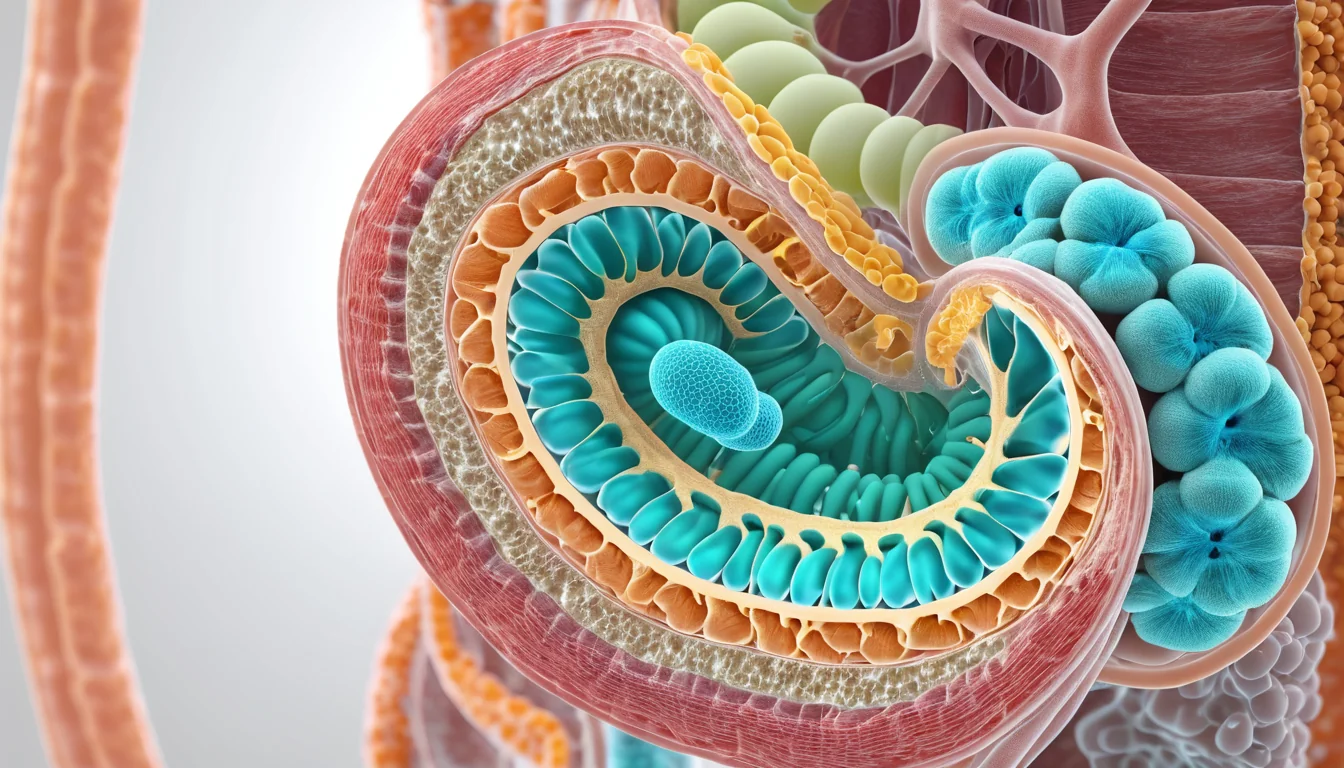
To understand the appendix function fully, it helps to know about something called the biofilm. The biofilm is a thin layer that lines the inside surface of your intestines.
This layer contains bacteria, mucus, and immune cells. It works as a protective coating that supports healthy gut function.
Interestingly, the biofilm is thickest at the appendix. It gradually becomes thinner as you move further away from the appendix along the intestine. This pattern suggests the appendix plays a central role in producing and maintaining this protective layer.
What the Biofilm Does for You
The biofilm helps anchor good bacteria to the intestinal wall. This makes them harder to wash away during episodes of illness.
Furthermore, the biofilm creates a controlled environment where beneficial bacteria can thrive. It shields them from harmful substances and invading pathogens — the germs that cause disease.
Without a healthy biofilm, your gut bacteria would be far more vulnerable. The appendix, by producing the densest section of this layer, helps keep the entire system stable.
Your Immune System and the Appendix
Another key part of the appendix function involves the immune system. Scientists have found large amounts of lymphatic tissue inside the appendix. Lymphatic tissue is a core component of your immune defences.
Immune cells found in the appendix appear to serve a protective purpose. They help guard the colonies of good bacteria living in the biofilm.
Therefore, the appendix does two related jobs at once. It provides a physical safe space for gut bacteria, and it also deploys immune cells to defend those bacteria from attack.
The Gut as a Two-Way Partnership
The relationship between your body and your gut bacteria is a partnership. Your digestive tract gives the bacteria shelter and nutrients. In return, the bacteria help you digest food and fight off harmful germs.
The appendix sits at the heart of this partnership. It helps maintain the bacteria your body depends on, while your immune system keeps those bacteria safe.
In addition, researchers believe the immune cells in the appendix may help train the broader immune system to recognize friendly bacteria versus harmful ones. This could have implications far beyond digestion alone.
What This Means for Your Digestive Health
This research gives us a new way to think about gut health. Your digestive system is not just a tube that processes food. It is a complex ecosystem that needs to stay balanced to keep you well.
Good bacteria in your gut — sometimes called your gut microbiome — affect everything from digestion to mood to immune function. Healthline has a helpful overview of the gut microbiome and its effects on overall health.
Keeping your gut bacteria healthy matters. Eating a diet rich in fibre, staying hydrated, and avoiding unnecessary antibiotics all support a balanced microbiome. Many Canadians can also speak with their family doctor about probiotic options if they have recently recovered from a gut illness.
Does Removing the Appendix Cause Problems?
Many Canadians have had their appendix removed due to appendicitis. This is a very common and often necessary surgery. In most cases, people recover fully and live healthy lives without their appendix.
However, some research suggests that people without an appendix may take longer to recover their gut bacteria after a serious gastrointestinal illness. The body can still rebuild its microbiome — it may simply take more time.
If you have had your appendix removed and you experience ongoing digestive issues, it is worth speaking with your family doctor. They can assess your gut health and suggest appropriate steps. You can also learn more about appendicitis symptoms and treatment at Mayo Clinic.
When to See a Doctor
While understanding the appendix function is fascinating, it is also important to know when to seek medical help. Appendicitis — inflammation of the appendix — is a medical emergency.
Symptoms of appendicitis include sudden pain in the lower right abdomen, nausea, vomiting, fever, and loss of appetite. If you experience these symptoms, do not wait. Go to your nearest emergency room immediately.
For less urgent digestive concerns — such as ongoing bloating, diarrhea, or changes in bowel habits — start with your family doctor or a walk-in clinic. Most provincial health plans in Canada cover these visits, so there is no reason to delay getting checked. Health Canada provides information on accessing health care services across the country.
Your doctor can refer you to a gastroenterologist if needed. Always consult a qualified healthcare provider before making changes to your diet or health routine based on new research.
Frequently Asked Questions About Appendix Function
What is the function of the appendix in the human body?
The appendix function appears to include protecting and storing beneficial gut bacteria. Research suggests it acts as a reservoir that helps repopulate the intestines with good bacteria after illness. It also contains immune tissue that may help defend those bacteria from harmful germs.
Can you live without an appendix?
Yes, most people live healthy, normal lives after having their appendix removed. However, some studies suggest recovery from gut illnesses may take slightly longer without it. Speaking with your family doctor about gut health support after an appendectomy is always a good idea.
Is the appendix really a useless organ?
No — newer research shows the appendix is not useless. Scientists now believe the appendix function includes sheltering helpful gut bacteria and supporting the immune system. The old idea that it is a purely vestigial organ has largely been replaced by this updated understanding.
What is a biofilm and why does it matter for digestion?
A biofilm is a thin protective layer on the inside surface of your intestines, made up of bacteria, mucus, and immune cells. It helps anchor good bacteria to the gut wall so they are not easily flushed away during illness. The biofilm is thickest near the appendix, which highlights the organ’s role in gut health.
What are the signs of appendicitis I should watch for?
The main signs of appendicitis include sharp pain in the lower right abdomen, fever, nausea, and vomiting. If you experience these symptoms suddenly, treat it as a medical emergency and go to the nearest hospital right away. Do not eat or drink anything until you have been assessed by a doctor.
How can I support my gut bacteria naturally?
According to Mayo Clinic’s overview of appendicitis symptoms and causes, this information is supported by current medical research.
For more information, read our guide on learn how other organs like the kidneys support your digestive health.
Eating a diet high in fibre — including vegetables, fruits, and whole grains — helps feed good gut bacteria. Staying hydrated, limiting processed foods, and using antibiotics only when necessary also support a healthy microbiome. Talk to your family doctor or a walk-in clinic provider for personalized advice on gut health.
Key Takeaways
- The appendix function is no longer considered a mystery — research shows it protects and stores beneficial gut bacteria.
- The appendix acts as a safe house for good bacteria during and after diarrheal illness, helping to restore the gut microbiome.
- A dense biofilm — containing bacteria, mucus, and immune cells — lines the appendix and supports gut health throughout the intestine.
- Lymphatic tissue in the appendix suggests it plays an active role in immune defence, protecting good bacteria from harmful germs.
- People who have had their appendix removed can still maintain good gut health, but may benefit from extra support after gastrointestinal illness.
- Appendicitis is a medical emergency — always seek immediate care if you have sudden, severe pain in the lower right abdomen.
- For ongoing digestive concerns, speak with your family doctor or visit a walk-in clinic. Most provincial health plans cover these visits.
- Always consult a healthcare professional before making significant changes to your diet or health routine.
Frequently Asked Questions
What is the appendix function in the human body?
The appendix is a small, finger-shaped pouch attached to the large intestine. Its function includes storing beneficial gut bacteria, supporting immune system development, and helping repopulate the digestive tract after illness. Once considered useless, research now suggests the appendix plays a protective role in maintaining healthy gut microbiome balance.
What are the warning signs of appendicitis in adults?
Common appendicitis symptoms include sudden pain starting around the navel that shifts to the lower right abdomen, nausea, vomiting, fever, and loss of appetite. Pain typically worsens with movement. In Canada, appendicitis affects roughly 1 in 1,000 people annually and requires prompt medical attention to avoid rupture.
How does appendix function change after appendix removal?
After an appendectomy, most people live normally without significant health consequences. However, some research suggests removal may slightly alter gut microbiome diversity and immune response. The body compensates through other intestinal tissues. Long-term health outcomes remain largely unaffected for the majority of Canadians who undergo this common procedure.
Can you prevent appendicitis through diet or lifestyle changes?
There is no guaranteed way to prevent appendicitis, but a high-fibre diet rich in fruits, vegetables, and whole grains may reduce risk by preventing the intestinal blockages that trigger inflammation. Staying well hydrated and maintaining healthy digestion supports overall gut health and may lower your chances of developing this condition.
When should you go to the emergency room for appendix pain?
Seek emergency care immediately if you experience severe, worsening abdominal pain in the lower right side, especially with fever above 38°C, vomiting, or a rigid abdomen. These symptoms may indicate appendicitis or rupture. In Canada, call 911 or visit your nearest emergency department without delay, as a ruptured appendix is life-threatening.

About the Author
Dr. Linda Chen, RD, PhDDr. Linda Chen is a registered dietitian and PhD in Nutritional Sciences from the University of British Columbia. With expertise in clinical nutrition, sports dietetics, and gut health, she has worked with leading Canadian hospitals and sports organizations. Dr. Chen is a member of Dietitians of Canada and regularly contributes to national nutrition policy discussions.
View all articles →