
Irritable Bowel Syndrome: Symptoms, Causes & Treatment

Share
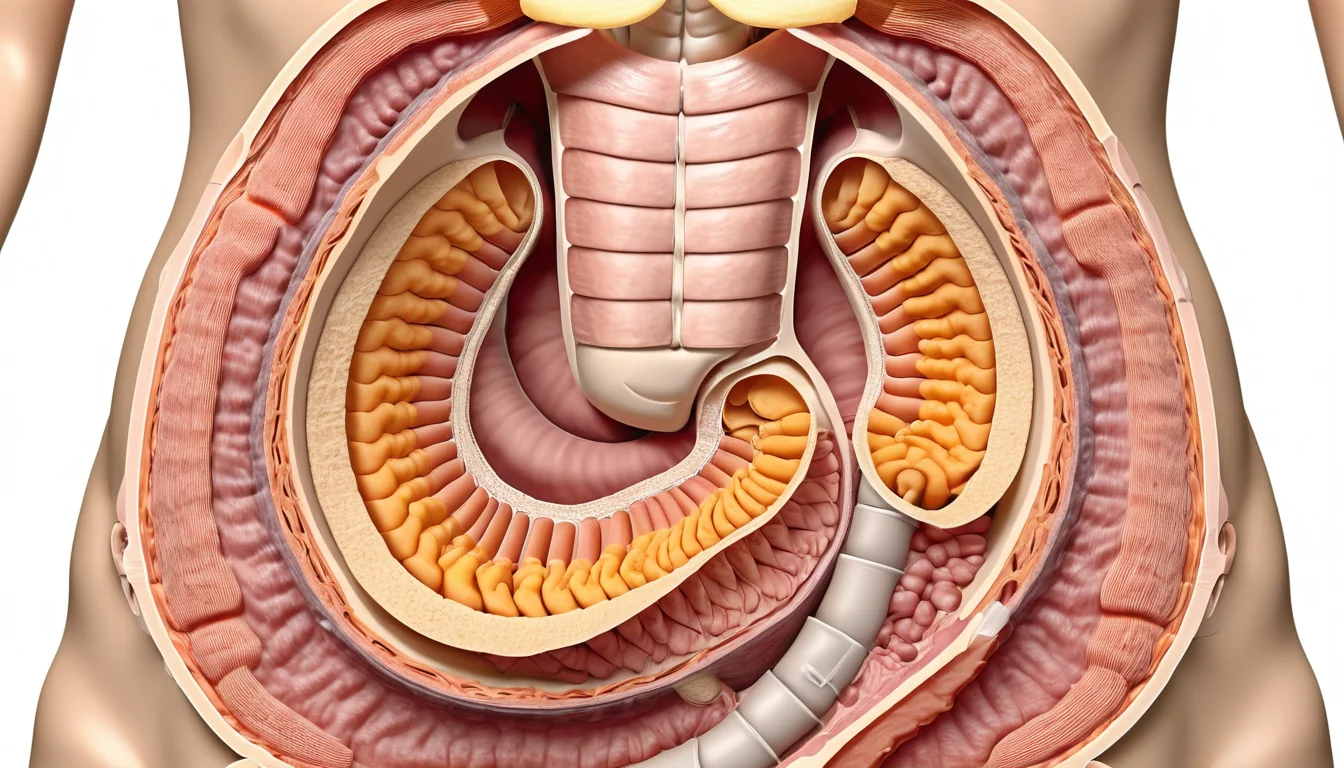
Irritable bowel syndrome (IBS) is one of the most common digestive conditions in Canada, affecting millions of Canadians with ongoing belly pain, bloating, and unpredictable changes in bowel habits. Symptoms can come and go over days, weeks, or even months, but the good news is that most people can manage the condition effectively with the right approach.
What Is Irritable Bowel Syndrome and How Does It Affect Canadians?
Whether you are newly diagnosed or have been living with IBS symptoms in Canada for years, understanding the causes, triggers, and treatment options can make a real difference. With proven lifestyle changes, dietary adjustments, and medical support when needed, Canadians with IBS can significantly improve their quality of life and take back control of their daily routine.
What Is Irritable Bowel Syndrome?
| Treatment Option | How It Helps | Benefits | Considerations |
|---|---|---|---|
| Low-FODMAP Diet | Reduces fermentable carbohydrates that trigger gut symptoms | Clinically proven to reduce bloating, gas, and abdominal pain in up to 75% of patients | Requires guidance from a registered dietitian; not intended as a permanent diet |
| Fibre Supplementation (e.g., Psyllium) | Regulates bowel movements and improves stool consistency | Widely available over-the-counter in Canada; helps both constipation and diarrhea subtypes | Must be taken with adequate water; may initially worsen bloating |
| Antispasmodic Medications (e.g., Hyoscine) | Relaxes intestinal muscle contractions to relieve cramping | Provides relatively fast relief from abdominal pain and spasms | Available by prescription in Canada; may cause dry mouth or constipation |
| Cognitive Behavioural Therapy (CBT) | Addresses the gut-brain connection by reducing stress and anxiety responses | Long-term symptom reduction; no medication side effects; covered by some provincial plans | Requires access to a trained therapist; results may take several weeks |
| Probiotics | Restores healthy gut microbiome balance to reduce inflammation and irregular motility | Generally safe; available without a prescription at Canadian pharmacies | Effectiveness varies by strain; consult a healthcare provider for appropriate product selection |
Irritable bowel syndrome is a long-term condition that affects the large intestine. It does not damage the bowel, but it can seriously affect your quality of life. Doctors do not fully understand what causes it, but many effective ways exist to ease the symptoms.
IBS is not the same as inflammatory bowel disease (IBD), such as Crohn’s disease or ulcerative colitis. IBD causes actual damage to the bowel lining. IBS does not. However, both conditions can cause similar discomfort and need proper medical attention.
Symptoms of Irritable Bowel Syndrome
IBS affects every person differently. The most common sign is ongoing belly pain or discomfort. Symptoms often improve after a bowel movement.
Other common symptoms include:
- Cramping and belly pain that eases after going to the bathroom
- Alternating bouts of diarrhoea and constipation
- Changes in how often you have a bowel movement
- Changes in the look or consistency of your stool
- Gas and bloating
- A feeling that your bowel is never fully empty
- Mucus in your stool
- Swelling or a distended belly
Symptoms may flare up for a period of time and then disappear completely. Stress, certain foods, and hormonal changes can all trigger a flare. For example, many people notice their symptoms get worse during stressful life events.
IBS Symptoms in Women vs. Men
IBS is more common in women than in men. Women often notice symptoms worsen around their menstrual cycle. Hormonal changes appear to play a role in how the gut behaves. If you notice a pattern with your symptoms, share that information with your family doctor.
What Causes Irritable Bowel Syndrome?
The exact causes of irritable bowel syndrome are not fully known. Researchers believe several factors work together to trigger the condition. Understanding these factors can help you manage your symptoms more effectively.
Gut Muscle Contractions
The walls of your intestines are lined with layers of muscle. These muscles contract and relax in a steady rhythm as food moves through your digestive tract. In people with IBS, these contractions can be stronger and last longer than normal. As a result, this can cause gas, bloating, and diarrhoea. Weak contractions, on the other hand, slow food passage and lead to constipation.
Nervous System Sensitivity
People with IBS often have an overly sensitive gut nervous system. The nerves in the intestine may react strongly to normal gas or pressure. This heightened sensitivity causes pain or discomfort that other people would not feel. This is sometimes called a “gut-brain connection.”
Family History
Having a close family member with irritable bowel syndrome increases your own risk. Genes may play a role, though researchers are still studying exactly how. If IBS runs in your family, mention this to your doctor.
Triggers
Many people with IBS react strongly to triggers that do not bother others. Common triggers include:
- Certain foods: Cruciferous vegetables (broccoli, cauliflower, cabbage, Brussels sprouts), beans, dairy products, and carbonated drinks
- Stress: Emotional stress does not cause IBS, but it can make symptoms much worse
- Medications: Some antibiotics and pain relievers can aggravate the gut
- Hormonal changes: Especially around menstruation
Keeping a food and symptom diary can help you identify your personal triggers. Share this diary with your healthcare provider for a clearer picture of your condition.
How Is Irritable Bowel Syndrome Diagnosed?
There is no single test that diagnoses irritable bowel syndrome. Your doctor will review your symptoms, medical history, and family history. A physical examination is also part of the process.
Your family doctor may order certain tests to rule out other conditions with similar symptoms. These can include:
- A blood test to rule out celiac disease (gluten intolerance), which causes similar digestive symptoms
- A stool sample to check for infection or inflammation
- In some cases, a colonoscopy to look inside the large intestine
Most Canadians can begin this process by speaking with their family doctor or visiting a walk-in clinic. Provincial health plans generally cover the cost of these initial tests. Therefore, do not hesitate to seek a proper diagnosis if your symptoms persist.
For more information on digestive health testing, visit Mayo Clinic’s guide to IBS diagnosis and treatment.
Managing Irritable Bowel Syndrome: Lifestyle and Diet
For most people, lifestyle and diet changes are the first and most effective line of treatment for irritable bowel syndrome. Small, consistent changes can make a big difference in how you feel day to day.
Eat More Fibre
Dietary fibre helps keep your bowel movements regular. It works by bulking up stool and reducing the chance of spasms in the intestine. Good sources of fibre include oats, whole grains, fruits, and vegetables. However, introduce fibre slowly into your diet, as adding too much too quickly can temporarily worsen gas and bloating.
Stay Hydrated
Drinking plenty of water is essential for managing IBS. Aim for at least six to eight glasses of water per day. Avoid carbonated drinks, as they often cause gas and belly discomfort. Limiting caffeine and alcohol is also a helpful step.
Eat Smaller, Regular Meals
Large meals can trigger cramping and diarrhoea in people with IBS. Eating smaller portions more frequently throughout the day puts less strain on your digestive system. Try not to skip meals, as irregular eating can also disrupt gut function.
Identify and Avoid Food Triggers
Certain foods are known to aggravate IBS symptoms. Cruciferous vegetables such as broccoli, cauliflower, and Brussels sprouts can cause gas and bloating. Legumes like beans and lentils may also be problematic for some people. Sorbitol, an artificial sweetener found in some sugar-free products, is another common trigger.
Temporarily cutting out dairy products can help you determine whether lactose intolerance is contributing to your symptoms. If you remove dairy from your diet, consider taking a calcium supplement to protect your bone health.
Manage Stress
Stress has a direct effect on gut behaviour in people with irritable bowel syndrome. Regular physical activity, adequate sleep, and relaxation techniques like deep breathing or yoga can all help reduce stress. Furthermore, some people benefit from cognitive behavioural therapy (CBT), which helps change the way you respond to stress and gut discomfort. Ask your family doctor for a referral if you think this could help you.
Quitting smoking is also strongly recommended. Smoking can worsen IBS symptoms and harm your overall digestive health.
Medical Treatment for Irritable Bowel Syndrome
Most people with irritable bowel syndrome only experience symptoms occasionally. However, some people need medical treatment to manage more persistent or severe symptoms. Your doctor can recommend the right options based on your specific situation.
For Constipation
If constipation is your main symptom, your doctor may recommend a high-fibre diet, increased fluid intake, and over-the-counter fibre supplements. Laxatives may also be prescribed for short-term relief. In addition, certain prescription medications are available that specifically target IBS-related constipation.
For Diarrhoea
If diarrhoea is your main concern, your doctor may suggest reducing high-fibre foods temporarily. Avoiding sorbitol-containing products can also help. Over-the-counter anti-diarrhoeal medications may provide relief. Staying well hydrated is especially important when diarrhoea is frequent, as your body loses water quickly.
For Pain and Cramping
Antispasmodic medications can help relieve belly cramping and pain. Low-dose antidepressants are sometimes prescribed to calm nerve signals in the gut. Your doctor will help you weigh the benefits and potential side effects of each option.
For a comprehensive overview of IBS treatment approaches, Healthline’s IBS resource offers helpful information. You can also find trusted guidance on digestive health from Health Canada.
When to See a Doctor About Irritable Bowel Syndrome
You should see your family doctor if you have ongoing belly pain, bloating, or changes in your bowel habits that last more than a few weeks. Do not ignore symptoms that are affecting your daily life. A walk-in clinic is also a good option if you cannot get a timely appointment with your regular doctor.
Seek immediate medical attention if you notice any of the following:
- Blood in your stool
- Unexplained weight loss
- Persistent vomiting
- Difficulty swallowing
- Symptoms that wake you up at night
- Belly pain that does not improve after a bowel movement
These symptoms may point to a more serious condition that needs urgent investigation. Your provincial health plan covers visits to your family doctor and referrals to a gastroenterologist when needed. Therefore, do not delay in seeking care.
Frequently Asked Questions About Irritable Bowel Syndrome
Is irritable bowel syndrome a serious condition?
Irritable bowel syndrome is a chronic condition, but it does not damage the bowel or increase your risk of serious diseases like colon cancer. However, IBS can significantly affect your quality of life. With the right management plan, most people are able to keep their symptoms well under control.
What foods should I avoid if I have IBS?
Common food triggers for irritable bowel syndrome include cruciferous vegetables, beans, dairy products, carbonated drinks, caffeine, and foods containing the sweetener sorbitol. Triggers vary from person to person, so keeping a food diary is a helpful way to identify what affects you specifically. Talk to your doctor or a registered dietitian for personalised advice.
Can stress cause IBS to flare up?
Yes, stress is one of the most common triggers for irritable bowel syndrome flare-ups. The gut and brain are closely connected, so emotional stress can directly affect how your intestines behave. Managing stress through exercise, relaxation techniques, or therapy can help reduce the frequency and severity of IBS symptoms.
How is IBS diagnosed in Canada?
There is no single test for irritable bowel syndrome. Your family doctor will review your symptoms and may order blood tests, a stool sample, or other tests to rule out conditions like celiac disease or inflammatory bowel disease. Most of these tests are covered under provincial health plans across Canada.
Can IBS go away on its own?
Irritable bowel syndrome is a long-term condition, but symptoms often come and go. Some people find that their symptoms improve significantly over time with lifestyle changes and proper management. However, IBS rarely disappears completely, so ongoing attention to diet, stress, and health habits remains important.
Does fibre help or hurt IBS?
According to Mayo Clinic’s guide to irritable bowel syndrome, this information is supported by current medical research.
For more information, read our guide on blood tests explained for Canadians.
Fibre can be helpful or harmful for irritable bowel syndrome depending on the type and the individual. Soluble fibre, found in oats and bananas, tends to ease symptoms for many people. Insoluble fibre, found in wheat bran, may worsen bloating and gas in some individuals. It is best to increase fibre slowly and note how your body responds.
Key Takeaways
- Irritable bowel syndrome is a common, long-term digestive condition that affects the large intestine.
- Symptoms include belly pain, bloating, diarrhoea, and constipation, and they can come and go over time.
- The exact cause is unknown, but triggers include certain foods, stress, and an overly sensitive gut nervous system.
- Lifestyle changes — including a high-fibre diet, regular meals, proper hydration, and stress management — are the foundation of IBS treatment.
- Medical treatments are available for more persistent symptoms, including fibre supplements, antispasmodics, and prescription medications.
- See your family doctor or visit a walk-in clinic if symptoms persist or affect your daily life.
- Always speak with a healthcare professional before making significant changes to your diet or starting any new medication.
Frequently Asked Questions
What is irritable bowel syndrome?
Irritable bowel syndrome (IBS) is a chronic gastrointestinal disorder affecting the large intestine. It causes recurring abdominal pain, bloating, and changes in bowel habits without visible damage to the digestive tract. IBS affects roughly 13–20% of Canadians and is classified as a functional gut disorder, meaning digestive function is disrupted despite no structural abnormalities.
What are the symptoms of irritable bowel syndrome?
Common IBS symptoms include cramping abdominal pain, bloating, excess gas, diarrhea, constipation, or alternating between both. Symptoms are often triggered by eating, stress, or hormonal changes. Many Canadians also experience mucus in stool and a feeling of incomplete bowel movements. Symptoms typically worsen during flare-ups and improve temporarily after a bowel movement.
How is IBS treated in Canada?
IBS treatment in Canada focuses on symptom management through dietary changes such as a low-FODMAP diet, stress reduction, regular exercise, and medications. Depending on your IBS type, doctors may recommend antispasmodics, laxatives, anti-diarrheal agents, or antidepressants. Cognitive behavioural therapy (CBT) and gut-directed hypnotherapy are also evidence-based options covered by some provincial health plans.
Can diet help prevent IBS flare-ups?
Yes, dietary adjustments can significantly reduce IBS flare-ups. The low-FODMAP diet, developed by Monash University, is clinically proven to relieve symptoms in up to 75% of IBS patients. Avoiding trigger foods like caffeine, alcohol, fatty meals, and high-fibre foods during flares, staying hydrated, and eating smaller, regular meals also help prevent symptom episodes.
When should you see a doctor about IBS symptoms?
See a doctor if you experience unexplained weight loss, rectal bleeding, persistent severe abdominal pain, symptoms waking you at night, or IBS symptoms beginning after age 50. These red flag signs may indicate a more serious condition such as inflammatory bowel disease or colorectal cancer. A Canadian family physician can arrange appropriate testing and referrals to a gastroenterologist.

About the Author
Dr. Linda Chen, RD, PhDDr. Linda Chen is a registered dietitian and PhD in Nutritional Sciences from the University of British Columbia. With expertise in clinical nutrition, sports dietetics, and gut health, she has worked with leading Canadian hospitals and sports organizations. Dr. Chen is a member of Dietitians of Canada and regularly contributes to national nutrition policy discussions.
View all articles →