Abdominal Cramps: Causes, Symptoms & Relief (Canada)

Share
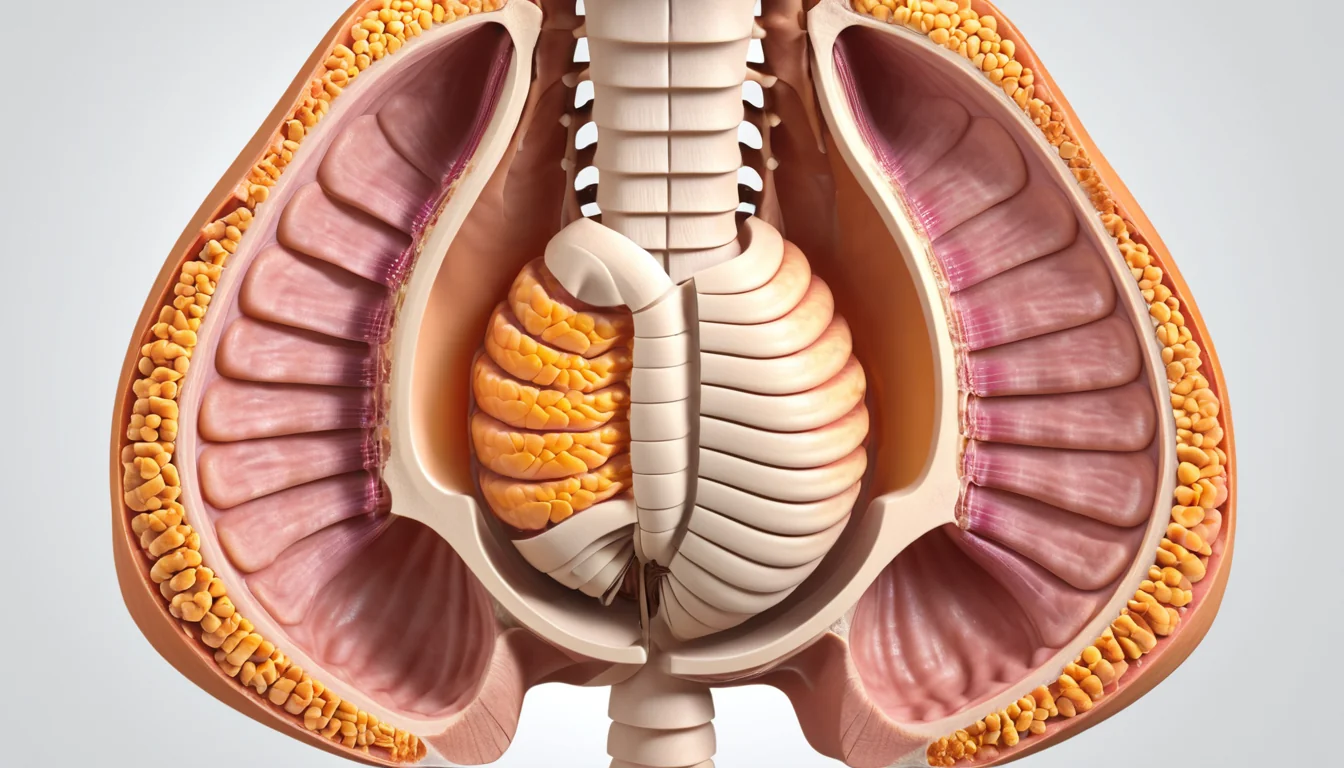
Abdominal cramps are one of the most common health complaints Canadians experience, affecting people of all ages at some point in their lives. They refer to intermittent contractions or a feeling of pain and discomfort anywhere between your ribs and pelvis, and the causes range from mild indigestion to more serious underlying conditions.
What Causes Abdominal Cramps in Most Canadians?
Understanding the stomach cramps causes behind your discomfort is the first step toward finding relief. In this guide, we explain what triggers cramping in the abdomen, outline the key symptoms to watch for, and share practical home remedies — plus when it’s time to visit your family doctor or a walk-in clinic in Canada.
What Are Abdominal Cramps?
| Cause | Key Characteristics | Typical Severity | Management Approach |
|---|---|---|---|
| Irritable Bowel Syndrome (IBS) | Recurring abdominal cramps with bloating, altered bowel habits; often triggered by stress or certain foods | Mild to Moderate | Dietary changes (low-FODMAP diet), stress management, antispasmodics; refer to a gastroenterologist if symptoms persist |
| Gastroenteritis | Sudden onset of cramping accompanied by nausea, vomiting, and diarrhea; often viral or bacterial in origin | Moderate | Oral rehydration, rest, clear fluids; seek medical care if symptoms last beyond 48–72 hours or dehydration occurs |
| Menstrual Cramps (Dysmenorrhea) | Cyclical lower abdominal cramps occurring just before or during menstruation; may radiate to lower back | Mild to Severe | NSAIDs (ibuprofen, naproxen), heat therapy, hormonal contraceptives; gynecology referral if endometriosis is suspected |
| Appendicitis | Abdominal cramps beginning around the navel and shifting to the lower right abdomen; associated with fever and loss of appetite | Severe | Emergency medical attention required; surgical removal of the appendix (appendectomy) is standard treatment |
| Inflammatory Bowel Disease (IBD) | Chronic abdominal cramping, diarrhea (sometimes bloody), fatigue, and unintentional weight loss; includes Crohn’s disease and ulcerative colitis | Moderate to Severe | Anti-inflammatory medications, immunosuppressants, biologics; ongoing monitoring by a gastroenterologist; available through provincial health plans |
Your abdomen contains many important organs. These include your stomach, intestines, liver, gallbladder, pancreas, and esophagus, along with major blood vessels. Abdominal cramps can involve any of these organs, as well as nearby pelvic organs like the bladder or uterus.
The cramping sensation is usually an intermittent tightening or spasm of the muscles in this region. The pain can feel dull and aching, sharp and stabbing, or like a general pressure. Understanding the location and character of your pain often helps identify the cause.
Common Causes of Abdominal Cramps
Abdominal cramps have many possible causes, ranging from everyday digestive issues to conditions that need medical attention. However, most cases in otherwise healthy adults are not serious. Below are the most frequent causes.
Everyday Digestive Causes
- Indigestion — often caused by eating too quickly or eating fatty foods
- Constipation — difficulty passing stool leads to cramping and bloating
- Excess gas (flatulence) — a very common and usually harmless cause
- Food poisoning — bacteria in contaminated food trigger cramps, nausea, and vomiting
- Food allergies or intolerances — for example, lactose intolerance causes cramps after consuming dairy
- Gastroenteritis — commonly called the stomach flu, often causing cramps and diarrhoea
- Gastroesophageal reflux disease (GERD) — stomach acid backs up and causes burning pain
- Eating very cold food or drinks — this can trigger temporary cramping
Other Medical Causes
- Menstrual cramps — very common in the first few days of a period
- Urinary tract infections (UTIs) — often cause lower abdominal pain and burning
- Kidney stones — cause intense, radiating pain in the lower back and abdomen
- Gallstones — cause sharp pain in the upper right abdomen
- Peptic ulcers — sores in the stomach or small intestine lining
- Irritable bowel syndrome (IBS) — causes recurring cramps, bloating, and changes in bowel habits
- Crohn’s disease — a chronic inflammatory bowel condition
- Endometriosis — tissue similar to the uterine lining grows outside the uterus
- Pelvic inflammatory disease (PID) — an infection of the female reproductive organs
- Inguinal or femoral hernias — tissue pushes through a weak spot in the abdominal wall
- Appendicitis — a medical emergency requiring immediate care
For a broader overview of digestive conditions, Health Canada provides reliable resources to help you understand your digestive health.
Symptoms That Often Accompany Abdominal Cramps
Abdominal cramps rarely appear on their own. They are often accompanied by other digestive symptoms that can give you clues about the underlying cause. Paying attention to these additional symptoms is helpful when speaking with your doctor.
Common symptoms that may occur alongside abdominal cramps include:
- Nausea or vomiting
- Diarrhoea or constipation
- Bloating and excess gas
- Burping
- Loss of appetite
- Gurgling or rumbling sounds from the stomach or intestines
- Changes in bowel habits
- Heartburn or a burning sensation
Therefore, noting which of these symptoms appear alongside your cramps — and in what order — will help your healthcare provider make a more accurate diagnosis.
How to Relieve Abdominal Cramps at Home
Many cases of abdominal cramps resolve on their own with simple home care. In addition, making smart choices about food, rest, and gentle movement can speed up your recovery significantly.
Rest and Breathing Techniques
Rest is one of the most effective tools for mild abdominal cramps. Find a comfortable position — sitting or lying down — and allow your body to relax. Avoid strenuous activity until the cramps pass.
Controlled breathing can also help distract you from pain and ease muscle tension. Try breathing slowly and steadily, focusing your attention on each breath. Continue for as long as it feels comfortable. Do not force it.
What to Eat and Drink
Avoid overloading your digestive system when you have cramps. Stick to simple, easy-to-digest foods until the cramps settle. Good options include:
- Plain white rice
- Bananas
- Applesauce or plain apple slices
- Plain toast or plain crackers
If you have been vomiting, avoid solid food for at least six hours. Drink water or mild herbal teas to stay hydrated. Furthermore, avoid carbonated drinks, alcohol, and beverages containing caffeine, as these can worsen irritation. Also avoid dairy products and acidic foods until you feel better.
Gentle Movement and Stretching
Light exercise can actually ease abdominal cramps caused by gas or indigestion. A short, slow walk around your home or garden can help move gas through your digestive system. However, stay close to a bathroom if you think diarrhoea may follow.
If your cramps are caused by muscle tension rather than a digestive issue, gentle yoga stretches may help. Poses that gently open and stretch the abdominal area — such as child’s pose or a reclined hero pose — can relieve tightness. Avoid any intense abdominal exercises, such as sit-ups, during a cramping episode.
As a result of these simple measures, most mild abdominal cramps will improve within a few hours. The Mayo Clinic’s guide on abdominal pain offers additional guidance on managing symptoms at home.
When to See a Doctor
While most abdominal cramps are harmless, some symptoms signal a more serious problem that needs prompt medical attention. Do not wait if you experience any of the following:
- Severe or sudden sharp pain in the abdomen
- Pain that does not improve after several hours
- Fever along with cramps
- Persistent vomiting or inability to keep fluids down
- Blood in your stool or vomit
- Signs of dehydration — dark urine, dizziness, or dry mouth
- Pain during urination or defecation
- Swollen or tender abdomen
- Unexplained weight loss alongside recurring cramps
If you are experiencing any of these warning signs, visit your nearest walk-in clinic or emergency department right away. For symptoms that are concerning but not an emergency, call your family doctor to book an appointment. Most provincial health plans cover these visits at no direct cost to you.
Canadians without a regular family doctor can use Health Link (811 in many provinces) to speak with a registered nurse 24 hours a day, seven days a week. They can help you decide whether your symptoms require urgent care.
For guidance on recognizing serious digestive symptoms, Healthline’s overview of abdominal pain is a helpful reference.
Frequently Asked Questions About Abdominal Cramps
What is the most common cause of abdominal cramps?
The most common causes of abdominal cramps are indigestion, excess gas, constipation, and gastroenteritis (stomach flu). In most cases, abdominal cramps are not serious and will resolve with rest and simple home care. However, recurring or severe cramps should always be assessed by a doctor.
When should I go to the hospital for abdominal cramps?
Go to the hospital or an emergency walk-in clinic if your abdominal cramps are sudden and severe, or if they are accompanied by fever, vomiting, blood in your stool, or a swollen abdomen. These can be signs of a serious condition such as appendicitis or a ruptured organ. Do not delay seeking care in these situations.
Can stress cause abdominal cramps?
Yes, stress and anxiety can trigger abdominal cramps, especially in people with irritable bowel syndrome (IBS). The gut and brain are closely connected through the nervous system, so emotional stress can directly affect your digestive system. Managing stress through exercise, sleep, and relaxation techniques can help reduce these cramps.
How long do abdominal cramps usually last?
Mild abdominal cramps caused by gas or indigestion usually last from a few minutes to a few hours. Cramps related to menstruation typically last one to three days. If your abdominal cramps last longer than 24 hours without improvement, it is a good idea to contact your family doctor or visit a walk-in clinic.
What foods help relieve abdominal cramps?
Bland, easy-to-digest foods such as plain rice, bananas, plain toast, and applesauce are gentlest on an upset stomach. Staying hydrated with water or mild herbal teas also helps ease abdominal cramps. Avoid dairy, greasy foods, caffeine, and carbonated drinks until you feel fully recovered.
Are abdominal cramps a sign of something serious?
According to Mayo Clinic’s guide to abdominal pain causes, this information is supported by current medical research.
For more information, read our guide on blood tests explained for Canadians.
Most abdominal cramps are caused by minor digestive issues and are not serious. However, cramps that are intense, persistent, or accompanied by other symptoms like fever, blood in stool, or significant weight loss may indicate a more serious condition. Always consult your family doctor if you are unsure about your symptoms.
Key Takeaways
- Abdominal cramps are very common and usually caused by indigestion, gas, constipation, or a stomach bug.
- Other causes include menstrual cramps, UTIs, kidney stones, gallstones, and inflammatory bowel conditions.
- Mild cramps often improve with rest, plain foods, hydration, and gentle movement.
- Avoid dairy, caffeine, alcohol, and carbonated drinks during a cramping episode.
- See your family doctor or visit a walk-in clinic if cramps are severe, persistent, or accompanied by fever or vomiting.
- Call 811 (Health Link) if you are unsure whether your symptoms need urgent care — it is available at no cost through most provincial health plans.
- This article is for general information only. Always speak with a qualified healthcare provider for a proper diagnosis and treatment plan.
Frequently Asked Questions
What are abdominal cramps?
Abdominal cramps are painful muscle contractions or spasms in the stomach area caused by digestive issues, gas, menstruation, infections, or underlying conditions. They can range from mild discomfort to severe pain and may be accompanied by bloating, nausea, or changes in bowel movements. Most cases resolve on their own without medical treatment.
What are the most common symptoms of abdominal cramps?
Common symptoms include sharp or dull stomach pain, bloating, gas, nausea, diarrhea, and constipation. Pain may come in waves or remain constant. Associated symptoms like fever, vomiting, or blood in stool may indicate a more serious condition requiring prompt medical attention from a healthcare provider.
How do you get relief from abdominal cramps fast?
Effective relief options include applying a heating pad to your abdomen, drinking herbal teas like peppermint or ginger, staying hydrated, and taking over-the-counter medications such as antispasmodics or acetaminophen. Gentle walking, avoiding trigger foods, and resting can also ease discomfort. Always follow dosage instructions on any medication.
How can you prevent abdominal cramps?
Prevention includes eating smaller, balanced meals, staying well-hydrated, limiting fatty or spicy foods, managing stress through exercise or meditation, and maintaining regular bowel habits. Identifying personal food triggers like lactose or gluten and avoiding them can significantly reduce frequency. Regular physical activity also supports healthy digestive function.
When should you see a doctor for abdominal cramps?
Seek immediate medical care if cramps are severe or worsening, last more than a few days, or are accompanied by fever, blood in stool or urine, persistent vomiting, unexplained weight loss, or chest pain. Canadians can also call 811 to speak with a registered nurse for guidance on whether emergency care is needed.

About the Author
Dr. Sarah Mitchell, MDDr. Sarah Mitchell is a board-certified family physician with over 15 years of clinical experience. She completed her MD at the University of Toronto and her residency at Toronto General Hospital. Dr. Mitchell specializes in preventive medicine and chronic disease management. She is a member of the College of Family Physicians of Canada (CFPC) and has published over 30 peer-reviewed articles on preventive health care.
View all articles →