
Bowel Obstruction: Causes, Symptoms & Treatment (Canada)

Share
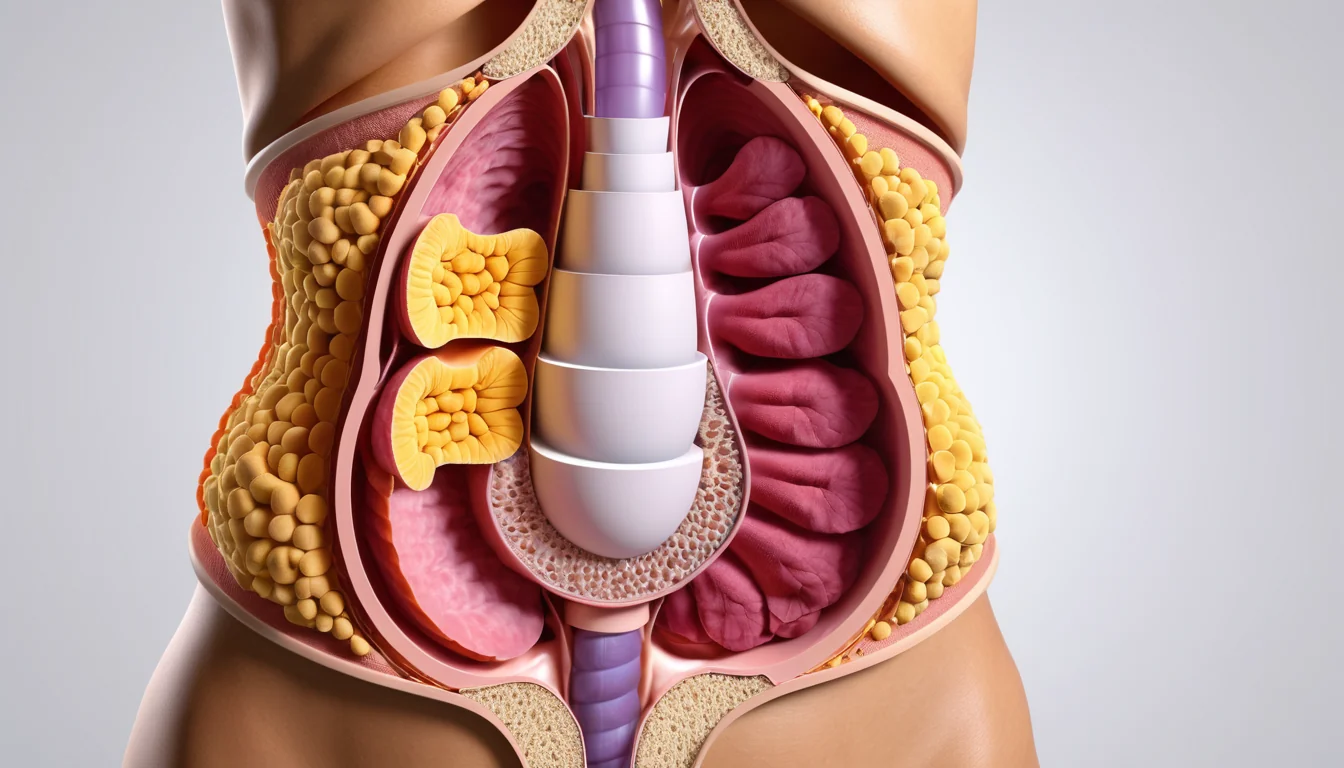
A bowel obstruction is a serious condition where a partial or complete blockage prevents food, fluid, and gas from passing through your intestines normally. If left untreated, this condition can lead to life-threatening complications, including loss of blood supply to the intestinal wall. For Canadians, recognizing the early warning signs is critical to getting timely care.
How Is a Bowel Obstruction Diagnosed and Treated in Canada?
Understanding the common intestinal blockage symptoms — such as severe abdominal cramping, bloating, vomiting, and the inability to pass gas or stool — can help you act quickly. Whether caused by post-surgical adhesions, hernias, or other factors, a bowel obstruction requires prompt medical evaluation. This guide covers everything Canadian patients need to know about causes, diagnosis, and treatment options available across Canada’s healthcare system.
What Is a Bowel Obstruction?
| Type of Bowel Obstruction | Common Causes | Key Symptoms | Management Approach |
|---|---|---|---|
| Mechanical Small Bowel Obstruction | Adhesions from prior surgery, hernias, tumours | Cramping abdominal pain, nausea, vomiting, abdominal distension | IV fluids, nasogastric tube decompression; surgery if no improvement within 24–48 hours |
| Mechanical Large Bowel Obstruction | Colorectal cancer, diverticular disease, volvulus | Severe abdominal bloating, inability to pass gas or stool, lower abdominal pain | Urgent surgical consultation; colostomy, colonic stenting, or bowel resection depending on cause |
| Paralytic Ileus (Functional Obstruction) | Post-abdominal surgery, severe infection, electrolyte imbalances, opioid medications | Absent bowel sounds, mild distension, nausea, reduced or no bowel movements | Conservative management: bowel rest, IV fluids, correcting electrolyte imbalances, early mobilization |
| Strangulated Bowel Obstruction | Hernia trapping bowel, volvulus cutting off blood supply | Sudden severe pain, fever, rapid heart rate, signs of peritonitis | Emergency surgery required; delay increases risk of bowel necrosis, sepsis, and death |
| Pseudo-obstruction (Ogilvie Syndrome) | Serious illness, spinal injury, cardiac surgery, certain medications | Massive colonic dilation without a physical blockage, abdominal discomfort | Neostigmine injection, colonoscopic decompression, or surgery in refractory cases |
A bowel obstruction occurs when something blocks the normal flow of digestive contents through your intestines. The blockage can happen in the small intestine or in the large intestine (colon). In both cases, the normal movement of stool and gas stops.
There are two main types of bowel obstruction. A mechanical obstruction means something is physically blocking the intestine. A functional obstruction (also called ileus) means the intestinal muscles have stopped working properly, even though there is no physical blockage.
In severe cases, the blockage can cut off blood supply to part of the intestine. Doctors call this intestinal strangulation or ischaemia. This is a medical emergency that requires immediate treatment. According to Mayo Clinic’s overview of intestinal obstruction, prompt medical attention is critical to avoid permanent damage.
Common Causes of Bowel Obstruction
Many different conditions can cause a bowel obstruction. The causes differ depending on whether the blockage is in the small or large intestine.
Small Intestine Blockages
The most common cause of small bowel obstruction is scar tissue (adhesions). These adhesions often form after abdominal or pelvic surgery. As the tissue heals, bands of scar tissue can develop and press on or wrap around the intestine.
Other common causes of small bowel obstruction include:
- Hernias — part of the intestine pushes through a weak spot in the abdominal wall
- Crohn’s disease — a chronic inflammatory bowel condition that can narrow the intestinal passage
- Tumours — growths that press on or grow into the intestine
Large Intestine Blockages
In the large intestine (colon), colorectal cancer is the most frequent cause of mechanical obstruction. Other causes include:
- Intestinal volvulus — the intestine twists on itself, cutting off the passage
- Diverticulitis — inflamed pouches in the colon wall can narrow the passage over time
- Severe constipation — hardened stool (faecal impaction) can completely block the colon
- Intussusception — one section of the intestine telescopes inside the adjacent section
Functional Obstructions
Sometimes the intestines simply stop moving, even without a physical blockage. This is called a paralytic ileus. It can result from abdominal or pelvic surgery, infections, certain medications (especially opioids), malnutrition, electrolyte imbalances, hypothyroidism, or neurological and muscular conditions such as Parkinson’s disease. Healthline’s guide to intestinal obstruction provides a helpful breakdown of these functional causes.
Risk Factors for Bowel Obstruction
Anyone can develop a bowel obstruction, but certain factors raise your risk. Knowing these risk factors can help you and your family doctor watch for early warning signs.
The main risk factors include:
- Previous abdominal or pelvic surgery — scar tissue is the leading cause of small bowel obstruction
- Crohn’s disease or inflammatory bowel disease — chronic inflammation can thicken the intestinal walls and narrow the passage
- Colorectal cancer or other digestive cancers — tumours can block the bowel directly or compress it from outside
- Hernias — unrepaired hernias carry a higher risk of trapping a loop of intestine
- Vascular disease — conditions that reduce blood flow to the intestinal walls increase your risk
If you have any of these risk factors, discuss them openly with your family doctor. Early monitoring can catch problems before they become emergencies.
Symptoms of Bowel Obstruction
The symptoms of a bowel obstruction depend on where the blockage is and how complete it is. Both small and large intestine blockages share some symptoms, but there are important differences.
Small Bowel Obstruction Symptoms
A small bowel obstruction typically causes cramping abdominal pain around the belly button (navel). The cramps often come in waves. However, if the pain becomes constant and severe, it may signal that blood supply to the intestine has been cut off. This requires emergency surgery.
Other symptoms of small bowel obstruction include:
- Vomiting — this is common and often occurs early. Vomit may be green if the blockage is in the upper small intestine, or brown if it is lower down
- Abdominal bloating (distension) — the belly swells, especially in the lower abdomen
- Constipation — complete inability to pass stool or gas is a strong warning sign
- Occasional diarrhoea — in a partial blockage, some stool can still move past, causing loose or watery stool
Large Bowel Obstruction Symptoms
Large bowel obstruction tends to cause pain below the belly button. The pain can range from mild and crampy to severe and constant. Severe, constant pain may indicate strangulation or intestinal perforation, both of which are medical emergencies.
Additional symptoms of large bowel obstruction include:
- Abdominal distension — swelling around the navel and in the pelvic region
- Diarrhoea or constipation — either can occur, depending on how much the bowel is blocked. Stool may be ribbon-thin (pencil-thin)
- Vomiting — less common than in small bowel obstruction. It tends to appear in later stages
- Blood in stool, unexplained weight loss, weakness, or loss of appetite — these symptoms can appear when the obstruction is caused by cancer
Bowel Obstruction in Newborns
Bowel obstruction can also affect newborns. In infants, it is usually caused by infection, problems with abdominal organs, or strangulation of a section of the intestine. Parents should seek medical attention immediately if a newborn shows signs of abdominal swelling, vomiting, or failure to pass stool.
How Is a Bowel Obstruction Diagnosed?
If your doctor suspects a bowel obstruction, they will start with a physical examination. They may listen to your abdomen with a stethoscope. In a complete obstruction, bowel sounds may be high-pitched at first and then fade as the intestine slows down.
Your doctor will likely order imaging tests. These commonly include abdominal X-rays, CT scans, or ultrasound. Blood tests may also be done to check for signs of infection, dehydration, or electrolyte imbalances. According to Health Canada, accessing these diagnostic services is covered under most provincial health plans. However, wait times and availability vary by province and region.
Treatment Options
Treatment for a bowel obstruction depends on the cause, location, and severity of the blockage. Some partial obstructions can be managed without surgery. Complete obstructions or those involving strangulation almost always require surgery.
Common treatment approaches include:
- Hospitalisation and intravenous (IV) fluids — to correct dehydration and electrolyte imbalances
- Nasogastric tube — a thin tube inserted through the nose and into the stomach to relieve pressure and remove built-up fluids and gas
- Bowel rest — no food or drink by mouth while the bowel recovers
- Surgery — to remove the blockage, repair a hernia, resect a section of dead intestine, or treat an underlying tumour
- Medications — in functional obstructions, medications may help stimulate bowel movement again
If a section of the intestine has lost blood supply and become necrotic (dead tissue), that section must be surgically removed. Early treatment greatly reduces the risk of this outcome. Therefore, acting quickly at the first signs of a serious obstruction is essential.
When to See a Doctor
You should contact your family doctor promptly if you experience persistent abdominal pain, bloating, inability to pass gas or stool, or unexplained vomiting. These symptoms can point to a bowel obstruction that needs prompt evaluation.
If you do not have a family doctor, a walk-in clinic is a good first step. Most walk-in clinics in Canada can assess abdominal symptoms and refer you for imaging if needed. Your visit may be covered under your provincial health plan.
Go to your nearest emergency department immediately if you have:
- Sudden, severe abdominal pain that does not go away
- A rigid or board-like abdomen
- Fever along with abdominal pain
- Vomiting that will not stop
- Signs of shock such as rapid heartbeat, pale skin, or confusion
These symptoms may indicate intestinal strangulation or perforation. Both are life-threatening emergencies. Do not wait for a clinic appointment — call 911 or get to an emergency room right away.
Always speak with a qualified healthcare provider before making any decisions about your health. This article is for informational purposes only and does not replace professional medical advice.
What are the first signs of a bowel obstruction?
The first signs of a bowel obstruction often include cramping abdominal pain, nausea, vomiting, bloating, and difficulty passing gas or stool. In a small bowel obstruction, the pain typically centres around the navel and comes in waves. If symptoms worsen suddenly or the pain becomes constant and severe, seek emergency care immediately.
Can a bowel obstruction clear on its own?
A partial bowel obstruction may sometimes resolve on its own with medical supervision, rest, and IV fluids in a hospital setting. However, a complete bowel obstruction does not clear without medical treatment and can become life-threatening very quickly. Never try to manage a suspected bowel obstruction at home without guidance from a doctor.
What does bowel obstruction pain feel like?
Bowel obstruction pain is often described as intense cramping that comes and goes in waves, similar to strong stomach cramps. The pain is usually centred around the belly button for small intestine blockages, or lower in the abdomen for large intestine blockages. If the pain becomes constant and severe rather than wave-like, it may signal a dangerous complication such as strangulation.
How is a bowel obstruction treated in Canada?
In Canada, treatment for a bowel obstruction typically takes place in a hospital and is covered under most provincial health plans. Depending on the severity, treatment may include IV fluids, bowel rest, and a nasogastric tube to relieve pressure, or surgery to remove the blockage. Your emergency department or family doctor will determine the best approach based on your specific situation.
What causes bowel obstructions after surgery?
After abdominal or pelvic surgery, scar tissue called adhesions can form as the body heals. These adhesions are the leading cause of small bowel obstruction and can develop weeks, months, or even years after the original surgery. If you have had abdominal surgery in the past and develop symptoms of a bowel obstruction, inform your doctor about your surgical history right away.
Is a bowel obstruction a medical emergency?
According to Mayo Clinic’s overview of intestinal obstruction, this information is supported by current medical research.
For more information, read our guide on blood tests explained for Canadians.
A bowel obstruction can quickly become a medical emergency, especially if blood supply to the intestine is cut off — a condition called intestinal strangulation. Complete obstructions and any obstruction with severe, constant pain, fever, or vomiting require immediate emergency care. When in doubt, go to your nearest emergency department rather than waiting for a clinic appointment.
Key Takeaways
- A bowel obstruction is a partial or complete blockage of the small or large intestine that stops the normal flow of stool and gas.
- The most common causes include scar tissue from previous surgery, hernias, Crohn’s disease, and colorectal cancer.
- Key symptoms include cramping abdominal pain, bloating, vomiting, and inability to pass gas or stool.
- Severe, constant pain may signal intestinal strangulation — a life-threatening emergency that requires immediate surgery.
- Treatment ranges from bowel rest and IV fluids to surgery, depending on the severity and cause of the blockage.
- In Canada, diagnosis and treatment are covered under most provincial health plans. Contact your family doctor, visit a walk-in clinic, or go to an emergency department based on the severity of your symptoms.
- Always consult a healthcare professional if you suspect a bowel obstruction. Early action saves lives.
Frequently Asked Questions
What is a bowel obstruction?
A bowel obstruction is a partial or complete blockage in the small or large intestine that prevents the normal passage of food, fluid, and gas. It can be caused by scar tissue, hernias, tumours, or severe constipation. Without treatment, it can become a life-threatening medical emergency.
What are the symptoms of a bowel obstruction?
Common symptoms of a bowel obstruction include severe abdominal cramping, bloating, nausea, vomiting, inability to pass gas or stool, and a swollen abdomen. Symptoms may develop suddenly or gradually depending on whether the blockage is partial or complete. Fever may indicate a serious complication.
How is a bowel obstruction treated in Canada?
Treatment depends on severity. Mild or partial obstructions may resolve with IV fluids, bowel rest, and a nasogastric tube to relieve pressure. Complete or complicated obstructions typically require surgery to remove the blockage. Canadian hospitals provide emergency care for serious cases through emergency departments.
Can a bowel obstruction be prevented?
Not all bowel obstructions are preventable, but you can reduce your risk by eating a high-fibre diet, staying hydrated, exercising regularly, managing constipation promptly, and following up after abdominal surgery. People with Crohn’s disease or previous abdominal surgeries should have regular monitoring with their doctor.
When should you go to the emergency room for a bowel obstruction?
Go to the emergency room immediately if you experience severe abdominal pain, persistent vomiting, inability to pass stool or gas for more than 24 hours, fever, or a rigid and tender abdomen. These are warning signs of a complete or strangulated bowel obstruction requiring urgent medical attention.

About the Author
Dr. Sarah Mitchell, MDDr. Sarah Mitchell is a board-certified family physician with over 15 years of clinical experience. She completed her MD at the University of Toronto and her residency at Toronto General Hospital. Dr. Mitchell specializes in preventive medicine and chronic disease management. She is a member of the College of Family Physicians of Canada (CFPC) and has published over 30 peer-reviewed articles on preventive health care.
View all articles →