Gallstones vs Kidney Stones: Key Differences (Canada)

Share
When it comes to gallstones vs kidney stones, many Canadians are surprised to learn that these are two entirely different conditions affecting separate organ systems. One develops in the gallbladder and disrupts digestion, while the other forms in the kidneys and impacts the urinary tract. Despite their similar names, confusing the two can lead to delays in getting the right care.
Gallstones vs Kidney Stones: How Symptoms, Causes, and Treatments Differ
Understanding the difference between gallstones and kidney stones is essential for recognizing symptoms early and knowing when to visit your family doctor or a walk-in clinic. Both conditions can cause intense, sudden pain, yet their causes, risk factors, and treatments vary significantly. This guide breaks down everything Canadian readers need to know — from pain location and diagnosis to prevention strategies covered under provincial health plans.
What Are Gallstones and Kidney Stones?
| Symptom | Gallstones | Kidney Stones | Severity |
|---|---|---|---|
| Pain Location | Upper right abdomen, radiating to right shoulder or back | Flank, lower abdomen, and groin as stone moves | Moderate to Severe |
| Pain Pattern | Steady, intense ache lasting 1–5 hours (biliary colic) | Comes in waves, fluctuating in intensity (renal colic) | Severe |
| Urinary Changes | Dark urine if bile duct is blocked | Pink, red, or cloudy urine; painful or frequent urination | Mild to Moderate |
| Digestive Symptoms | Nausea, vomiting, bloating, and intolerance to fatty foods | Nausea and vomiting due to pain; not typically food-related | Mild to Moderate |
| Fever and Chills | Present if gallbladder or bile duct is infected (cholecystitis) | Present if a urinary tract infection accompanies the stone | Moderate to Severe |
| Jaundice | Possible yellowing of skin and eyes if bile duct is obstructed | Not typically associated with kidney stones | Moderate (requires prompt medical attention) |
Gallstones and kidney stones are both small, hard deposits that form inside your body. They can be as tiny as a grain of sand or as large as a golf ball. Despite their size, they can cause serious pain and complications.
Here is an important point: both types of stones can exist in your body without causing any problems at all. However, when they move or grow large enough to block the flow of fluids, that is when symptoms begin.
Gallstones vs Kidney Stones: What Is the Difference?
The biggest difference between gallstones vs kidney stones is where they form and what they are made of. Gallstones form in your gallbladder, which is part of your digestive system. Kidney stones form in your urinary tract.
What Is the Gallbladder?
Your gallbladder is a small organ located on the upper right side of your abdomen, just under your liver. It stores bile, a fluid that helps break down fats during digestion. When bile contains too much cholesterol or certain other substances, it can harden into stones.
What Are the Kidneys?
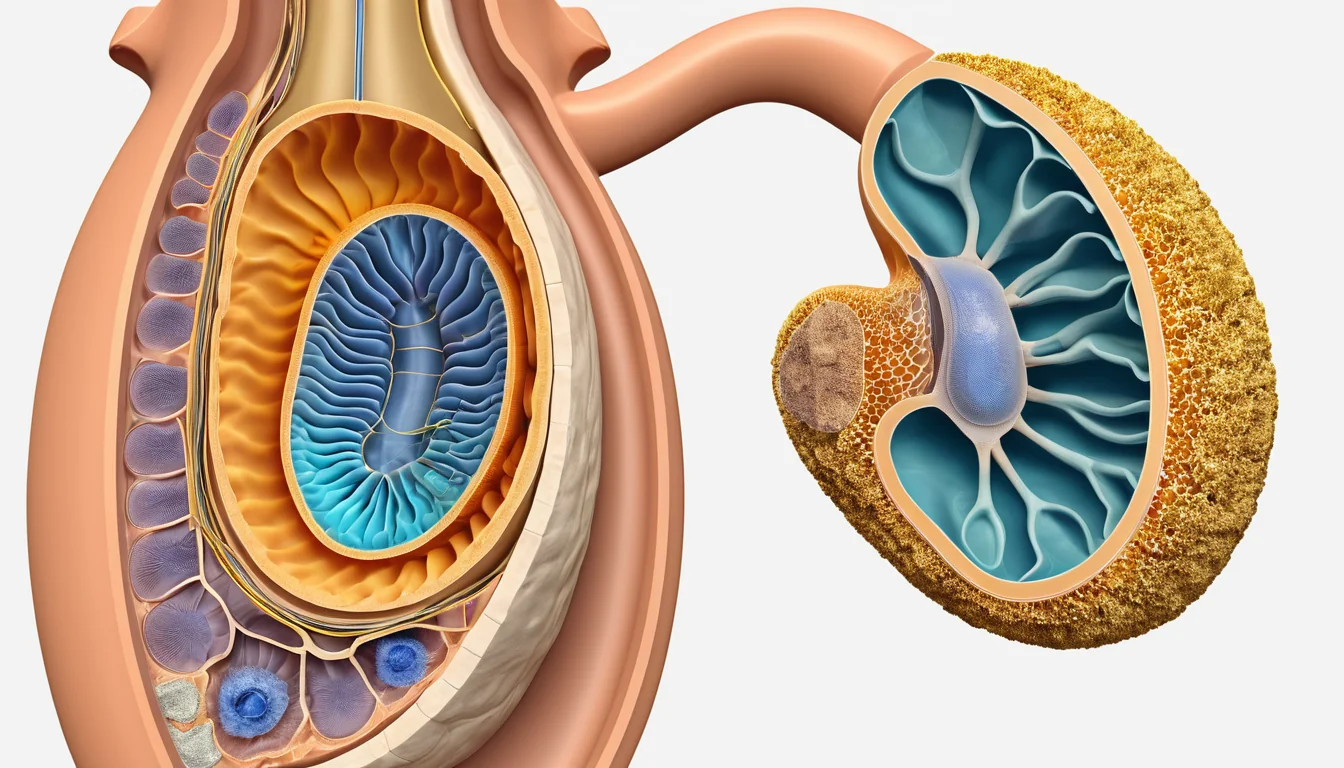
Your kidneys are two bean-shaped organs that filter your blood and remove waste through urine. They also help balance fluids and electrolytes in your body. When certain minerals build up in your urine, they can crystallise and form kidney stones. According to Health Canada, kidney stones are one of the more common urological conditions affecting Canadians.
Symptoms of Gallstones
Many people with gallstones have no symptoms at all. However, if a stone blocks the bile duct, you may experience sudden and intense pain. Knowing the warning signs can help you act quickly.
Common symptoms of gallstones include:
- Pain in the middle or upper-right area of your abdomen
- Pain that radiates to your back or right shoulder
- Nausea and vomiting
- Fever and chills
- Jaundice (yellowing of the skin or eyes)
- Dark-coloured urine
- Chest discomfort
Gallstone pain often comes on suddenly, especially after eating a fatty meal. The pain can last anywhere from a few minutes to several hours. If you notice yellowing of your skin or eyes, seek medical attention right away.
Where Does Gallstone Pain Occur?
Gallstones typically cause pain in the middle-to-upper abdomen. This pain can radiate toward your back or under your right shoulder blade. It is often described as a sharp, cramping, or squeezing sensation.
Symptoms of Kidney Stones
Kidney stone pain is often described as one of the most intense types of pain a person can experience. In addition to pain, kidney stones can cause several other symptoms that affect your urinary system.
Common symptoms of kidney stones include:
- Severe pain in your lower back or side
- Pain that radiates to your lower abdomen and groin
- Blood in your urine
- Painful urination
- Frequent or urgent need to urinate
- Cloudy or foul-smelling urine
- Nausea and vomiting
- Fever and chills
Blood in your urine can be alarming, but it is a very common sign of kidney stones. For more information on kidney stone symptoms, Mayo Clinic’s kidney stone symptom guide is an excellent resource.
Where Does Kidney Stone Pain Occur?
Kidney stones cause sharp pain in the lower back or along the side of your body. As the stone moves through your urinary tract, the pain can shift toward your lower abdomen and groin. This shifting pain is a key clue that you may be dealing with a kidney stone rather than a gallstone.
Who Is at Risk?
Both gallstones and kidney stones are most common in middle-aged adults. However, certain factors can raise your risk for each condition.
Risk Factors for Gallstones
You may be at higher risk for gallstones if you:
- Are a woman
- Are over 40 years of age
- Have a body mass index (BMI) over 25
- Have lost a large amount of weight in a short period of time
- Take cholesterol-lowering medications
Furthermore, a diet high in fat and low in fibre can also increase your risk. Rapid weight loss is a particularly common trigger for gallstone formation.
Risk Factors for Kidney Stones
You may be at higher risk for kidney stones if you:
- Have a family history of kidney stones
- Do not drink enough fluids throughout the day
- Eat a diet high in salt, animal protein, or oxalates
- Have certain health conditions that affect mineral levels in your urine
Not drinking enough water is one of the most common and preventable risk factors for kidney stones. Canadians living in warmer provinces or those who are physically active should pay special attention to their daily fluid intake.
Treatment Options
Treatment for gallstones and kidney stones depends on the size of the stones and whether they are causing symptoms. In many cases, small stones that are not causing problems do not need immediate treatment.
Treating Gallstones
If your gallstones are not causing symptoms, your doctor may recommend a watch-and-wait approach. However, if you are experiencing pain or complications, the most common treatment is surgical removal of the gallbladder. This is called a cholecystectomy, and it is typically done using laparoscopic surgery — a minimally invasive procedure with a short recovery time. Most Canadians can have this surgery covered through their provincial health plan.
Treating Kidney Stones
Kidney stone treatment depends largely on the size of the stone. Stones that are 10 millimetres or smaller may pass on their own with time and plenty of fluids. Your doctor may prescribe medication to manage pain, reduce nausea, and relax the ureter to help the stone pass more easily.
For larger stones, there are several minimally invasive surgical options, including:
- Ureteroscopy: A thin scope is inserted through the urethra to locate and remove or break up the stone
- Shock wave lithotripsy: Sound waves are used to break the stone into smaller pieces that can pass naturally
- Percutaneous nephrolithotomy: A small incision is made in the back to remove larger stones directly from the kidney
According to Healthline’s kidney stone treatment overview, the right treatment depends on stone size, location, and your overall health history.
How to Prevent Gallstones and Kidney Stones
The good news is that both gallstones and kidney stones can often be prevented through healthy lifestyle choices. Small changes to your diet and daily habits can make a big difference.
Preventing Gallstones
To lower your risk of gallstones, focus on reducing your cholesterol and fat intake. Try these strategies:
- Limit fried foods and fast food
- Replace red meat with fish or plant-based proteins
- Eat more fruits, vegetables, and high-fibre whole grains
- Lose weight gradually — crash diets can actually trigger gallstones
Preventing Kidney Stones
To reduce your chance of developing kidney stones, follow these tips:
- Drink enough fluids to produce at least two litres of urine per day
- Limit your salt intake
- Reduce animal protein in your diet
- Maintain a healthy weight through regular physical activity
- Talk to your doctor about dietary changes based on your specific stone type
When to See a Doctor
If you are experiencing sudden or severe abdominal pain, do not wait. Visit a walk-in clinic or emergency room right away. Both gallstones and kidney stones can lead to serious complications if left untreated.
You should also speak with your family doctor if you notice any of the following:
- Blood in your urine
- Fever and chills along with abdominal pain
- Pain that does not improve after a few hours
- Yellowing of the skin or eyes
- Frequent urinary tract infections
Your family doctor can order imaging tests — such as an ultrasound or CT scan — to confirm whether you have gallstones or kidney stones. Early diagnosis leads to better outcomes. Always consult a healthcare professional before starting any new treatment or making major changes to your diet.
Frequently Asked Questions
What is the main difference between gallstones vs kidney stones?
The main difference between gallstones vs kidney stones is where they form. Gallstones develop in the gallbladder, which is part of your digestive system. Kidney stones form in the urinary tract and are passed through your urine.
Can you have gallstones and kidney stones at the same time?
Yes, it is possible to have both gallstones and kidney stones at the same time. However, they are separate conditions that form in different parts of the body. If you suspect you have either condition, speak with your family doctor for a proper diagnosis.
How do I know if my pain is from a gallstone or a kidney stone?
Gallstone pain is usually felt in the upper-right abdomen and may radiate to your back or right shoulder. Kidney stone pain typically starts in the lower back or side and can move toward the groin. A doctor can confirm the cause with an ultrasound or CT scan.
Do kidney stones cause blood in the urine?
Yes, blood in the urine is one of the most common signs of kidney stones. As the stone moves through your urinary tract, it can irritate and scratch the lining, causing bleeding. If you notice pink, red, or brown urine, visit a walk-in clinic or your family doctor promptly.
Are kidney stones covered by provincial health plans in Canada?
In most provinces, diagnosis and treatment for kidney stones — including imaging, surgery, and hospital care — are covered under provincial health insurance plans. However, coverage for medications and follow-up care can vary. Check with your provincial health authority or family doctor for specific details.
What foods should I avoid to prevent gallstones and kidney stones?
According to Mayo Clinic’s overview of gallstone symptoms and causes, this information is supported by current medical research.
For more information, read our guide on kidney anatomy, structure, and function.
To help prevent gallstones, limit fried foods, fast food, and high-fat meats. To reduce your risk of kidney stones, cut back on salt, animal protein, and high-oxalate foods like spinach and nuts. Eating a balanced, high-fibre diet and staying well hydrated supports both your digestive and urinary health.
Key Takeaways
- Gallstones vs kidney stones: Gallstones form in the gallbladder (digestive system); kidney stones form in the urinary tract.
- Both types of stones can exist without symptoms but become painful when they block fluid flow.
- Gallstone pain is felt in the upper-right abdomen; kidney stone pain starts in the lower back or side.
- Blood in the urine is a hallmark sign of kidney stones.
- Small kidney stones may pass on their own; larger ones or gallstones causing symptoms may need surgical treatment.
- Healthy eating, staying hydrated, and maintaining a healthy weight can help prevent both conditions.
- Always consult your family doctor or visit a walk-in clinic if you experience sudden or severe abdominal pain.
Frequently Asked Questions
What is the main difference between gallstones vs kidney stones?
Gallstones form in the gallbladder from cholesterol or bile salts, causing upper-right abdominal pain after meals. Kidney stones form in the kidneys from minerals like calcium, causing severe flank pain that radiates to the groin. They affect different organs, have different causes, and require different treatments.
What are the symptoms of gallstones vs kidney stones?
Gallstones typically cause steady pain in the upper-right abdomen or shoulder, nausea, and vomiting, often triggered by fatty foods. Kidney stones cause intense, cramping flank pain radiating to the lower abdomen, painful urination, and blood in urine. Kidney stone pain is generally considered more severe.
How are gallstones and kidney stones treated in Canada?
Gallstones are often treated with laparoscopic cholecystectomy (gallbladder removal), covered under provincial health plans. Kidney stones may pass naturally with increased fluids, or require lithotripsy, ureteroscopy, or surgery for larger stones. Treatment depends on stone size, location, and severity of symptoms.
Can you prevent gallstones and kidney stones through diet?
Yes. Preventing gallstones involves maintaining a healthy weight, eating a high-fibre, low-fat diet, and avoiding rapid weight loss. Preventing kidney stones includes drinking 2–3 litres of water daily, reducing sodium and animal protein, and limiting oxalate-rich foods like spinach and nuts.
When should you see a doctor for gallstone or kidney stone pain in Canada?
Seek immediate medical attention if you experience severe, unrelenting abdominal or flank pain, fever, chills, yellowing of the skin, or blood in urine. These may indicate serious complications like infection or blockage. Visit your nearest emergency department or call 911 if symptoms are severe.

About the Author
Dr. Linda Chen, RD, PhDDr. Linda Chen is a registered dietitian and PhD in Nutritional Sciences from the University of British Columbia. With expertise in clinical nutrition, sports dietetics, and gut health, she has worked with leading Canadian hospitals and sports organizations. Dr. Chen is a member of Dietitians of Canada and regularly contributes to national nutrition policy discussions.
View all articles →