Renal Artery Stenosis: Causes, Symptoms & Treatment Canada

Share
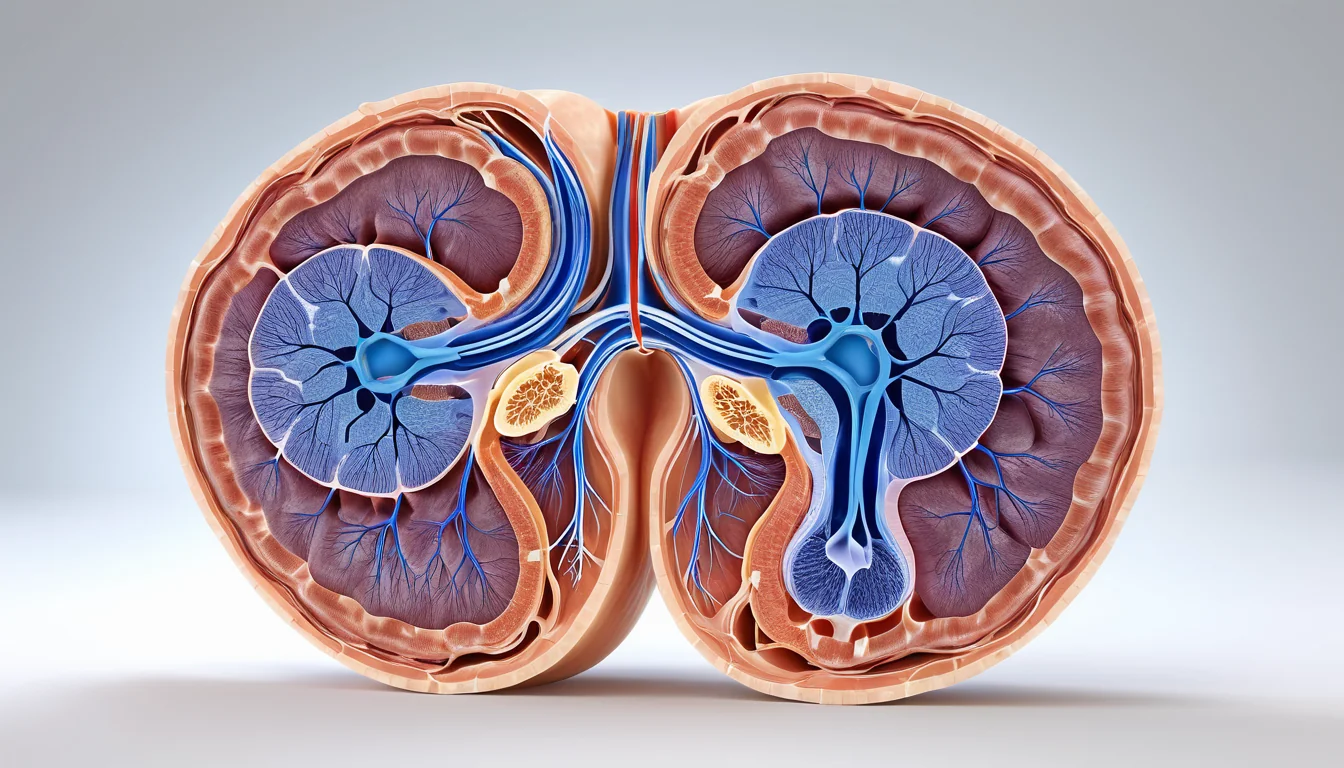
Renal artery stenosis is a serious vascular condition where one or both arteries supplying blood to the kidneys become dangerously narrowed, reducing the flow of oxygen-rich blood to vital kidney tissue. Many Canadians are living with this condition without realizing it, because noticeable symptoms often appear only after significant damage has already occurred.
How Is Renal Artery Stenosis Diagnosed and Treated in Canada?
When left undetected, a narrowed kidney artery can silently raise blood pressure throughout the body and gradually impair kidney function, potentially leading to kidney failure. Understanding the causes, recognizing early warning signs, and knowing the treatment options available through Canadian healthcare providers can make a critical difference in protecting your long-term health. This guide covers everything you need to know about renal artery stenosis, from diagnosis to recovery.
What Is Renal Artery Stenosis?
| Treatment Option | Description & Benefits | Ideal Candidate | Key Considerations |
|---|---|---|---|
| Medical Management (Medications) | Use of ACE inhibitors, ARBs, statins, and antihypertensive drugs to control blood pressure and slow disease progression | Patients with mild to moderate renal artery stenosis and stable kidney function | Requires regular monitoring of kidney function and potassium levels; ACE inhibitors may worsen kidney function in bilateral stenosis |
| Percutaneous Transluminal Angioplasty (PTA) | Minimally invasive balloon catheter procedure to widen the narrowed renal artery and restore blood flow | Best suited for fibromuscular dysplasia (FMD); younger patients with non-atherosclerotic stenosis | High success rate for FMD; lower benefit for atherosclerotic cases; risk of restenosis over time |
| Renal Artery Stenting | Placement of a metal stent during angioplasty to keep the renal artery open and maintain blood flow | Patients with atherosclerotic renal artery stenosis unresponsive to medications; recurrent stenosis after angioplasty | Evidence from Canadian and international trials shows modest benefit; risk of contrast-induced nephropathy and restenosis |
| Surgical Revascularization | Open surgical procedures such as bypass grafting or endarterectomy to restore renal blood flow | Complex anatomical cases; patients requiring concurrent aortic surgery; failed stenting procedures | More invasive with longer recovery; reserved for cases where endovascular options are not feasible; performed in specialized Canadian vascular centres |
| Lifestyle Modifications | Dietary changes (low-sodium DASH diet), smoking cessation, physical activity, and weight management to reduce cardiovascular risk | All patients with renal artery stenosis as an adjunct to other treatments | Smoking cessation is strongly emphasized in Canadian guidelines; supports blood pressure control and slows atherosclerosis progression |
Your kidneys each receive blood through a renal artery. These two arteries branch off the main aorta, the large blood vessel running down the centre of your body. When one or both of these arteries narrow, less blood reaches the kidneys.
Without enough blood flow, the kidneys struggle to filter waste and remove excess fluid from the body. Over time, this can lead to kidney tissue damage, rising blood pressure, and in serious cases, kidney failure. Mayo Clinic provides a thorough overview of renal artery stenosis and how it affects overall health.
Signs and Symptoms of Renal Artery Stenosis
Renal artery stenosis is often called a “silent” condition. It rarely causes noticeable symptoms in its early stages. As a result, it is frequently discovered by chance during a routine check-up or blood pressure screening.
However, a doctor may suspect renal artery stenosis if you have:
- High blood pressure that starts suddenly or worsens quickly
- High blood pressure that develops before age 30 or after age 50
- Blood pressure that is difficult to control even with medication
Symptoms as the Condition Progresses
As renal artery stenosis advances, more noticeable signs can appear. Your doctor may hear an abnormal rushing sound, called a bruit, when listening to your abdomen with a stethoscope. This sound is caused by turbulent blood flow through the narrowed artery.
Furthermore, the following symptoms may develop over time:
- Elevated protein levels in the urine
- Worsening kidney function shown in blood test results
- Swelling (oedema) in the legs, ankles, or arms due to fluid retention
- Shortness of breath caused by fluid building up in the lungs
- Heart failure that does not respond well to standard treatment
If you notice any of these signs, speak with your family doctor or visit a walk-in clinic as soon as possible.
What Causes Renal Artery Stenosis?
There are two main causes of renal artery stenosis. Understanding the cause helps determine the best treatment approach.
1. Atherosclerosis
Atherosclerosis is the most common cause of renal artery stenosis, especially in adults over 50. It occurs when deposits of fat, cholesterol, and other substances build up inside the artery walls. These deposits, called plaques, harden over time and narrow the artery.
Atherosclerosis affects arteries throughout the body, not just in the kidneys. It is closely linked to high cholesterol, diabetes, smoking, and an unhealthy diet. Health Canada offers heart health resources that also apply to conditions driven by atherosclerosis.
2. Fibromuscular Dysplasia
Fibromuscular dysplasia is a less common cause that often affects younger people, particularly women. In this condition, the muscle cells in the artery wall do not develop properly. As a result, the artery may narrow, develop bulges, or become twisted.
This condition can appear in childhood and may be present from birth. Researchers have not yet identified a single cause, but there is evidence it can run in families. In severe cases, the affected kidney may lose most of its blood supply, leading to dangerously high blood pressure at a young age.
Other Causes
In rare cases, renal artery stenosis results from inflammation of the blood vessels (vasculitis) or a tumour pressing on the renal artery from outside. These cases require specialist investigation and care.
Risk Factors for Renal Artery Stenosis
Several factors can increase your chances of developing renal artery stenosis. Many of these are the same factors that raise the risk of heart disease and stroke.
- Older age: Risk increases as arteries naturally stiffen with age
- High blood pressure: Both a cause and a consequence of this condition
- High cholesterol: Promotes plaque build-up in artery walls
- Diabetes: Damages blood vessels throughout the body
- Obesity: Puts extra strain on the cardiovascular system
- Smoking: Accelerates artery damage and plaque formation
- Family history of heart or kidney disease
- Physical inactivity: Contributes to many of the above risk factors
The good news is that many of these risk factors are manageable with lifestyle changes and medical support available through your provincial health plan.
How Is Renal Artery Stenosis Diagnosed?
Your family doctor will begin with a physical exam and a review of your medical and family history. They will check your blood pressure and listen to your abdomen for any abnormal sounds. Blood and urine tests are ordered right away to assess how well your kidneys are working.
If renal artery stenosis is suspected, your doctor will refer you for imaging tests to look at the arteries directly. These may include:
Imaging Tests
- Doppler Ultrasound: A non-invasive test that uses high-frequency sound waves to visualise the renal arteries and measure blood flow. It can detect blockages without radiation.
- CT Angiography (CTA): A specialised X-ray scanner creates detailed images of the renal arteries. A contrast dye is injected to highlight the blood vessels clearly.
- Magnetic Resonance Angiography (MRA): Uses powerful magnetic fields to create three-dimensional images of the kidneys and their arteries. This test does not use radiation.
- Renal Arteriography: A more invasive procedure where contrast dye is injected directly into the renal artery. This test can both diagnose the narrowing and, in some cases, treat it at the same time.
Your specialist will choose the most appropriate test based on your age, kidney function, and overall health. These services are generally covered under provincial and territorial health plans in Canada, though wait times may vary by region.
Treatment Options for Renal Artery Stenosis
Treatment for renal artery stenosis depends on the severity of the narrowing, the underlying cause, and your overall health. In some mild cases, no immediate treatment is needed beyond monitoring. For most people, however, a combination of lifestyle changes, medication, and sometimes a procedure is recommended.
Lifestyle Changes
Making healthy changes to your daily habits is an important part of managing renal artery stenosis. These changes support better blood pressure control and slow the progression of atherosclerosis.
- Reduce salt (sodium) intake to help lower blood pressure
- Eat a heart-healthy diet rich in vegetables, fruits, and whole grains
- Exercise regularly, aiming for at least 150 minutes of moderate activity per week, as recommended by Canadian guidelines
- Quit smoking, as it is one of the most damaging habits for artery health
- Reach and maintain a healthy body weight
Medications
High blood pressure caused by renal artery stenosis often responds well to medication. Finding the right combination may take some time, so patience is important. Your doctor may prescribe one or more of the following drug classes:
- ACE inhibitors (angiotensin-converting enzyme inhibitors): Help relax blood vessels and lower blood pressure
- Beta-blockers: Slow the heart rate and reduce the force of the heartbeat
- Diuretics: Help the kidneys remove excess fluid, reducing blood pressure
- Calcium channel blockers: Relax artery walls to improve blood flow
- Cholesterol-lowering medications (statins): Used when atherosclerosis is the underlying cause
These medications work in different ways. Therefore, combining them often produces better results than using any one drug alone. Always take medications as prescribed and report any side effects to your doctor promptly.
Revascularisation Procedures
When the artery is severely narrowed and medications are not enough, a procedure to restore blood flow may be recommended. The most common approach is renal artery angioplasty and stenting. A small balloon is inserted into the narrowed artery and inflated to widen it. A small mesh tube called a stent is then placed to keep the artery open.
In some complex cases, open surgery may be needed to bypass or reconstruct the affected artery. Your specialist will discuss which approach is right for you based on your individual situation. Healthline explains renal artery procedures in straightforward, easy-to-understand language.
Possible Complications if Left Untreated
Without proper treatment, renal artery stenosis can lead to serious complications. These include:
- Persistent, difficult-to-control high blood pressure
- Progressive kidney damage leading to chronic kidney disease
- Kidney failure, which may require dialysis or a kidney transplant
- Fluid retention causing swelling in the legs and feet
- Shortness of breath from fluid accumulation in the lungs
- Heart failure resistant to standard treatment
Early detection and management significantly reduce the risk of these outcomes. This is why routine check-ups and blood pressure monitoring are so important for Canadians, particularly those with known risk factors.
When to See a Doctor
You should speak with your family doctor if you have high blood pressure that is hard to control, or if it started suddenly at an unusual age. These can be early warning signs of renal artery stenosis that deserve prompt attention.
If you do not have a family doctor, a walk-in clinic can perform an initial blood pressure check and order basic blood and urine tests. From there, you may be referred to a nephrologist (kidney specialist) or a vascular specialist for further investigation. Most provinces also offer nurse practitioner-led clinics that can assess and refer appropriately.
As always, please consult a qualified healthcare provider before making any changes to your medications or treatment plan. The information in this article is for general education only and does not replace personalised medical advice.
Frequently Asked Questions About Renal Artery Stenosis
Can renal artery stenosis be cured?
Renal artery stenosis cannot always be fully cured, but it can be effectively managed. With the right combination of lifestyle changes, medication, and in some cases a procedure such as angioplasty, many people with renal artery stenosis live well and prevent further kidney damage. Early detection greatly improves outcomes.
Is renal artery stenosis the same as kidney disease?
Renal artery stenosis is a cause of kidney disease, not the same thing. The narrowing of the renal artery reduces blood flow to the kidneys, which over time can lead to chronic kidney disease or kidney failure. Treating the stenosis early can help preserve kidney function.
What are the warning signs of renal artery stenosis?
Most people with renal artery stenosis have no obvious symptoms at first. The most common warning sign is high blood pressure that starts suddenly, develops at an unusual age, or is resistant to medication. Swelling in the legs, declining kidney function on blood tests, and shortness of breath can also be signs of advancing disease.
How is renal artery stenosis different from a kidney stone?
Renal artery stenosis involves narrowing of the blood vessel that supplies the kidney, while a kidney stone is a hard mineral deposit that forms inside the kidney itself. They are two separate conditions with different causes, symptoms, and treatments. However, both can affect kidney function and should be assessed by a doctor.
Can young people develop renal artery stenosis?
Yes. While renal artery stenosis is more common in older adults due to atherosclerosis, younger people, particularly women, can develop it through a condition called fibromuscular dysplasia. This condition affects the artery wall structure and can cause severe high blood pressure even in teenagers and young adults.
Is treatment for renal artery stenosis covered in Canada?
According to Mayo Clinic’s overview of renal artery stenosis, this information is supported by current medical research.
For more information, read our guide on anemia symptoms that may accompany kidney-related conditions.
Most diagnostic tests and treatments for renal artery stenosis, including specialist referrals, imaging, and hospital procedures, are covered under provincial and territorial health plans in Canada. However, coverage for certain medications may vary, so it is worth checking with your provincial drug benefit programme or a pharmacist.
Key Takeaways
- Renal artery stenosis is a narrowing of the arteries that supply blood to the kidneys.
- It often causes no symptoms until it reaches an
Frequently Asked Questions
What is renal artery stenosis?
Renal artery stenosis is the narrowing of one or both arteries that supply blood to the kidneys. This reduced blood flow can cause high blood pressure and progressive kidney damage. It is most commonly caused by atherosclerosis (plaque buildup) in adults over 50 or fibromuscular dysplasia in younger women.
What are the symptoms of renal artery stenosis?
Renal artery stenosis often causes no obvious symptoms early on. Common signs include difficult-to-control high blood pressure, decreased kidney function, fluid retention, and elevated creatinine levels. Some patients experience a whooshing sound (bruit) over the abdomen. Sudden worsening of blood pressure despite medication warrants prompt medical evaluation.
How is renal artery stenosis treated in Canada?
Treatment for renal artery stenosis in Canada includes medications such as ACE inhibitors, ARBs, and diuretics to manage blood pressure and protect kidney function. For severe cases, minimally invasive procedures like angioplasty with stenting or surgical revascularization may be recommended by a vascular specialist or nephrologist.
Can renal artery stenosis be prevented?
You can reduce your risk of renal artery stenosis by managing cardiovascular risk factors. This includes quitting smoking, controlling blood pressure, maintaining a healthy weight, eating a heart-healthy diet, exercising regularly, and managing diabetes and cholesterol levels. These lifestyle changes help prevent atherosclerosis, the leading cause of this condition.
When should you see a doctor about renal artery stenosis?
See a doctor if you have persistently high blood pressure that does not respond to multiple medications, unexplained worsening kidney function, or sudden fluid retention. Canadians with diabetes, high cholesterol, or a history of cardiovascular disease face higher risk and should be screened regularly by their family physician or specialist.
About the Author
Dr. Linda Chen, RD, PhDDr. Linda Chen is a registered dietitian and PhD in Nutritional Sciences from the University of British Columbia. With expertise in clinical nutrition, sports dietetics, and gut health, she has worked with leading Canadian hospitals and sports organizations. Dr. Chen is a member of Dietitians of Canada and regularly contributes to national nutrition policy discussions.
View all articles →