
Sensitive Teeth: Causes, Treatments & Relief in Canada

Share
Sensitive teeth are one of the most common dental complaints among Canadians, affecting people of all ages across every province. If a bite of ice cream or a sip of hot coffee sends a sharp jolt of pain through your mouth, you are far from alone — and real relief is within reach.
What Causes Sensitive Teeth and Who Is at Risk?
This condition, known clinically as dentinal hypersensitivity, occurs when the protective layers of your teeth wear down and expose the nerves beneath. In this guide, we explain the most common sensitive teeth causes, walk you through proven treatments available in Canada, and share practical tips so you can enjoy your favourite foods and drinks without discomfort.
What Are Sensitive Teeth?
| Treatment Option | How It Works | Key Benefits | Considerations |
|---|---|---|---|
| Desensitizing Toothpaste | Contains potassium nitrate or stannous fluoride to block nerve signals and strengthen enamel | Affordable, available over-the-counter at Canadian pharmacies, easy to use daily | Requires consistent use over 2–4 weeks before noticeable relief; not a permanent fix |
| Fluoride Treatments (In-Office) | Dentist applies high-concentration fluoride gel or varnish to strengthen enamel and reduce nerve sensitivity | Fast-acting, professionally administered, long-lasting protection | Requires a dental visit; may not be fully covered under all provincial dental plans |
| Dental Bonding or Sealants | Resin material is applied to exposed root surfaces or worn enamel to seal and protect sensitive areas | Durable solution for moderate to severe sensitive teeth; protects exposed dentin | Higher cost; may require replacement over time; typically not covered by provincial programs |
| Gum Graft Surgery | Tissue is taken from the palate and grafted onto receded gum areas to cover exposed tooth roots | Addresses root cause of sensitivity due to gum recession; long-term results | Invasive surgical procedure; recovery time required; cost varies across Canadian provinces |
| Mouthguard (Night Guard) | Custom-fitted guard worn during sleep to prevent enamel erosion caused by teeth grinding (bruxism) | Protects enamel from further damage; reduces jaw pain associated with grinding | Custom guards require a dental fitting; over-the-counter versions are less effective |
Sensitive teeth cause a sharp, sudden pain when exposed to hot, cold, sweet, or sour foods and drinks. Some people even feel discomfort when they breathe in cold air. The medical term for this condition is dentinal hypersensitivity.
This is not just a minor annoyance. Sensitive teeth are a recognised dental condition that can affect your quality of life. The good news is that it is treatable, and your dentist or family doctor can help you find the right solution.
How Your Teeth Are Built: Understanding Enamel and Dentin
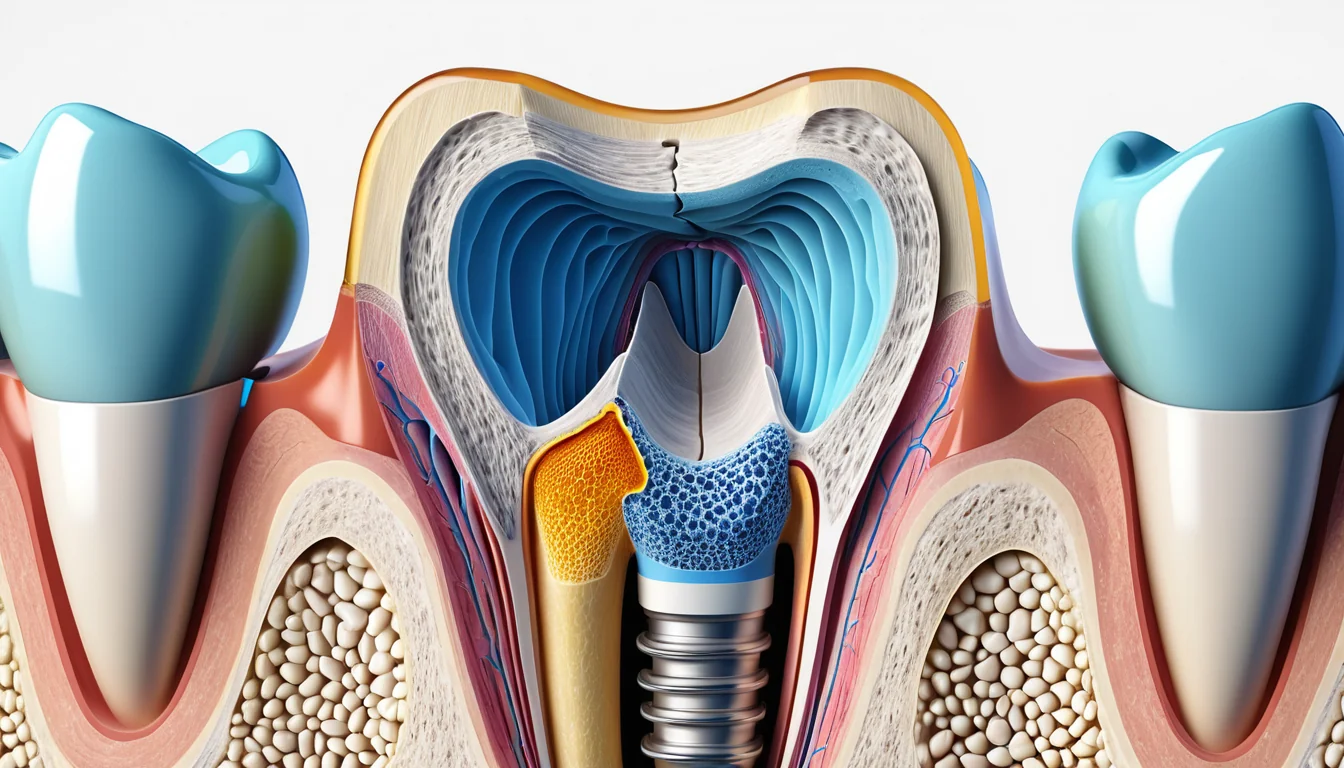
To understand sensitive teeth, it helps to know a little about how teeth are structured. Each tooth is covered by a thin outer layer called enamel. Enamel is the hardest substance in the human body. It protects the softer inner parts of the tooth.
Beneath the enamel lies a layer called dentin. Dentin is less dense than enamel and contains thousands of tiny channels called dentinal tubules. These tubules connect to the nerve inside the tooth.
The root of the tooth is protected by a layer called cementum. Cementum is less mineralised than enamel, which makes it more vulnerable to damage. When enamel or cementum wears away, dentin becomes exposed. As a result, heat, cold, acids, and other triggers can reach the nerve directly, causing pain.
Why Dentin Matters
Dentin also gives your teeth their colour. Because enamel is slightly translucent, the yellow tone of dentin shows through. When the protective layers are healthy and intact, the nerve inside your tooth stays well insulated. However, when those layers are compromised, sensitivity begins.
According to the Mayo Clinic’s overview of sensitive teeth, exposed dentin is the most common reason people experience tooth pain from everyday foods and drinks.
Common Causes of Sensitive Teeth
Sensitive teeth can develop for many reasons. Understanding the cause is the first step toward finding the right treatment. Here are the most common triggers.
Enamel and Surface Damage
- Aggressive brushing: Brushing too hard or using a hard-bristled toothbrush can wear down enamel and damage gum tissue.
- Acidic foods and drinks: Frequent consumption of citrus fruits, soft drinks, vinegar-based foods, and fruit juices can erode enamel over time.
- Tooth grinding (bruxism): Clenching or grinding your teeth, often during sleep, wears down the enamel surface.
- Cracked or worn fillings: Old or damaged fillings can expose deeper parts of the tooth to temperature and pressure.
- Untreated cavities: Tooth decay that reaches the dentin causes significant sensitivity and pain.
Gum-Related Causes
- Gum recession: When gums pull back from the tooth, the root becomes exposed. The root has no enamel to protect it, only cementum, which wears away more easily.
- Gingivitis: Inflamed and irritated gums can cause sensitivity, especially around the gumline.
- Gum disease (periodontal disease): A more serious gum infection that damages both the gum tissue and the bone supporting the teeth. Over time, it can loosen teeth and significantly increase sensitivity.
Dental Procedure-Related Sensitivity
Sometimes, sensitivity is a temporary side effect of a dental procedure. A recent filling, a professional cleaning, or teeth whitening treatment can all cause short-term sensitivity. In most cases, this type of sensitivity fades within a few days to a couple of weeks.
However, if sensitivity after a dental procedure lasts longer than two weeks, it is worth following up with your dentist.
Recognising the Symptoms of Sensitive Teeth
The main symptom of sensitive teeth is a sudden, sharp pain that comes on quickly and fades just as fast. It is typically triggered by a specific stimulus rather than being a constant ache.
Common triggers include:
- Cold foods and drinks, such as ice cream, iced coffee, or cold water
- Hot beverages like tea or coffee
- Sweet or sour foods
- Cold air, especially in a Canadian winter
- Biting down or chewing firm foods
It is important to tell your dentist exactly when and how the pain occurs. This helps them identify whether the issue is dentinal sensitivity, pulp irritation, or something else entirely. Healthline’s guide to sensitive teeth symptoms offers a helpful breakdown of these patterns.
How to Treat Sensitive Teeth
The right treatment for sensitive teeth depends on the underlying cause. Your dentist will assess your teeth and recommend the best approach for your situation. Here are the most common and effective options.
Desensitising Toothpaste
Switching to a toothpaste designed for sensitive teeth is often the first recommendation. These toothpastes contain active ingredients, such as potassium nitrate or stannous fluoride, that block the dentinal tubules. This helps reduce the signal that travels to the nerve.
Results are not instant. Most people notice improvement after two to four weeks of consistent use. Be sure to use the toothpaste as directed on the packaging.
Fluoride Treatments
Your dentist can apply a professional fluoride gel or varnish directly to sensitive areas. Fluoride strengthens enamel and helps seal the surface of exposed dentin. This treatment is quick, painless, and often very effective.
In addition, your dentist may prescribe a high-concentration fluoride gel for home use if your sensitivity is moderate to severe.
Dental Bonding and Sealants
If sensitivity is caused by exposed root surfaces, your dentist may apply a tooth-coloured bonding resin to the affected area. This physically covers the exposed dentin and reduces sensitivity significantly.
Gum Treatment
If gum recession or periodontal disease is the cause, treating the gum condition is essential. Your dentist may refer you to a periodontist, a specialist in gum health. In some cases, a gum graft procedure can cover exposed root surfaces and reduce sensitivity.
Changing Your Brushing Technique
Using a soft-bristled toothbrush and gentle, circular brushing motions protects your enamel and gums. Brushing too hard is one of the most preventable causes of sensitive teeth. Furthermore, brushing your teeth immediately after eating acidic foods can actually worsen enamel erosion. Wait at least 30 minutes after eating before brushing.
Dietary Adjustments
Reducing your intake of acidic foods and drinks can slow down enamel erosion. Rinsing your mouth with water after consuming acidic beverages also helps. Drinking through a straw can reduce how much acid contacts your teeth directly.
Preventing Sensitive Teeth
Good oral hygiene is the foundation of preventing sensitive teeth. Brush twice daily with a soft toothbrush, floss once a day, and rinse with a fluoride mouthwash. These simple habits protect your enamel and keep your gums healthy.
Regular dental check-ups are also essential. Most provincial health plans in Canada cover at least a portion of routine dental visits, and many employers offer dental benefits through their group plans. The Canadian Dental Care Plan, introduced in recent years, has also expanded access to dental care for eligible Canadians. Catching early signs of decay or gum disease before they cause sensitivity is much easier and less costly than treating advanced problems.
If you grind your teeth at night, ask your dentist about a custom night guard. This appliance protects your enamel while you sleep and can make a significant difference over time.
Health Canada’s information on fluoride and dental health provides additional guidance on protecting your teeth throughout your life.
When to See a Doctor or Dentist
Mild, occasional sensitivity that responds to desensitising toothpaste is usually not an emergency. However, some situations call for a prompt visit to your dentist or a walk-in dental clinic.
See a dental professional if you experience:
- Sensitivity that is getting worse over time rather than improving
- Pain that lingers for more than 30 seconds after the trigger is removed
- Sensitivity in one specific tooth, which may signal an infection or nerve damage
- Visible cracks, chips, or dark spots on a tooth
- Swollen or bleeding gums alongside tooth sensitivity
If you do not have a regular dentist, your family doctor can refer you to one, or you can visit a walk-in dental clinic in your community. Many provinces also have low-cost dental programmes for children, seniors, and lower-income residents. Check your provincial health authority’s website for details.
As always, this article is meant to inform, not replace professional medical or dental advice. Please speak with a qualified dentist or healthcare provider about your specific situation.
Frequently Asked Questions About Sensitive Teeth
Why do my sensitive teeth hurt more in winter?
Cold air is a well-known trigger for sensitive teeth. When you breathe in through your mouth during cold Canadian winters, the chilly air reaches exposed dentin and stimulates the nerve. Wearing a scarf over your mouth in very cold weather can help reduce this discomfort.
Can sensitive teeth be permanently cured?
In many cases, the underlying cause of sensitive teeth can be treated effectively, which provides long-term relief. For example, repairing a cracked filling, treating gum disease, or applying a dental sealant can significantly reduce or eliminate sensitivity. However, ongoing care and good oral hygiene are needed to prevent sensitivity from returning.
Is sensitive toothpaste safe to use every day?
Yes, toothpaste designed for sensitive teeth is safe for daily use. Most dentists recommend using it as your regular toothpaste rather than only when you notice pain. Consistent daily use is what allows the active ingredients to build up and reduce sensitivity over time.
Can whitening toothpaste or whitening strips cause sensitive teeth?
Yes, teeth whitening products are a common cause of temporary tooth sensitivity. The bleaching agents used in whitening strips and some toothpastes can penetrate the enamel and irritate the nerve. If you experience sensitivity during whitening, take a break from the product and speak with your dentist about gentler alternatives.
Does the Canadian Dental Care Plan cover treatment for sensitive teeth?
The Canadian Dental Care Plan covers eligible Canadians who meet income and insurance criteria, and it includes a range of basic dental services. Whether specific treatments for sensitive teeth are covered depends on the underlying diagnosis and the procedures involved. Check the Government of Canada’s official website or speak with your dentist’s billing office for the most current details.
How long does it take for sensitive teeth treatment to work?
According to Mayo Clinic’s guide to tooth decay and enamel erosion, this information is supported by current medical research.
For more information, read our guide on extended health benefits that may cover dental treatment in Canada.
The timeline depends on the treatment. Desensitising toothpaste typically takes two to four weeks of regular use before you notice a clear improvement. In-office fluoride treatments or dental bonding may provide more immediate relief. Your dentist can give you a realistic expectation based on your specific situation.
Key Takeaways
- Sensitive teeth are a common and treatable dental condition affecting many Canadians.
- Sensitivity occurs when enamel or cementum wears away, exposing the dentin and its nerve-connected tubules.
- Common causes include aggressive brushing, acidic foods, gum disease, tooth grinding, and untreated cavities.
- Treatment options range from desensitising toothpaste and fluoride applications to dental bonding and gum therapy.
- Good oral hygiene, a soft toothbrush, and regular dental check-ups are your best defence against sensitivity.
- If sensitivity is worsening, involves a single tooth, or comes with swollen gums, see a dentist promptly.
- Canadian dental resources, including the Canadian Dental Care Plan, may help cover costs for eligible residents.
Frequently Asked Questions
What are sensitive teeth?
Sensitive teeth occur when the protective enamel wears down or gums recede, exposing the porous dentin layer beneath. This allows hot, cold, sweet, or acidic foods and drinks to trigger sharp, sudden tooth pain. In Canada, it affects roughly 1 in 8 adults and is a treatable dental condition.
What are the most common symptoms of sensitive teeth?
Common symptoms include sudden, sharp pain when consuming hot or cold foods, sweet or acidic drinks, cold air, or during brushing and flossing. The discomfort is typically brief but intense. Pain concentrated in one or more teeth that occurs repeatedly is the hallmark sign of tooth sensitivity.
What is the best treatment for sensitive teeth?
The best treatments include desensitizing toothpaste containing potassium nitrate or stannous fluoride, fluoride gel applied by your dentist, dental bonding, or a gum graft for exposed roots. Your dentist will recommend the appropriate option based on the underlying cause of your tooth sensitivity.
How can you prevent sensitive teeth from getting worse?
Prevent worsening sensitivity by using a soft-bristled toothbrush, avoiding acidic foods and drinks, wearing a night guard if you grind your teeth, and maintaining regular dental checkups. Brushing gently with fluoride toothpaste twice daily helps preserve enamel and protect against further sensitivity.
When should you see a dentist for sensitive teeth?
See a dentist if tooth sensitivity is severe, persistent, or worsening, affects only one tooth, or is accompanied by visible damage, swelling, or prolonged pain. These signs may indicate a cavity, cracked tooth, or infection requiring prompt treatment rather than at-home sensitivity management.

About the Author
Dr. Sarah Mitchell, MDDr. Sarah Mitchell is a board-certified family physician with over 15 years of clinical experience. She completed her MD at the University of Toronto and her residency at Toronto General Hospital. Dr. Mitchell specializes in preventive medicine and chronic disease management. She is a member of the College of Family Physicians of Canada (CFPC) and has published over 30 peer-reviewed articles on preventive health care.
View all articles →