
Kyphosis Treatment: Causes, Types & Care in Canada

Share
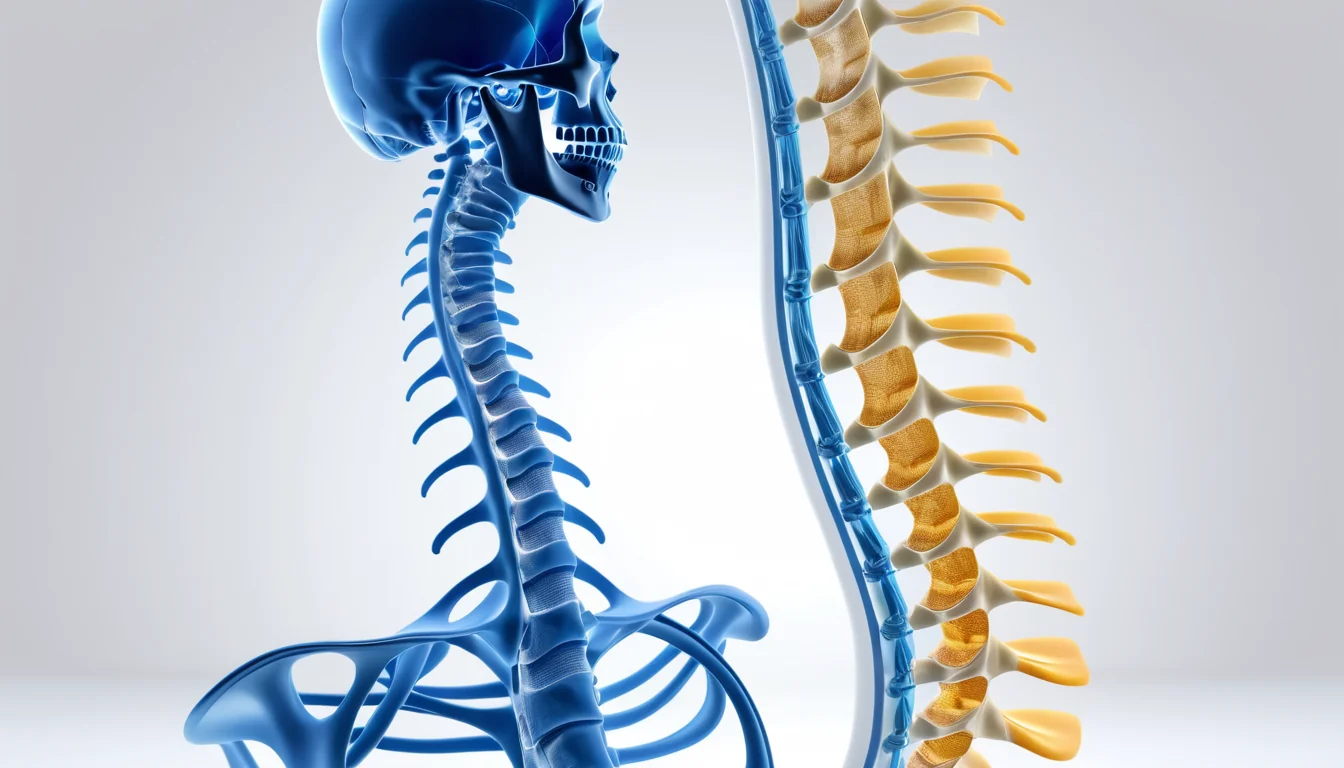
Kyphosis treatment starts with understanding the condition — and recognizing when your posture may signal something more serious. Kyphosis is a spinal condition that causes an abnormal forward rounding of the upper back, and it can affect Canadians of all ages, from newborns to seniors. Whether mild or severe, knowing your options is the first step toward better spinal health.
Kyphosis Treatment Options Available in Canada
There are many kyphosis causes, ranging from poor posture and muscle weakness to underlying bone conditions like osteoporosis. In Canada, access to physiotherapy, specialist referrals, and diagnostic imaging through provincial health plans means that early detection and effective care are within reach. In this article, we explain the types of kyphosis, who is most at risk, and what Canadian patients can do to manage or correct this condition.
What Is Kyphosis?
| Treatment Option | Best Suited For | Key Benefits | Important Considerations |
|---|---|---|---|
| Physiotherapy & Exercise | Mild to moderate postural kyphosis; all age groups | Strengthens core and back muscles; improves posture and flexibility; non-invasive with no recovery time | Requires consistent long-term commitment; referral through family physician often needed for OHIP/provincial coverage |
| Bracing (Orthotic Support) | Adolescents with Scheuermann’s kyphosis still growing; curves 45°–70° | Can halt curve progression during growth; avoids surgical intervention; customized by Canadian orthotists | Must be worn 16–23 hours daily; can affect self-esteem in teens; less effective once skeletal maturity is reached |
| Pain Management (Medications) | Adults with degenerative or osteoporotic kyphosis experiencing chronic pain | Reduces inflammation and discomfort; NSAIDs widely available; may allow better participation in physiotherapy | Long-term NSAID use carries gastrointestinal and cardiovascular risks; opioids generally not recommended for spinal pain management |
| Osteoporosis Medications | Adults with kyphosis caused by vertebral compression fractures and osteoporosis | Reduces fracture risk and further spinal collapse; bisphosphonates covered under many provincial drug plans | Must be taken exactly as prescribed; rare side effects include osteonecrosis of the jaw; requires regular bone density monitoring (DEXA scan) |
| Spinal Fusion Surgery | Severe kyphosis (curves greater than 70°–75°); cases with neurological symptoms or failed conservative treatment | Permanently corrects spinal curvature; relieves nerve compression; significantly improves quality of life in appropriate candidates | Major surgery with 3–6 month recovery; performed at specialized Canadian spine centres; wait times vary by province; risks include infection and hardware failure |
A healthy spine has natural curves when viewed from the side. These curves help absorb pressure from your body weight and keep you balanced. However, when one of these curves becomes too pronounced, problems can develop.
Kyphosis refers to an excessive forward rounding of the upper back. It is most noticeable between the shoulder blades, where the back curves outward and the neck pushes forward. In mild cases, it may look like poor posture. In more severe cases, it can cause pain, stiffness, and difficulty moving.
According to the Mayo Clinic’s overview of kyphosis, a spinal curve greater than 50 degrees is generally considered abnormal and may require treatment.
What Causes Kyphosis?
Kyphosis has many possible causes. Some are related to lifestyle habits, while others are linked to underlying medical conditions. Understanding the cause helps guide the right treatment.
Poor Posture and Muscle Weakness
One of the most common causes is simply poor posture over time. Spending long hours sitting at a desk, working on a computer, or driving can train your muscles and bones to settle into a forward-leaning position. Teenagers who grow quickly may also develop rounded backs because their muscles and ligaments haven’t kept pace with their bones.
In addition, some young people — especially girls going through puberty — may unconsciously hunch forward out of self-consciousness. Over time, this habitual posture can become harder to correct.
Bone and Joint Conditions
Several medical conditions can also lead to kyphosis. These include:
- Osteoporosis: A loss of bone density that causes vertebrae to compress or fracture, especially in older adults.
- Osteomalacia: Softening of the bones, often due to vitamin D deficiency.
- Ankylosing spondylitis: A type of inflammatory arthritis that affects the spine and is a common cause of kyphosis in adults.
- Scheuermann’s disease: A condition where vertebrae develop a wedge shape during adolescence, causing a rigid curve.
- Scoliosis: An abnormal sideways curve of the spine that can sometimes contribute to kyphosis.
Other Contributing Factors
Kyphosis can also result from spinal injuries, bone infections (such as tuberculosis of the spine), tumours near the spine, connective tissue disorders like Marfan syndrome or Ehlers-Danlos syndrome, and certain endocrine diseases. Long-term use of corticosteroid medications is another known risk factor.
For a broader look at spinal conditions and bone health, visit Health Canada’s official health information hub.
Types of Kyphosis
Not all cases of kyphosis are the same. Doctors classify it based on its cause, location, and whether the curve is flexible or fixed. Here are the most common forms.
Postural Kyphosis
This is the most common type, particularly among teenagers. It develops from habitual poor posture — for example, slumping at a school desk or over a phone. The good news is that postural kyphosis is not a permanent structural deformity. With posture correction exercises and improved muscle tone, the curve can often be reversed.
This type of curve tends to be flexible. When the person lies face-down or consciously straightens up, the curve reduces. This is an important distinction from more rigid forms of kyphosis.
Scheuermann’s Kyphosis
Also called juvenile hyperkyphosis, Scheuermann’s kyphosis develops during childhood or adolescence. In this condition, the vertebrae grow unevenly and take on a triangular or wedge shape instead of a rectangular one. As a result, the spine curves forward more than normal.
Unlike postural kyphosis, Scheuermann’s kyphosis is structural. This means the curve does not straighten when the person lies down or tries to stand tall. It typically requires professional treatment, which may include physiotherapy, bracing, or in severe cases, surgery.
Congenital Kyphosis
Congenital kyphosis is present from birth. It develops when the spine does not form properly in the womb. Symptoms may be visible at birth, or they may not appear until childhood or adolescence. This form of kyphosis is less common, but it can be serious if left untreated.
Without treatment, congenital kyphosis can worsen over time and may eventually affect movement and sensation in the lower body. Surgery is often recommended early in life to realign the spine and prevent further deformity.
Secondary Kyphosis
Secondary kyphosis develops as a result of another condition or injury. Common causes include vertebral fractures from osteoporosis, improperly healed spinal injuries, inflammatory diseases like ankylosing spondylitis, vitamin D deficiency, prolonged inactivity during growth years, and muscular disorders such as muscular dystrophy or the effects of polio.
Treatment for secondary kyphosis focuses on managing the underlying condition as well as addressing the spinal curve itself.
Kyphosis in Older Adults and Children
Kyphosis can look quite different depending on a person’s age, and the approach to care often varies as well.
Kyphosis in Older Adults
In older Canadians, kyphosis is frequently linked to osteoporosis. As bone density decreases, vertebrae can compress or crack under normal body weight. This leads to a noticeable forward curve in the upper back — sometimes called a “dowager’s hump.” Women are more likely to develop this curve in the lower thoracic and lumbar region, while men more commonly experience it in the cervical and upper thoracic area.
Maintaining bone health through calcium-rich foods, adequate vitamin D, and regular weight-bearing exercise can help reduce the risk. Talk to your family doctor about bone density screening, especially if you are over 50.
Kyphosis in Children and Adolescents
Children can develop kyphosis either from abnormal spinal development in the womb or as a result of rapid growth during adolescence. Because children grow quickly, kyphosis in a young person can progress much faster than in an adult. Therefore, regular monitoring by a healthcare provider is especially important.
Parents who notice their child consistently slouching, or who observe an uneven curve in the spine, should bring this to the attention of their family doctor as soon as possible. Early detection leads to better outcomes.
The Healthline guide to kyphosis offers additional information on how this condition affects different age groups.
When to See a Doctor
Not every rounded back requires urgent medical attention, but some signs should prompt you to seek care sooner rather than later. You should speak with a healthcare provider if you notice any of the following:
- A noticeable hump or rounding of the upper back
- Back pain or stiffness that doesn’t improve with rest
- Fatigue in the back muscles
- A curve that seems to be getting worse over time
- Tingling, numbness, or weakness in the legs (seek care urgently)
- Difficulty breathing or swallowing in severe cases
In Canada, your first stop should be your family doctor or a walk-in clinic if you don’t have a regular physician. They can assess your posture, order imaging such as an X-ray, and refer you to a specialist — such as an orthopaedic surgeon, rheumatologist, or physiotherapist — if needed. Most provincial health plans cover these referrals and diagnostic tests.
It is always a good idea to consult a qualified healthcare professional before starting any new treatment or exercise programme for kyphosis.
Frequently Asked Questions About Kyphosis
Can kyphosis be corrected without surgery?
In many cases, yes. Postural kyphosis — the most common type — can often be improved with targeted exercises, physiotherapy, and posture correction. However, structural forms of kyphosis, such as Scheuermann’s kyphosis or congenital kyphosis, may require bracing or surgery depending on the severity. Your doctor can help determine the right approach for your situation.
Is kyphosis the same as scoliosis?
No, they are different conditions. Kyphosis refers to an excessive forward rounding of the spine, most often in the upper back. Scoliosis, on the other hand, is an abnormal sideways curvature of the spine. However, a person can have both conditions at the same time. Both should be assessed by a healthcare professional.
What exercises help with kyphosis?
Exercises that strengthen the upper back, core, and postural muscles can be helpful for kyphosis, especially the postural type. These may include rows, chest openers, and back extensions. A registered physiotherapist can design a safe programme tailored to your specific type and degree of kyphosis. Always get professional guidance before starting a new exercise routine.
Is kyphosis painful?
It depends on the type and severity. Mild postural kyphosis may cause little to no pain. More severe or structural forms of kyphosis can lead to chronic back pain, muscle fatigue, and stiffness. In very advanced cases, kyphosis may affect breathing or cause nerve-related symptoms. Seeking early assessment is the best way to prevent pain from worsening.
Can children outgrow kyphosis?
Some mild cases of postural kyphosis in children and teens do improve with growth, better posture habits, and strengthening exercises. However, structural types like Scheuermann’s kyphosis or congenital kyphosis do not resolve on their own and often require treatment. Because kyphosis can progress quickly in growing children, regular monitoring by a family doctor or specialist is very important.
Does osteoporosis cause kyphosis?
According to Mayo Clinic’s overview of kyphosis, this information is supported by current medical research.
For more information, read our guide on telehealth services in Canada for ongoing care.
Yes, osteoporosis is a common cause of kyphosis in older adults. When bones lose density, spinal vertebrae can compress or fracture, causing the spine to curve forward. This is especially common in post-menopausal women. Preventing osteoporosis through diet, exercise, and regular bone density screenings can help reduce the risk of developing kyphosis later in life.
Key Takeaways
- Kyphosis is an abnormal forward rounding of the spine, most common in the upper back.
- It can be caused by poor posture, rapid growth, osteoporosis, inflammatory diseases, injuries, or congenital conditions.
- The main types are postural kyphosis, Scheuermann’s kyphosis, congenital kyphosis, and secondary kyphosis.
- Postural kyphosis can often be improved with exercise and lifestyle changes; structural types may need bracing or surgery.
- Kyphosis in children can progress quickly — early detection and monitoring are essential.
- If you or your child shows signs of an abnormal spinal curve, speak with your family doctor or visit a walk-in clinic. Most provincial health plans cover the assessments and referrals you may need.
- Always consult a qualified healthcare professional before beginning any new treatment or exercise programme.
Frequently Asked Questions
What is kyphosis?
Kyphosis is an excessive forward curvature of the upper spine, causing a rounded or hunched back appearance. The spine naturally curves slightly, but kyphosis involves a curve greater than 50 degrees. It can affect people of all ages and ranges from mild postural issues to severe structural spinal deformities requiring medical treatment.
What are the symptoms of kyphosis?
Common kyphosis symptoms include a visibly rounded upper back, back pain or stiffness, muscle fatigue, and in severe cases, breathing difficulties or nerve compression. Some people experience tenderness along the spine. Mild cases may cause no pain, while severe kyphosis can significantly impact posture, mobility, and overall quality of life.
What are the kyphosis treatment options available in Canada?
Kyphosis treatment in Canada depends on severity and cause. Options include physiotherapy, core-strengthening exercises, pain management, and back bracing for growing adolescents. Severe structural cases may require surgery such as spinal fusion. Canadian patients can access treatment through family physicians, orthopaedic surgeons, or physiotherapists covered under provincial health plans.
Can kyphosis be prevented?
Postural kyphosis can often be prevented through regular exercise, maintaining a healthy weight, practising good posture, and avoiding prolonged slouching. Adequate calcium and vitamin D intake helps prevent osteoporotic kyphosis in older adults. Degenerative or congenital forms are harder to prevent but can be managed effectively with early intervention and appropriate kyphosis treatment.
When should I see a doctor about kyphosis in Canada?
See a doctor if you notice a progressively worsening rounded back, persistent back pain, numbness, weakness in the legs, or difficulty breathing. Early diagnosis improves kyphosis treatment outcomes significantly. Canadian patients should consult their family physician, who can provide referrals to orthopaedic specialists, neurologists, or physiotherapists as needed.

About the Author
Dr. James Okafor, MD, PhDDr. James Okafor holds an MD and PhD in Neurological Sciences from McGill University. With 12 years of experience in clinical neurology and mental health research, he has contributed to landmark studies on depression, anxiety, and cognitive health. Dr. Okafor is a Fellow of the Royal College of Physicians and Surgeons of Canada and serves on the editorial board of two peer-reviewed journals.
View all articles →