
Back Strengthening Exercises: Build a Stronger Spine (2025)

Share
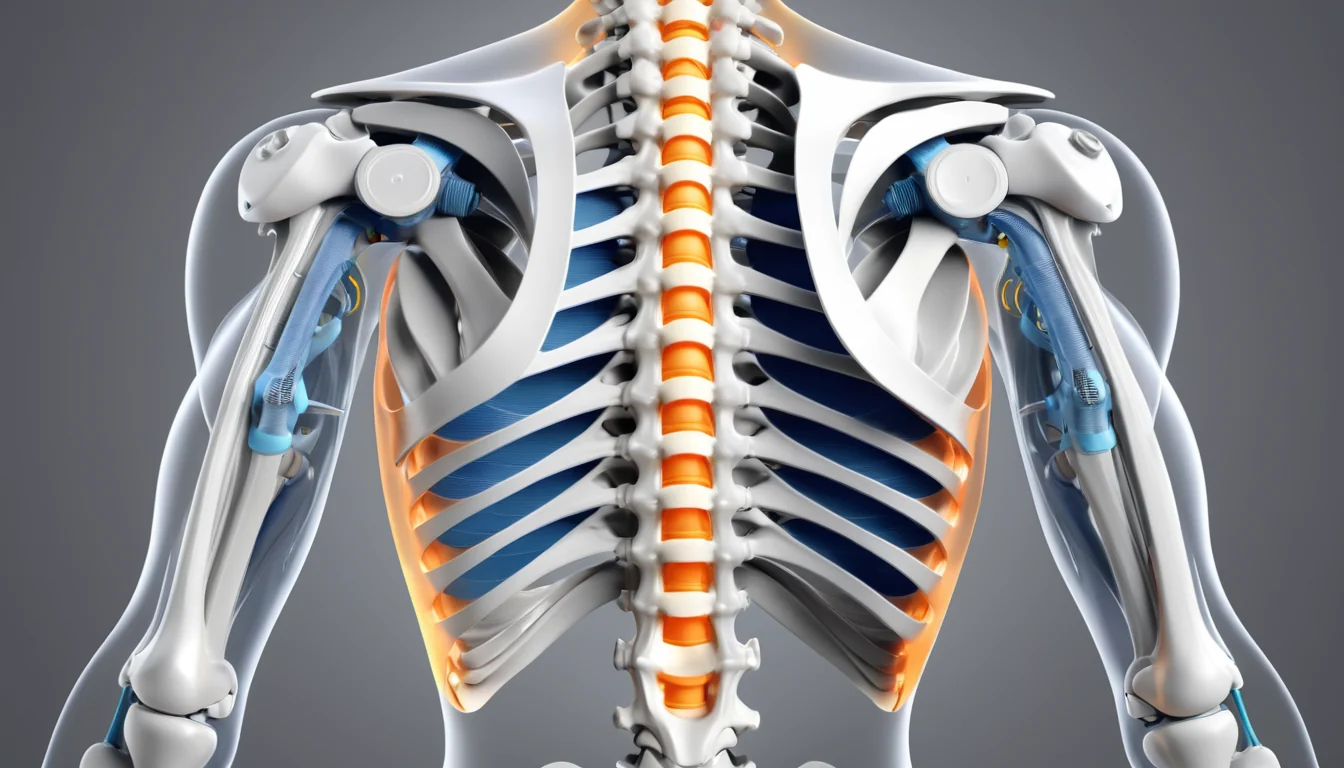
Back strengthening exercises are one of the most effective ways to protect your spine, improve your posture, and reduce everyday back pain. Whether you sit at a desk all day or stay active outdoors, a strong back is essential for long-term mobility and comfort. Most Canadians over 40 will experience some form of back discomfort in their lifetime, making these routines more important than ever.
Why Back Strengthening Exercises Matter for Canadians
The good news is that a few simple exercises to strengthen your back can make a real difference — even if you are just getting started. This article explains why your back muscles matter, outlines a step-by-step guide to safe lower back strengthening, and helps you know when to reach out to a Canadian healthcare provider for further support.
Why Back Strengthening Exercises Matter
| Exercise Type | Primary Muscles Targeted | Benefits | Best For |
|---|---|---|---|
| Core Stabilization (e.g., Bird-Dog, Dead Bug) | Transverse abdominis, multifidus, pelvic floor | Improves spinal stability, reduces injury risk, suitable for all fitness levels | Beginners, post-rehabilitation, chronic low back pain |
| Lumbar Extension (e.g., Superman, Back Extensions) | Erector spinae, gluteus maximus, hamstrings | Strengthens lower back, improves posture, reduces lumbar strain | Individuals with weak lower back muscles, sedentary workers |
| Hip Hinge Movements (e.g., Deadlifts, Romanian Deadlifts) | Glutes, hamstrings, erector spinae, lats | Builds functional posterior chain strength, supports everyday lifting mechanics | Intermediate to advanced exercisers, athletes, injury prevention |
| Rowing and Pull Movements (e.g., Seated Row, Lat Pulldown) | Latissimus dorsi, rhomboids, trapezius, rear deltoids | Improves upper back strength, counteracts forward posture, reduces neck tension | Office workers, individuals with kyphosis or rounded shoulders |
| Yoga and Pilates-Based Movements (e.g., Cat-Cow, Pilates Hundred) | Deep spinal stabilizers, obliques, hip flexors | Enhances flexibility, reduces muscle tension, supports mind-body connection | Older adults, those managing chronic back pain, stress-related tension |
Your back muscles do far more than help you lift and carry. They hold your spine in its natural position and keep you upright throughout the day. When these muscles are weak, your posture suffers — and so does your health.
Poor posture is not just about appearance. It can compress your internal organs and make it harder to breathe deeply. Over time, poor alignment puts extra stress on your joints and discs, leading to pain and stiffness.
As we age, the joints and discs of the spine naturally begin to wear down. This process, called degenerative joint disease or spondylosis, is very common after age 40. However, strong back muscles can slow this process and ease its symptoms significantly.
According to Health Canada, regular physical activity is essential for maintaining musculoskeletal health at every age. Back strengthening exercises are a key part of that activity.
Understanding Your Back Muscles
Before you start exercising, it helps to understand which muscles you are working. The main muscles of the back include the latissimus dorsi (the large muscles on either side of your back), the rhomboids (between your shoulder blades), and the trapezius (running from your neck down to your mid-back).
These muscles work together to move your arms, stabilize your shoulders, and keep your spine straight. When they are strong and balanced, your posture improves naturally.
There is also an important balance to maintain. If your chest muscles are much stronger than your back muscles, your shoulders will roll forward. This creates an imbalance that leads to rounded posture, neck tension, and upper back pain.
Furthermore, the muscles along either side of your cervical spine (your neck) are often the first to show signs of strain. You may feel this as tightness or stiffness in your neck and upper shoulders — a very common complaint among Canadians who work at desks.
Back Strengthening Exercises: A Step-by-Step Guide
The following back strengthening exercises target the major muscle groups of the back. They are suitable for most adults, though you should always check with your family doctor before starting a new exercise programme, especially if you have an existing back condition.
Exercise 1: Single-Arm Dumbbell Row
This exercise targets the rhomboids, latissimus dorsi, and trapezius muscles. Start by standing with your right foot slightly in front of your left. Keep your back straight and hold a light dumbbell — around 2 to 3 kilograms — in your left hand.
Slowly raise your arm upward, then lower it back down in a controlled motion. Follow this with an adduction movement, drawing your arm in toward your body. Perform 10 to 15 repetitions, then switch sides.
You are doing this exercise correctly when your back stays flat and you feel a pleasant, non-painful tension across your upper back and shoulder blade area. If the tension begins to feel too easy, try moving up to a slightly heavier weight.
Exercise 2: Bird Dog
The bird dog exercise is excellent for building stability in the lower back and core. Start on all fours, with your hands directly under your shoulders and your knees under your hips. Keep your spine in a neutral position — not arched or rounded.
Slowly extend your right arm forward and your left leg back at the same time. Hold for two to three seconds, then return to the starting position. Repeat on the opposite side. Aim for 10 repetitions per side.
This movement trains your back muscles to work together with your core. As a result, it helps protect your spine during everyday activities like bending, lifting, and twisting.
Exercise 3: Superman Hold
Lie face down on a mat with your arms stretched out in front of you. Gently lift your arms, chest, and legs off the floor at the same time. Hold this position for two to three seconds, then lower back down slowly.
This exercise targets the erector spinae — the long muscles that run along your spine. These muscles are critical for maintaining an upright posture. Perform 10 to 12 repetitions.
Exercise 4: Wall Angels
Stand with your back flat against a wall, your feet about 15 centimetres from the base. Press your lower back, upper back, and head gently into the wall. Raise your arms to shoulder height with your elbows bent at 90 degrees — like a goalpost shape.
Slowly slide your arms upward along the wall, keeping contact the whole time, then bring them back down. Perform 10 to 15 slow, controlled repetitions. This movement is especially helpful for improving posture in the upper back and neck.
How Often Should You Do Back Strengthening Exercises?
For most people, performing back strengthening exercises two to three times per week is enough to see meaningful improvement. Your muscles need rest between sessions to recover and grow stronger. Avoid working the same muscle groups on consecutive days.
In addition, consistency matters more than intensity. A short, regular routine done three times a week will produce better results than one intense session followed by a long break.
The Mayo Clinic recommends combining strengthening exercises with gentle stretching to get the most benefit for back health. Stretching helps reduce muscle tension and improves flexibility around the spine.
Start slowly, especially if you are new to exercise or returning after time off. Begin with lighter weights and fewer repetitions, then gradually increase as your strength improves. This approach reduces the risk of injury.
The Link Between Posture and Back Health
Many Canadians spend long hours sitting — at a desk, in a car, or on a couch. This sedentary behaviour is one of the leading contributors to back pain and poor posture. However, it is a problem you can actively work to reverse.
When your back muscles are strong, they naturally hold your spine in better alignment. You will find yourself sitting and standing taller without having to think about it. This improved posture also reduces fatigue and muscle tension at the end of the day.
Poor posture also affects your breathing. A rounded upper back compresses the chest cavity, which limits how fully your lungs can expand. Strengthening the muscles between and around your shoulder blades helps open the chest and supports deeper, easier breathing.
Furthermore, good posture supports healthy organ function. When your spine is properly aligned, there is less compression on the abdominal and pelvic organs. This matters more than most people realize.
Additional Tips for a Healthy Back
Exercise is just one part of a healthy back. There are several other habits that support spine health in everyday Canadian life.
- Stay active throughout the day. Take short walking breaks if you work at a desk. Even five minutes of movement every hour can reduce back stiffness.
- Lift properly. Bend your knees, not your back, when picking up heavy objects. Hold items close to your body as you lift.
- Sleep on a supportive mattress. A mattress that is too soft or too firm can worsen back pain. Sleeping on your side with a pillow between your knees helps maintain spinal alignment.
- Maintain a healthy body weight. Extra weight, especially around the abdomen, puts additional strain on the lower back. A balanced diet rich in fibre, lean protein, and calcium supports both weight management and bone health.
- Manage stress. Emotional stress can cause people to tense their shoulders and neck without realizing it. Techniques like deep breathing, walking, or yoga can help relax the back muscles.
The World Health Organization recommends at least 150 minutes of moderate activity per week for adults. Incorporating back strengthening exercises into this routine is a practical and effective choice.
When to See a Doctor
Most mild back pain responds well to rest, gentle movement, and back strengthening exercises. However, some symptoms need professional attention. Talk to your family doctor or visit a walk-in clinic if you experience any of the following:
- Back pain that is severe or getting worse over time
- Pain that radiates down one or both legs (this may be a sign of sciatica or a disc problem)
- Numbness, tingling, or weakness in your legs or feet
- Back pain after a fall or injury
- Pain that wakes you from sleep
- Back pain accompanied by fever, unexplained weight loss, or bladder and bowel changes
Your family doctor can assess your back and refer you to a physiotherapist, chiropractor, or specialist through your provincial health plan if needed. Many provinces also cover physiotherapy for musculoskeletal conditions, so ask your doctor what is available in your area.
Do not wait too long to seek help. Early assessment and treatment lead to better outcomes and can prevent a short-term issue from becoming a long-term problem.
Frequently Asked Questions
What are the best back strengthening exercises for beginners?
The best back strengthening exercises for beginners include the bird dog, superman hold, and single-arm dumbbell row with a light weight. These moves are low-impact and easy to learn at home without special equipment. Start with two sets of 10 repetitions and gradually increase as your strength improves.
How long does it take to see results from back strengthening exercises?
Most people notice improved posture and reduced muscle tension within two to four weeks of consistent back strengthening exercises. Significant strength gains typically take six to eight weeks. Consistency is key — short, regular sessions three times per week will deliver better results than occasional intense workouts.
Can back strengthening exercises relieve chronic back pain?
Yes, targeted back strengthening exercises can significantly reduce chronic back pain caused by muscle weakness and poor posture. Stronger muscles better support the spine and reduce pressure on the joints and discs. However, always consult your family doctor or a physiotherapist before starting a programme if you have chronic or recurring pain.
Are back strengthening exercises safe for people over 40?
Back strengthening exercises are generally very safe and highly beneficial for adults over 40. In fact, they are especially important at this age because back muscles naturally weaken as we get older. Start with lighter resistance and lower repetitions, and always check with your family doctor if you have any existing spine conditions.
Should I exercise my back if I currently have back pain?
Gentle movement and specific back strengthening exercises can actually help mild to moderate back pain by improving circulation and reducing muscle stiffness. However, you should avoid exercise during a severe pain flare-up. Visit a walk-in clinic or your family doctor to rule out any serious underlying cause before starting an exercise programme.
How do back strengthening exercises improve posture?
According to Mayo Clinic’s guide to back exercises and pain prevention, this information is supported by current medical research.
For more information, read our guide on abdominal cramps and related core health issues.
Back strengthening exercises build up the muscles that hold your spine in its natural alignment. When these muscles are strong, they counterbalance the pull of the chest muscles and prevent rounded shoulders and forward head posture. Over time, good muscle tone makes correct posture feel natural and effortless throughout the day.
Key Takeaways
- Back strengthening exercises are essential for protecting your spine and reducing back pain, especially after age 40.
- Key muscles to target include the latissimus dorsi, rhomboids, and trapezius.
- Effective exercises include the single-arm dumbbell row, bird dog, superman hold, and wall angels.
- Aim for two to three sessions per week, with rest days in between for muscle recovery.
- Strong back muscles improve posture, reduce fatigue, support breathing, and lower the risk of injury.
- Combine exercise with healthy habits: proper lifting technique, regular movement breaks, a supportive sleep environment, and a balanced diet rich in fibre and calcium.
- If you experience severe, radiating, or persistent back pain, contact your family doctor or visit a walk-in clinic. Your provincial health plan may cover physiotherapy or specialist referrals.
- Always consult a healthcare professional before beginning a new exercise programme, particularly if you have a history of back problems.
Frequently Asked Questions
What are back strengthening exercises?
Back strengthening exercises are targeted movements designed to build muscle support around your spine, including the core, glutes, and paraspinal muscles. Common examples include bridges, bird-dogs, deadlifts, and planks. These exercises improve posture, reduce injury risk, and help manage or prevent chronic lower back pain.
What are the symptoms of a weak back that back strengthening exercises can help?
Symptoms of a weak back include chronic lower back pain, poor posture, muscle fatigue after standing or sitting, reduced flexibility, and recurring injuries. You may also experience stiffness in the morning or difficulty performing daily tasks. Targeted strengthening exercises can significantly reduce these symptoms over time.
How often should I do back strengthening exercises to see results?
Most physiotherapists recommend performing back strengthening exercises 3 to 4 times per week for noticeable results within 4 to 6 weeks. Consistency is key. Begin with low-intensity movements, gradually increasing resistance and repetitions to avoid overloading the spine and reduce the risk of muscle strain.
Can back strengthening exercises prevent lower back pain?
Yes, regular back strengthening exercises are one of the most effective ways to prevent lower back pain. Strengthening core and spinal muscles provides better support to vertebral discs and joints, reducing strain. Canadian clinical guidelines strongly recommend exercise-based prevention for adults at risk of developing chronic back pain.
When should I see a doctor before starting back strengthening exercises?
See a doctor before starting back strengthening exercises if you experience severe or radiating pain down your leg, numbness, tingling, bladder or bowel changes, or pain following an injury. These may indicate serious conditions like herniated discs or spinal stenosis requiring medical assessment before any exercise program begins.

About the Author
Dr. Linda Chen, RD, PhDDr. Linda Chen is a registered dietitian and PhD in Nutritional Sciences from the University of British Columbia. With expertise in clinical nutrition, sports dietetics, and gut health, she has worked with leading Canadian hospitals and sports organizations. Dr. Chen is a member of Dietitians of Canada and regularly contributes to national nutrition policy discussions.
View all articles →