Endocrine Disorders: Symptoms, Types & Treatment in Canada

Share

Dr. Linda Chen, RD, PhD
Dr. Linda Chen is a registered dietitian and PhD in Nutritional Sciences…
Endocrine disorders affect millions of Canadians and can disrupt nearly every critical function in the body, from metabolism and mood to energy and weight management. These conditions develop when the glands responsible for producing hormones malfunction, leading to either an excess or deficiency of essential chemical messengers that regulate your health.
Common Types of Endocrine Disorders Affecting Canadians
Understanding the endocrine system hormones and how they influence your body is the first step toward early detection and effective treatment. Whether you are dealing with a thyroid condition, diabetes, or another hormonal imbalance, this guide covers the most common types, warning signs, and treatment options available to Canadians so you can take informed control of your well-being.
What Is the Endocrine System?
| Type of Endocrine Disorder | Affected Gland / Hormone | Key Characteristics | Primary Management Approach |
|---|---|---|---|
| Type 2 Diabetes | Pancreas / Insulin | Insulin resistance, elevated blood glucose, increased thirst and urination, fatigue; affects approximately 3.7 million Canadians | Lifestyle modification, oral medications (e.g., metformin), insulin therapy, regular blood glucose monitoring |
| Hypothyroidism | Thyroid / Thyroid Hormone (T3, T4) | Underactive thyroid causing fatigue, weight gain, cold sensitivity, depression, and slowed metabolism; more common in women over 60 | Daily levothyroxine (synthetic thyroid hormone), regular TSH blood tests, dietary iodine adequacy |
| Hyperthyroidism | Thyroid / Thyroid Hormone (T3, T4) | Overactive thyroid causing rapid heartbeat, unintentional weight loss, anxiety, heat intolerance, and tremors | Anti-thyroid medications (methimazole), radioactive iodine therapy, beta-blockers, or surgical thyroidectomy |
| Cushing’s Syndrome | Adrenal Glands / Cortisol | Excess cortisol causing central weight gain, moon face, purple stretch marks, high blood pressure, and increased infection risk | Reducing corticosteroid use if medication-induced, surgery to remove tumour, radiation therapy, adrenal-blocking medications |
| Polycystic Ovary Syndrome (PCOS) | Ovaries / Estrogen, Progesterone, Androgens | Hormonal imbalance causing irregular periods, excess androgen levels, ovarian cysts, acne, and fertility challenges | Hormonal contraceptives, metformin for insulin resistance, lifestyle changes, fertility treatments if conception desired |
| Addison’s Disease | Adrenal Glands / Cortisol, Aldosterone | Adrenal insufficiency causing chronic fatigue, low blood pressure, darkened skin, salt cravings, and risk of adrenal crisis | Lifelong corticosteroid and mineralocorticoid replacement therapy, stress-dose adjustments, medical alert identification |
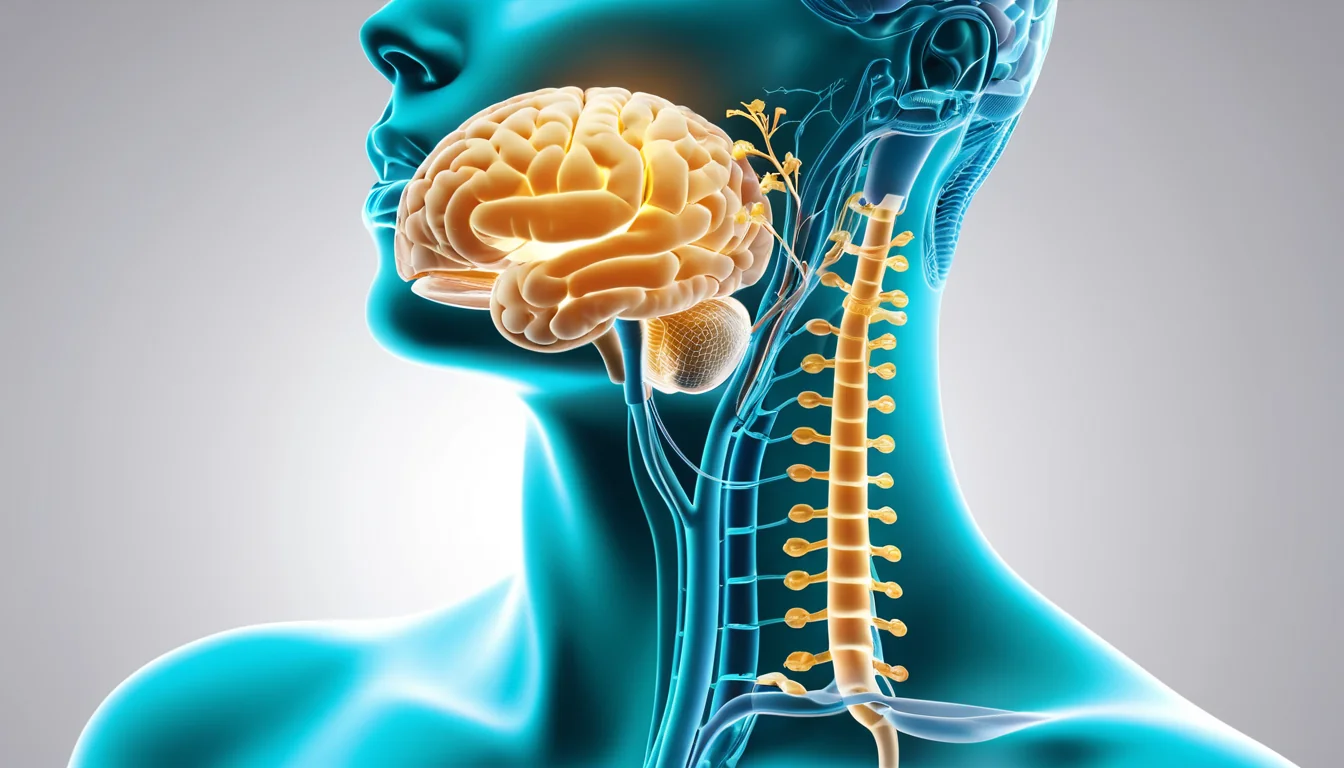
The endocrine system is a network of glands that produce and release hormones directly into the bloodstream. These hormones act as chemical messengers, travelling throughout the body to control important functions. These functions include digestion, reproduction, fluid balance, and maintaining a stable internal environment.
The main glands in the endocrine system include:
- The hypothalamus and pituitary gland, located in the brain
- The thyroid and parathyroid glands, found at the base of the neck
- The adrenal glands, which sit above the kidneys
- The pancreas, which also plays a role in digestion
- The pineal gland, located deep in the brain
- The reproductive glands — ovaries in women, testes in men
These glands work closely with the immune system and nervous system to keep the body healthy. When one gland stops functioning correctly, it can affect the entire body. For example, a problem with the thyroid gland can change your weight, mood, and energy all at once.
What Are Endocrine Disorders?
Endocrine disorders are conditions caused by problems with one or more of the body’s hormone-producing glands. A gland may produce too much hormone, too little, or none at all. As a result, the body’s normal processes can be thrown off balance.
Hormones help regulate breathing, body weight, fluid levels, and sexual development, among other things. When hormone levels are too high or too low, symptoms can appear in many parts of the body at once. This can sometimes make endocrine disorders difficult to diagnose because their symptoms often resemble other illnesses.
According to Health Canada, chronic conditions related to hormonal imbalance — including diabetes — are among the most common long-term health concerns facing Canadians today.
The most common endocrine disorders include:
- Diabetes mellitus
- Hypothyroidism
- Hyperthyroidism
- Graves’ disease
- Hashimoto’s thyroiditis
- Cushing’s syndrome
- Addison’s disease
- Acromegaly
- Prolactinoma
If left untreated, endocrine disorders can negatively affect the entire body. However, most conditions can be managed effectively with the right treatment plan.
Common Types of Endocrine Disorders and Their Symptoms
Each endocrine disorder affects the body in a different way. Below is a guide to the most common conditions, along with their key symptoms.
Diabetes Mellitus
Diabetes is one of the most widespread endocrine disorders in Canada. It occurs when the pancreas does not produce enough insulin, or when the body cannot use insulin properly. Insulin is the hormone that helps your cells absorb sugar from food for energy.
Common symptoms of diabetes include:
- Excessive thirst or hunger
- Frequent urination
- Unexplained weight loss or weight gain
- Fatigue and low energy
- Nausea and vomiting
- Changes in vision
Hypothyroidism
Hypothyroidism happens when the thyroid gland does not produce enough thyroid hormones. It is a very common condition, particularly among Canadian women. Many people with hypothyroidism have mild or no symptoms at first, which makes it easy to miss.
Symptoms of hypothyroidism may include:
- Fatigue and sluggishness
- Sensitivity to cold
- Constipation
- Dry hair or hair loss
- Muscle and joint pain
- Irregular or missed menstrual periods
- A slow heart rate
- Weight gain
- A swollen neck (goitre)
Hyperthyroidism
Hyperthyroidism is the opposite of hypothyroidism — the thyroid gland becomes overactive and produces too many hormones. This speeds up many of the body’s processes. As a result, people often feel anxious, tired, and overheated.
Symptoms of hyperthyroidism include:
- Unexplained weight loss
- Rapid or irregular heartbeat (tachycardia)
- Trembling hands
- Sensitivity to heat
- Diarrhoea
- Difficulty sleeping
- Fatigue and muscle weakness
- Irritability and mood changes
- A swollen neck (goitre)
Graves’ Disease
Graves’ disease is a type of hyperthyroidism caused by an overactive immune response. The immune system mistakenly attacks the thyroid, causing it to produce too many hormones. It is the most common cause of hyperthyroidism in Canada.
In addition to hyperthyroid symptoms, Graves’ disease may also cause:
- Protruding or bulging eyes (Graves’ ophthalmopathy)
- Thickened, reddish skin on the shins
- Visible swelling at the front of the neck
Hashimoto’s Thyroiditis
Hashimoto’s thyroiditis is an autoimmune condition where the immune system attacks the thyroid gland. Over time, this damage reduces the thyroid’s ability to make hormones, leading to hypothyroidism. It is one of the leading causes of an underactive thyroid in Canada.
Hashimoto’s disease is often symptom-free in the early stages. However, as thyroid function declines, symptoms may include:
- Fatigue
- Sensitivity to cold
- Constipation
- Dry hair and hair loss
- Muscle and joint pain
- Slow heart rate
- Weight gain
- Missed menstrual periods
- A swollen neck (goitre)
Cushing’s Syndrome
Cushing’s syndrome occurs when the body is exposed to too much cortisol for a long period of time. Cortisol is a stress hormone made by the adrenal glands. In some cases, taking corticosteroid medications causes this condition.
Common signs of Cushing’s syndrome include:
- A rounded, puffy face
- Weight gain in the upper body and abdomen
- A fatty lump between the shoulders (buffalo hump)
- Thinning and fragile bones
- High blood pressure
- High blood sugar (hyperglycaemia)
- Skin discolouration and easy bruising
- Excessive thirst and frequent urination
- Fatigue and muscle weakness
- Mood changes and irritability
Addison’s Disease
Addison’s disease occurs when the adrenal glands are damaged and produce too little cortisol and aldosterone. These hormones help control blood pressure, metabolism, and the body’s response to stress. Addison’s disease is rare but can be serious if untreated.
Symptoms of Addison’s disease include:
- Extreme fatigue
- Low blood pressure
- Low blood sugar (hypoglycaemia)
- Nausea, vomiting, and diarrhoea
- Craving for salty foods
- Unexplained weight loss
- Loss of appetite
- Depression
- Headache
- Missed menstrual periods
- Muscle weakness
Acromegaly
Acromegaly is a rare condition where the pituitary gland produces too much growth hormone. This causes abnormal bone and tissue growth, especially in the hands, feet, and face. It usually develops slowly over many years, making it hard to notice at first.
Symptoms of acromegaly include:
- Abnormally large hands or feet
- Enlarged lips, nose, or tongue
- Changes in facial bone structure
- Joint and body pain
- Deepening of the voice
- Headaches
- Thickening of the skin
- Sexual dysfunction and reduced sex drive
- Sleep apnea
- Vision problems
How Are Endocrine Disorders Treated?
Treatment for endocrine disorders depends on which gland is affected and whether it is overactive or underactive. Most treatments focus on restoring normal hormone levels in the body. This often involves taking synthetic hormones to replace what the gland is not producing.
For example, people with hypothyroidism typically take a daily thyroid hormone pill. People with diabetes manage their condition through diet, exercise, medication, or insulin injections. Furthermore, some conditions — like Cushing’s syndrome — may require surgery or radiation therapy to treat the underlying cause.
The Mayo Clinic’s overview of endocrine system conditions explains that early diagnosis and consistent treatment are key to managing these disorders effectively. In addition, regular follow-up appointments help your doctor adjust your treatment as needed.
Untreated endocrine disorders can lead to serious complications, including heart disease, nerve damage, and organ failure. Therefore, it is important to seek care as early as possible if you notice unusual symptoms.
When to See a Doctor
You should speak with your family doctor if you notice any of the symptoms described in this article, especially if they are new or getting worse. Many endocrine disorders develop slowly, so it is easy to dismiss early warning signs as normal tiredness or stress.
If you do not have a family doctor, visit a walk-in clinic in your area. Your doctor can order a simple blood test to check your hormone levels. Most provincial health plans in Canada cover these tests, so there is no reason to wait.
Seek urgent care right away if you experience a sudden drop in blood pressure, extreme confusion, or severe abdominal pain alongside other symptoms. These could be signs of a serious hormonal crisis that requires immediate attention.
For more information on hormonal health, visit Healthline’s guide to endocrine disorders for a reliable overview of current research and treatment options.
Frequently Asked Questions About Endocrine Disorders
What are the most common endocrine disorders in Canada?
The most common endocrine disorders in Canada include diabetes mellitus, hypothyroidism, and hyperthyroidism. Hashimoto’s thyroiditis and Graves’ disease are also frequently diagnosed, particularly in women. Your family doctor can screen for these conditions with a routine blood test.
What causes endocrine disorders?
Endocrine disorders can be caused by autoimmune conditions, tumours, genetics, infections, or damage to a gland. In some cases, taking certain medications — like long-term steroid use — can also disrupt hormone production. Sometimes the exact cause is unknown.
Can endocrine disorders be cured?
Some endocrine disorders can be cured, especially if they are caused by a tumour that can be removed surgically. However, many conditions — like hypothyroidism or type 1 diabetes — are lifelong and require ongoing management. With the right treatment, most people live full, healthy lives.
How are endocrine disorders diagnosed?
Doctors diagnose endocrine disorders primarily through blood tests that measure hormone levels. Imaging tests like ultrasounds or MRI scans may also be used to check the glands for abnormalities. Your family doctor or a specialist called an endocrinologist will guide the diagnosis process.
What does an endocrinologist do?
According to Health Canada’s guide to chronic disease management, this information is supported by current medical research.
For more information, read our guide on managing ADHD and hormonal imbalance in children.
An endocrinologist is a specialist doctor who focuses on diagnosing and treating endocrine disorders and hormonal imbalances. Your family doctor can refer you to an endocrinologist if your condition needs more specialized care. In Canada, this referral is covered under most provincial health plans.
Frequently Asked Questions
What are endocrine disorders?
Endocrine disorders are conditions that occur when the body’s glands produce too much or too little of a hormone, disrupting normal bodily functions. Common examples include diabetes, thyroid disease, and adrenal disorders. These imbalances can affect metabolism, growth, mood, reproduction, and many other essential processes throughout the body.
What are the most common symptoms of endocrine disorders?
Common symptoms of endocrine disorders include unexplained weight changes, chronic fatigue, excessive thirst or urination, mood swings, hair loss, irregular periods, and temperature sensitivity. Because hormones regulate nearly every body system, symptoms vary widely depending on which gland is affected and whether hormone levels are too high or too low.
How are endocrine disorders treated in Canada?
Treatment depends on the specific condition but typically includes hormone replacement therapy, medications to regulate hormone production, lifestyle changes such as diet and exercise, or surgery. In Canada, care is often managed by an endocrinologist. Conditions like hypothyroidism or Type 2 diabetes are commonly treated with daily medications covered under most provincial drug benefit programs.
Can endocrine disorders be prevented?
Not all endocrine disorders can be prevented, as some are genetic or autoimmune. However, many can be reduced in risk by maintaining a healthy weight, eating a balanced diet, exercising regularly, managing stress, and avoiding smoking. Regular health screenings through your family doctor can also help detect hormonal imbalances early before they worsen.
When should you see a doctor for an endocrine disorder?
See a doctor if you experience persistent fatigue, unexplained weight gain or loss, excessive thirst, frequent urination, hair thinning, or mood changes that affect daily life. These can be early signs of a hormonal imbalance. Your family physician can order blood tests to check hormone levels and refer you to an endocrinologist if needed.

About the Medical Reviewer
Dr. Linda Chen, RD, PhDDr. Linda Chen is a registered dietitian and PhD in Nutritional Sciences from the University of British Columbia. With expertise in clinical nutrition, sports dietetics, and gut health, she has worked with leading Canadian hospitals and sports organizations. Dr. Chen is a member of Dietitians of Canada and regularly contributes to national nutrition policy discussions.
View all articles →