
MRI vs CT Scan: Key Differences, Uses & What to Expect 2026

Share

Dr. Sarah Mitchell, MD
Dr. Sarah Mitchell is a board-certified family physician with over 15 years…
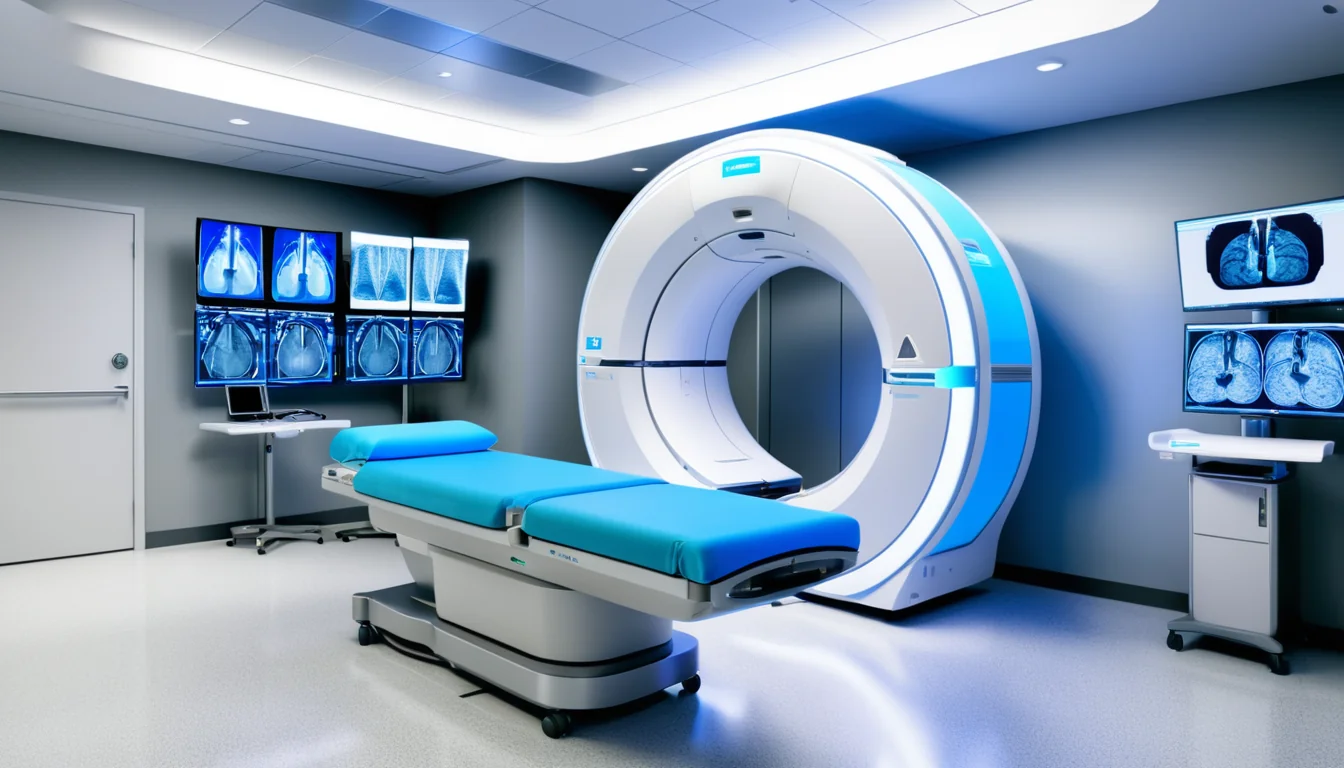
Understanding the differences between an MRI vs CT scan is one of the most common questions Canadians have when their doctor orders advanced medical imaging. Both technologies create detailed pictures of your organs, tissues, and bones, but they work in very different ways — and knowing what sets them apart can help you feel prepared and confident about your care.
MRI vs CT Scan: Key Differences Every Canadian Patient Should Know
Whether your family doctor or specialist has recommended one of these medical imaging tests in Canada, learning about how each scan works, what it can detect, and what to expect during the procedure will help you make informed decisions about your health. In this guide, we break down everything Canadian patients need to know about MRI and CT scans, including coverage under provincial health plans, safety considerations, and when each test is typically ordered.
What Are Medical Imaging Tests?
| Feature | MRI (Magnetic Resonance Imaging) | CT Scan (Computed Tomography) |
|---|---|---|
| Technology Used | Strong magnetic fields and radio waves | X-rays taken from multiple angles |
| Best Used For | Soft tissues, brain, spinal cord, joints, and organs | Bones, lungs, chest, abdomen, and emergency trauma |
| Radiation Exposure | None | Yes — low to moderate ionizing radiation |
| Scan Duration | 20–90 minutes depending on body area | 5–15 minutes; faster in emergency settings |
| Average Wait Time in Canada | Weeks to months (provincial variation applies) | Generally shorter; often available within days |
| OHIP/Provincial Coverage | Covered when medically necessary with physician referral | Covered when medically necessary with physician referral |
Medical imaging tests are non-invasive procedures that let doctors see inside your body without surgery. Blood tests and urine tests are useful, but they cannot show exactly where a problem is located or how large it might be.
Imaging tests fill that gap. They show the size, shape, and location of abnormalities such as tumours, internal bleeding, or injured tissue. As a result, your medical team can plan the right treatment more quickly and accurately.
The most commonly used imaging tests in Canada include ultrasound, X-ray, CT scan (Computed Tomography), and MRI (Magnetic Resonance Imaging). According to Health Canada, these technologies are available at hospitals and diagnostic imaging centres across the country, often covered under provincial health plans.
What Is an MRI Scan? MRI vs CT Scan
An MRI, or Magnetic Resonance Imaging scan, is a diagnostic procedure that uses a strong magnetic field and radio waves to create detailed images of the inside of your body. It does not use radiation, which makes it a safer choice in certain situations.
Every tissue in your body has a slightly different chemical make-up. The MRI machine detects these differences by picking up energy signals from your tissues. It then translates those signals into detailed images, shown in shades of grey, that reveal the structure of organs and soft tissues.
What Does an MRI Show? MRI vs CT Scan
MRI scans are especially useful for imaging soft tissues. These include the brain, spinal cord, muscles, tendons, and ligaments. Therefore, doctors often order an MRI when they suspect conditions such as multiple sclerosis, spinal disc problems, or soft tissue tumours.
In surgical settings, portable MRI devices are sometimes used during brain surgery. This gives surgeons real-time images to help them remove tumour tissue while protecting surrounding nerves and blood vessels.
Who Should Not Have an MRI?
Because MRI machines use powerful magnets, they are not safe for everyone. You should tell your doctor if you have any of the following:
- A pacemaker or implanted defibrillator
- Metal implants, such as joint replacements or certain dental work
- Severe kidney disease (which may affect contrast dye use)
MRI is also generally avoided during the first trimester of pregnancy. However, it may be recommended in the second or third trimester when the benefits outweigh any potential risk. Always discuss your full medical history with your doctor before any imaging test.
What Is a CT Scan? MRI vs CT Scan
A CT scan, or Computed Tomography scan, is an imaging technique that uses X-rays taken from many different angles. A computer then combines these images to create detailed cross-sectional “slices” of the body. The result is far more detailed than a standard X-ray.
CT scans are widely available at Canadian hospitals and imaging centres. In many provinces, your family doctor or an emergency physician can order one directly. The scan itself is fast — often completed in just a few minutes — which makes it particularly valuable in emergency situations.
What Does a CT Scan Show?
CT scans are excellent at imaging bones, blood vessels, and larger structures inside the chest and abdomen. For example, they are commonly used to assess injuries after a car accident, detect internal bleeding, or evaluate lung conditions.
Because CT scans produce results quickly, they are the preferred imaging tool in emergency departments across Canada. A trauma team can use a CT scan to assess a head injury and begin planning treatment within minutes. According to the Mayo Clinic, CT scans are also frequently used to guide biopsies and other minimally invasive procedures.
Radiation and CT Scans
CT scans do involve exposure to ionising radiation. The dose is generally low, but your doctor will weigh the benefits against any potential risk before ordering one. For most adults, the benefit of an accurate diagnosis far outweighs the small radiation exposure involved.
Children and pregnant women may need extra consideration. In these cases, doctors often explore whether an ultrasound or MRI could provide the same information without radiation exposure.
MRI vs CT Scan: Key Differences
Comparing an MRI vs CT scan comes down to a few important factors: what they image best, how long they take, and who can safely use them. Here is a straightforward breakdown.
- Technology: MRI uses magnetic fields and radio waves. CT uses X-rays.
- Best for: MRI excels at soft tissue detail — brain, spinal cord, joints. CT is better for bones, lungs, and emergency trauma assessment.
- Speed: CT scans are faster, often taking 5 to 10 minutes. MRI scans typically take 30 to 60 minutes.
- Radiation: MRI involves no radiation. CT involves a low dose of X-ray radiation.
- Noise and comfort: MRI machines are loud and require you to lie still inside a narrow tube. CT machines are quieter and less enclosed.
- Cost and availability: CT scans are generally more available and faster to access across Canadian provinces. MRI wait times can be longer in some regions.
In many cases, your doctor may order both tests. For instance, a CT scan might identify an area of concern, and an MRI might then provide a more detailed look at the soft tissue involved. Both tests play important and complementary roles in modern Canadian healthcare.
When Are These Tests Ordered in Canada? MRI vs CT Scan
Your family doctor or a specialist will decide which imaging test is right for you based on your symptoms and medical history. In Canada, imaging tests are typically covered under provincial health insurance plans when they are medically necessary. However, wait times can vary by province and region.
Common reasons a doctor might order a CT scan include:
- Head injury or suspected brain bleed
- Chest or abdominal pain of unknown cause
- Suspected kidney stones or appendicitis
- Follow-up after cancer treatment
Common reasons a doctor might order an MRI include:
- Suspected multiple sclerosis or other neurological conditions
- Back or neck pain with nerve involvement
- Joint or ligament injuries
- Detailed assessment of a tumour in soft tissue
In urgent situations, emergency departments will use whichever test gives the fastest and most accurate result. According to Healthline, the choice between MRI and CT often depends on the specific body part being examined and the clinical urgency of the situation.
When to See a Doctor – MRI vs CT Scan
You cannot book an MRI or CT scan on your own in Canada. These tests require a referral from a licensed healthcare provider. If you are experiencing unexplained symptoms such as persistent headaches, numbness, sudden vision changes, or pain that does not improve, speak with your family doctor or visit a walk-in clinic.
Your doctor will review your symptoms and determine whether imaging is needed. If you do not have a family doctor, a walk-in clinic can help assess your situation and refer you for imaging if appropriate. In an emergency — for example, after a serious accident or if you experience sudden severe symptoms — go directly to your nearest emergency department.
Always speak openly with your healthcare provider about any concerns you have about the tests, including claustrophobia, metal implants, or kidney problems. There is always a safe option available for your situation.
Frequently Asked Questions
What is the main difference between an MRI vs CT Scan?
The main difference in an MRI vs CT scan is the technology used. An MRI uses magnetic fields and radio waves to produce detailed images of soft tissues without radiation. A CT scan uses X-rays to create cross-sectional images, making it faster and better suited for bones, lungs, and emergency trauma.
Is an MRI vs CT Scan better for detecting cancer?
It depends on the type and location of the cancer. MRI scans generally provide better soft tissue contrast, making them useful for brain, prostate, and breast tumours. CT scans are often used for lung, colon, and abdominal cancers, and are commonly used to stage cancer and check for spread.
Are MRI vs CT Scan covered by provincial health insurance in Canada?
Yes, both MRI and CT scans are generally covered under provincial health plans in Canada when ordered by a doctor for a medically necessary reason. However, wait times vary by province. Private imaging clinics also offer these tests for a fee, with shorter wait times, if your doctor approves.
Is a CT scan safe during pregnancy?
CT scans involve radiation and are generally avoided during pregnancy unless absolutely necessary. In most cases, doctors prefer ultrasound or MRI — particularly in the second and third trimesters — as safer alternatives. Always inform your doctor if you are pregnant or think you might be before any imaging test.
How long does an MRI or CT scan take?
A CT scan is typically very fast, often taking between 5 and 15 minutes from start to finish. An MRI scan takes longer — usually between 30 and 60 minutes — depending on the area of the body being examined. Your imaging centre will give you specific instructions before your appointment.
Can I have an MRI if I have metal implants?
Not always. Because MRI machines use strong magnetic fields, certain metal implants — such as pacemakers, cochlear implants, or some older joint replacements — may be unsafe in an MRI environment. Always tell your doctor and the imaging technologist about any implants, surgeries, or metal objects in your body before your MRI vs CT scan decision is made.
Key Takeaways
- MRI vs CT scan: Both are powerful diagnostic tools used in Canadian hospitals and imaging centres.
- MRI uses magnetic fields and radio waves — no radiation — and is best for soft tissue detail.
- CT scans use X-rays, are faster, and are ideal for bones, blood vessels, and emergency assessments.
- Both tests are generally covered under provincial health plans when medically necessary.
- Your family doctor, specialist, or emergency physician will decide which test is right for you.
- If you have concerns about symptoms, speak with your family doctor or visit a walk-in clinic for guidance.
According to Health Canada’s medical devices and imaging guidelines, this information is supported by current medical research.
For more information, read our guide on best extracurricular activities for children with ADHD.
This article is for informational purposes only and does not replace professional medical advice. Always consult your family doctor or a qualified healthcare provider before making decisions about your health or medical tests.
Frequently Asked Questions
What is the difference between an MRI vs CT scan?
An MRI uses magnetic fields and radio waves to produce detailed soft tissue images, while a CT scan uses X-rays to capture cross-sectional images quickly. MRIs are better for brain, spine, and joint conditions. CT scans excel at imaging bones, lungs, and detecting internal bleeding. Neither uses radiation except CT.
What symptoms require an MRI vs CT scan in Canada?
CT scans are typically ordered for sudden head injuries, chest pain, or suspected internal bleeding due to their speed. MRIs are preferred for persistent headaches, neurological symptoms, joint pain, or spinal issues. Your Canadian doctor or specialist will determine which imaging is most appropriate based on your specific symptoms.
How long does an MRI or CT scan take?
A CT scan typically takes 10 to 30 minutes, making it ideal for emergencies. An MRI usually takes 30 to 90 minutes depending on the body area being scanned. Both procedures are painless and non-invasive, though MRI requires lying still inside a narrow, loud magnetic tube throughout the entire scan.
Can an MRI or CT scan be harmful to your health?
CT scans involve low-dose radiation exposure, which carries a very small long-term risk. MRIs use no radiation but are unsafe for people with certain metal implants, pacemakers, or cochlear implants. Contrast dye used in both scans may cause allergic reactions in rare cases. Always inform your technologist of any implants.
When should I see a doctor about getting an MRI or CT scan in Canada?
See a doctor if you experience unexplained severe headaches, neurological changes, persistent pain, or trauma. In Canada, both scans require a physician referral and are covered under provincial health insurance when medically necessary. Emergency CT scans are available immediately, while MRI wait times can range from weeks to months.

About the Medical Reviewer
Dr. Sarah Mitchell, MDDr. Sarah Mitchell is a board-certified family physician with over 15 years of clinical experience. She completed her MD at the University of Toronto and her residency at Toronto General Hospital. Dr. Mitchell specializes in preventive medicine and chronic disease management. She is a member of the College of Family Physicians of Canada (CFPC) and has published over 30 peer-reviewed articles on preventive health care.
View all articles →