Gambling Addiction: Causes, Signs & How to Get Help Canada

Share
Gambling addiction is a serious and growing health concern that affects hundreds of thousands of Canadians from every background and walk of life. Until recently, compulsive gambling was poorly understood and rarely discussed openly. However, thanks to ongoing research, we now know that gambling addiction involves complex financial, social, physical, and psychological layers that make it far more than just a matter of willpower.
What Causes Gambling Addiction and Who Is Most at Risk?
Understanding the causes of problem gambling in Canada can help you or someone you care about recognize the warning signs early and take meaningful action before things spiral. Whether the issue involves casino visits, sports betting, or online platforms, knowing what drives this behaviour is the critical first step toward recovery and better mental health.
What Is Gambling Addiction?
| Treatment Option | Key Benefits | Considerations |
|---|---|---|
| Cognitive Behavioural Therapy (CBT) | Helps identify and change distorted thinking patterns related to gambling; strong evidence base; available through provincial mental health services | Requires consistent attendance; waitlists may apply through public health systems; typically 12–20 sessions |
| Gamblers Anonymous (GA) | Free peer support available across Canada; provides community accountability; accessible in most provinces and territories | Not a clinical treatment; effectiveness varies by individual; works best alongside professional therapy |
| Medication (e.g., Naltrexone, SSRIs) | Can reduce urges and co-occurring depression or anxiety; prescribed by Canadian physicians; may be covered under provincial drug plans | Not approved solely for gambling disorder in Canada; used off-label; potential side effects require monitoring |
| Residential or Intensive Outpatient Programs | Structured environment for severe gambling addiction; addresses co-occurring disorders; available through provincial health authorities | Limited availability outside major urban centres; may require referral; varying costs depending on province |
| Problem Gambling Helplines (e.g., ConnexOntario, 1-866-531-2600) | Immediate access to support and referrals; free and confidential; available 24/7 across most provinces | Initial crisis support only; not a substitute for ongoing treatment; service availability varies by region |
Gambling addiction — also called compulsive gambling or problem gambling — is when a person cannot control their urge to gamble, even when it causes serious harm. It is not simply about losing money. It affects relationships, mental health, work, and daily life.
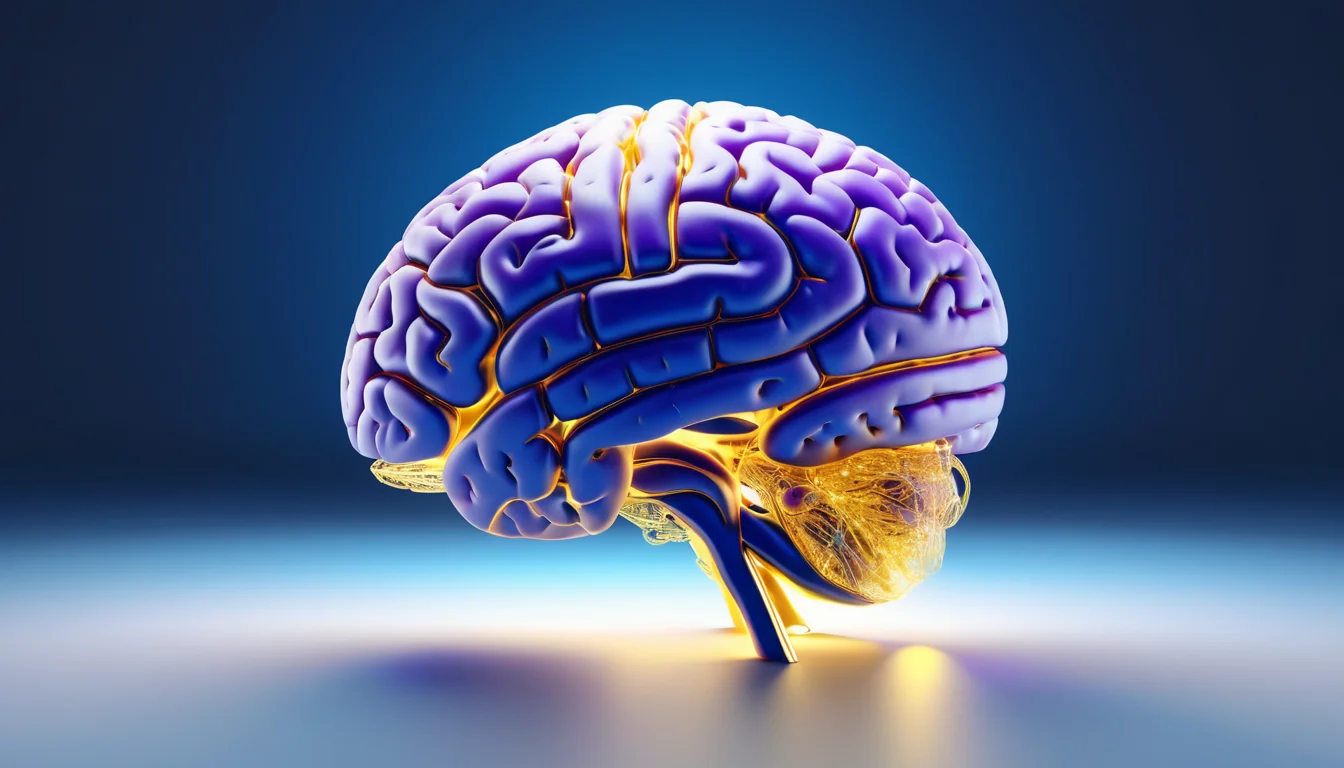
According to Health Canada, problem gambling is a recognized mental health condition. Like other addictions, it involves changes in how the brain responds to reward and risk. It can affect anyone, regardless of age, income, or background.
Many people believe they are not at risk because they gamble only occasionally. However, understanding how gambling addiction develops is important for every player — even casual ones.
Why Does Gambling Feel Safe and Comforting to Some People?
Most people associate gambling with excitement and risk. For many players, the thrill of the unknown is the main draw. However, not everyone gambles for the adrenaline rush.
Some people turn to gambling because it gives them a sense of control. In their everyday lives, things may feel unpredictable or overwhelming. The structured rules of a card game or slot machine can feel like a safe, manageable space.
The Illusion of Control
This sense of control, however, is not real. The outcome of any gambling game is ultimately decided by chance. No strategy or skill can change that in games of pure luck.
As a result, chasing control through gambling can backfire. Instead of gaining control, a person may start to lose control over their own choices and finances. This is one of the key psychological traps at the heart of gambling addiction.
For others, gambling fills a need for novelty and excitement that is missing from daily life. A healthy level of excitement is normal and enjoyable. However, the brain can begin to crave higher and higher levels of stimulation over time. This makes it harder to feel satisfied by everyday pleasures — a process well described in Mayo Clinic’s overview of compulsive gambling.
Why Are Slot Machines So Addictive?
Slot machines — including online slots — are widely considered to be more addictive than traditional forms of gambling. There are several clear reasons for this.
Availability and Accessibility
Slot machines are easy to find. They appear in casinos, bars, airports, and online platforms that are available around the clock. Their bright colours and flashing lights are designed to catch your eye and draw you in.
Online slots make this even easier. A person can play from their phone at any hour, without ever leaving home. This constant availability removes many of the natural barriers that once limited gambling behaviour.
How Reinforcement Keeps Players Hooked
The most powerful tool slot machines use is something called intermittent reinforcement. This means the machine rewards the player at unpredictable intervals — not every time, but just often enough to keep hope alive.
This is the same psychological principle used in social media notifications and video games. The unpredictability creates a powerful loop of anticipation and reward. Your brain releases dopamine — the feel-good chemical — not just when you win, but when you think you might win.
In addition to the reward timing, slot machines use a range of sensory triggers. Lights, sound effects, music, and colour patterns all act as reinforcements. Each element is carefully designed to keep players engaged and coming back for more. This is not an accident — it is a deliberate design strategy.
Furthermore, modern machines offer near-miss outcomes. These are results that look almost like a win. Research shows that near-misses activate the brain’s reward system almost as strongly as actual wins. This tricks the brain into believing a win is just around the corner.
The Role of Technology in Modern Gambling Addiction
New technology has changed the gambling landscape dramatically. Online casinos, mobile apps, and live-dealer platforms create deeply immersive experiences. These tools can make it feel like you are in a real casino without leaving your living room.
Technology has brought some benefits. Many platforms now include responsible gambling tools such as deposit limits, session timers, and self-exclusion options. These features can help players stay in control of their behaviour.
The Ethical Question Around Gambling Technology
However, there is a growing conversation about the ethics of how these technologies are used. Many platforms are designed to maximize engagement — not to promote well-being. The same tools that can protect vulnerable users are sometimes buried under layers of flashy design meant to encourage more spending.
Technology is ultimately a tool. It can be used responsibly or harmfully. The challenge is making sure that gambling platforms in Canada are held to strong ethical and legal standards. As a player, knowing how these systems work gives you a stronger defence against manipulation.
Who Is Most at Risk for Gambling Addiction?
Gambling addiction does not have a single cause. It develops through a combination of factors that vary from person to person. However, certain risk factors are well established.
These include a family history of addiction, mental health conditions such as depression or anxiety, early exposure to gambling, and high life stress. People who feel isolated, bored, or out of control in other areas of life may also be more vulnerable.
According to the World Health Organization, gambling disorder is recognized globally as a condition that requires professional attention. It is not a moral failing or a character flaw. It is a health issue — and it responds well to treatment when caught early.
Young people and men are statistically more likely to develop problem gambling. However, rates among women and older adults are rising, particularly with the growth of online gambling platforms.
Signs That Gambling Behaviour Has Become a Problem
It is not always easy to recognize when gambling has crossed a line. Many people minimize the problem or hide it from family and friends. Here are some common warning signs to watch for:
- Spending more money on gambling than you planned or can afford
- Feeling restless or irritable when you try to cut back
- Gambling to escape stress, anxiety, or negative feelings
- Lying to family members about how much time or money you spend gambling
- Borrowing money or selling belongings to fund gambling
- Neglecting work, school, or relationships because of gambling
- Chasing losses — gambling more in an attempt to win back what you lost
If any of these sound familiar, it may be time to reach out for support. Recognizing the pattern is the first and most important step.
When to See a Doctor About Gambling Addiction
If you or someone you love is showing signs of gambling addiction, please speak with a healthcare professional. You do not need to wait until things reach a crisis point.
Start with your family doctor. They can assess your situation, offer referrals to mental health specialists, and connect you with local support programmes. If you do not have a family doctor, a walk-in clinic can help. Most provinces also have dedicated problem gambling helplines covered under provincial health plans.
In Ontario, for example, the ConnexOntario helpline connects residents to mental health and addiction services at no cost. Similar services exist across British Columbia, Alberta, Quebec, and other provinces. Ask your clinic or doctor about what is available in your area.
Treatment for gambling addiction may include cognitive behavioural therapy (CBT), support groups, financial counselling, and in some cases, medication to manage underlying anxiety or depression. Many people recover fully with the right support.
Always speak with a qualified healthcare provider before making decisions about your mental health treatment. This article is for informational purposes only and does not replace professional medical advice.
Frequently Asked Questions About Gambling Addiction
What are the main causes of gambling addiction?
Gambling addiction does not have a single cause. It develops from a mix of psychological, genetic, and environmental factors. Brain chemistry, mental health conditions, stress, and early exposure to gambling all play a role in developing compulsive gambling behaviour.
Is gambling addiction covered under provincial health plans in Canada?
Many provinces offer publicly funded support for problem gambling through mental health and addiction programmes. Coverage varies by province, so speak with your family doctor or contact your provincial health authority to find out what services are available to you at no cost.
Why are slot machines more addictive than other types of gambling?
Slot machines use a psychological technique called intermittent reinforcement, where rewards happen at unpredictable intervals. This keeps the brain in a constant state of anticipation. Their design — including lights, sounds, and near-miss outcomes — is specifically intended to encourage prolonged play and increase the risk of gambling addiction.
Can gambling addiction be treated?
Yes, gambling addiction responds well to treatment, especially when addressed early. Common approaches include cognitive behavioural therapy (CBT), support groups like Gamblers Anonymous, and financial counselling. Your family doctor or a walk-in clinic can refer you to the right programme in your area.
How do I know if I have a gambling problem?
Key signs of a gambling problem include gambling more than you can afford, feeling unable to stop, lying about your gambling, and chasing losses. If gambling is affecting your finances, relationships, or mental health, it is worth speaking with a doctor or calling a problem gambling helpline in your province.
Is online gambling more dangerous than in-person gambling?
According to Health Canada’s resources on problem gambling and mental health, this information is supported by current medical research.
For more information, read our guide on what every Canadian should know about managing serious health conditions.
Online gambling can carry a higher risk for some people because it is available 24 hours a day and is easy to access privately. The removal of physical and social barriers makes it easier for gambling addiction to develop unnoticed. Using responsible gambling tools offered by platforms — such as deposit limits and self-exclusion — can help reduce the risk.
Key Takeaways
- Gambling addiction is a recognized health condition, not a personal weakness.
- It develops through a combination of psychological, genetic, and social factors.
- Slot machines are especially addictive due to intermittent reinforcement and immersive sensory design.
- Some people gamble to feel in control or escape stress — but this can backfire and increase risk.
- Technology has made gambling more accessible, which raises both new risks and new tools for responsible play.
- Warning signs include chasing losses, hiding gambling behaviour, and neglecting daily responsibilities.
- Help is available through your family doctor, walk-in clinics, and provincial health programmes across Canada.
- Treatment works — speaking with a healthcare provider is always the right first step.
Frequently Asked Questions
What is gambling addiction?
Gambling addiction, also called gambling disorder, is a recognized mental health condition where a person cannot control the urge to gamble despite harmful consequences. It affects brain reward pathways similarly to substance addiction. In Canada, approximately 1-3% of the population experiences problem gambling at some point in their lives.
What are the warning signs of gambling addiction?
Common warning signs include preoccupation with gambling, needing to bet increasing amounts, repeated failed attempts to quit, lying to family about gambling, borrowing money to gamble, and neglecting work or relationships. Experiencing restlessness or irritability when trying to stop is also a key indicator of a gambling disorder.
How is gambling addiction treated in Canada?
Gambling addiction is treated through cognitive behavioural therapy (CBT), individual or group counselling, and self-help programs like Gamblers Anonymous. Some Canadians benefit from medication for co-occurring conditions like depression or anxiety. Provincial problem gambling helplines offer free, confidential support and referrals to local treatment services across Canada.
Can gambling addiction be prevented?
Prevention involves setting strict time and money limits before gambling, avoiding gambling when stressed or depressed, and understanding that outcomes are based on chance. Recognizing early warning signs and seeking help promptly reduces risk of progression. Self-exclusion programs offered by Canadian casinos and online platforms are effective preventive tools.
When should you see a doctor about a gambling problem?
See a doctor or mental health professional if gambling is causing financial hardship, relationship conflict, or emotional distress, or if you cannot stop despite trying. You should also seek help if gambling accompanies depression, anxiety, or substance use. Early intervention significantly improves outcomes for gambling addiction.

About the Author
Dr. Linda Chen, RD, PhDDr. Linda Chen is a registered dietitian and PhD in Nutritional Sciences from the University of British Columbia. With expertise in clinical nutrition, sports dietetics, and gut health, she has worked with leading Canadian hospitals and sports organizations. Dr. Chen is a member of Dietitians of Canada and regularly contributes to national nutrition policy discussions.
View all articles →