
Indigestion Causes: Symptoms & When to See a Doctor Canada

Share
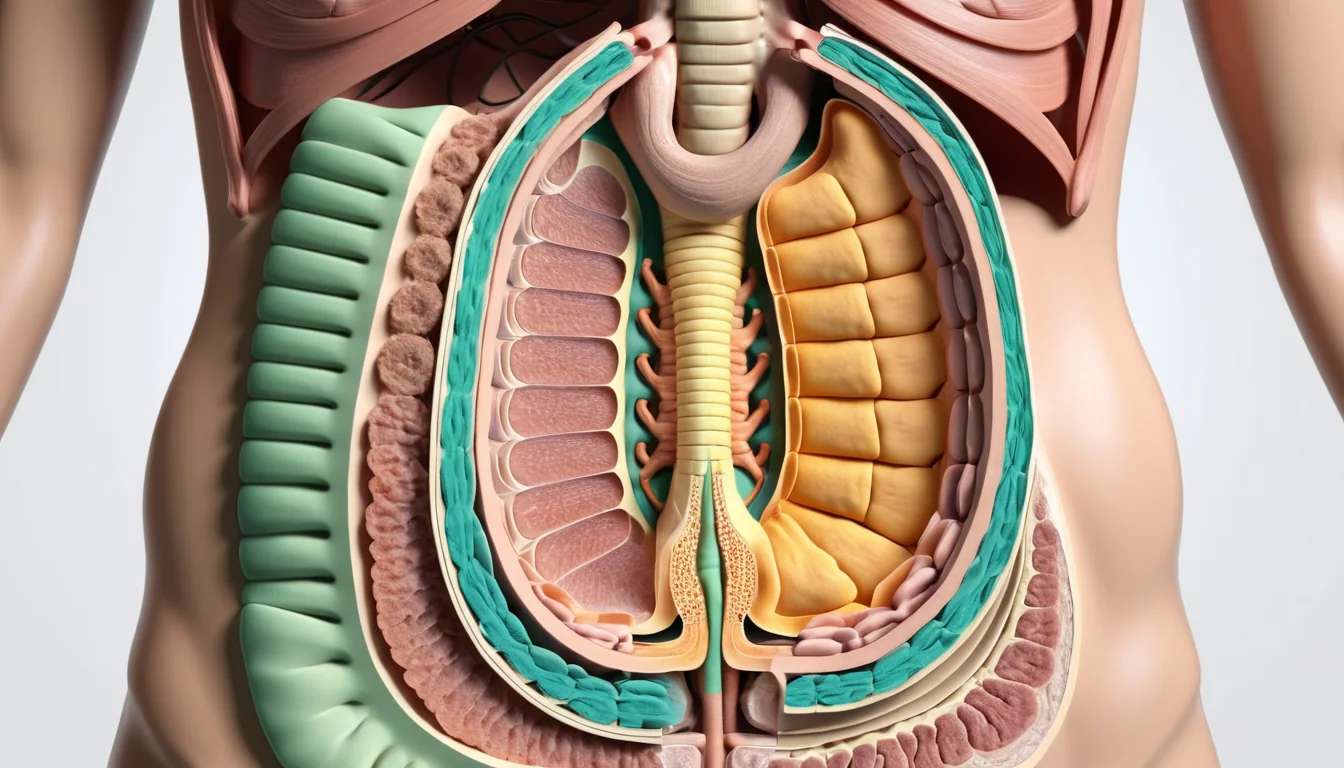
Indigestion causes range from everyday eating habits to underlying medical conditions, and almost every Canadian will experience this discomfort at some point in their life. That uncomfortable feeling of fullness after eating, often accompanied by bloating, nausea, and upper abdominal pain, is something millions deal with regularly. While it is usually harmless, persistent indigestion can sometimes point to a more serious health concern that deserves attention.
Common Indigestion Causes Every Canadian Should Know
Recognizing dyspepsia symptoms early can help you take the right steps toward relief and know when professional care is needed. Whether your stomach pain after eating is triggered by stress, certain foods, or a medication you are taking, understanding the root cause is the first step. This article breaks down what causes indigestion, what symptoms to watch for, and when it is time to talk to your family doctor or visit a walk-in clinic in Canada.
What Is Indigestion?
| Symptom | Description | Severity Level | When to Seek Care |
|---|---|---|---|
| Upper abdominal discomfort | A feeling of fullness, bloating, or burning sensation in the upper abdomen, often after eating | Mild to Moderate | Self-manage with lifestyle changes; see a doctor if persistent beyond 2 weeks |
| Nausea | Unsettled stomach sensation that may occur during or after meals, sometimes accompanied by vomiting | Mild to Moderate | Consult a doctor if nausea is frequent or accompanied by vomiting |
| Heartburn | Burning sensation rising from the stomach into the chest or throat, often worsened by lying down | Moderate | See a family physician if occurring more than twice per week |
| Excessive belching or gas | Frequent burping or flatulence caused by swallowed air or gas produced during digestion | Mild | Typically managed with dietary adjustments; consult a doctor if chronic |
| Chest pain or pressure | Pain or tightness in the chest that may mimic cardiac symptoms; can radiate to the jaw or arm | Severe | Seek emergency care immediately — call 9-1-1 to rule out heart attack |
| Unintentional weight loss | Losing weight without trying, often alongside persistent indigestion and reduced appetite | Severe | See a doctor promptly; may indicate a serious underlying condition requiring investigation |
Indigestion is a general term for discomfort in the upper abdomen, especially after eating. Doctors sometimes call it dyspepsia. It happens when your digestive system has trouble breaking down food properly.
The feeling of being overly full is one of the most common signs. However, indigestion can also cause nausea, vomiting, heartburn, burping, and bloating. These symptoms together make up what healthcare providers call the dyspeptic syndrome.
Indigestion can happen occasionally or it can become a chronic problem. Occasional indigestion is usually linked to something you ate or drank. Chronic indigestion may point to an underlying digestive condition that needs medical attention.
Common Causes of Indigestion
Many everyday habits can trigger indigestion. Understanding these causes can help you make changes that reduce your symptoms.
Eating Habits and Lifestyle
Eating too quickly is one of the most common causes of indigestion. When you do not chew your food properly, your stomach has to work much harder to digest it. As a result, you may feel uncomfortably full soon after your meal.
Highly processed foods, such as fast food and junk food, slow down digestion. The same is true for spicy, salty, or high-fat foods like fried items. These foods are harder for your body to break down efficiently.
In addition, sugary drinks, alcohol, and smoking can all make indigestion worse. Many Canadians enjoy a coffee or a cold drink with their meal, but carbonated beverages are a frequent trigger for bloating and discomfort.
Exercise Timing
Exercise is excellent for your overall health. However, working out immediately after eating can cause indigestion, bloating, and general stomach upset. It is best to wait at least one to two hours after a meal before exercising.
Stress and Emotional Wellbeing
Stress and anxiety have a direct effect on your digestive system. Eating while stressed or rushing through a meal can slow down digestion and lead to that overly full, uncomfortable feeling. Your gut and brain are closely connected, so your emotional state matters more than you might think.
Food Intolerances
Some people’s bodies cannot process certain foods well. For example, lactose intolerance means the body lacks the enzyme needed to digest dairy properly. Fructose intolerance works in a similar way. These intolerances can cause significant digestive discomfort after eating.
Pregnancy
Indigestion is very common during pregnancy. Hormonal changes and the growing uterus putting pressure on the stomach are both contributing factors. This type of indigestion is physiological, meaning it is a normal part of pregnancy rather than a sign of illness.
Medications
Certain medications can irritate the stomach lining and cause indigestion. These include anti-inflammatory drugs like ibuprofen, aspirin, and some antibiotics. If you think a medication is causing your stomach discomfort, speak with your pharmacist or doctor before stopping it.
Medical Conditions Linked to Indigestion
Sometimes indigestion is a symptom of a more serious underlying condition. If your symptoms are frequent or severe, it is important to get checked out. Several digestive conditions can cause ongoing indigestion.
Gastroesophageal Reflux Disease (GERD)
GERD is a condition where stomach acid regularly flows back into the esophagus. This causes a burning sensation in the chest, often called heartburn. In addition to indigestion, people with GERD may experience a chronic cough, difficulty swallowing, or chest pain.
Gastric Ulcers and Gastritis
Ulcers are sores that develop on the lining of the stomach or small intestine. Gastritis is inflammation of the stomach lining. Both conditions cause digestive discomfort, bloating, nausea, vomiting, and early feelings of fullness after eating very little.
Hiatal Hernia
A hiatal hernia happens when part of the stomach pushes up through the diaphragm into the chest cavity. It can cause chest pain that has nothing to do with the heart, along with bloating and indigestion. Many Canadians live with a hiatal hernia without knowing it.
Gallstones and Pancreatitis
Gallstones can block the flow of bile and cause sharp pain in the upper right abdomen. This pain often occurs after eating fatty foods. Pancreatitis, which is inflammation of the pancreas, can also cause significant digestive discomfort, nausea, and vomiting.
Celiac Disease
Celiac disease is an immune reaction to eating gluten, a protein found in wheat, barley, and rye. Beyond indigestion and bloating, it can cause diarrhea, unintentional weight loss, and abdominal distension. Health Canada recognizes celiac disease as a serious condition requiring a strict gluten-free diet.
Serious Conditions to Rule Out
In rare cases, persistent indigestion can be a sign of stomach cancer or other gastrointestinal cancers. Warning signs that need immediate medical attention include unintentional weight loss, difficulty swallowing, vomiting blood, or black tarry stools. Do not ignore these symptoms — see a doctor right away.
Symptoms of Indigestion to Watch For
The most recognizable symptom of indigestion is feeling uncomfortably full long after eating. However, there are several other symptoms that often go along with it.
- Upper abdominal pain or discomfort
- Bloating and gas
- Nausea or vomiting
- Heartburn or a burning feeling behind the breastbone
- Burping or belching
- Early satiety — feeling full after eating only a small amount of food
- Loss of appetite due to fear of triggering symptoms again
According to the Mayo Clinic, indigestion is not a disease itself but rather a collection of symptoms that can have many different causes. Understanding your specific symptoms helps your doctor find the right diagnosis.
How Is Indigestion Treated?
Treatment for indigestion depends on what is causing it. For most people, simple lifestyle changes make a big difference. However, if an underlying condition is involved, your doctor will recommend specific treatment.
Lifestyle Changes
Slowing down at mealtimes is one of the easiest changes you can make. Chewing your food thoroughly gives your digestive system a head start. Eating smaller, more frequent meals instead of large ones also helps reduce symptoms.
Avoiding trigger foods — such as fried foods, spicy dishes, alcohol, and carbonated drinks — can bring significant relief. Furthermore, not lying down immediately after eating gives your body time to digest properly.
Over-the-Counter Options
Antacids are a common first step for managing indigestion symptoms. They neutralize stomach acid and can provide quick relief. Prokinetic medications help speed up stomach emptying and reduce that overly full feeling. Always read the label and speak to a pharmacist before starting any new medication.
Prescription Treatment
If your indigestion is caused by GERD, ulcers, or another condition, your family doctor may prescribe stronger medications. These can include proton pump inhibitors (PPIs) or H2 blockers to reduce acid production. Treating the root cause is the most effective long-term solution.
For more information on digestive health, Healthline’s guide to indigestion offers a helpful overview of symptoms and treatments.
When to See a Doctor
Occasional indigestion after a large holiday meal is usually nothing to worry about. However, some symptoms should prompt you to seek medical advice. Do not wait if your indigestion is severe, frequent, or getting worse over time.
You should see your family doctor or visit a walk-in clinic if you experience any of the following:
- Indigestion that lasts more than two weeks
- Unexplained weight loss
- Difficulty or pain when swallowing
- Vomiting blood or noticing black, tarry stools
- Severe stomach pain that does not go away
- Symptoms that do not improve with over-the-counter remedies
In Canada, your provincial health plan covers visits to your family doctor for concerns like these. If you do not have a family doctor, a walk-in clinic is a good place to start. Early diagnosis always leads to better outcomes. Always consult a healthcare professional before starting any new treatment or if you are concerned about your symptoms.
Frequently Asked Questions About Indigestion
What does indigestion feel like?
Indigestion usually feels like an uncomfortable fullness or burning sensation in the upper abdomen after eating. You may also experience bloating, nausea, burping, or heartburn alongside the feeling of being too full. These symptoms can range from mild to quite bothersome depending on the cause.
What is the fastest way to relieve indigestion?
For quick relief from indigestion, an over-the-counter antacid can help neutralize stomach acid and ease discomfort within minutes. Sipping warm water, sitting upright, and avoiding tight clothing around the abdomen can also help. However, if symptoms are frequent, it is best to speak with your doctor about longer-term solutions.
Can stress cause indigestion?
Yes, stress and anxiety are well-known triggers for indigestion. Your brain and gut are closely connected through the nervous system, so emotional stress can directly affect how your digestive system functions. Managing stress through exercise, mindfulness, or speaking to a mental health professional can help reduce digestive symptoms.
Is indigestion the same as acid reflux?
Indigestion and acid reflux are related but not exactly the same thing. Acid reflux is a specific condition where stomach acid flows back into the esophagus, causing heartburn. Indigestion is a broader term that describes general digestive discomfort, of which acid reflux can be one cause.
When is indigestion a sign of something serious?
Indigestion becomes a concern when it is persistent, worsening, or accompanied by red-flag symptoms such as unexplained weight loss, difficulty swallowing, vomiting blood, or black tarry stools. These signs may point to a more serious condition like an ulcer or, in rare cases, gastrointestinal cancer. If you experience any of these, see your family doctor or visit a walk-in clinic as soon as possible.
Can indigestion happen during pregnancy?
According to Mayo Clinic’s guide to indigestion symptoms and causes, this information is supported by current medical research.
For more information, read our guide on other common health conditions affecting Canadians.
Yes, indigestion is very common during pregnancy and is considered a normal part of the experience for many women. Hormonal changes and the growing baby pressing on the stomach are the main reasons it occurs. Eating smaller meals, avoiding spicy or fatty foods, and staying upright after eating can all help manage pregnancy-related indigestion.
Key Takeaways
- Indigestion is a common condition causing discomfort, bloating, and a feeling of being overly full after eating.
- Common causes include eating too fast, processed or fatty foods, alcohol, stress, and certain medications.
- Indigestion can also be a symptom of conditions like GERD, ulcers, gallstones, celiac disease, or hiatal hernia.
- Lifestyle changes — such as eating slowly, avoiding trigger foods, and managing stress — can significantly reduce symptoms.
- Antacids and prokinetic medications are common first-line treatments available at Canadian pharmacies.
- See your family doctor or a walk-in clinic if your symptoms are persistent, severe, or accompanied by warning signs like weight loss or difficulty swallowing.
- Always consult a healthcare professional for a proper diagnosis and personalized treatment plan.
Frequently Asked Questions
What are the most common indigestion causes?
The most common indigestion causes include eating too quickly, consuming fatty or spicy foods, drinking alcohol or caffeine, smoking, stress, and certain medications like NSAIDs. Underlying conditions such as acid reflux (GERD), gastritis, peptic ulcers, and irritable bowel syndrome (IBS) can also trigger recurring indigestion symptoms.
What are the symptoms of indigestion?
Indigestion symptoms include a burning or uncomfortable feeling in the upper abdomen, bloating, excessive gas, nausea, and feeling full quickly after eating. Some people also experience belching or a bitter taste in the mouth. Symptoms typically occur during or shortly after meals and usually resolve within a few hours.
How can I relieve indigestion quickly at home?
To relieve indigestion quickly, try over-the-counter antacids available at Canadian pharmacies, drink ginger or peppermint tea, avoid lying down immediately after eating, and loosen tight clothing. Eating smaller meals, chewing slowly, and avoiding trigger foods like alcohol, caffeine, and spicy dishes can also provide fast relief.
Can indigestion causes be prevented through diet and lifestyle changes?
Yes, many indigestion causes can be prevented through simple lifestyle adjustments. Eat smaller, slower meals, avoid trigger foods and drinks, maintain a healthy weight, quit smoking, manage stress, and avoid eating within two to three hours of bedtime. These changes significantly reduce frequency and severity of indigestion episodes.
When should I see a doctor in Canada for indigestion?
See a doctor if indigestion occurs frequently, lasts more than two weeks, or doesn’t improve with over-the-counter treatments. Seek immediate medical attention for chest pain, difficulty swallowing, unexplained weight loss, vomiting blood, or black tarry stools, as these may indicate a serious underlying condition requiring urgent care.

About the Author
Dr. James Okafor, MD, PhDDr. James Okafor holds an MD and PhD in Neurological Sciences from McGill University. With 12 years of experience in clinical neurology and mental health research, he has contributed to landmark studies on depression, anxiety, and cognitive health. Dr. Okafor is a Fellow of the Royal College of Physicians and Surgeons of Canada and serves on the editorial board of two peer-reviewed journals.
View all articles →