Drug Addiction: What Every Canadian Should Know (2025)

Share
Drug addiction is one of the most serious and widespread health challenges facing Canadians today, affecting individuals and families across every province and territory. According to the World Health Organization, psychoactive substances alter the way the brain functions, and over time, those changes can become impossible to reverse without professional support.
What Is Drug Addiction and How Does It Develop?
Understanding how addiction affects the brain is the first step toward recovery and prevention. Whether it involves alcohol, opioids, cocaine, or other substances, substance abuse in Canada continues to rise, making it essential for every Canadian to recognize the warning signs, understand the risks, and know where to turn for help. This guide explains how common drugs create dependency, what they do to the body and mind, and the resources available across Canada.
What Is Drug Addiction?
| Treatment Option | Benefits | Considerations | Canadian Availability |
|---|---|---|---|
| Medication-Assisted Treatment (MAT) | Reduces withdrawal symptoms; lowers relapse risk; improves daily functioning | Requires ongoing medical supervision; medications such as methadone or buprenorphine must be prescribed | Available through opioid agonist therapy (OAT) clinics and family physicians across most provinces |
| Residential Rehabilitation | Structured environment; intensive support; removes person from triggers | Requires time away from work and family; costs vary; wait times can be significant | Offered through publicly funded and private facilities; coverage varies by province |
| Cognitive Behavioural Therapy (CBT) | Addresses root causes; builds coping skills; effective for multiple substance types | Requires consistent attendance; progress may be gradual; therapist availability varies by region | Available through provincial mental health services, community health centres, and private therapists |
| Peer Support and 12-Step Programs | Free of cost; community connection; reduces isolation; long-term support network | Not clinically supervised; effectiveness varies by individual; spiritual component may not suit everyone | Widely available across Canada through organizations such as Narcotics Anonymous and SMART Recovery |
| Harm Reduction Services | Reduces immediate health risks; keeps people connected to care; prevents overdose deaths | Addresses symptoms rather than underlying drug addiction; may face stigma or political opposition | Offered through supervised consumption sites, needle exchange programs, and naloxone distribution in most provinces |
A drug is any substance that changes the way your brain and body function. This includes legal substances like alcohol, as well as illegal ones like cocaine and heroin. The Health Canada substance use resource centre recognizes that addiction affects people from all walks of life.
All psychoactive substances work through the brain’s pleasure system. When something feels good, the brain remembers it. However, with repeated use of addictive substances, that memory turns into a craving — and the craving can take over.
Drug addiction happens when a person loses control over their use of a substance. They may know it is harming them, yet feel unable to stop. This is not a moral failing. It is a medical condition that responds to proper treatment.
How the Brain Becomes Addicted
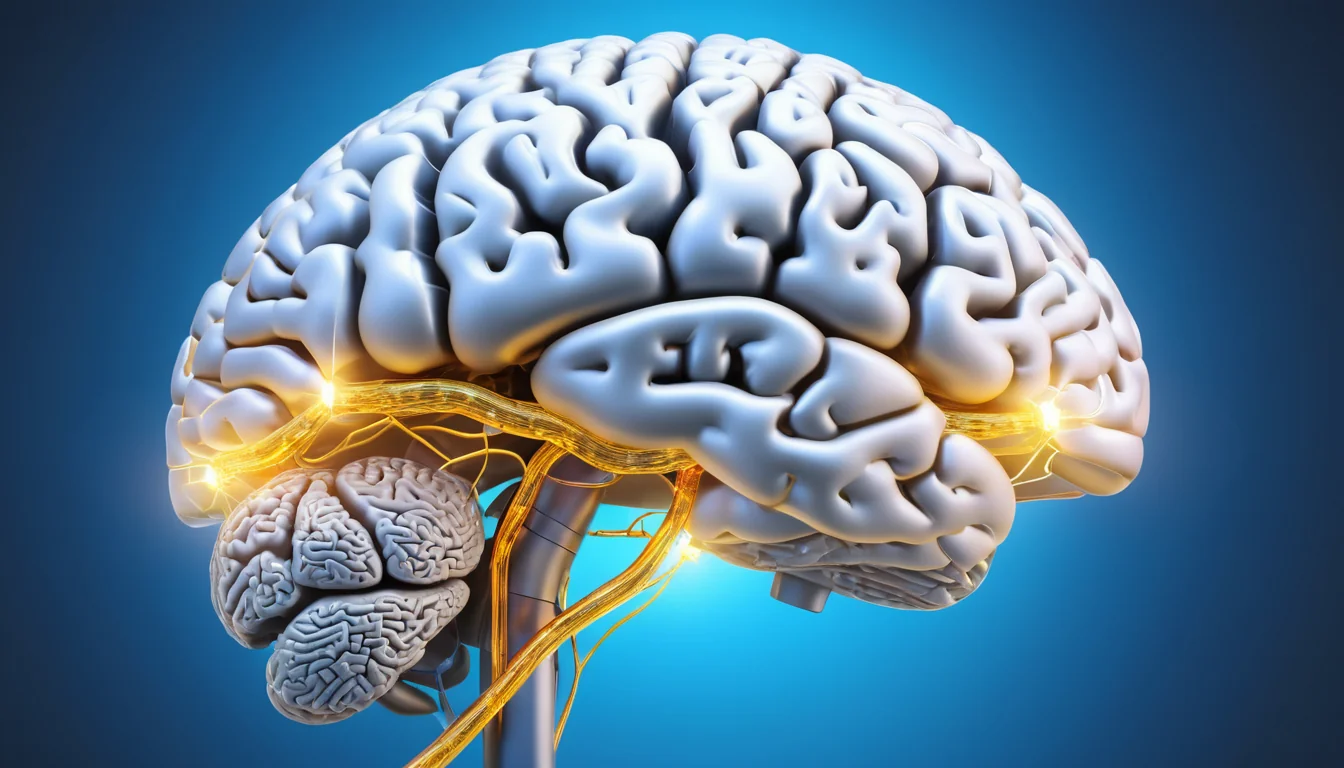
Every addictive substance hijacks the brain’s reward system. Normally, the brain releases a chemical called dopamine when you do something enjoyable — like eating a good meal or spending time with friends. Addictive drugs flood the brain with dopamine far beyond normal levels.
Over time, the brain adjusts. It produces less natural dopamine on its own. As a result, the person needs more of the drug just to feel normal. This is called tolerance. When they stop using, they feel terrible — this is withdrawal.
Furthermore, the brain regions affected include areas responsible for decision-making, memory, and impulse control. This is why drug addiction makes it so hard to simply “choose to stop.” The brain itself has changed.
Physical vs. Psychological Dependence
Physical dependence means the body needs the substance to function without symptoms. Psychological dependence means a person believes they cannot cope without the drug. Most serious addictions involve both types.
For example, someone addicted to alcohol may shake and sweat without it — that is physical dependence. They may also feel intense anxiety or emptiness — that is psychological dependence. Both are real, and both need treatment.
Alcohol: Canada’s Most Common Addictive Substance
Alcohol is the most widely used addictive substance in Canada. It is legal, socially accepted, and sold in almost every grocery store and corner shop. However, this accessibility makes it especially dangerous for people at risk of drug addiction.
Alcohol is a depressant. It slows the central nervous system. In small amounts, it can make people feel relaxed. In larger amounts, it causes impaired judgement, loss of coordination, aggression, and mood swings.
Long-Term Effects of Alcohol Abuse
Long-term heavy drinking does not physically destroy brain cells outright. However, it permanently damages how those cells communicate — especially in areas linked to learning, memory, and motor coordination. This damage builds up silently over years.
One serious consequence is alcohol-related dementia. This condition causes memory loss, confusion, and dramatic mood changes. In addition, chronic alcohol use damages the liver, heart, and immune system. Many Canadians do not realize how much harm regular heavy drinking causes until serious symptoms appear.
If you are concerned about your drinking or someone else’s, your family doctor or a walk-in clinic can provide confidential advice and connect you with local support programmes.
Marijuana: Effects, Risks, and Canadian Context
Cannabis — commonly called marijuana — has been legal for recreational use across Canada since 2018. However, legal does not mean risk-free. Understanding what marijuana does to the body is important for every Canadian, especially parents and young people.
Marijuana comes from the cannabis sativa plant. It contains a chemical called THC (tetrahydrocannabinol), which is the main psychoactive ingredient. When smoked or eaten, THC travels quickly through the bloodstream to the brain.
Short-Term Effects of Marijuana
Even one use can affect short-term memory, attention, and coordination. Many users experience a distorted sense of time and difficulty processing information. In addition, marijuana increases heart rate, causes red eyes, and can trigger anxiety or hallucinations in some people.
These effects are especially risky for young people. The brain continues developing until around age 25. Regular marijuana use during this period can have lasting effects on learning and mental health.
Long-Term Risks of Heavy Use
Heavy, long-term marijuana use is linked to chronic lung problems, reduced motivation, and in some cases, dependence. Research also suggests it can lower testosterone levels and reduce sexual satisfaction over time. According to the Mayo Clinic’s overview of drug addiction, cannabis use disorder is a recognized medical condition affecting roughly 9% of people who use the drug.
It is worth noting that marijuana can cause drug addiction in some users, particularly those who start young or use it daily. Symptoms include craving, irritability, and difficulty sleeping when not using.
Cocaine and Heroin: High-Risk Substances
Cocaine and heroin are among the most dangerous substances when it comes to the speed at which they create drug addiction. Both affect the brain’s reward system powerfully and rapidly. Even a small number of uses can begin the cycle of dependence.
Cocaine: Stimulant and Serious Health Risk
Cocaine is a powerful stimulant that speeds up the central nervous system. Users feel a rush of energy, confidence, and alertness — but the feeling fades quickly. This leads many people to use more and more in a single session, which is called bingeing.
Short-term effects include restlessness, anxiety, a racing heart, and rising blood pressure. The blood vessels narrow sharply, which puts serious strain on the heart. Even healthy young people have suffered heart attacks from cocaine use.
Long-term cocaine use causes severe damage to the nasal passages, chronic paranoia, aggression, and deep depression during the “crash” that follows each high. Over time, the brain loses its ability to feel pleasure without the drug.
Heroin: Fast-Acting and Highly Addictive
Heroin is derived from morphine, a natural painkiller found in the opium poppy plant. It can be injected, inhaled, snorted, or smoked. When injected directly into a vein, it reaches the brain in approximately 7 to 8 seconds — making it one of the fastest-acting addictive substances known.
Short-term effects include a powerful rush of warmth and relief from pain, followed by confusion, nausea, vomiting, and slowed breathing. Slowed breathing is particularly dangerous. It can cause a person to stop breathing entirely during an overdose.
Heroin converts back into morphine in the brain. Physical dependence can develop after just a few uses. Withdrawal is intensely uncomfortable and is one of the main reasons people find it so hard to stop without medical help. Medication-assisted treatment, available through many Canadian provincial health programmes, is highly effective.
Synthetic and Designer Drugs
A growing concern in Canada involves synthetic drugs — sometimes called designer drugs or, in some communities, “herbal highs.” These are often marketed as safe alternatives to illegal substances, but they are not safe.
These products are typically dried plant material sprayed with synthetic chemicals. They may contain traces of amphetamines, methamphetamine, cocaine, or heroin. Their exact contents are unknown and change frequently, which makes them especially dangerous.
Methamphetamine, in particular, is a powerful stimulant that produces intense euphoria. Physical and psychological drug addiction can develop after just one use. Long-term use causes severe dental damage, extreme weight loss, paranoia, and psychosis.
When to See a Doctor
If you are worried about your own substance use — or that of someone close to you — please reach out to a healthcare provider. You do not need to wait until things become a crisis. Early help leads to better outcomes.
Start by speaking with your family doctor if you have one. They can assess the situation without judgement, discuss your options, and refer you to addiction specialists or community programmes covered under your provincial health plan. If you do not have a family doctor, a walk-in clinic is a good first step.
In an emergency — such as a suspected overdose — call 911 immediately. Canada’s Good Samaritan Drug Overdose Act protects people who call for help during an overdose from certain drug possession charges. Do not hesitate to call.
Remember, drug addiction is a health condition, not a character flaw. Effective treatments exist. Recovery is possible with the right support. Always speak with a qualified healthcare professional before making decisions about treatment or withdrawal, as some substances require medically supervised detox.
Frequently Asked Questions About Drug Addiction
What is drug addiction and how does it start?
Drug addiction is a medical condition where a person compulsively uses a substance despite harmful consequences. It typically begins with voluntary use, but repeated exposure changes brain chemistry in ways that make stopping extremely difficult. Risk factors include genetics, mental health conditions, trauma, and early first use.
Is alcohol really considered a drug?
Yes — alcohol is classified as a psychoactive drug because it changes the way the brain functions and can cause dependence. Health Canada and the World Health Organization both recognize alcohol as an addictive substance. Despite being legal and widely available, it is one of the leading causes of drug addiction in Canada.
Can marijuana cause drug addiction?
Yes, marijuana can cause drug addiction in some people, a condition known as cannabis use disorder. Roughly 9% of people who use cannabis develop dependence, and that risk rises significantly for those who start in their teens. Signs include strong cravings, irritability, and withdrawal symptoms when not using.
How can I get help for drug addiction in Canada?
Start by speaking with your family doctor or visiting a walk-in clinic — both can connect you with addiction support covered by your provincial health plan. Health Canada also maintains a national list of treatment and support services. You do not need to manage drug addiction alone; effective, evidence-based treatments are available across the country.
What are the signs that someone has a drug addiction?
Common signs of drug addiction include using more of a substance than intended, being unable to cut back despite trying, neglecting responsibilities, and continuing to use even when it causes problems at home or work. Physical signs can include changes in sleep, appetite, weight, and mood. If you notice these signs in yourself or a loved one, speaking with a doctor is an important first step.
What is the difference between physical and psychological drug addiction?
According to Health Canada’s substance use resource centre, this information is supported by current medical research.
For more information, read our guide on HIV and AIDS risks Canadians should know about.
Physical drug addiction means the body has adapted to the presence of a substance and experiences withdrawal symptoms — such as shaking, sweating, or nausea — when use stops. Psychological addiction means a person feels they cannot function emotionally without the substance, experiencing intense cravings and anxiety. Most serious cases of drug addiction involve both types, and treatment should address both.
Key Takeaways
- Drug addiction is a medical condition, not a personal weakness. The brain physically changes with repeated substance use.
- Alcohol is the most common addictive substance in Canada. Long-term heavy use causes serious damage to the brain, liver, and heart.
- Marijuana is legal in Canada but carries real risks, especially for young people and heavy users. Dependence is possible.
- Cocaine and heroin are among the most addictive substances known. Even limited use can begin the cycle of dependence.
- Synthetic drugs are unpredictable and extremely dangerous. Their contents are unknown and can be lethal.
- Help is available through your family doctor, walk-in clinics, and provincial health programmes. Early action leads to better results.
- In an overdose emergency, call 911. Canada’s Good Samaritan Act protects those who call for help.
- Always consult a qualified healthcare professional before making any decisions about substance use, treatment, or withdrawal.
Frequently Asked Questions
What is drug addiction?
Drug addiction is a chronic brain disorder characterized by compulsive drug seeking and use despite harmful consequences. It alters brain chemistry, affecting judgment, decision-making, and self-control. Recognized as a medical condition in Canada, addiction involves both physical dependence and psychological reliance on a substance, making it difficult to stop without professional help.
What are the warning signs of drug addiction?
Common warning signs of drug addiction include increased tolerance, withdrawal symptoms, neglecting responsibilities, secretive behaviour, mood swings, financial problems, and loss of interest in hobbies. Physical signs may include dramatic weight changes, bloodshot eyes, poor hygiene, and disrupted sleep patterns. Recognizing these early signs can significantly improve treatment outcomes.
How is drug addiction treated in Canada?
Drug addiction treatment in Canada includes medical detox, cognitive behavioural therapy, medication-assisted treatment (such as methadone or buprenorphine for opioid addiction), and peer support programs. Treatment is available through provincial health services, community centres, and private facilities. Most provinces offer publicly funded programs accessible through a family doctor or health authority referral.
Can drug addiction be prevented?
Drug addiction can be significantly reduced through early education, strong social support, and mental health care. Key prevention strategies include open family conversations about substance risks, addressing underlying trauma or anxiety, and avoiding early experimentation with substances. Canada’s national drug prevention programs and school-based initiatives play an important role in reducing addiction rates.
When should you see a doctor about drug addiction?
See a doctor immediately if you or someone you know cannot stop using drugs despite trying, experiences withdrawal symptoms, or uses substances to cope with daily life. In Canada, you can also call 1-800-565-8603 (Health Canada’s Drug and Alcohol Helpline) for confidential guidance. Early medical intervention greatly improves long-term recovery success.

About the Author
Dr. Michael Ross, MD, FRCSCDr. Michael Ross is a fellowship-trained orthopedic surgeon at the University of Alberta Hospital, specializing in joint replacement and sports medicine. A Fellow of the Royal College of Surgeons of Canada (FRCSC), he has over 18 years of surgical experience and has authored multiple textbook chapters on musculoskeletal health. Dr. Ross is passionate about patient education and evidence-based medicine.
View all articles →