ADHD Symptoms in Children & Adults: Canada Guide 2025

Share
ADHD symptoms affect hundreds of thousands of children and adults across Canada, making attention deficit hyperactivity disorder one of the most common neurodevelopmental conditions in the country. ADHD changes how the brain manages focus, impulse control, and activity levels. It usually begins in childhood but often continues well into adulthood. With early recognition and the right support, people living with ADHD can thrive.
Recognizing ADHD Symptoms by Age Group
Understanding ADHD in children Canada-wide is essential for parents, teachers, and healthcare providers. According to Health Canada, ADHD is among the most frequently diagnosed mental health concerns in Canadian youth, affecting roughly 5 to 9 percent of children and about 4 percent of adults. Recognizing the signs early can make a meaningful difference in a child’s academic, social, and emotional development.
What Is ADHD?
| ADHD Symptom Category | How It Appears in Children | How It Appears in Adults | Severity Indicator |
|---|---|---|---|
| Inattention | Difficulty following classroom instructions, losing school supplies, making careless mistakes on assignments | Missing deadlines, forgetting appointments, difficulty sustaining focus during meetings or tasks | Moderate to Severe — often the most impairing cluster of ADHD symptoms across age groups |
| Hyperactivity | Constant movement, inability to stay seated, excessive talking, climbing in inappropriate situations | Inner restlessness, fidgeting, difficulty relaxing, talking excessively in social or work settings | Moderate — typically decreases with age but does not fully resolve in most adults |
| Impulsivity | Blurting out answers in class, difficulty waiting turns, interrupting peers and teachers frequently | Interrupting conversations, making hasty financial decisions, difficulty managing emotional reactions | Moderate to Severe — can significantly affect relationships, employment, and safety |
| Executive Dysfunction | Poor time management on homework, difficulty starting tasks, trouble organizing schoolwork and belongings | Chronic procrastination, difficulty prioritizing work tasks, poor financial planning and time estimation | Severe — one of the most functionally disabling ADHD symptoms in adult daily life |
| Emotional Dysregulation | Frequent frustration, low tolerance for disappointment, intense emotional reactions to minor setbacks | Mood swings, rejection sensitive dysphoria, difficulty managing stress and workplace frustration | Moderate — often underrecognized as an ADHD symptom; may be mistaken for a mood disorder |
| Sleep Disturbances | Difficulty settling at bedtime, irregular sleep patterns, trouble waking in the morning for school | Delayed sleep phase, difficulty falling asleep due to racing thoughts, chronic fatigue during the day | Mild to Moderate — affects approximately 70% of individuals with ADHD according to Canadian clinical data |
ADHD is a brain-based condition that makes it hard to focus, sit still, or control impulses. It is not a matter of laziness or poor parenting. Research shows that ADHD involves real differences in how the brain is structured and how it works.
According to Health Canada, neurodevelopmental conditions like ADHD are among the most frequently diagnosed mental health concerns in Canadian children. Experts estimate that ADHD affects roughly 5 to 9 percent of children and about 4 percent of adults in Canada.
What Causes ADHD?
Researchers do not yet know the exact cause of ADHD. However, strong evidence points to a combination of genetics and brain biology.
Genetics and Brain Differences
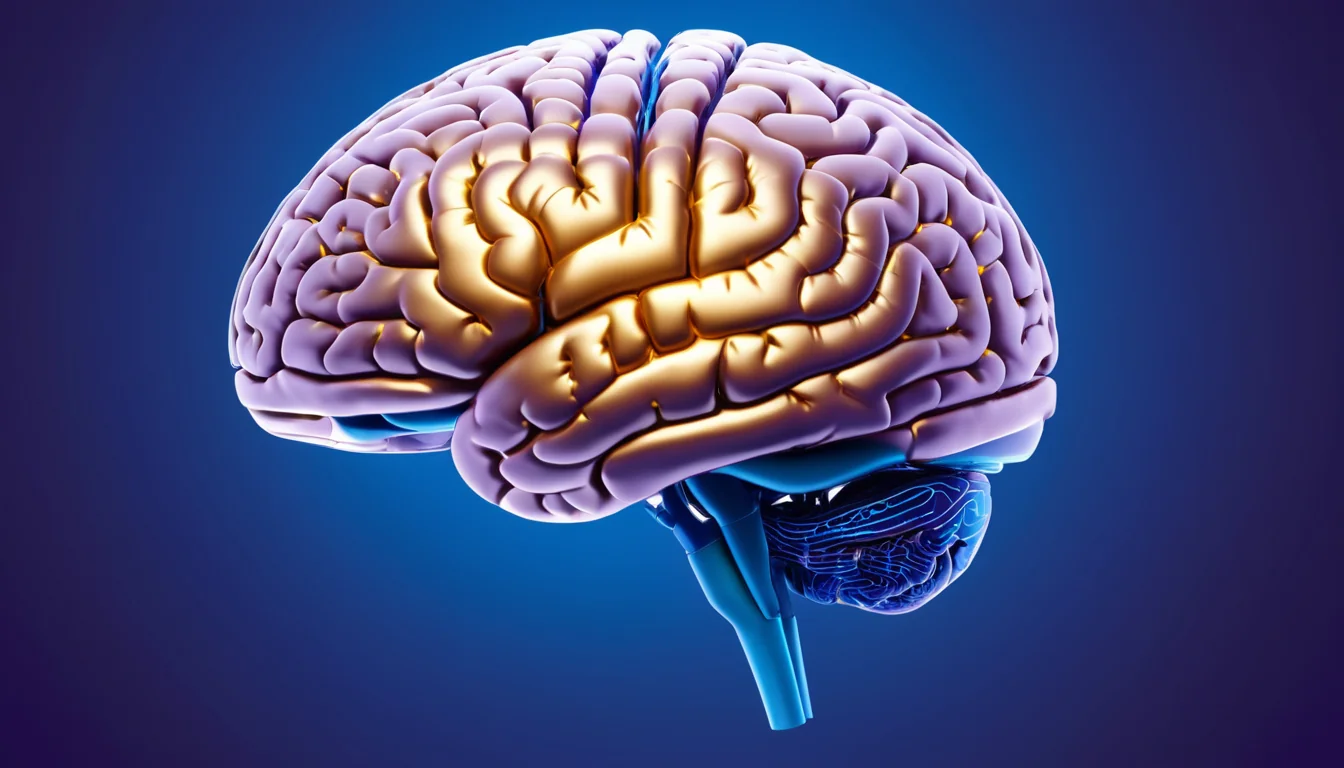
ADHD tends to run in families. If a parent has ADHD, their child is more likely to have it too. Brain imaging studies have found real differences in the structure and activity of the brains of people with ADHD. These differences involve areas that control attention and behaviour.
Two brain chemicals — dopamine and norepinephrine — play a key role. In people with ADHD, these chemicals do not work quite as they should. This affects the brain’s ability to manage focus, emotion, and impulse control.
Environmental Factors
Some research suggests that exposure to certain substances during pregnancy may raise the risk of ADHD. These include alcohol, tobacco, recreational drugs, and toxins like lead. A stressful home environment may also make symptoms worse.
One common myth is that sugar causes ADHD. However, studies — including research from the National Institutes of Health — have found no reliable link between sugar intake and ADHD. Cutting sugar from a child’s diet does not reduce ADHD symptoms in the vast majority of cases.
ADHD Symptoms by Age Group
ADHD shows up differently depending on a person’s age. The three core symptoms are inattention, hyperactivity, and impulsivity. However, how these appear can change over time.
ADHD Symptoms in Young Children
In preschool-aged children, some level of inattention and high energy is normal. This makes ADHD harder to spot in very young kids. As a result, a diagnosis is usually more reliable after a child starts school.
Common signs in young children include extreme difficulty sitting still, acting without thinking, and trouble following simple instructions. These behaviours go beyond what is typical for the child’s age.
ADHD Symptoms in School-Age Children
Symptoms often become clearer once a child enters school. The classroom setting demands focus, organisation, and social skills — areas where children with ADHD often struggle.
Signs to watch for in children aged 6 to 12 include:
- Low grades or poor scores on tests despite clear ability
- Difficulty organising schoolwork and managing time
- Trouble making or keeping friends
- Negative self-image or feeling rejected by peers
- Frequently losing belongings like books or school supplies
- Interrupting others or blurting out answers in class
Furthermore, parents and teachers may notice that the child seems to daydream often, forgets instructions quickly, or jumps between tasks without finishing them.
ADHD Symptoms in Teenagers
During the teen years, ADHD symptoms often remain stable. However, without proper support, problems can grow. Teens with ADHD may fall behind academically, especially during big transitions like moving from elementary to middle school or high school.
Social challenges can also become more noticeable. Teens with ADHD may struggle with friendships, authority figures, and self-esteem. In addition, the risk of engaging in risky behaviours — such as reckless driving or experimenting with substances — can be higher.
ADHD Symptoms in Adults
Many adults with ADHD were never diagnosed as children. In adulthood, hyperactivity often becomes less obvious. However, difficulties with focus, planning, and finishing tasks can persist.
Adults with undiagnosed ADHD may experience:
- Trouble keeping a job or meeting deadlines
- Relationship difficulties and higher rates of separation or divorce
- Low self-esteem and chronic frustration
- Higher rates of depression, anxiety, or substance use
- Difficulty managing finances or daily responsibilities
Some adults only discover they have ADHD after their own child receives a diagnosis. If this sounds familiar, speak with your family doctor about getting assessed.
Risk Factors for ADHD
ADHD is not caused by any single factor. Instead, it develops from a mix of genetic and environmental influences — what researchers call a biopsychosocial context.
Key risk factors include:
- A parent or close relative with ADHD
- Prenatal exposure to tobacco smoke, alcohol, or drugs
- Premature birth or low birth weight
- Exposure to environmental toxins such as lead
- A high-stress family environment
It is important to note that stressful family situations do not cause ADHD on their own. However, they can make symptoms harder to manage. Supportive parenting and a stable home environment can make a meaningful difference.
How ADHD Affects the Whole Family
Raising a child with ADHD can be genuinely challenging. Parents often feel overwhelmed, frustrated, or unsure of how to respond to their child’s behaviour. This is completely understandable.
Learning to respond positively to good behaviour — rather than only reacting to difficult behaviour — is a key skill for parents. Family counselling and parent-training programmes are available through many community mental health centres across Canada.
Other stressors in the home, such as conflict between parents or substance use issues, can make it much harder to support a child with ADHD. Addressing these challenges as a family is an important part of overall care. For more information, Mayo Clinic’s ADHD resource offers helpful guidance for families navigating this condition.
ADHD and Other Mental Health Conditions
ADHD rarely travels alone. Many people with ADHD also live with one or more other mental health conditions. This is called comorbidity.
Common conditions that occur alongside ADHD include:
- Learning disabilities such as dyslexia
- Oppositional defiant disorder (ODD) — a pattern of angry or defiant behaviour toward authority figures
- Conduct disorder — more serious behavioural problems
- Anxiety disorders
- Depression
- Sleep problems
Therefore, a thorough assessment by a qualified health professional is essential. Treating only ADHD without addressing other conditions may not lead to the best outcomes. According to the World Health Organization, addressing co-occurring mental health conditions is a critical part of effective care.
When to See a Doctor About ADHD
If you are concerned that your child or a family member may have ADHD, the best first step is to speak with your family doctor. Your doctor can do an initial assessment and refer you to the right specialist, such as a paediatrician, psychiatrist, or psychologist.
If you do not have a family doctor, a walk-in clinic can be a helpful starting point. Staff there can review your concerns and guide you toward the appropriate care through your provincial health plan. Many provinces also offer publicly funded mental health services for children and youth.
Do not wait for the situation to become a crisis. Early diagnosis and treatment make a real difference in a child’s development and quality of life. Always consult a qualified healthcare provider for a proper diagnosis — ADHD shares symptoms with other conditions, and only a professional can sort out what is really going on.
Frequently Asked Questions About ADHD
What are the main signs of ADHD in children?
The main signs of ADHD in children include difficulty paying attention, acting impulsively without thinking about consequences, and unusually high levels of physical activity. Children with ADHD may also struggle to finish tasks, forget instructions quickly, and have trouble getting along with classmates. These symptoms must be present in more than one setting — for example, both at home and at school — before a diagnosis is considered.
Can adults have ADHD even if they were never diagnosed as a child?
Yes, many adults have ADHD that was never identified during childhood. In adults, ADHD often looks less like hyperactivity and more like chronic disorganisation, difficulty focusing, and trouble completing tasks at work or home. If you suspect you may have ADHD, speak with your family doctor or visit a walk-in clinic for a referral to an appropriate specialist.
Is ADHD caused by too much sugar or screen time?
No. Research has not found a reliable link between sugar consumption and ADHD. Similarly, screen time does not cause ADHD, although excessive screen use may make attention and behaviour challenges harder to manage. ADHD is a neurodevelopmental condition with strong genetic and biological roots.
How is ADHD diagnosed in Canada?
In Canada, ADHD is typically diagnosed by a family doctor, paediatrician, psychiatrist, or psychologist through a thorough clinical assessment. This usually includes interviews with parents and teachers, behaviour rating scales, and a review of the child’s development and school performance. There is no single test for ADHD — diagnosis is based on a full clinical picture.
Does ADHD go away as children get older?
For some people, ADHD symptoms become less noticeable in adulthood, particularly hyperactivity. However, many individuals continue to experience challenges with attention, organisation, and impulse control well into their adult years. With proper treatment and support, most people with ADHD learn to manage their symptoms effectively over time.
What treatments are available for ADHD in Canada?
According to Health Canada’s guidance on neurodevelopmental conditions, this information is supported by current medical research.
For more information, read our guide on ADHD and puberty in Canadian teens.
Treatment for ADHD in Canada typically involves a combination of approaches, including medication, behavioural therapy, and school-based support. Your family doctor or specialist can discuss which options are covered under your provincial health plan. Early and consistent treatment leads to the best long-term outcomes for both children and adults with ADHD.
Key Takeaways
- ADHD is a common neurodevelopmental condition that affects focus, behaviour, and impulse control.
- It begins in childhood but can persist into adulthood — and many adults are diagnosed only later in life.
- Genetics play a strong role; ADHD tends to run in families.
- Sugar does not cause ADHD. This is a well-studied myth with no scientific support.
- ADHD often occurs alongside other conditions such as anxiety, depression, or learning disabilities.
- Early support — through your family doctor, paediatrician, or a walk-in clinic — leads to better outcomes.
- Effective treatments are available and may be covered through your provincial health plan.
- Always speak with a qualified healthcare provider for a proper diagnosis and personalised care plan.
Frequently Asked Questions
What is ADHD and what causes it?
ADHD (Attention-Deficit/Hyperactivity Disorder) is a neurodevelopmental condition affecting focus, impulse control, and activity levels. It’s caused by a combination of genetic, neurological, and environmental factors. Brain differences in dopamine regulation play a key role. It affects approximately 5–9% of Canadian children and many adults who were undiagnosed in childhood.
What are the most common ADHD symptoms in children and adults?
Common ADHD symptoms include inattention, hyperactivity, and impulsivity. In children, this may look like difficulty focusing in school, excessive fidgeting, and interrupting others. Adults often experience disorganization, forgetfulness, restlessness, and trouble managing time. Symptoms vary by subtype: inattentive, hyperactive-impulsive, or combined presentation.
What are the treatment options for ADHD in Canada?
ADHD treatment in Canada typically includes stimulant medications like methylphenidate (Ritalin) or amphetamines (Adderall), non-stimulant options like Strattera, behavioural therapy, and psychoeducation. A combined approach is most effective. Treatment plans are individualized and coordinated through a family doctor, pediatrician, or psychiatrist covered under provincial health plans.
Can ADHD symptoms be prevented?
ADHD cannot be fully prevented, as genetics play a major role. However, reducing risk factors may help. Avoiding prenatal exposure to alcohol, tobacco, and toxins lowers risk. Early intervention, structured routines, and supportive environments can significantly reduce symptom severity and improve long-term outcomes for children and adults with ADHD.
When should you see a doctor about ADHD symptoms?
See a doctor if ADHD symptoms persistently interfere with daily functioning at home, school, or work for more than six months. In children, seek assessment if teachers raise concerns about focus or behaviour. Adults should consult a physician if symptoms affect relationships, job performance, or mental health. Early diagnosis leads to better outcomes.

About the Author
Dr. Sarah Mitchell, MDDr. Sarah Mitchell is a board-certified family physician with over 15 years of clinical experience. She completed her MD at the University of Toronto and her residency at Toronto General Hospital. Dr. Mitchell specializes in preventive medicine and chronic disease management. She is a member of the College of Family Physicians of Canada (CFPC) and has published over 30 peer-reviewed articles on preventive health care.
View all articles →