
Pinched Nerve: Causes, Symptoms & Treatment in Canada

Share
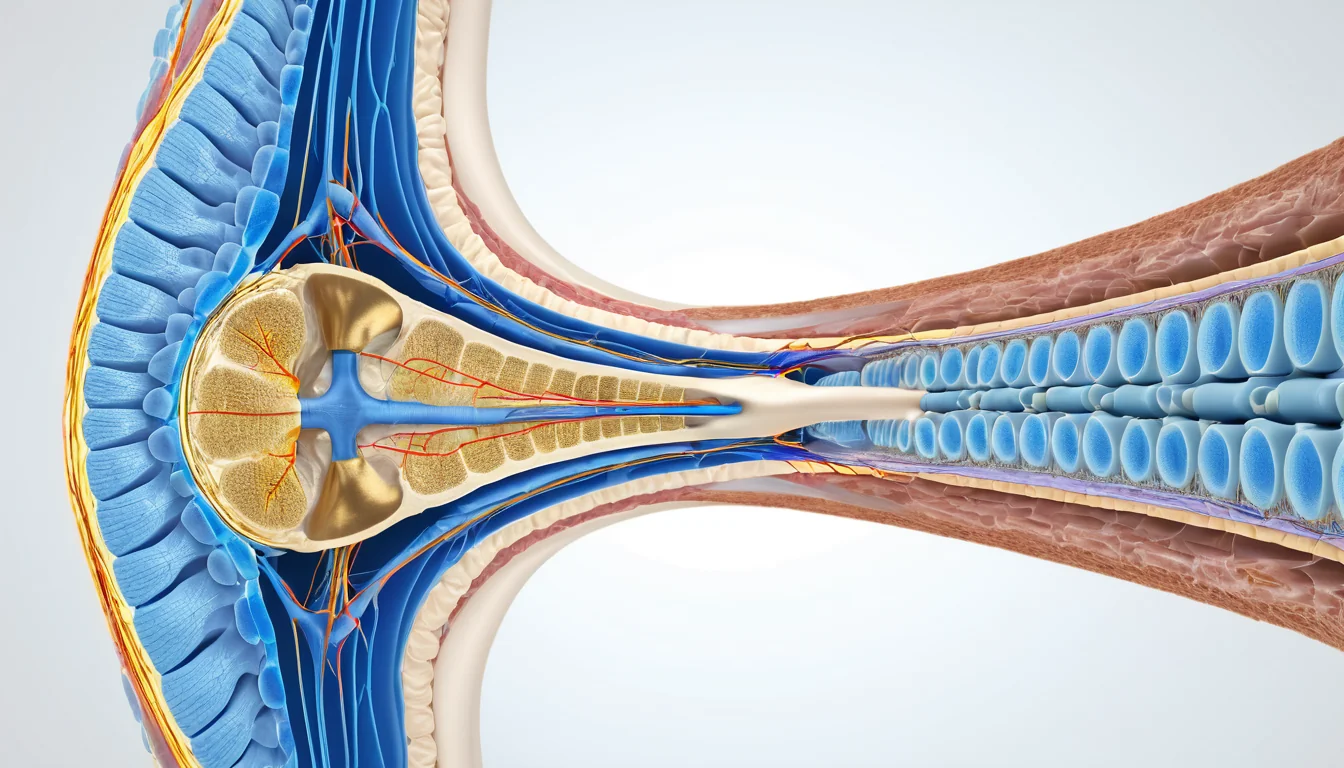
A pinched nerve occurs when surrounding tissues such as bone, cartilage, muscle, or tendon place excessive pressure on a nerve, disrupting its ability to function properly. This common condition can cause pain, numbness, tingling, or weakness and most frequently affects the neck, back, and wrist. Millions of Canadians experience nerve compression at some point in their lives, and understanding the causes and treatment options is the first step toward relief.
How a Pinched Nerve Is Diagnosed and Treated in Canada
Recognising nerve compression symptoms early can make a significant difference in recovery time. In many cases, a pinched nerve improves with rest, posture correction, and simple home care. However, when symptoms persist or worsen, Canadian healthcare providers can offer targeted treatments ranging from physical therapy to advanced interventions. This guide covers everything you need to know about causes, diagnosis, and effective treatment options available across Canada.
What Is a Pinched Nerve?
| Treatment Option | How It Helps | Key Benefits | Important Considerations |
|---|---|---|---|
| Rest and Activity Modification | Reduces pressure on the affected nerve by limiting movements that worsen symptoms | No cost, no side effects, effective for mild cases | Prolonged inactivity can weaken muscles; short-term rest is recommended |
| Physiotherapy | Strengthens surrounding muscles, improves posture, and relieves nerve compression | Long-term relief, addresses root cause, covered by many provincial health plans | Requires multiple sessions; results may take several weeks to appear |
| Over-the-Counter Medications (NSAIDs) | Reduces inflammation and pain around the compressed nerve | Readily available at Canadian pharmacies without a prescription | Not suitable for people with kidney disease, ulcers, or on blood thinners; short-term use only |
| Corticosteroid Injections | Delivers anti-inflammatory medication directly to the affected area for faster relief | Rapid reduction in swelling and pain; effective for severe symptoms | Limited to a few injections per year; requires referral to a specialist in most provinces |
| Chiropractic Care | Spinal manipulation helps realign vertebrae and relieve pressure on pinched nerves | Non-invasive; available across Canada; may provide quick symptom relief | Not appropriate for all causes; patients with osteoporosis or spinal instability should consult a physician first |
| Surgery (e.g., Microdiscectomy) | Removes or repairs the structure compressing the nerve for permanent relief | Highly effective for severe or chronic cases unresponsive to other treatments | Involves longer recovery time; available through referral in the Canadian public health system with potential wait times |
A pinched nerve is the everyday term for nerve compression. It occurs when a peripheral nerve — any nerve outside the brain and spinal cord — gets squeezed or irritated. The pressure can affect the nerve itself, its protective myelin sheath, or both.
When this happens, the nerve cannot send signals to the brain properly. As a result, you may feel numbness, a burning sensation, or sharp pain in the affected area. The discomfort can be mild and brief, or it can become severe and long-lasting.
For a deeper look at how nerves work, visit this overview of pinched nerve causes and symptoms from the Mayo Clinic.
Common Causes of a Pinched Nerve
Many different things can create pressure on a nerve. Some causes are related to injury, while others develop slowly over time due to lifestyle habits or health conditions.
Physical and Structural Causes
Nerves that travel through narrow spaces in the body are especially vulnerable. They have very little soft tissue protecting them. Pressure from the following can trap and compress a nerve:
- Bones and joints: Arthritis or bone spurs can narrow the space around a nerve.
- Herniated discs: When a spinal disc weakens or ruptures, it can press on nearby nerves, causing neck or back pain.
- Ligaments and tendons: Swollen or thickened tissue can squeeze a nerve in a tight space.
Inflammation near the spine can cause pain that radiates outward. For example, compression of a cervical nerve root can send pain from the neck down into the shoulder and arm. Compression lower in the spine can cause sciatica — a sharp, shooting pain that travels from the lower back through the leg and into the foot.
Lifestyle and Repetitive Strain
Everyday habits can also lead to a pinched nerve over time. Sitting in awkward positions for long periods, crossing your legs frequently, or sleeping on a bent wrist can all place stress on nerves. Repetitive movements — such as typing, using hand tools, or performing assembly-line work — are also common triggers.
If pressure on the nerve lasts only a short time, the nerve usually heals on its own. However, prolonged compression can cause permanent nerve damage if left untreated.
Risk Factors for Nerve Compression
Anyone can develop a pinched nerve, but some people face a higher risk. Understanding your risk factors can help you take steps to protect your nerve health.
Common risk factors include:
- Weight gain or obesity: Extra body weight puts more pressure on nerves throughout the body.
- Pregnancy: Fluid retention and weight gain during pregnancy can compress nerves, especially in the wrist and lower back.
- Thyroid disorders: Hypothyroidism in particular is linked to a higher risk of nerve compression.
- Water retention: Swelling from fluid buildup can press on nerves in tight spaces.
- Repetitive activities: Jobs or hobbies that involve repeated motions increase the risk significantly.
- Arthritis or disc disease: Both conditions can change the structure around nerves and increase pressure on them.
In addition, poor posture — such as hunching over a screen all day — is an increasingly common cause of pinched nerves in the neck and upper back.
Recognising the Symptoms of a Pinched Nerve
The symptoms of a pinched nerve vary depending on which nerve is affected and how much pressure is involved. Pain is often the first sign, but it is not the only one.
Common Symptoms
You may experience one or more of the following:
- Pain at the site of compression, such as the neck or lower back
- Radiating pain, such as sciatica travelling down the leg
- Numbness or a “pins and needles” feeling
- A burning or stinging sensation
- Muscle weakness in the affected area, especially during certain activities
In severe cases, muscle wasting (atrophy) can develop if the nerve controlling a muscle is damaged for a long time. In extreme situations, a severely compressed motor nerve may even cause paralysis, because blood and nerve signals can no longer reach the muscle properly.
When Symptoms Are Mild
If your symptoms are mild, applying a cold compress to the affected area may help reduce inflammation and ease discomfort. Over-the-counter creams with anti-inflammatory ingredients can also offer short-term relief. However, these measures only address symptoms — they do not fix the underlying cause.
Learn more about nerve pain symptoms and self-care from Healthline’s guide to pinched nerve symptoms and home care.
How a Pinched Nerve Is Diagnosed
A doctor diagnoses a pinched nerve by reviewing your symptoms and medical history, then performing a physical exam. In straightforward cases, this information is enough to confirm the diagnosis. In other cases, further testing may be needed.
Diagnostic Tests
Your doctor may order one or more of the following tests:
- Electromyography (EMG): This test measures electrical activity in muscles and evaluates how well nerves are functioning. It can show where the compression is and how severely the nerve has been affected.
- MRI (Magnetic Resonance Imaging): An MRI gives a detailed picture of soft tissues, including discs and nerves. It is especially useful for finding compression in the neck or lower spine.
- CT scan (Computed Tomography): A CT scan provides detailed images of bones and can help identify structural causes of nerve compression, such as fractures or arthritis.
Your doctor will choose the most appropriate test based on where your symptoms are located and how long you have had them.
Treatment Options for a Pinched Nerve
Treatment for a pinched nerve depends on the cause, location, and severity of the compression. Many people recover fully with conservative (non-surgical) care.
Rest and Posture Correction
Resting the affected area is often the first step. Avoiding the movements or positions that caused the problem gives the nerve time to heal. Posture correction — such as adjusting your workstation or changing how you sleep — can also remove the source of pressure.
Physical Therapy and Exercise
A physiotherapist can teach you stretches and strengthening exercises to relieve pressure on the nerve and prevent future episodes. These programmes are tailored to the specific nerve and body region involved. Many Canadians access physiotherapy through their provincial health plan or extended benefits coverage.
Medications
Non-steroidal anti-inflammatory drugs (NSAIDs), such as ibuprofen, can reduce inflammation and relieve pain. In more severe cases, a doctor may prescribe oral corticosteroids or a corticosteroid injection near the affected nerve to reduce swelling more quickly.
Surgery
Surgery is rarely needed, but it may be recommended if other treatments have not worked and the nerve damage is progressing. The goal of surgery is to remove or reduce the source of pressure on the nerve. Your specialist will discuss the risks and benefits with you before any procedure.
For more information on treatment approaches, Health Canada provides resources on accessing care and treatment in your province.
When to See a Doctor
You should see a doctor if your symptoms do not improve within a few days of rest and home care. A family doctor is a great first point of contact. They can assess your condition, rule out other causes, and refer you to a specialist if needed.
If you do not have a family doctor, a walk-in clinic can help. Most walk-in clinics across Canada can evaluate nerve symptoms, order basic tests, and provide a referral to a neurologist, physiatrist, or orthopaedic specialist when necessary.
Seek immediate medical attention if you experience:
- Sudden, severe pain that does not ease with rest
- Loss of bladder or bowel control alongside back pain
- Progressive muscle weakness or paralysis
- Numbness that spreads rapidly
These symptoms can signal a more serious condition that requires urgent care. Always consult a healthcare provider before starting any new treatment for nerve pain. A proper diagnosis ensures you receive the right care for your specific situation.
How long does a pinched nerve take to heal?
A mild pinched nerve can heal within a few days to a few weeks with rest and proper care. However, if the compression has been present for a long time, recovery may take several months. In some cases, a pinched nerve can cause lasting damage if it is not treated promptly.
What is the best way to relieve pinched nerve pain at home?
Resting the affected area, applying a cold or warm compress, and taking over-the-counter anti-inflammatory medications like ibuprofen can help relieve pinched nerve pain at home. Gentle stretching and correcting your posture may also reduce pressure on the nerve. Always speak with your doctor or pharmacist before starting any new medication.
Can a pinched nerve go away on its own?
Yes, many cases of a pinched nerve resolve on their own once the source of pressure is removed. Short-term compression — such as from sitting awkwardly — usually heals quickly without treatment. However, ongoing compression from a herniated disc or arthritis may require medical care to prevent permanent nerve damage.
What does a pinched nerve feel like?
A pinched nerve typically causes a sharp, burning, or aching pain near the affected area. You may also notice numbness, tingling, or a “pins and needles” sensation radiating into nearby areas, such as the arm or leg. Some people experience muscle weakness, especially when performing specific movements.
Can poor posture cause a pinched nerve?
Yes, poor posture is a common cause of a pinched nerve, especially in the neck and upper back. Hunching over a computer or phone for long periods places extra pressure on spinal nerves. Adjusting your workstation and taking regular breaks can help reduce this risk over time.
Is a pinched nerve covered by provincial health plans in Canada?
According to Mayo Clinic’s overview of pinched nerve causes and symptoms, this information is supported by current medical research.
For more information, read our guide on headaches caused by high blood pressure and nerve pain.
Visits to a family doctor or specialist for a pinched nerve are generally covered by provincial health plans across Canada. However, services like physiotherapy and massage therapy may require extended health benefits or private insurance. Check with your provincial health authority or benefits provider to understand what is covered in your situation.
Key Takeaways
- A pinched nerve occurs when surrounding tissue places too much pressure on a peripheral nerve, disrupting its normal function.
- Common causes include herniated discs, arthritis, repetitive movements, and prolonged awkward postures.
- Symptoms include pain, numbness, tingling, burning sensations, and muscle weakness.
- Most pinched nerves heal with rest, posture correction, and physiotherapy.
- Diagnosis may involve a physical exam, EMG, MRI, or CT scan depending on your symptoms.
- See your family doctor or visit a walk-in clinic if symptoms persist beyond a few days or worsen over time.
- Always consult a healthcare provider before starting any treatment — the right diagnosis leads to the most effective care.
Frequently Asked Questions
What is a pinched nerve?
A pinched nerve occurs when surrounding tissues — such as bones, cartilage, muscles, or tendons — apply excessive pressure to a nerve. This compression disrupts normal nerve function, causing pain, tingling, numbness, or weakness. It can occur anywhere in the body but is most common in the neck, back, and wrist.
What are the symptoms of a pinched nerve?
Common symptoms include sharp or burning pain that may radiate outward, numbness or decreased sensation, tingling (pins and needles), and muscle weakness in the affected area. Symptoms may worsen with certain movements or while sleeping. In the neck or lower back, pain can travel down the arm or leg.
How is a pinched nerve treated in Canada?
Treatment typically begins conservatively with rest, over-the-counter anti-inflammatories like ibuprofen, and physiotherapy. A Canadian doctor may also recommend corticosteroid injections, a cervical collar, or chiropractic care. Most cases resolve within weeks. Surgery is considered only when symptoms are severe or persist despite non-surgical treatment.
Can you prevent a pinched nerve?
Yes, several lifestyle measures can reduce your risk. Maintain good posture, take regular breaks during repetitive tasks, strengthen core muscles, and maintain a healthy weight. Using ergonomic workstations and avoiding prolonged positions that strain the neck or back also significantly lower the likelihood of developing nerve compression.
When should I see a doctor for a pinched nerve?
See a doctor if pain is severe, lasts more than a few days, or doesn’t improve with rest and over-the-counter medication. Seek immediate medical attention if you experience sudden weakness, loss of bladder or bowel control, or numbness in the groin area, as these may signal a serious spinal emergency.

About the Author
Dr. Linda Chen, RD, PhDDr. Linda Chen is a registered dietitian and PhD in Nutritional Sciences from the University of British Columbia. With expertise in clinical nutrition, sports dietetics, and gut health, she has worked with leading Canadian hospitals and sports organizations. Dr. Chen is a member of Dietitians of Canada and regularly contributes to national nutrition policy discussions.
View all articles →