Cervical Spinal Stenosis: Causes, Symptoms & Treatment

Share
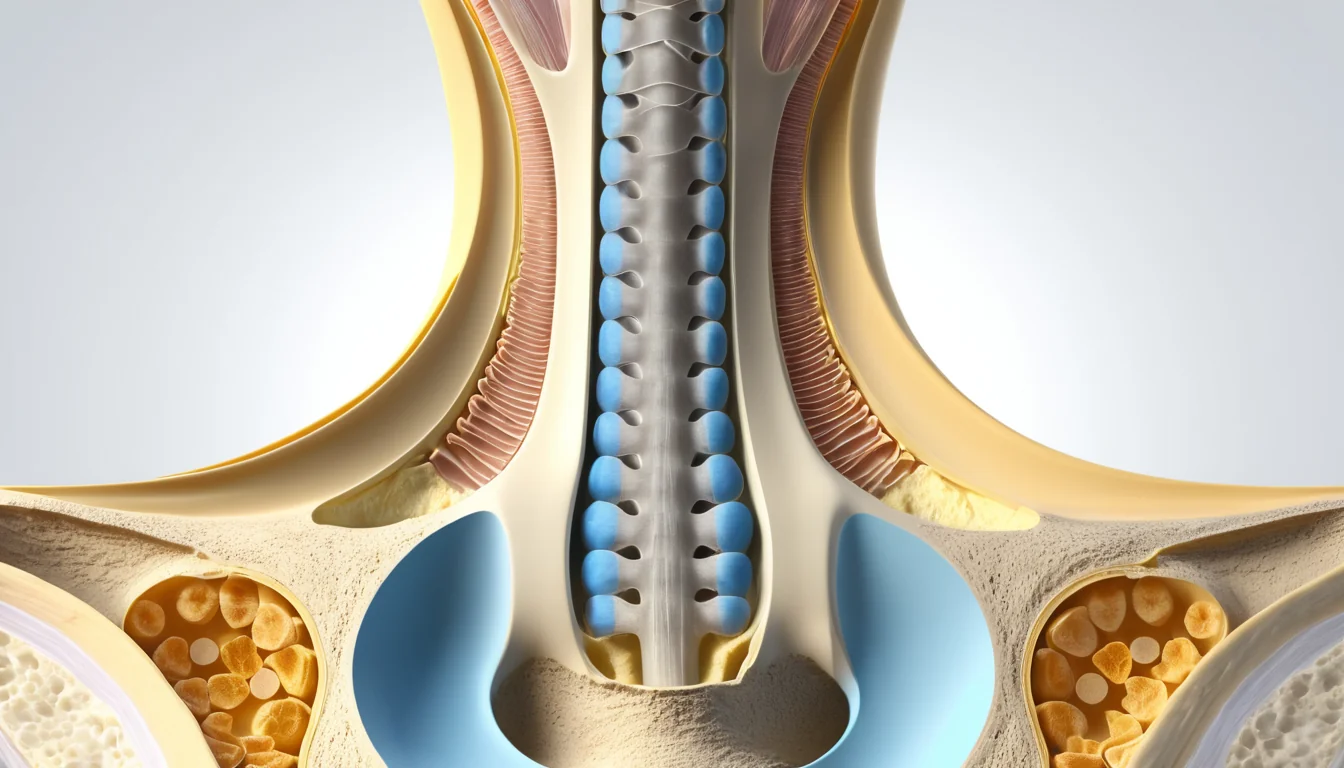
Cervical spinal stenosis is a condition in which the spinal canal in the neck gradually narrows, placing pressure on the spinal cord and surrounding nerve roots. This narrowing can lead to persistent pain, numbness, tingling, and weakness that affects the neck, arms, and even the legs. It is most commonly diagnosed in Canadians over the age of 50 and can significantly impact daily life if left untreated.
Understanding Cervical Spinal Stenosis: Causes and Risk Factors
Understanding the causes and recognizing spinal cord compression symptoms early can make a real difference in treatment outcomes. Whether you are exploring non-surgical options or considering cervical stenosis treatment in Canada, this guide covers everything you need to know — from diagnosis to recovery — so you can make informed decisions about your spinal health.
What Is Cervical Spinal Stenosis?
| Treatment Option | Benefits | Considerations | Typical Candidacy |
|---|---|---|---|
| Physiotherapy & Exercise | Improves strength, flexibility, and posture; reduces nerve compression symptoms without surgery | Requires consistent commitment; results may take weeks to months; not effective for severe stenosis | Mild to moderate cervical spinal stenosis with no significant neurological deficits |
| Pain Medications (NSAIDs, Analgesics) | Provides short-term relief from neck pain and inflammation; widely accessible across Canada | Long-term use may cause gastrointestinal or cardiovascular side effects; does not address root cause | Patients with mild-to-moderate pain needing symptom management alongside other treatments |
| Epidural Steroid Injections | Reduces inflammation and nerve irritation; can provide months of relief; minimally invasive | Effects are temporary; limited to three injections per year; may not be covered by all provincial health plans | Moderate stenosis with radiculopathy unresponsive to physiotherapy and medication |
| Cervical Laminectomy | Directly removes bone or tissue compressing the spinal cord; long-term symptom relief for many patients | Carries surgical risks including infection and instability; recovery period of 6–12 weeks; waitlists vary by province | Severe cervical spinal stenosis with myelopathy or significant neurological compromise |
| Anterior Cervical Discectomy and Fusion (ACDF) | Removes herniated disc or bone spurs; stabilizes the spine; high success rate for radiculopathy relief | Reduces mobility at fused segment; adjacent segment degeneration possible over time; requires specialist referral | Stenosis caused by disc herniation or bone spurs with arm pain, weakness, or numbness |
The spinal canal is the hollow space inside your vertebrae — the bones that make up your spine. It houses the spinal cord, which is a bundle of nerves running from the base of the brain down to the lower back. These nerves control feeling and movement throughout your body.
The cervical spine is the upper part of your spine. It includes the first seven vertebrae, which stretch from the base of your skull down to your upper chest. When the spinal canal narrows in this region, it is called cervical spinal stenosis.
The narrowing can press on nerve roots where they branch off the spinal cord. It can also irritate or compress the spinal cord itself. As a result, people may experience a wide range of symptoms affecting the neck, arms, hands, and even the legs.
What Causes Cervical Spinal Stenosis?
The most common cause of cervical spinal stenosis is normal aging. Over time, the tissues and structures of the spine naturally break down and change shape. These age-related changes can gradually narrow the spinal canal.
Age-Related Changes in the Spine
As we age, several changes happen inside the spine. Ligaments — the tough bands of tissue that connect bones — can thicken and harden. The cartilage that cushions the joints can wear away. Bone spurs, which are small bony growths along the edges of joints, can develop and push into the spinal canal.
Together, these changes reduce the space available for the spinal cord and nerves. This is why cervical spinal stenosis is most often seen in people over the age of 50.
Other Possible Causes
However, aging is not the only cause. Other conditions can also lead to a narrowed cervical spinal canal. These include:
- Herniated or bulging discs between the vertebrae
- Cervical instability or slippage of vertebrae (spondylolisthesis)
- Rheumatological conditions such as ankylosing spondylitis
- Spinal tumours
- Spinal vascular malformations
- Spinal cord injury or vertebral fracture
- Syringomyelia (a fluid-filled cyst within the spinal cord)
In some cases, a person may be born with a naturally narrower spinal canal, which makes them more likely to develop symptoms earlier in life.
Symptoms of Cervical Spinal Stenosis
Many people over 50 have some degree of spinal canal narrowing but never experience any symptoms. Cervical spinal stenosis only causes symptoms when the spinal cord or nerve roots become compressed. Symptoms usually develop slowly over a long period of time.
Common Symptoms to Watch For
Symptoms can vary from person to person. However, the most common signs include:
- Stiffness, pain, or numbness in the neck, shoulders, arms, or hands
- Weakness or numbness in the legs or feet
- Balance problems or difficulty walking steadily
- Shuffling or dragging the feet while walking
- Changes in reflexes
- Reduced muscle strength (muscle weakness)
- Loss of sensation in the hands or feet
- Bladder or bowel control problems (incontinence)
If you notice neck movements that cause pain, tingling, or weakness, it is important to speak with your family doctor or visit a walk-in clinic. Catching this condition early can help prevent further nerve damage.
For more information on nerve-related symptoms, visit the Mayo Clinic’s guide on cervical spine conditions.
How Is Cervical Spinal Stenosis Diagnosed?
Diagnosis starts with a conversation between you and your doctor. Your doctor will ask about your symptoms, how long you have had them, and whether certain movements make them worse. A physical examination will also be done to check your strength, reflexes, and sensation.
Imaging and Other Tests
If your doctor suspects cervical spinal stenosis, they will likely order imaging tests to confirm the diagnosis and find the cause. The most useful tests include:
- X-ray: Shows bone structure and can reveal bone spurs or disc space narrowing.
- MRI (Magnetic Resonance Imaging): Provides detailed images of the spinal cord, discs, and soft tissues. This is often the most important test.
- CT scan (Computed Tomography): Gives a detailed view of the bones in the spine.
- EMG (Electromyography): Measures the electrical activity in muscles and nerves to assess nerve function.
Blood tests may also be ordered. These help your doctor rule out other conditions with similar symptoms, such as multiple sclerosis, amyotrophic lateral sclerosis (ALS), or vitamin B12 deficiency. In Canada, these tests are generally covered under provincial health plans, though wait times can vary by province.
Treatment Options for Cervical Spinal Stenosis
Treatment for cervical spinal stenosis depends on how severe the symptoms are. Mild to moderate cases can often be managed without surgery. However, severe or worsening cases may require a surgical procedure.
Non-Surgical Treatment
For mild or moderate cervical spinal stenosis, non-surgical options are usually tried first. These can include:
- Pain relievers and anti-inflammatory medications: These help reduce pain and swelling around the affected nerves.
- Physiotherapy: A registered physiotherapist can design a programme of exercises to improve strength, flexibility, and posture. This is a core part of treatment.
- Cervical collar: A soft neck brace may be recommended to support the neck and reduce strain during recovery.
- Exercise programme: Staying active is important. While exercise cannot cure cervical spinal stenosis, it helps prevent muscle loss (atrophy) and maintains function.
It is important to note that exercise and physiotherapy should always be guided by a healthcare professional. In Canada, your family doctor or specialist can refer you to a physiotherapist through your provincial health plan.
You can learn more about managing spinal conditions through the Healthline overview of cervical spinal stenosis.
Surgical Treatment
Surgery may be recommended when symptoms are severe, muscle weakness is getting worse, or imaging shows significant compression of the spinal cord or nerves. The most common surgical procedure is a decompressive laminectomy.
During this operation, the surgeon removes small portions of the disc, vertebra, or tissue that is pressing on the nerve root or spinal cord. The vertebrae may then be fused together to stabilise the spine. This surgery aims to relieve pressure and prevent further neurological damage.
Recovery from spinal surgery takes time. A supervised physiotherapy programme is a key part of recovery after surgery for cervical spinal stenosis.
For general information on spinal health and surgery, Health Canada offers resources on navigating the Canadian healthcare system.
When to See a Doctor
You should speak with your family doctor if you have ongoing neck pain, numbness, or weakness in your arms or legs. These symptoms may point to cervical spinal stenosis or another spine condition that needs attention.
If you do not have a family doctor, a walk-in clinic can assess your symptoms and arrange a referral to a specialist such as a neurologist, orthopaedic surgeon, or neurosurgeon. Most provinces cover specialist referrals under their provincial health insurance plans.
Seek emergency care right away if you suddenly lose control of your bladder or bowels, or if you experience rapid loss of strength or feeling in your arms or legs. These can be signs of serious spinal cord compression that requires urgent medical attention.
Always consult your doctor or a qualified healthcare professional before starting any new treatment or exercise programme for cervical spinal stenosis.
Frequently Asked Questions
What is cervical spinal stenosis?
Cervical spinal stenosis is a condition where the spinal canal in the neck narrows, putting pressure on the spinal cord or nearby nerves. It most commonly affects people over the age of 50 and develops gradually over time. Symptoms can include neck pain, numbness, and weakness in the arms or legs.
Can cervical spinal stenosis be treated without surgery?
Yes, many people with mild to moderate cervical spinal stenosis manage their symptoms without surgery. Non-surgical treatments include pain medications, physiotherapy, exercise programmes, and the use of a cervical collar. However, if symptoms worsen or spinal cord compression is severe, surgery may be necessary.
What are the early warning signs of cervical spinal stenosis?
Early signs of cervical spinal stenosis can include stiffness or pain in the neck, tingling or numbness in the hands and arms, and subtle balance problems. Some people notice that turning their head causes discomfort or weakness. It is important to see your family doctor if these symptoms appear, as early treatment can slow progression.
Is cervical spinal stenosis a serious condition?
Cervical spinal stenosis can become serious if the spinal cord is significantly compressed. In severe cases, it can lead to permanent weakness, loss of sensation, or problems with bladder and bowel control. With early diagnosis and proper treatment, most people are able to manage their symptoms effectively.
How is cervical spinal stenosis diagnosed in Canada?
In Canada, your family doctor will first review your symptoms and perform a physical examination. They may then refer you for imaging tests such as an MRI, X-ray, or CT scan, which are generally covered by provincial health plans. A neurologist or spine specialist may also conduct nerve conduction studies to assess the extent of nerve involvement.
What exercises are safe for cervical spinal stenosis?
According to Mayo Clinic’s overview of spinal stenosis, this information is supported by current medical research.
For more information, read our guide on high blood pressure headaches and related warning signs.
Safe exercises for cervical spinal stenosis are best determined by a physiotherapist or your treating doctor. Generally, gentle range-of-motion exercises, stretching, and low-impact activities such as walking or swimming may be recommended. Avoid high-impact activities or movements that increase neck pain until you have been assessed by a healthcare professional.
Key Takeaways
- Cervical spinal stenosis is a narrowing of the spinal canal in the neck that can compress the spinal cord or nerve roots.
- It is most common in people over 50 and is usually caused by age-related changes in the spine.
- Symptoms include neck pain, numbness, weakness in the arms and legs, balance problems, and in severe cases, bladder or bowel issues.
- Diagnosis involves a physical exam and imaging tests such as MRI, X-ray, or CT scan, most of which are covered by provincial health plans in Canada.
- Mild to moderate cases are often managed with physiotherapy, exercise, and medication. Severe cases may require surgery.
- Staying active under professional guidance is an important part of managing this condition and preventing muscle loss.
- If you have any symptoms of cervical spinal stenosis, speak with your family doctor or visit a walk-in clinic as soon as possible.
Frequently Asked Questions
What is cervical spinal stenosis?
Cervical spinal stenosis is a narrowing of the spinal canal in the neck region, which compresses the spinal cord and surrounding nerves. This narrowing can result from aging, arthritis, bone spurs, or herniated discs. The condition affects Canadians of all ages but is most common in adults over 50.
What are the symptoms of cervical spinal stenosis?
Common symptoms include neck pain, numbness or tingling in the arms and hands, weakness in the arms or legs, and balance or coordination problems. In severe cases, bladder or bowel dysfunction may occur. Symptoms often develop gradually and may worsen over time without proper medical treatment.
How is cervical spinal stenosis treated in Canada?
Treatment options include physiotherapy, pain medications, corticosteroid injections, and activity modifications for mild to moderate cases. Severe cervical spinal stenosis may require surgery, such as laminectomy or spinal fusion. Canadian patients typically access these treatments through their provincial health care system with a specialist referral.
Can cervical spinal stenosis be prevented?
While age-related changes cannot be fully prevented, you can reduce your risk by maintaining good posture, staying physically active, keeping a healthy weight, and avoiding smoking. Regular stretching and strengthening exercises for the neck and core muscles also help support spinal health and slow degenerative changes.
When should I see a doctor for neck pain and cervical spinal stenosis?
See a doctor immediately if you experience sudden arm or leg weakness, loss of bladder or bowel control, or severe balance problems — these are medical emergencies. Otherwise, consult your family physician if neck pain persists beyond a few weeks, or if you notice numbness, tingling, or weakness spreading into your arms.

About the Author
Dr. Sarah Mitchell, MDDr. Sarah Mitchell is a board-certified family physician with over 15 years of clinical experience. She completed her MD at the University of Toronto and her residency at Toronto General Hospital. Dr. Mitchell specializes in preventive medicine and chronic disease management. She is a member of the College of Family Physicians of Canada (CFPC) and has published over 30 peer-reviewed articles on preventive health care.
View all articles →