Kidney Disease: Causes, Symptoms & Treatment in Canada

Share
Kidney disease affects an estimated 4 million Canadians and can develop silently over months or years — often without noticeable warning signs until significant damage has already occurred. Your kidneys perform vital functions every day, filtering roughly 180 litres of blood, removing waste, regulating blood pressure, and producing essential hormones that keep your body in balance.
Understanding Kidney Disease: Why Early Detection Matters for Canadians
Understanding the early kidney disease symptoms is critical for protecting your long-term health. Whether you are managing risk factors like diabetes or high blood pressure, or you simply want to learn how your kidneys work and what can go wrong, this comprehensive Canadian guide covers everything from diagnosis to treatment options. As always, speak with your family doctor or visit a walk-in clinic if you have concerns about your kidney health.
Why Your Kidneys Are So Important
| Stage (GFR Range) | Kidney Function | Common Symptoms | Management Approach |
|---|---|---|---|
| Stage 1 (≥90 mL/min) | Normal or high; kidney damage present with normal filtration | Usually no symptoms; possible protein in urine | Monitor blood pressure and blood sugar; healthy lifestyle changes; regular checkups with a family physician |
| Stage 2 (60–89 mL/min) | Mildly reduced kidney function | Mild fatigue; slight changes in urination frequency | Dietary modifications; control of diabetes and hypertension; referral to a nephrologist may be recommended |
| Stage 3 (30–59 mL/min) | Moderately reduced kidney function | Swelling in hands and feet; fatigue; back pain; changes in urine output | Specialist nephrology care; medications to protect kidneys; low-sodium, low-phosphorus diet; avoid NSAIDs |
| Stage 4 (15–29 mL/min) | Severely reduced kidney function | Nausea, vomiting, shortness of breath; significant fluid retention; anemia | Prepare for renal replacement therapy; dialysis planning; transplant evaluation through a Canadian transplant program |
| Stage 5 (<15 mL/min) | Kidney failure (end-stage kidney disease) | Severe fatigue, confusion, decreased urine output, dangerous electrolyte imbalances | Hemodialysis, peritoneal dialysis, or kidney transplant; palliative care options available through provincial health services |
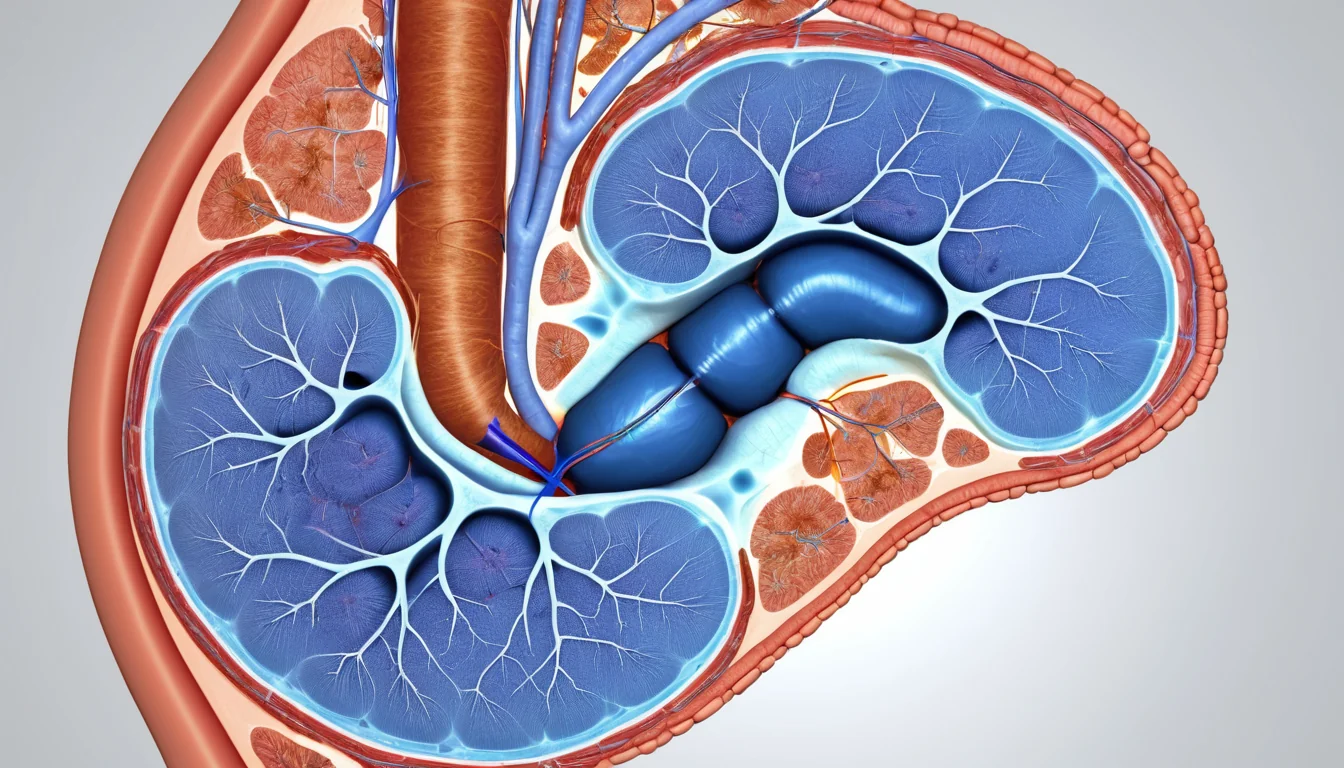
Your kidneys are two bean-shaped organs located near your lower back. They work around the clock to keep your body in balance. Each day, they filter roughly 180 litres of blood and remove waste products from digestion, medications, and environmental toxins.
In addition to filtering blood, your kidneys help control your blood pressure. They produce an enzyme called renin, which raises blood pressure when levels increase. When kidneys are damaged, blood pressure can rise dangerously as a result.
Your kidneys also produce erythropoietin, a hormone that signals your body to make red blood cells. Furthermore, they activate vitamin D, which keeps your bones strong and healthy. When kidney disease develops, all of these functions can be affected.
Types of Kidney Disease: Acute vs. Chronic
Kidney disease falls into two broad categories — acute and chronic. Understanding the difference is important because each type has different causes, symptoms, and treatments.
Acute Kidney Failure
Acute kidney failure happens suddenly, often within hours or days. It occurs when something sharply disrupts kidney function. This is a serious medical emergency that requires immediate attention.
Common causes of acute kidney failure include:
- Heart failure or reduced blood flow to the kidneys
- Severe infections or sepsis
- Serious dehydration
- Autoimmune conditions such as lupus (systemic lupus erythematosus)
- Prostate enlargement (benign prostatic hyperplasia) in men, which blocks urine flow
- Pregnancy complications such as pre-eclampsia or eclampsia in women
- Certain medications or toxic substances
When urine cannot drain properly, pressure builds up in the kidneys. However, prompt medical treatment can often reverse acute kidney failure if caught early. Learn more about acute kidney failure causes and symptoms at Mayo Clinic.
Chronic Kidney Disease
Chronic kidney disease (CKD) develops slowly over months or years. If kidney function is reduced or disrupted for more than three months, doctors classify it as CKD. Many people live with early-stage CKD without knowing it because symptoms are minimal at first.
CKD is staged from 1 to 5. Stages 1 and 2 often cause no noticeable symptoms. By stages 4 and 5, kidney function is seriously impaired and complications become more apparent.
Common causes of chronic kidney disease include:
- High blood pressure (hypertension)
- Type 1 or Type 2 diabetes
- Polycystic kidney disease (an inherited condition)
- Recurring kidney infections
- Glomerulonephritis (inflammation of the kidney’s filtering units)
- Long-term kidney stones that block urine flow
- Vesicoureteral reflux, where urine flows backward toward the kidneys
- Certain tumours causing ongoing urinary obstruction
Diabetes and high blood pressure together account for the majority of CKD cases in Canada. Health Canada identifies CKD as a growing public health concern across all provinces.
Symptoms of Kidney Disease to Watch For
Recognizing the symptoms of kidney disease early can make a real difference. Symptoms vary depending on whether the condition is acute or chronic.
Symptoms of Acute Kidney Failure
Acute kidney failure can produce noticeable symptoms quite quickly. You may experience abdominal bloating, constipation or diarrhoea, nausea, vomiting, and lower back pain. These symptoms can feel similar to other conditions, which is why medical evaluation is so important.
In more severe cases, symptoms can escalate rapidly. These may include:
- Extreme fatigue and lethargy
- Restlessness or confusion
- Swelling in the legs or face
- Seizures
- In the most serious cases, uraemic coma caused by a dangerous build-up of toxins in the blood
Symptoms of Chronic Kidney Disease
CKD symptoms tend to develop slowly over time. However, they can worsen significantly during flare-ups. Swelling in the legs and ankles is one of the most common early signs. This swelling, called oedema, leaves a dent when pressed and can also affect the lungs, causing shortness of breath and chest discomfort.
Additional symptoms of CKD include:
- High blood pressure that is difficult to control
- Bone and joint pain
- Muscle cramps
- Loss of appetite, nausea, and vomiting
- Dark-coloured urine or blood in the urine
- Frequent or reduced urination
- Persistent fatigue
Dark or bloody urine can signal damage to the kidney’s filtering membranes, or it may result from kidney stones moving through the urinary tract. Either way, this symptom warrants prompt medical attention.
How Doctors Diagnose Kidney Disease
If your doctor suspects kidney disease based on your symptoms, they will order a series of tests. Early diagnosis gives you the best chance of slowing or stopping kidney damage.
Laboratory Tests
Blood and urine tests are the first step in diagnosing kidney disease. Your doctor will likely check the following:
- Urinary albumin and creatinine: These tests measure protein in your urine. Protein in urine (proteinuria) is an early warning sign of kidney damage.
- Albumin-to-creatinine ratio (ACR): This ratio helps determine how well your kidneys are filtering protein.
- Blood urea nitrogen (BUN) and serum creatinine: Elevated levels suggest your kidneys are not removing waste effectively.
- Electrolytes (sodium, potassium, calcium, phosphorus): Imbalances can indicate impaired kidney function.
- Glomerular filtration rate (GFR): This is the key measurement doctors use to stage CKD. A GFR below 60 for three months or more indicates CKD.
Imaging and Biopsy
Imaging tests give your doctor a clearer picture of your kidney structure. A renal ultrasound is usually the first imaging step — it is safe, painless, and widely available at diagnostic imaging centres across Canada. Your doctor may also order a CT scan or MRI to get more detailed information.
If test results show significant protein in the urine, nephrotic syndrome, or unexplained elevated waste levels in the blood, a kidney biopsy may be recommended. In this procedure, a small sample of kidney tissue is removed and examined under a microscope. This helps identify the exact cause of kidney damage. For more detail on kidney testing, visit Healthline’s guide to kidney disease.
Treatment Options for Kidney Disease
Treatment for kidney disease depends on the type and cause. The main goals are to treat the underlying cause, protect remaining kidney function, and manage complications.
Treating Acute Kidney Failure
Acute kidney failure treatment focuses on removing the cause and supporting the body while kidneys recover. In hospital, doctors may give intravenous (IV) fluids to restore hydration and improve blood flow to the kidneys. If an infection is causing the problem, antibiotics will be prescribed. Medications that harm the kidneys may be stopped temporarily.
In severe cases where kidneys stop working entirely, dialysis may be needed temporarily. Dialysis is a machine-based process that filters the blood when kidneys cannot. Most provincial health plans in Canada cover dialysis as a medically necessary treatment.
Managing Chronic Kidney Disease
There is no cure for most forms of CKD, but its progression can be significantly slowed with the right treatment programme. Your family doctor or a kidney specialist (nephrologist) will work with you to build a management plan tailored to your needs.
Common approaches to managing CKD include:
- Blood pressure control: Keeping blood pressure below 130/80 mmHg protects kidney function. ACE inhibitors or ARBs are commonly prescribed.
- Blood sugar management: For people with diabetes, tight glucose control is essential to protect the kidneys.
- Dietary changes: Reducing sodium, potassium, phosphorus, and protein intake reduces the workload on damaged kidneys. A registered dietitian can help you create a kidney-friendly meal plan.
- Medications: Diuretics help reduce fluid retention and swelling. Other medications address anaemia, bone disease, and electrolyte imbalances.
- Lifestyle changes: Quitting smoking, maintaining a healthy weight, and staying physically active all help slow CKD progression.
In end-stage kidney disease (Stage 5 CKD), the kidneys can no longer sustain life on their own. At this point, the options are long-term dialysis or a kidney transplant. Both options are supported through provincial health plans across Canada.
When to See a Doctor
Kidney disease is often a silent condition in its early stages. Therefore, regular check-ups are important — especially if you have diabetes, high blood pressure, or a family history of kidney problems. Your family doctor can order simple blood and urine tests as part of a routine check-up to screen for early kidney disease.
You should see a doctor or visit a walk-in clinic right away if you notice any of the following:
- Blood in your urine or very dark urine
- Sudden swelling in your legs, ankles, or face
- A sharp drop in how much urine you produce
- Severe back or flank pain
- Confusion, extreme fatigue, or difficulty breathing alongside urinary changes
Do not wait for symptoms to become severe. Early intervention gives you the best chance of protecting your kidney function and avoiding serious complications. If you are already managing a condition like diabetes or high blood pressure, ask your doctor how often your kidney function should be monitored.
What are the early warning signs of kidney disease?
Early kidney disease often causes no obvious symptoms, which is why it can go undetected for years. Some early signs include changes in urination patterns, mild swelling in the legs or ankles, persistent fatigue, and slightly elevated blood pressure. If you have diabetes or high blood pressure, ask your family doctor to screen you for kidney disease regularly, as these are the leading causes of chronic kidney disease in Canada.
Can kidney disease be reversed?
Whether kidney disease can be reversed depends on the type and cause. Acute kidney failure can often be reversed with prompt treatment, especially if the underlying cause — such as dehydration or a blockage — is removed quickly. Chronic kidney disease, however, is generally not reversible, but its progression can be slowed significantly through blood pressure control, blood sugar management, dietary changes, and a healthy lifestyle.
What foods are bad for kidney disease?
People with kidney disease are usually advised to limit foods high in sodium, potassium, and phosphorus, as damaged kidneys struggle to filter these minerals properly. High-sodium processed foods, bananas, oranges, dairy products, and dark-coloured sodas are commonly restricted. A registered dietitian can create a personalized kidney-friendly eating plan based on your specific lab results and stage of kidney disease.
How is kidney disease diagnosed in Canada?
Kidney disease is diagnosed through blood tests, urine tests, and imaging. Your family doctor will typically check your glomerular filtration rate (GFR) and your albumin-to-creatinine ratio (ACR) — these are the two key markers used to detect and stage chronic kidney disease. Imaging such as a renal ultrasound or CT scan may also be ordered, and in some cases, a kidney biopsy is performed at a hospital centre to identify the exact cause of damage.
What is the difference between acute kidney failure and chronic kidney disease?
Acute kidney failure develops suddenly — often within hours or days — and is usually triggered by a specific event such as severe dehydration, infection, or a blockage. Chronic kidney disease develops slowly over months or years and is most often caused by long-term conditions like diabetes or high blood pressure. Both forms of kidney disease require medical attention, but their treatments and long-term outlooks differ significantly.
Is kidney disease covered by provincial health plans in Canada?
According to Health Canada’s guidelines on kidney health, this information is supported by current medical research.
For more information, read our guide on high blood pressure headaches and warning signs.
Yes, diagnosis and treatment for kidney disease — including dialysis and kidney transplantation — are covered as medically necessary services under provincial health plans across Canada. Access to nephrologists (kidney specialists), diagnostic imaging, and lab tests is available through the public healthcare system. However, wait times and specific coverage details may vary by province, so it is worth speaking with your family doctor about referral options in your area.
Key Takeaways
- Kidney disease affects millions of Canadians and often develops without obvious early symptoms.
- Your kidneys filter blood, regulate blood pressure, produce red blood cells, and activate vitamin D — damage affects all of these functions.
- The two main types are acute kidney failure (sudden) and chronic kidney disease (slow, progressive).
- Diabetes and high blood pressure are the most common causes of chronic kidney disease in Canada.
- Key symptoms include swelling, dark or bloody urine, fatigue, and changes in urination — see a doctor if you notice these signs.
- Early diagnosis through simple blood and urine tests gives you the best chance of slowing kidney disease progression.
- Treatment ranges from lifestyle changes and medications to dialysis and kidney transplantation, all supported through provincial health plans.
- Always consult your family doctor or a walk-in clinic if you have concerns about your kidney health — early action makes a real difference.
Frequently Asked Questions
What is kidney disease?
Kidney disease occurs when the kidneys are damaged and cannot properly filter waste and excess fluids from the blood. It ranges from acute kidney injury, which develops suddenly, to chronic kidney disease (CKD), which progresses gradually over months or years and can eventually lead to kidney failure if untreated.
What are the symptoms of kidney disease?
Common kidney disease symptoms include swollen ankles and feet, persistent fatigue, shortness of breath, decreased urination, foamy or bloody urine, high blood pressure, and itchy skin. Many people experience no symptoms in early stages, making routine blood and urine testing especially important for early detection.
How is kidney disease treated in Canada?
Treatment depends on the stage and cause. Options include blood pressure medications, diabetes management, dietary changes, and diuretics. Advanced kidney disease may require dialysis or a kidney transplant. Canadian nephrologists develop personalized care plans, and provincial health coverage generally includes dialysis and transplant services.
Can kidney disease be prevented?
Many cases of kidney disease can be prevented or slowed by managing diabetes and high blood pressure, staying well hydrated, maintaining a healthy weight, avoiding excessive use of NSAIDs like ibuprofen, quitting smoking, and following a kidney-friendly diet low in sodium. Regular checkups are essential for high-risk individuals.
When should I see a doctor about kidney problems?
See a doctor promptly if you notice significantly reduced urination, severe swelling in your legs or face, persistent fatigue, blood in your urine, or sudden back pain near the kidneys. Canadians with diabetes, hypertension, or a family history of kidney disease should request routine kidney function screening annually.

About the Author
Dr. Michael Ross, MD, FRCSCDr. Michael Ross is a fellowship-trained orthopedic surgeon at the University of Alberta Hospital, specializing in joint replacement and sports medicine. A Fellow of the Royal College of Surgeons of Canada (FRCSC), he has over 18 years of surgical experience and has authored multiple textbook chapters on musculoskeletal health. Dr. Ross is passionate about patient education and evidence-based medicine.
View all articles →