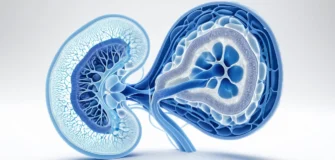
Kidney Biopsy: What Canadians Need to Know in 2025

Share
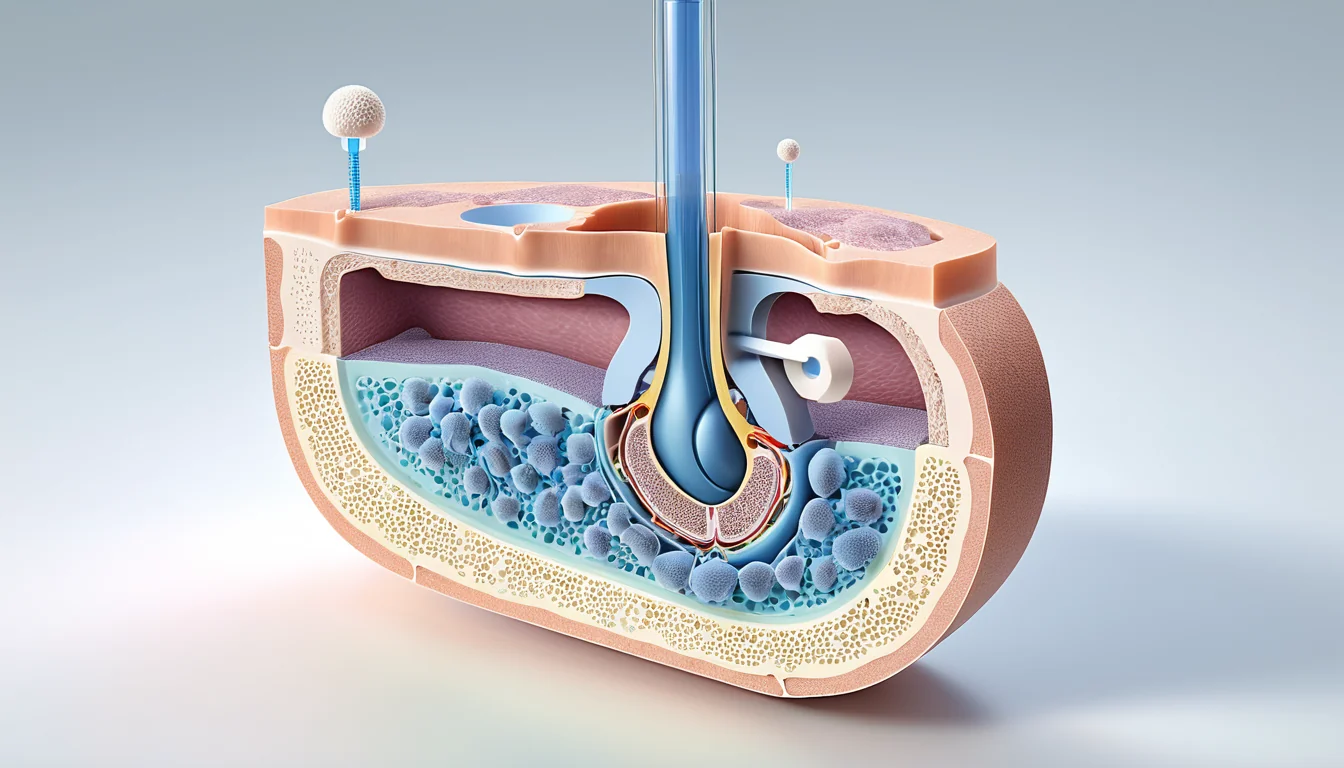
A kidney biopsy is one of the most important diagnostic procedures used by Canadian doctors to identify serious kidney conditions. During this procedure, a specialist inserts a thin needle through the skin to collect a small sample of kidney tissue, which is then examined under a microscope for signs of disease. Understanding what this test involves can help you feel more prepared and confident if your healthcare provider ever recommends one.
What Is a Kidney Biopsy and Why Do Doctors Recommend It?
The most common type performed in Canadian hospitals is the percutaneous kidney biopsy, where the needle passes directly through the skin to reach the kidney. Doctors typically recommend this kidney biopsy procedure only after blood tests, urine tests, and imaging scans have failed to provide a clear diagnosis. Because it offers unmatched precision in detecting inflammatory, infectious, genetic, and degenerative kidney diseases, it remains an essential tool in nephrology care across Canada.
What Is a Kidney Biopsy?
| Biopsy Type | Characteristics | Common Uses | Recovery Considerations |
|---|---|---|---|
| Percutaneous Kidney Biopsy | Minimally invasive; uses ultrasound or CT guidance; needle inserted through skin into kidney | Most common type; diagnoses glomerulonephritis, nephrotic syndrome, unexplained kidney disease | 4–6 hours observation; bed rest recommended; most patients discharged same day |
| Open Kidney Biopsy | Surgical procedure performed under general anesthesia; direct visualization of kidney | Used when percutaneous approach is unsafe; bleeding disorders; single kidney | Longer hospital stay (1–2 days); full recovery takes 1–2 weeks |
| Laparoscopic Kidney Biopsy | Minimally invasive surgery using small incisions and a camera; performed under general anesthesia | Patients with obesity, bleeding risk, or abnormal kidney positioning | 1–2 day hospital stay; less postoperative pain than open surgery |
| Transjugular Kidney Biopsy | Catheter inserted through jugular vein; guided to kidney via blood vessels | Patients with severe clotting disorders, ascites, or high bleeding risk | Monitoring for 6–12 hours; specialized centres required across Canada |
| Transplant Kidney Biopsy | Percutaneous biopsy of transplanted kidney; easier access due to pelvic placement | Monitors transplant rejection, assesses graft function post-transplant | Performed routinely at Canadian transplant centres; short observation period |
A kidney biopsy is a diagnostic tool used when other tests cannot provide a clear answer. The most common type is a percutaneous biopsy, meaning the needle passes through the skin to reach the kidney. The tissue sample is sent to a pathology lab, where specialists look for signs of inflammation, infection, or disease.
Kidney biopsies are considered one of the most precise diagnostic procedures available. They can detect a wide range of conditions, including inflammatory, infectious, genetic, and degenerative kidney diseases. However, because the procedure is mildly invasive, doctors typically order it only after other tests have been completed.
Why Are the Kidneys So Important?
Your kidneys are small but vital organs, each weighing between 120 and 170 grams. They sit at the back of your abdomen, outside the main body cavity, roughly between your lower mid-back and your upper hip area. Despite their size, they perform many critical jobs.
Your kidneys filter waste products from your blood and remove them through urine. They also regulate your body’s fluid balance, electrolyte levels, and blood pressure. In addition, the kidneys produce important hormones, including erythropoietin, which supports red blood cell production, and they help activate vitamin D.
When the kidneys are not working properly, the effects spread throughout your entire body. Problems can include high blood pressure, fluid retention, electrolyte imbalances, and a build-up of toxic waste products. This is why accurate diagnosis of kidney disease matters so much. For more information on kidney health, visit Health Canada’s official health resources.
When Is a Kidney Biopsy Recommended?
Your specialist may recommend a kidney biopsy for several reasons. It is not usually the first test ordered. Instead, doctors turn to it when imaging tests like ultrasound, CT scans, or MRI scans have not produced a clear diagnosis.
Common Reasons for a Kidney Biopsy
- Protein in the urine (proteinuria): Finding the cause of abnormal protein levels, which can signal kidney damage.
- Blood in the urine (hematuria): Investigating both visible and microscopic blood that cannot be explained by other tests.
- Unexplained abnormal lab results: When blood or urine tests suggest the kidneys are not functioning correctly, but the cause is unclear.
- Abnormal findings on imaging: When a CT or MRI reveals a change in kidney tissue that needs further investigation.
- Monitoring treatment progress: Checking how well a kidney disease is responding to medication.
- Assessing medication effects: Some medications used for autoimmune or rheumatic conditions can harm the kidneys over time. A biopsy helps monitor this.
- Kidney transplant evaluation: Assessing a donor kidney before transplantation.
It is important to note that a kidney biopsy is generally not recommended for patients with known kidney cancer. There is a risk that the needle could spread cancer cells to surrounding tissues during the procedure.
How to Prepare for a Kidney Biopsy
Good preparation helps reduce the risk of complications and makes the procedure safer. Your doctor or specialist will give you specific instructions based on your health history. However, there are several general steps most patients need to follow.
Tell Your Doctor About Your Medications
Before your kidney biopsy, let your doctor know about all medications you take. This is especially important for blood-thinning medications. These include Aspirin, Ibuprofen (Advil), Naproxen (Aleve), and other non-steroidal anti-inflammatory drugs (NSAIDs). Anticoagulants, antiplatelet drugs, and fibrinolytic agents also fall into this category.
Your doctor may ask you to stop taking these medications several days before the procedure. This helps lower the risk of excessive bleeding, which is one of the main concerns with any biopsy. Never stop a prescribed medication without talking to your doctor first.
Share Your Full Medical History
Tell your healthcare provider if you have any of the following:
- Allergies to medications or anaesthetics, whether local or general.
- A personal or family history of bleeding or clotting problems. Signs can include bruising easily or gums that bleed when brushing your teeth.
- Any possibility of pregnancy, if applicable.
- Any known or suspected blood clotting disorders.
Before the Procedure
You will likely be asked to avoid eating or drinking for at least six to eight hours before the biopsy. On the morning of the procedure, empty your bladder before arriving at the clinic or hospital. Follow any additional instructions your care team provides, as these may vary depending on your province and the facility performing the procedure.
According to the Mayo Clinic’s kidney biopsy overview, most patients can return home the same day or after a short observation period, depending on how the procedure goes.
What Happens During and After the Procedure?
During a percutaneous kidney biopsy, you will lie face down on an examination table. The doctor uses ultrasound imaging to locate the kidney and guide the needle safely. A local anaesthetic is applied to numb the area before the needle is inserted through your skin and into the kidney tissue.
The entire procedure usually takes about 30 to 60 minutes. You may feel some pressure or a brief sharp sensation when the needle takes the tissue sample. Most patients find the procedure manageable and report only mild discomfort.
Recovery After a Kidney Biopsy
After the biopsy, you will be monitored for a period of time to check for complications such as bleeding. Your care team will check your blood pressure, pulse, and urine for signs of problems. Some light blood in the urine is normal for the first day or two.
You should rest and avoid strenuous physical activity for at least one to two weeks after the procedure. Avoid heavy lifting and intense exercise during this recovery period. Your specialist will advise you on when it is safe to resume normal activities.
For a broader look at how kidney disease is diagnosed and managed, the Healthline guide to kidney biopsies offers additional patient-friendly information.
When to See a Doctor
If your family doctor or specialist has mentioned concerns about your kidney function, do not wait to follow up. Kidney disease can develop quietly, with few obvious symptoms in the early stages. Acting quickly leads to better outcomes.
You should seek medical attention right away if you experience any of the following after a kidney biopsy:
- Heavy or worsening blood in the urine.
- Severe pain at the biopsy site.
- Fever or signs of infection such as redness, warmth, or swelling.
- Feeling faint, dizzy, or unusually weak.
- Difficulty urinating or a significant drop in urine output.
If you do not have a family doctor, a walk-in clinic can assess you and refer you to a kidney specialist (nephrologist) if needed. Most provincial health plans in Canada cover kidney biopsy procedures when medically necessary. Check with your provincial health authority or your family doctor to understand your coverage and referral process.
Is a kidney biopsy painful?
A local anaesthetic is used to numb the area before a kidney biopsy, so most patients feel little more than pressure or a brief sharp sensation. Some mild soreness at the biopsy site is normal for a day or two afterward. Most people find the discomfort manageable and go home the same day.
How long does it take to recover from a kidney biopsy?
Most patients recover from a kidney biopsy within one to two weeks. During this time, you should avoid heavy lifting, intense exercise, and strenuous activity. Your specialist will let you know when it is safe to return to your normal routine.
Is a kidney biopsy covered by provincial health insurance in Canada?
In most cases, a kidney biopsy is covered by provincial health plans when it is medically necessary and ordered by a specialist. Coverage details can vary by province, so it is a good idea to confirm with your family doctor or provincial health authority. Your doctor or specialist will handle the referral process.
What conditions can a kidney biopsy diagnose?
A kidney biopsy can diagnose a wide range of kidney conditions, including inflammatory diseases, infections, genetic conditions, and degenerative kidney disorders. It is also used to monitor how well treatment is working for existing kidney disease. Doctors use the biopsy results to choose the most targeted and effective treatment plan.
What are the risks of a kidney biopsy?
The most common risk of a kidney biopsy is bleeding, which is why doctors ask patients to stop blood-thinning medications beforehand. Other risks include infection, pain at the biopsy site, and, rarely, injury to surrounding tissue. Your medical team will monitor you closely after the procedure to catch any complications early.
Can a kidney biopsy detect kidney cancer?
According to Mayo Clinic’s overview of kidney biopsy procedures, this information is supported by current medical research.
For more information, read our guide on early warning signs of kidney disease in Canada.
A kidney biopsy is generally not recommended when kidney cancer is already suspected. There is a risk that the needle could spread cancer cells to the surrounding tissue during the procedure. In cases where cancer is possible, doctors typically rely on imaging tests such as CT scans or MRI to guide their diagnosis.
Key Takeaways
- A kidney biopsy is a precise diagnostic procedure that uses a needle to collect a small tissue sample from the kidney.
- It is used to diagnose kidney diseases that cannot be identified through blood tests or imaging alone.
- Common reasons include unexplained protein or blood in the urine, abnormal lab results, and monitoring treatment effectiveness.
- Preparation includes stopping certain medications and fasting for several hours beforehand.
- Recovery typically takes one to two weeks, with most patients going home the same day.
- A kidney biopsy is usually not recommended if kidney cancer is already suspected.
- Most provincial health plans in Canada cover the procedure when it is medically necessary.
- Always speak with your family doctor or a kidney specialist before and after this procedure. This article is for informational purposes only and does not replace professional medical advice.
Frequently Asked Questions
What is a kidney biopsy?
A kidney biopsy is a medical procedure where a small sample of kidney tissue is removed using a thin needle and examined under a microscope. It helps diagnose kidney diseases, assess damage severity, and guide treatment decisions. In Canada, it is typically performed by a nephrologist or radiologist in a hospital setting.
What are the symptoms that indicate you may need a kidney biopsy?
Symptoms suggesting a kidney biopsy may be needed include blood in the urine, excess protein in the urine, unexplained declining kidney function, swelling in the legs or face, and persistently high blood pressure. Your Canadian nephrologist will recommend a biopsy when these signs cannot be explained through other diagnostic tests.
How is a kidney biopsy performed in Canada?
In Canada, a kidney biopsy is performed using ultrasound or CT guidance to locate the kidney. A local anesthetic numbs the area, and a thin needle is inserted through the back to collect small tissue samples. The procedure takes about 30 to 60 minutes and is typically done as a same-day hospital procedure.
Can you prevent kidney disease from getting worse after a kidney biopsy diagnosis?
Yes, following a kidney biopsy diagnosis, you can slow kidney disease progression by controlling blood pressure, managing blood sugar if diabetic, reducing salt intake, avoiding NSAIDs, quitting smoking, and taking prescribed medications. Early intervention based on biopsy results significantly improves long-term kidney health outcomes.
When should you see a doctor about kidney problems in Canada?
See a doctor promptly if you notice blood in your urine, foamy or frothy urine, persistent swelling in your ankles or feet, unexplained fatigue, or decreased urination. Canadians experiencing these symptoms should contact their family physician, who can refer them to a nephrologist for further evaluation and possible biopsy.

About the Author
Dr. Michael Ross, MD, FRCSCDr. Michael Ross is a fellowship-trained orthopedic surgeon at the University of Alberta Hospital, specializing in joint replacement and sports medicine. A Fellow of the Royal College of Surgeons of Canada (FRCSC), he has over 18 years of surgical experience and has authored multiple textbook chapters on musculoskeletal health. Dr. Ross is passionate about patient education and evidence-based medicine.
View all articles →