Kidney Stones: Causes, Symptoms & Treatment in Canada

Share
Kidney stones are hard mineral deposits that form inside your kidneys and can cause intense pain when they move through your urinary tract. Millions of people worldwide develop this condition, and many Canadians are affected each year. Research shows that about half of those who experience one stone will develop another within five years without preventive care.
What Causes Kidney Stones and Who Is at Risk?
Understanding kidney stone symptoms early can make a significant difference in how quickly you receive treatment and relief. Whether you are dealing with sharp renal colic pain or want to learn how to reduce your risk, this guide covers everything Canadian readers need to know — from the causes and warning signs to the latest treatment options available through provincial health plans across Canada.
What Are Kidney Stones?
| Type of Kidney Stone | Characteristics | Common Causes | Management Approach |
|---|---|---|---|
| Calcium Oxalate (most common) | Hard, rough-edged crystals; accounts for approximately 80% of kidney stones in Canada | High oxalate diet, low fluid intake, hyperparathyroidism, vitamin D excess | Increased water intake, dietary oxalate reduction, thiazide diuretics, calcium citrate supplements |
| Uric Acid | Smooth, brown-yellow stones; more common in men and people with gout | High-purine diet (red meat, shellfish), dehydration, obesity, type 2 diabetes | Alkalinizing urine with potassium citrate, allopurinol, low-purine diet, increased hydration |
| Struvite (Infection) | Large, staghorn-shaped stones that can grow rapidly; more common in women | Chronic urinary tract infections caused by urease-producing bacteria | Antibiotics to treat underlying infection, surgical removal often required, acetohydroxamic acid |
| Calcium Phosphate | Smooth, chalky stones; often associated with renal tubular acidosis | High urinary pH, primary hyperparathyroidism, renal tubular acidosis | Treat underlying condition, potassium citrate, reduced sodium intake, adequate hydration |
| Cystine | Rare, yellow-green hexagonal crystals; tends to recur frequently | Inherited genetic disorder (cystinuria) causing excess cystine in urine | High fluid intake (3–4 litres/day), urinary alkalinization, D-penicillamine, tiopronin |
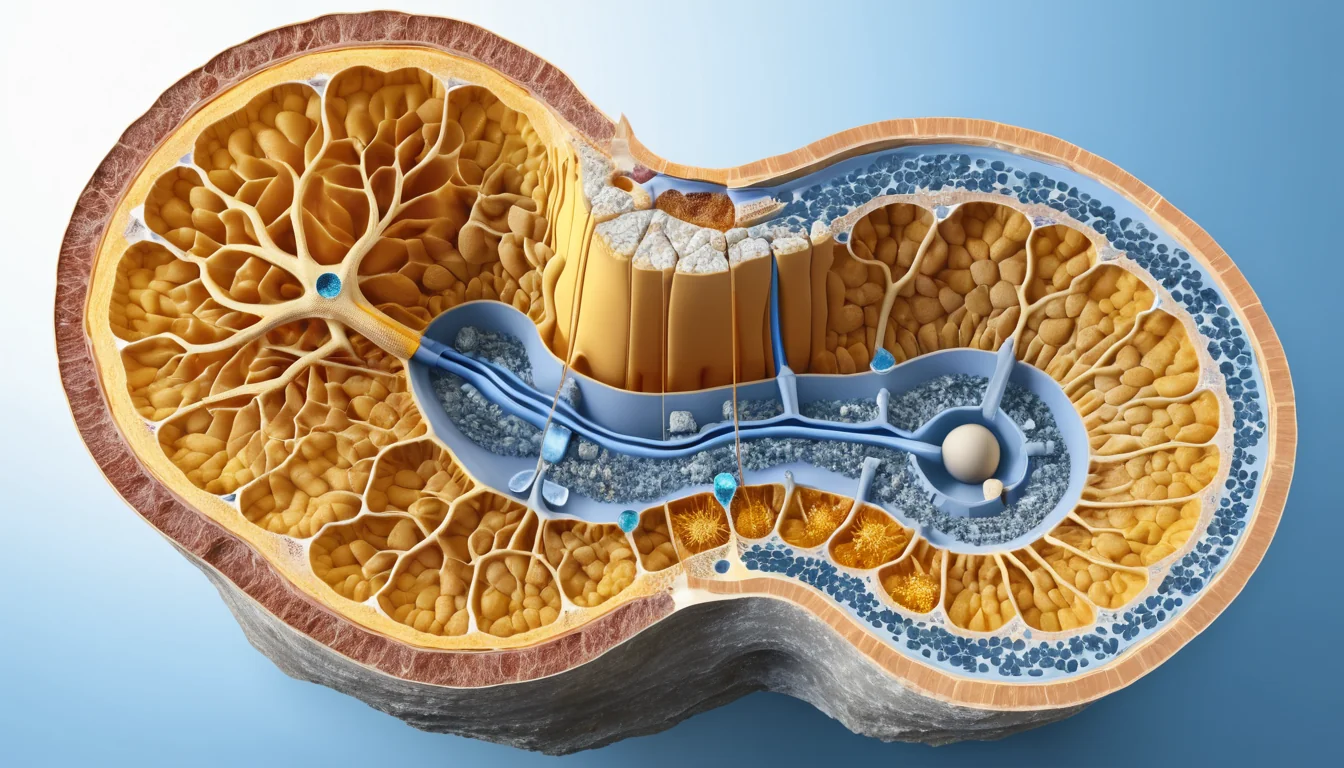
Kidney stones — also called renal calculi or nephrolithiasis — are solid pieces of minerals that build up inside the kidney. They can stay in the kidney or travel down the urinary tract. The urinary tract includes the ureters (tubes connecting the kidneys to the bladder) and the urethra (the tube that carries urine out of the body).
Some kidney stones pass through the body without causing any pain. Others block the flow of urine and cause severe pain, which is called renal colic. In most cases, kidney stones do not cause long-term damage to the urinary tract. However, repeated stones can increase your risk of complications over time.
For more information on kidney health, visit Health Canada’s official health resources.
What Causes Kidney Stones?
Kidney stones form when the balance of water, salts, and minerals in your urine changes. This imbalance causes minerals to clump together and harden into a stone. The most common type of kidney stone is made of calcium, which forms when calcium levels in the urine become too high.
Dehydration
Not drinking enough fluids is the most common cause of kidney stones. When you are dehydrated, your urine becomes very concentrated. As a result, minerals and salts have less fluid to dissolve in and begin to crystallise. Drinking plenty of water every day is one of the best ways to prevent kidney stones.
Diet and Food Choices
Eating foods high in oxalates can raise your risk of developing kidney stones. Oxalate-rich foods include dark leafy greens, nuts, and chocolate. This risk increases further if your diet is also low in calcium. A balanced diet that includes adequate calcium can actually help protect against certain types of kidney stones.
Medical Conditions
Certain health conditions can upset the mineral balance in your urine. People with inflammatory bowel disease or those who have had intestinal surgery may not absorb fats properly. This affects how the body processes calcium and other minerals, which can lead to kidney stone formation. In rare cases, overactive parathyroid glands produce too much hormone, which raises calcium levels in the blood and leads to stones.
Family History
Kidney stones can run in families. If a parent or sibling has had kidney stones, you may have a higher chance of developing them as well. Genetics can influence how your body processes certain minerals.
Recognising the Symptoms of Kidney Stones
Kidney stone symptoms vary depending on the size of the stone and where it is located in the urinary tract. Small stones may pass without any noticeable symptoms. Larger stones are more likely to cause problems.
Common symptoms of kidney stones include:
- Sudden, severe pain in the lower back, side, abdomen, or groin — many people describe this as the worst pain they have ever felt
- Blood in the urine (called haematuria), which may appear pink, red, or brown
- Nausea and vomiting, which often accompany the pain
- Frequent or painful urination, especially when the stone is in the ureter or urethra
- Fever and chills, which may signal an infection
- Loss of appetite, fatigue, and in some cases, diarrhoea or constipation
- Heavy sweating during episodes of intense pain
It is important to note that other conditions can cause similar symptoms. These include appendicitis, a hernia, ectopic pregnancy, and prostatitis. Always get a proper diagnosis from a healthcare provider.
How Kidney Stones Develop and Pass
Kidney stones begin as tiny mineral deposits inside the kidney. If urine carries these deposits out of the kidney quickly, they may pass without any trouble. However, if they stay in the kidney, they can grow larger over time.
Smaller stones — those under 5 mm — have about a 90% chance of passing on their own. Stones larger than 5 mm pass on their own about half of the time. On average, a kidney stone takes one to three weeks to travel through the urinary tract. About two-thirds of stones that pass on their own do so within four weeks of symptoms starting.
When a stone gets stuck in the ureter, it blocks urine from flowing from the kidney to the bladder. This causes pain that typically builds over 15 to 60 minutes and becomes constant and very intense. The pain usually eases when the stone moves or passes into the bladder. For more detail on how kidney stones move through the body, see this overview from the Mayo Clinic’s guide to kidney stones.
Possible Complications of Kidney Stones
Most kidney stones pass without causing lasting harm. However, in some cases, complications can arise. It is important to be aware of these risks.
Possible complications include:
- Urinary tract infections (UTIs) — a blocked urinary tract creates conditions where bacteria can grow more easily
- Acute kidney injury — if a stone completely blocks urine flow, the kidney can be damaged; fortunately, this is often reversible with prompt treatment
- Recurring stones — without treatment or lifestyle changes, new kidney stones are likely to form; over time, the gaps between episodes tend to shorten
Getting the right treatment and making changes to your diet and fluid intake can greatly reduce the risk of future stones.
Treatment Options for Kidney Stones
Treatment for kidney stones depends on the size of the stone, its location, and how severe your symptoms are. Many small stones can be managed at home. Larger stones often require medical treatment.
Home Management
For small stones, the main approach is to drink large amounts of water — often two to three litres per day — to help flush the stone out. Over-the-counter pain relievers can help manage discomfort. Your doctor may also recommend straining your urine to catch the stone for analysis, which helps identify its type and guides prevention strategies.
Medical Treatment
Larger stones that do not pass on their own require medical care. Common treatments include:
- Shock wave lithotripsy — sound waves break the stone into smaller pieces that can pass more easily
- Ureteroscopy — a thin scope is passed through the urethra to locate and remove or break up the stone
- Percutaneous nephrolithotomy — a small incision in the back allows the surgeon to remove larger stones directly
Your provincial health plan may cover some or all of these procedures. Talk to your family doctor about what is available in your province and what referrals you may need to see a urologist.
Preventing Future Kidney Stones
Prevention is a key part of managing kidney stones. Your doctor may recommend changes based on the type of stone you had. General prevention tips include:
- Drink at least 2 litres of water daily, more in hot weather or if you are active
- Reduce sodium (salt) in your diet
- Eat moderate amounts of animal protein
- Follow any specific dietary advice based on your stone type
- Ask your doctor about medications that can reduce stone formation if you are prone to recurrence
Learn more about healthy eating and kidney health through Healthline’s nutrition guide for kidney stone prevention.
When to See a Doctor
You should see a doctor if you think you may have a kidney stone. If your pain is severe, or if you have a fever, chills, or blood in your urine, seek care right away. In Canada, you can visit your family doctor, a walk-in clinic, or go to the nearest emergency department if symptoms are severe.
Do not wait if you have a high fever alongside back or side pain — this could mean you have an infection that needs urgent treatment. Kidney infections can become serious very quickly.
If you have had kidney stones before and know your symptoms well, your doctor may guide you on when home management is appropriate. However, always follow up with a healthcare provider to make sure the stone has passed and no complications have developed.
This article is for informational purposes only. Always consult your family doctor or a qualified healthcare provider before making any decisions about your health or treatment.
How do I know if I have kidney stones?
The most common sign of kidney stones is sudden, severe pain in your lower back, side, or abdomen. You may also notice blood in your urine, nausea, or frequent painful urination. If you experience these symptoms, visit your family doctor or a walk-in clinic for a proper diagnosis.
How long does it take to pass a kidney stone?
Most kidney stones that pass on their own take between one and three weeks to travel through the urinary tract. About two-thirds of stones pass within four weeks of symptoms starting. Smaller stones generally pass more quickly than larger ones.
Can drinking more water prevent kidney stones?
Yes, staying well hydrated is one of the most effective ways to prevent kidney stones. Drinking at least two litres of water per day helps dilute your urine, making it harder for minerals to crystallise and form stones. This is especially important in warm weather or if you are physically active.
Are kidney stones covered by provincial health plans in Canada?
In most Canadian provinces, diagnostic tests and medical treatments for kidney stones — such as ultrasounds, CT scans, and procedures like shock wave lithotripsy — are covered under provincial health insurance plans. Coverage details vary by province, so it is best to check with your family doctor or provincial health authority for specifics.
What foods should I avoid if I am prone to kidney stones?
If you are prone to kidney stones, it is generally recommended to reduce your intake of high-oxalate foods such as dark leafy greens, chocolate, and nuts. You should also limit sodium and animal protein, and make sure you are drinking enough fluids each day. Your doctor can give you personalised dietary advice based on the type of kidney stone you have had.
Can kidney stones come back after treatment?
According to Mayo Clinic’s overview of kidney stones, this information is supported by current medical research.
For more information, read our guide on warning signs of kidney disease in Canada.
Yes, kidney stones have a high recurrence rate. About half of people who have had one kidney stone will develop another within five years if no preventive steps are taken. Following your doctor’s advice on diet, hydration, and medication can significantly lower your risk of getting kidney stones again.
Key Takeaways
- Kidney stones are hard mineral deposits that form in the kidneys and can cause intense pain when they move through the urinary tract.
- The most common cause is dehydration — not drinking enough fluids each day.
- Symptoms include severe back or side pain, blood in the urine, nausea, and frequent or painful urination.
- Small stones (under 5 mm) pass on their own about 90% of the time, usually within one to three weeks.
- Larger stones may need medical treatment such as shock wave lithotripsy or surgery.
- Drinking at least two litres of water daily is one of the best ways to prevent kidney stones from forming.
- About half of people will get another kidney stone within five years without preventive treatment.
- See your family doctor, a walk-in clinic, or go to the emergency department if you have severe pain, fever, or blood in your urine.
Frequently Asked Questions
What are kidney stones?
Kidney stones are hard mineral and salt deposits that form inside the kidneys. They develop when urine contains high concentrations of crystal-forming substances like calcium, oxalate, and uric acid. Kidney stones range from tiny granules to golf ball-sized masses and can affect any part of the urinary tract, including the bladder and ureters.
What are the symptoms of kidney stones?
Common kidney stone symptoms include severe pain in the back, side, or lower abdomen, pain that radiates to the groin, painful or burning urination, pink or cloudy urine, nausea, vomiting, and frequent urge to urinate. Pain often comes in waves and varies in intensity as the stone moves through the urinary tract.
How are kidney stones treated in Canada?
Kidney stone treatment depends on size and type. Small stones often pass naturally with increased water intake and pain relievers. Larger stones may require shock wave lithotripsy, ureteroscopy, or surgery. Canadian physicians may also prescribe alpha-blockers to relax ureter muscles and help stones pass more quickly and comfortably.
How can you prevent kidney stones from forming?
Preventing kidney stones involves drinking at least 2–3 litres of water daily, reducing sodium and animal protein intake, limiting oxalate-rich foods like spinach and nuts, and maintaining a healthy weight. Your doctor may also recommend specific medications or dietary supplements based on the type of stones you previously developed.
When should you see a doctor for kidney stones?
Seek immediate medical attention if you experience severe pain you cannot manage, pain accompanied by fever or chills, blood in your urine, difficulty urinating, or persistent nausea and vomiting. These symptoms may indicate a kidney infection or blockage, which are serious medical emergencies requiring prompt treatment at a hospital or clinic.

About the Author
Dr. Sarah Mitchell, MDDr. Sarah Mitchell is a board-certified family physician with over 15 years of clinical experience. She completed her MD at the University of Toronto and her residency at Toronto General Hospital. Dr. Mitchell specializes in preventive medicine and chronic disease management. She is a member of the College of Family Physicians of Canada (CFPC) and has published over 30 peer-reviewed articles on preventive health care.
View all articles →