Kidney Infection: Symptoms, Causes & Treatment Canada

Share
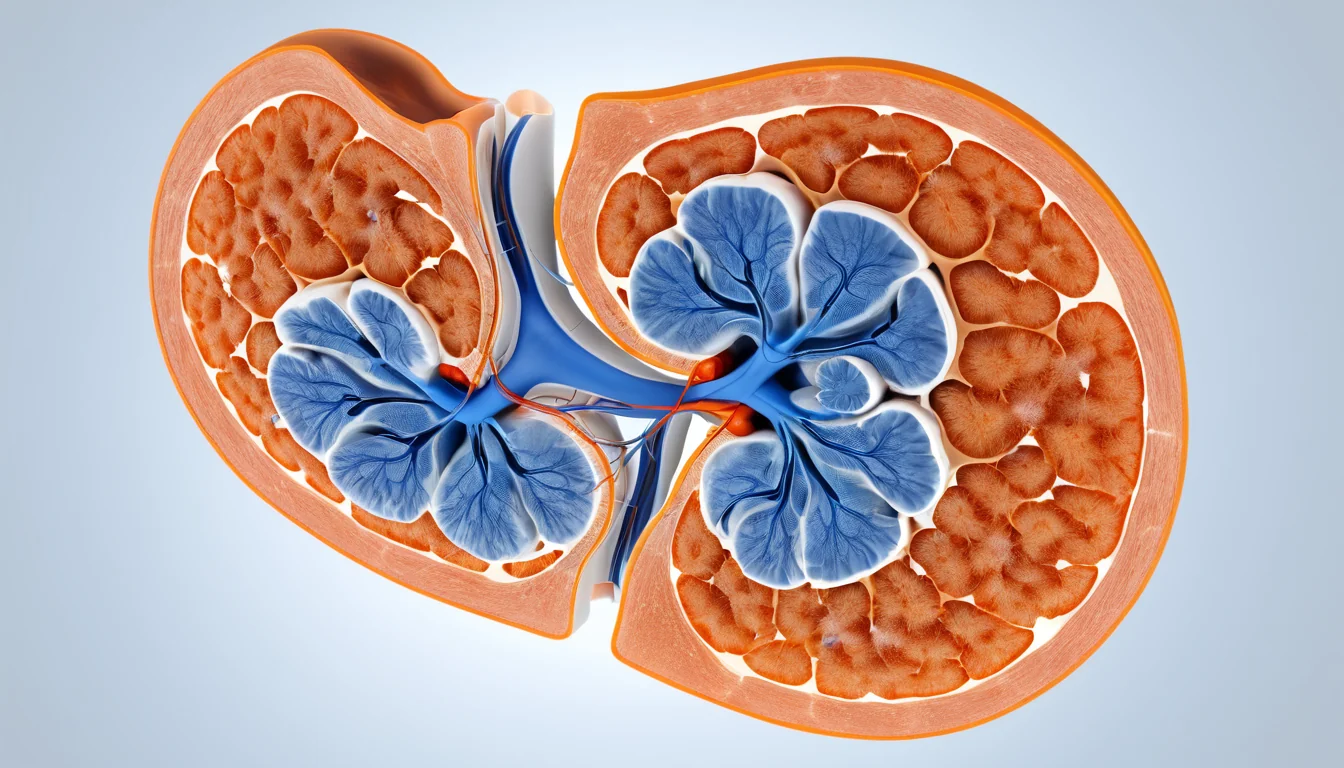
A kidney infection is a serious and potentially dangerous condition that affects one or both kidneys, requiring prompt medical attention. It occurs when bacteria or other harmful agents travel into the kidney tissue and cause painful inflammation. In Canada, kidney infections are among the most common reasons people visit walk-in clinics, emergency rooms, and family doctors each year.
What Is a Kidney Infection and Why Is It Serious?
Also known as pyelonephritis, this condition is a type of urinary tract infection (UTI) that has spread beyond the bladder. Recognizing the signs of kidney infection early is critical because delays in treatment can lead to permanent kidney damage or life-threatening complications. This guide explains the causes, symptoms, risk factors, and the most effective kidney infection treatment options available to Canadians through the public health system.
What Is a Kidney Infection?
| Symptom | Description | Severity | When to Seek Care |
|---|---|---|---|
| Flank or Back Pain | Dull or sharp pain felt in the sides, lower back, or groin area, often on one side where the affected kidney is located | Moderate to Severe | See a doctor promptly; visit an emergency department if pain is severe |
| High Fever and Chills | Fever typically above 38.5°C (101.3°F), often accompanied by shaking chills and sweating, indicating the infection has reached the kidneys | Severe | Seek immediate medical attention or go to an emergency department |
| Frequent and Painful Urination | Burning or stinging sensation during urination with an urgent and frequent need to urinate, sometimes producing only small amounts of urine | Mild to Moderate | Contact a doctor or visit a walk-in clinic within 24 hours |
| Cloudy or Bloody Urine | Urine may appear dark, cloudy, or contain visible blood (hematuria); may also have a strong or foul odour due to bacterial presence | Moderate | See a doctor the same day; blood in urine always warrants prompt evaluation |
| Nausea and Vomiting | Feeling of general illness, nausea, and vomiting often accompanying fever; may lead to dehydration if fluids cannot be kept down | Moderate to Severe | Seek urgent care, especially if unable to keep fluids or medications down |
| Confusion or Altered Mental State | Sudden confusion, disorientation, or unusual behaviour, particularly in older adults; may signal the infection has spread to the bloodstream (sepsis) | Severe | Call 911 or go to the nearest emergency department immediately |
A kidney infection — also called pyelonephritis — is a type of urinary tract infection (UTI) that travels up from the bladder to one or both kidneys. It falls under the broader category of nephritis, which simply means inflammation of the kidney. Nephritis can affect the kidney’s filtering tissue, known as the interstitial tissue.
There are two main pathways for infection to reach the kidney. The first is through the urinary tract, where bacteria travel upward from the bladder. The second is through the bloodstream, where an infectious or toxic agent is carried directly to the kidney tissue. Understanding which pathway is involved helps doctors choose the right treatment.
For more background on how kidneys work, visit Health Canada’s health information resources.
Types of Kidney Infection
Acute Pyelonephritis
Acute pyelonephritis is a sudden, severe kidney infection that usually affects only one kidney. It is most often caused by bacteria. Symptoms come on quickly and can feel quite intense.
This type of infection is treated with antibiotics. Most people recover fully with prompt treatment. However, delaying care can allow the infection to spread or worsen.
Chronic Pyelonephritis
Chronic pyelonephritis develops slowly over time. It is usually the result of repeated urinary tract infections. Structural problems in the urinary tract — either present from birth or developed later in life — often play a role by blocking or slowing the flow of urine.
Treatment focuses on clearing the infection and correcting any structural abnormality. In some cases, surgery is necessary to repair the blockage. Left untreated, chronic pyelonephritis can lead to lasting kidney damage.
Acute Interstitial Nephritis
Acute interstitial nephritis affects the tissue between the kidney’s filtering units. It often results from an allergic reaction to certain medications or from exposure to toxic substances. This type always affects both kidneys at the same time.
Symptoms appear suddenly and may include signs of acute kidney failure. Stopping the offending medication or removing the toxic substance is the first step in treatment.
Chronic Interstitial Nephritis
Chronic interstitial nephritis develops gradually, usually due to metabolic disorders or long-term exposure to toxic substances. The damage it causes is often irreversible. In advanced cases, it can lead to chronic kidney failure, which may require dialysis or a kidney transplant.
Symptoms of a Kidney Infection
The symptoms of a kidney infection can vary widely from person to person. Some people experience only mild discomfort, while others feel quite unwell. Early symptoms are not always specific to the kidneys, which can make diagnosis tricky.
Common symptoms include:
- Lower back or flank pain — often on one side
- Fever and chills — sometimes with shaking
- Fatigue and general weakness
- Headache
- Nausea or loss of appetite
- Bloating or digestive discomfort
- Frequent or painful urination
- High blood pressure
- Facial puffiness or swelling
- Pale, dry skin
- Unpleasant taste in the mouth
Therefore, if you notice several of these symptoms together, it is important to seek medical attention promptly. A kidney infection that goes untreated can become life-threatening. You can also review symptom information on the Mayo Clinic’s kidney infection page.
Causes of Kidney Infection
A kidney infection most often starts as a bladder infection (cystitis) or urethral infection (urethritis) that spreads upward. In addition, several other factors can make a person more vulnerable to developing one.
Common causes include:
- Structural abnormalities in the urinary tract
- Bladder, urethral, or prostate infections
- Hormonal changes (for example, during pregnancy)
- Urological conditions such as kidney stones or gout-related deposits
- Diabetes
- Urinary stasis — when urine does not drain properly
- Prostate enlargement (benign prostatic hyperplasia)
- Weakened immune system
Furthermore, children born to mothers who had pyelonephritis during pregnancy may have a higher risk of developing kidney problems themselves. This highlights the importance of treating kidney infections during pregnancy without delay.
Risk Factors
Certain people face a higher risk of developing a kidney infection. Knowing your risk factors can help you and your family doctor take steps to protect your kidney health.
Key risk factors include:
- Vesicoureteral reflux (urine flowing backward from the bladder to the kidneys)
- Kidney stones or structural kidney abnormalities
- Prostate enlargement
- Tumours in the urinary tract
- Sudden significant weight loss
- Low fluid intake
- Metabolic disorders, including diabetes, high uric acid levels, or excess cortisol
- Pregnancy
- Congenital or acquired immune deficiency
- Long-term use of corticosteroids or chemotherapy drugs
- Catheterisation of the bladder
- Older age
- Urinary or faecal incontinence
- Poor circulation in the kidneys
Women under 40 are significantly more likely to develop kidney infections than men of the same age. In fact, up to 75% of patients in this age group are women. However, men become more vulnerable after age 50, often due to prostate issues. In older adults, the rates between men and women become roughly equal.
For a broader overview of kidney disease risk factors, see Healthline’s guide to kidney infections.
Diagnosis
If your family doctor or walk-in clinic provider suspects a kidney infection, they will likely order a combination of tests. These help confirm the diagnosis and identify the type and severity of the condition.
Lab Tests
Your doctor may request the following blood and urine tests:
- Complete blood count (CBC)
- General urinalysis
- Urine culture (to identify the specific bacteria causing the infection)
- Blood urea and serum creatinine (to check kidney function)
- Protein levels in the blood and urine
Imaging and Other Tests
In some cases, imaging studies are needed to check for structural problems or complications. These may include:
- Kidney ultrasound
- CT scan of the kidneys
- X-ray of the kidney and urinary tract
- Excretory or retrograde pyelography (a type of X-ray using contrast dye)
- Radioisotope kidney scan or dynamic scintigraphy
In complex or unclear cases, a kidney biopsy may be recommended. Your provincial health plan may cover many of these tests — check with your family doctor or health care provider about what is covered in your province.
Treatment
Treatment for a kidney infection depends on the type, severity, and underlying cause. Your doctor will create a plan that addresses the infection itself and any contributing factors.
Medications
Antibiotics are the cornerstone of treatment for bacterial kidney infections. The type and duration of antibiotic therapy will depend on the bacteria identified in your urine culture. Your doctor may also prescribe anti-inflammatory medications to manage pain and reduce inflammation.
For chronic or recurrent infections, a longer course of antibiotics or a planned anti-relapse programme may be recommended. Immune-supporting treatments may also be part of the plan.
Lifestyle and Diet
General lifestyle measures play an important role in recovery and prevention. Your doctor may recommend a balanced diet with adequate protein, healthy fats, carbohydrates, fibre, and vitamins. Staying well hydrated is especially important — drinking enough fluids helps flush bacteria from the urinary tract.
Gentle activity and rest are balanced based on how unwell you are feeling. Avoiding alcohol, caffeine, and foods high in salt or oxalates may also be advised during recovery.
Surgical Treatment
When structural problems are contributing to repeated infections, surgery may be necessary. Procedures may include correcting urinary reflux, treating prostate enlargement, removing kidney stones, or draining a blocked kidney. Your specialist or urologist will discuss the best approach for your situation.
When to See a Doctor
You should see your family doctor or visit a walk-in clinic as soon as possible if you experience fever, chills, and back or flank pain together — especially alongside painful or frequent urination. These are classic signs of a kidney infection that requires prompt treatment.
Go to the emergency department or call 911 if you develop a very high fever, severe pain, confusion, or feel extremely unwell. Untreated kidney infections can lead to a dangerous condition called sepsis. As always, speak with a qualified healthcare provider before starting or changing any treatment — this article is for informational purposes only and does not replace professional medical advice.
Frequently Asked Questions
What are the first signs of a kidney infection?
The first signs of a kidney infection often include fever, chills, and a dull or sharp pain in the lower back or side. You may also notice more frequent or painful urination, fatigue, and nausea. If you experience these symptoms together, contact your family doctor or visit a walk-in clinic promptly.
Can a kidney infection go away on its own?
A kidney infection should not be left to resolve without treatment. Unlike a mild bladder infection, kidney infections almost always require antibiotics prescribed by a doctor. Delaying treatment increases the risk of serious complications, including permanent kidney damage or sepsis.
How long does a kidney infection last?
With proper antibiotic treatment, most people with a kidney infection begin to feel better within a few days. A full course of antibiotics typically lasts 7 to 14 days, depending on the severity. However, chronic or recurrent kidney infections may require a longer treatment programme.
Are women more likely to get a kidney infection than men?
Yes, women are significantly more likely to develop a kidney infection, particularly before age 40. This is largely because women have a shorter urethra, making it easier for bacteria to travel to the bladder and kidneys. After age 50, men’s risk increases, often due to prostate-related issues.
What is the difference between a kidney infection and a UTI?
A UTI (urinary tract infection) is a broad term that includes infections anywhere in the urinary tract, including the bladder and urethra. A kidney infection is a more serious type of UTI where bacteria have spread upward to infect one or both kidneys. Kidney infections generally cause more severe symptoms such as fever, back pain, and chills.
Can kidney infections be prevented?
According to Mayo Clinic’s overview of kidney infection symptoms and causes, this information is supported by current medical research.
For more information, read our guide on early warning signs of kidney disease in Canada.
Many kidney infections can be prevented by treating urinary tract infections early and staying well hydrated. Practising good hygiene, urinating after sexual activity, and managing conditions like diabetes or kidney stones also lowers your risk. Talk to your family doctor if you experience frequent UTIs, as a preventive treatment plan may help.
Key Takeaways
- A kidney infection (pyelonephritis or nephritis) is a serious inflammation of one or both kidneys.
- It most often starts as a bacterial urinary tract infection that spreads upward to the kidneys.
- Symptoms include fever, chills, back pain, and changes in urination — see a doctor promptly if these occur together.
- Women under 40 are more commonly affected; risk increases in men after age 50.
- Treatment typically involves antibiotics, and sometimes surgery to correct structural problems.
- Chronic or untreated kidney infections can lead to lasting kidney damage or kidney failure.
- Staying hydrated, treating UTIs early, and managing underlying conditions like diabetes can help prevent kidney infections.
- Always consult your family doctor, a walk-in clinic, or a specialist for diagnosis and treatment tailored to your situation.
Frequently Asked Questions
What is a kidney infection?
A kidney infection (pyelonephritis) is a serious bacterial infection affecting one or both kidneys. It typically starts as a bladder or urinary tract infection that spreads upward. Without prompt treatment, it can cause permanent kidney damage or lead to a life-threatening bloodstream infection (sepsis).
What are the symptoms of a kidney infection?
Common kidney infection symptoms include upper back or flank pain, fever and chills, nausea, vomiting, frequent and painful urination, and cloudy or foul-smelling urine. Unlike bladder infections, kidney infections typically cause systemic symptoms like high fever and body aches, signalling a more serious condition.
How is a kidney infection treated in Canada?
Kidney infections are treated with prescription antibiotics, typically for 7–14 days. Mild cases can be managed at home with oral antibiotics and increased fluid intake. Severe cases require hospitalization and intravenous antibiotics. Always complete the full antibiotic course, even if symptoms improve early.
How can you prevent a kidney infection?
Prevent kidney infections by staying well-hydrated, urinating frequently and after sexual activity, wiping front to back, and avoiding holding urine for long periods. Treating urinary tract infections promptly is the most effective prevention strategy, as most kidney infections develop from untreated UTIs.
When should you go to the ER for a kidney infection?
Go to an emergency room immediately if you experience high fever above 38.5°C, severe back or side pain, repeated vomiting, confusion, or inability to keep oral antibiotics down. Pregnant women, elderly individuals, diabetics, and immunocompromised patients should seek emergency care at the first signs of kidney infection.

About the Author
Dr. James Okafor, MD, PhDDr. James Okafor holds an MD and PhD in Neurological Sciences from McGill University. With 12 years of experience in clinical neurology and mental health research, he has contributed to landmark studies on depression, anxiety, and cognitive health. Dr. Okafor is a Fellow of the Royal College of Physicians and Surgeons of Canada and serves on the editorial board of two peer-reviewed journals.
View all articles →