
IgA Nephropathy: Causes, Symptoms & Treatment Canada

Share
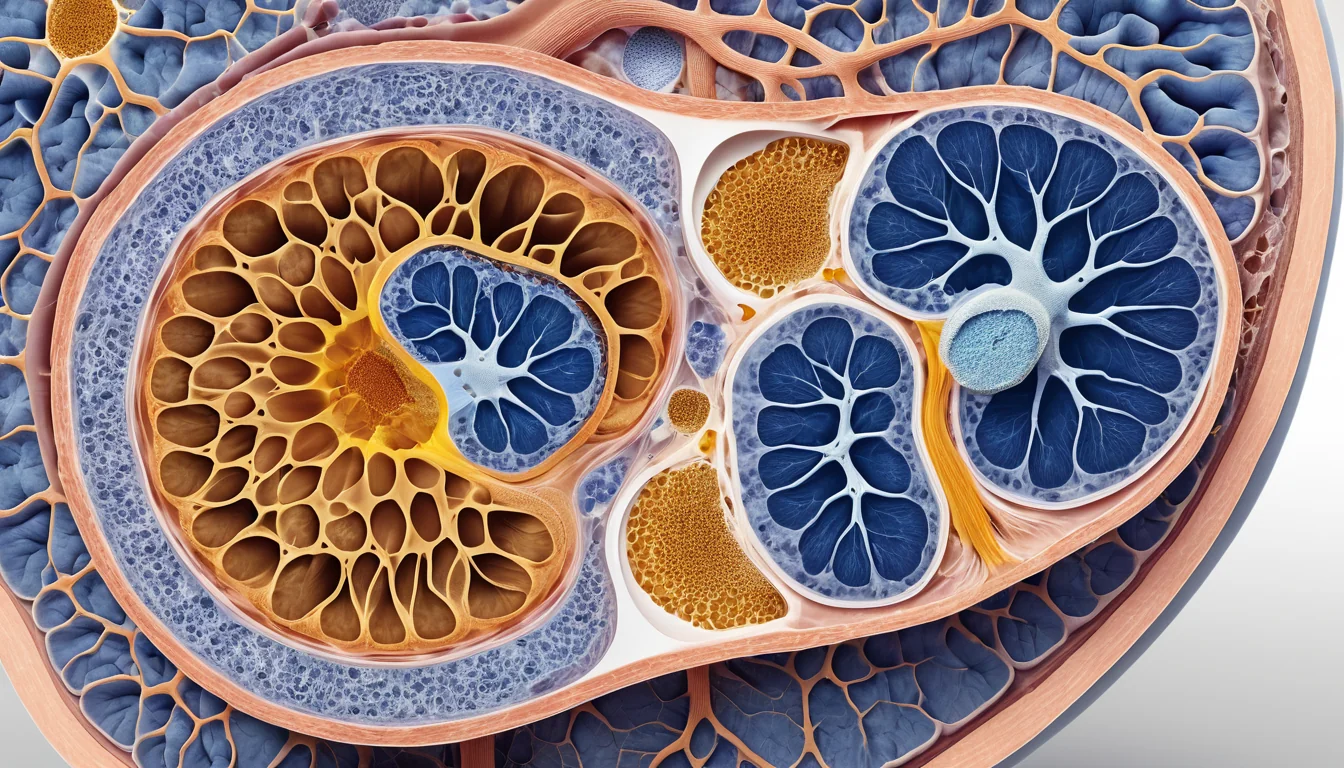
IgA nephropathy, also known as Berger’s disease, is one of the most common kidney diseases affecting Canadians and people worldwide. It occurs when a protein called immunoglobulin A (IgA) accumulates inside the kidney’s tiny filtering units, gradually causing inflammation and damage that can threaten long-term kidney health.
What Is IgA Nephropathy and How Does It Affect Your Kidneys?
Understanding the causes, symptoms, and treatment options for this form of glomerulonephritis is essential for Canadians who want to protect their kidneys. When IgA deposits build up in the glomeruli, these delicate structures begin to leak blood and protein into the urine — often without noticeable symptoms at first. Early detection through routine testing can make a real difference in slowing disease progression and preserving kidney function.
What Is IgA Nephropathy?
| Treatment Option | How It Works | Key Benefits | Important Considerations |
|---|---|---|---|
| ACE Inhibitors / ARBs (e.g., Ramipril, Losartan) | Lower blood pressure and reduce protein leakage in urine by relaxing blood vessels in the kidneys | First-line therapy; slows kidney disease progression; widely available across Canada | Requires regular monitoring of potassium levels and kidney function; not recommended during pregnancy |
| Corticosteroids (e.g., Prednisone) | Suppress immune system activity to reduce inflammation and IgA deposits in kidney tissue | Can significantly reduce proteinuria and slow GFR decline in moderate-to-high risk patients | Risk of serious side effects including infection, bone loss, and high blood sugar; dosing must be carefully managed |
| Targeted-Release Budesonide (Tarpeyo/Nefecon) | Delivers corticosteroid directly to gut-associated lymphoid tissue to reduce IgA production at the source | More targeted action with potentially fewer systemic side effects compared to traditional steroids | Newer therapy; availability and coverage under Canadian provincial drug plans may vary |
| Omega-3 Fatty Acids (Fish Oil) | May reduce kidney inflammation and lower triglyceride levels associated with IgA nephropathy progression | Generally well tolerated; low risk profile; accessible over the counter in Canada | Evidence of benefit is modest and inconsistent; typically used as adjunct therapy rather than primary treatment |
| Tonsillectomy | Removes a key source of abnormal IgA antibody production in the tonsils | Some studies show reduced proteinuria and hematuria, particularly in Asian populations | Not routinely recommended in Canadian clinical guidelines; reserved for select cases with recurrent tonsillitis |
| Kidney Transplantation | Replaces failed kidneys with a donor organ when end-stage renal disease is reached | Restores kidney function; improves quality of life and long-term survival outcomes | IgA nephropathy can recur in the transplanted kidney; managed through Canadian transplant programs with waitlist criteria |
Your immune system makes IgA proteins to help fight off infections. Normally, these proteins travel through the bloodstream and do their job without causing harm. However, in people with IgA nephropathy, these proteins get stuck inside the kidney’s filtering structures, called glomeruli.
The glomeruli act like tiny sieves. They filter waste from your blood and keep important things like red blood cells and protein inside your body. When IgA deposits build up in these structures, they cause inflammation. As a result, the sieves start to leak, and blood and protein pass into the urine.
This condition is a type of glomerulonephritis, which simply means inflammation of the glomeruli. It accounts for more than 20% of all glomerular kidney disease cases worldwide. In Asian populations, the rate climbs even higher — up to 40%. For this reason, some Asian countries screen schoolchildren for this disease routinely.
Who Gets IgA Nephropathy?
IgA nephropathy can affect people of any age, including children. However, it is most often diagnosed in people between the ages of 16 and 35. About 80% of patients fall within this age range at the time of diagnosis.
Men are more likely to develop this condition than women. Some studies report the ratio is as high as 6 to 1. Despite this imbalance, women can and do develop IgA nephropathy as well.
The condition often progresses slowly. In fact, most people live with it for 10 to 20 years before the kidneys show serious signs of trouble. About 25% of adults with this disease eventually develop kidney failure. For children, that number is lower — between 5% and 10%.
Causes and Risk Factors
Most cases of IgA nephropathy are classified as idiopathic. This medical term simply means doctors cannot find a clear cause. However, flare-ups are often linked to infections, particularly in the respiratory tract.
Researchers have also found a connection between IgA nephropathy and a bacterium called Haemophilus parainfluenzae. Infection with this bacteria may trigger the immune response that leads to IgA deposits in the kidneys.
Conditions Linked to IgA Nephropathy
Several other health conditions are associated with this form of kidney disease. These include:
- Liver disease and cirrhosis: IgA deposits appear in the glomeruli of about one-third of people with cirrhosis. The good news is that treating the liver condition — or receiving a liver transplant — can reverse the kidney damage in some cases.
- Celiac disease (gluten sensitivity): About one-third of people with celiac disease also show IgA deposits in their kidneys. Removing gluten from the diet often improves kidney health as well.
- HIV infection: HIV is linked to IgA nephropathy and can speed up the progression toward kidney failure.
- Genetic factors: Although IgA nephropathy is usually not inherited, genetics do seem to play a role. Some families have a higher rate of this condition, pointing to a hereditary form of the disease.
In addition, episodes of blood in the urine have been connected to infections such as pneumonia, influenza, gastroenteritis, infectious mononucleosis, and urinary tract infections (UTIs).
Symptoms of IgA Nephropathy
The most common and noticeable symptom of IgA nephropathy is blood in the urine, known medically as haematuria. This can look pink, red, or cola-coloured. It often appears shortly after a respiratory infection or stomach bug — sometimes within 24 to 48 hours.
However, some people have no symptoms at all. Between 30% and 40% of patients are diagnosed only after a routine urine test picks up blood or protein they never noticed. This is why regular check-ups with your family doctor matter.
Common Symptoms to Watch For
- Pink, red, or brown-coloured urine (blood in the urine)
- Foamy or frothy urine (a sign of protein leaking out)
- Swelling in the hands, feet, or face (caused by protein loss)
- High blood pressure
- Reduced urine output
- Fatigue and general weakness
- Anaemia (low red blood cell count) in advanced cases
In serious cases, a person may present directly with acute or chronic kidney failure. These patients often have high blood pressure, very low urine output, and signs of fluid build-up in the body. Furthermore, nephrotic syndrome — a cluster of symptoms including heavy protein loss, swelling, and high blood pressure — can also develop.
How IgA Nephropathy Is Diagnosed
Diagnosing IgA nephropathy starts with a conversation. Your doctor will ask about your symptoms, when they started, and whether you have had any recent infections. This is called taking a medical history, and it is an important first step.
From there, several tests help confirm the diagnosis. These may include urine tests to look for blood and protein, blood tests to check kidney function, and imaging such as an ultrasound of the kidneys.
The Role of a Kidney Biopsy
The only way to definitively confirm IgA nephropathy is through a kidney biopsy. In this procedure, a small sample of kidney tissue is removed and examined under a microscope. The presence of IgA deposits in the glomeruli confirms the diagnosis.
A kidney specialist (called a nephrologist) typically performs this procedure. Your family doctor or walk-in clinic can refer you to a specialist if your test results suggest kidney disease. In Canada, this referral process is covered under most provincial health plans. For more information on kidney health, visit the Health Canada official website.
Treatment Options for IgA Nephropathy
There is currently no cure for IgA nephropathy. However, treatment can slow the disease, protect your kidneys, and manage symptoms effectively. The right approach depends on how advanced the disease is and what symptoms you have.
Medications Commonly Used
- ACE inhibitors or ARBs: These blood pressure medicines also reduce protein loss through the urine and protect kidney function over time.
- Corticosteroids (steroids): In more serious cases, steroids help reduce kidney inflammation.
- Immunosuppressants: These medicines lower immune system activity to reduce IgA deposits forming in the kidneys.
- Fish oil (omega-3 fatty acids): Some evidence suggests fish oil may help slow the progression of the disease in certain patients.
Lifestyle Changes That Help
Along with medication, lifestyle changes play an important role. Keeping blood pressure under control is especially important, as high blood pressure speeds up kidney damage. A low-sodium diet, regular physical activity, and avoiding smoking all support kidney health.
For patients with celiac disease, following a strict gluten-free diet may also reduce IgA deposits in the kidneys. This is a helpful reminder that managing related conditions directly benefits kidney health. You can learn more about kidney-friendly lifestyles at the Mayo Clinic’s IgA nephropathy resource page.
Advanced Cases: Dialysis and Transplant
If the kidneys fail, dialysis or a kidney transplant may become necessary. In Canada, these services are managed through provincial health programmes and specialist nephrology teams. Your provincial health plan covers the cost of dialysis and transplant evaluation. It is important to stay connected with your healthcare team so these options can be planned ahead of time if needed.
When to See a Doctor
You should see your family doctor or visit a walk-in clinic if you notice blood in your urine — even if it happens just once and then goes away. Blood in the urine is never something to ignore. It does not always mean something is seriously wrong, but it always needs to be checked.
You should also seek medical attention if you notice swelling in your legs or face, persistent high blood pressure, or foamy urine. These can all be signs that your kidneys are not working as well as they should.
If you have already been diagnosed with IgA nephropathy, regular follow-up appointments with your nephrologist are essential. Early action can slow or even halt the progression of kidney damage. For broader guidance on kidney disease, the World Health Organization’s chronic kidney disease fact sheet offers reliable information.
Always speak with a qualified healthcare provider before starting or changing any treatment. This article is for informational purposes only and does not replace professional medical advice.
Frequently Asked Questions About IgA Nephropathy
What are the first signs of IgA nephropathy?
The most common first sign of IgA nephropathy is blood in the urine, which may appear pink, red, or brown. This often happens shortly after a cold or respiratory infection. Some people also notice swelling in their feet or ankles, or foamy urine caused by protein leaking from the kidneys.
Is IgA nephropathy a serious condition?
IgA nephropathy ranges from mild to serious depending on the individual. Many people live with it for decades without major problems. However, about 25% of adults with this condition eventually develop kidney failure, so ongoing monitoring and treatment are important.
Can IgA nephropathy be cured?
There is currently no cure for IgA nephropathy. However, treatment with blood pressure medicines, steroids, and lifestyle changes can slow its progression significantly. Some patients with related conditions like celiac disease may see improvement after treating the underlying cause.
Is IgA nephropathy hereditary?
Most cases of IgA nephropathy are not directly inherited, but genetics do play a role. Some families show higher rates of the condition, and researchers believe certain genetic factors make a person more likely to develop it. If a close family member has been diagnosed, mention this to your doctor.
Does diet affect IgA nephropathy?
Diet can play a role in managing IgA nephropathy, especially for patients who also have celiac disease. Removing gluten from the diet in those cases may reduce IgA deposits in the kidneys. More broadly, a low-sodium diet and healthy weight help control blood pressure, which protects kidney function over time.
How is IgA nephropathy diagnosed in Canada?
According to Mayo Clinic’s overview of IgA nephropathy, this information is supported by current medical research.
For more information, read our guide on warning signs of kidney disease in Canada.
In Canada, IgA nephropathy is typically suspected after urine and blood tests show signs of kidney problems. A kidney biopsy — where a small tissue sample is examined — is the only way to confirm the diagnosis. Your family doctor can refer you to a kidney specialist (nephrologist), and this referral is covered under most provincial health plans.
Key Takeaways
- IgA nephropathy is one of the most common kidney diseases worldwide, caused by IgA protein deposits in the kidney’s filtering structures.
- It most often affects people between the ages of 16 and 35, and is more common in men than women.
- The most common symptom is blood in the urine, often triggered by a cold or infection.
- Between 30% and 40% of patients have no symptoms at all and are diagnosed through routine testing.
- While there is no cure, treatment can slow the disease and protect your kidneys for many years.
- Related conditions like celiac disease, liver disease, and HIV can influence how the condition develops and should be managed alongside kidney care.
- If you notice blood in your urine or swelling, visit your family doctor or a walk-in clinic promptly.
- Regular follow-up with a nephrologist is essential for anyone living with this condition in Canada.
Frequently Asked Questions
What is IgA nephropathy?
IgA nephropathy is a kidney disease that occurs when immunoglobulin A (IgA), an antibody that helps fight infections, builds up in the kidneys and causes inflammation. Over time, this damages the kidney’s filtering units (glomeruli), potentially leading to chronic kidney disease or kidney failure if left untreated.
What are the symptoms of IgA nephropathy?
Common symptoms include blood in the urine (appearing pink, red, or cola-coloured), foamy urine from excess protein, swelling in the hands and feet, high blood pressure, and fatigue. Many people have no early symptoms, making IgA nephropathy difficult to detect without routine urine or blood testing.
How is IgA nephropathy treated in Canada?
Treatment for IgA nephropathy in Canada typically includes blood pressure medications (ACE inhibitors or ARBs), corticosteroids to reduce inflammation, and omega-3 supplements. Newer targeted therapies like budesonide (Nefecon) are becoming available. Treatment focuses on slowing kidney damage, reducing proteinuria, and preventing progression to kidney failure.
Can IgA nephropathy be prevented?
IgA nephropathy cannot currently be prevented, as its exact cause is not fully understood and involves genetic factors. However, managing blood pressure, maintaining a healthy weight, reducing salt intake, avoiding NSAIDs, and not smoking can help slow kidney disease progression and protect long-term kidney health.
When should you see a doctor for IgA nephropathy?
See a doctor immediately if you notice blood in your urine, persistent foamy urine, significant leg or ankle swelling, or if you have consistently high blood pressure. Early evaluation by a nephrologist is essential, as IgA nephropathy can silently progress to serious kidney damage without prompt diagnosis and management.

About the Author
Dr. Sarah Mitchell, MDDr. Sarah Mitchell is a board-certified family physician with over 15 years of clinical experience. She completed her MD at the University of Toronto and her residency at Toronto General Hospital. Dr. Mitchell specializes in preventive medicine and chronic disease management. She is a member of the College of Family Physicians of Canada (CFPC) and has published over 30 peer-reviewed articles on preventive health care.
View all articles →