
Nipple Discharge: Causes, Colours & When to Worry Canada

Share
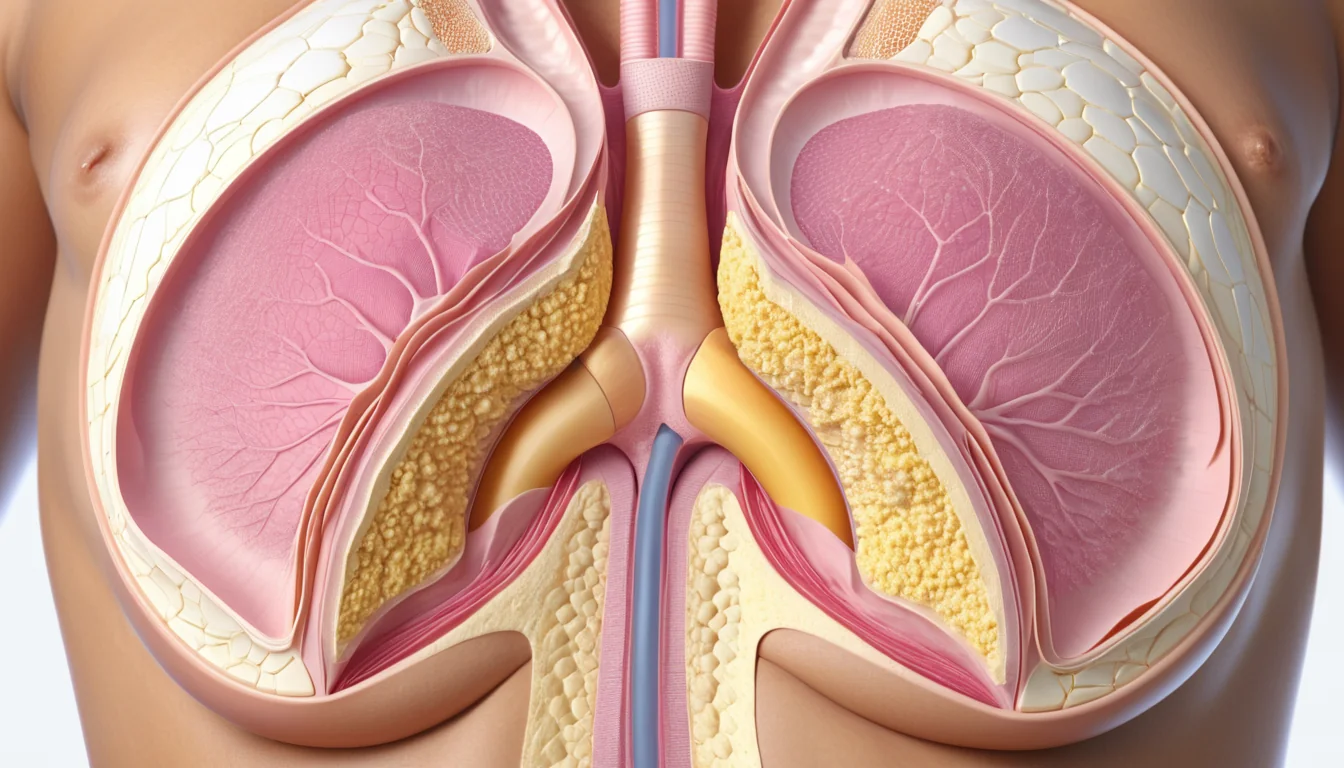
Nipple discharge is any fluid that leaks from one or both nipples, and it is one of the most common breast health concerns that Canadians raise with their family doctor. While it can understandably cause worry, the vast majority of cases are not a sign of something serious. However, certain types of discharge do require prompt medical attention, so knowing what to look for is essential.
What Causes Nipple Discharge? A Complete Guide for Canadians
Understanding the nipple discharge causes behind this symptom can help you decide whether a visit to your doctor or a Canadian walk-in clinic is needed. The colour, consistency, and whether the fluid comes from one or both breasts all provide important clues. In this guide, we break down every type of breast discharge, explain what is normal, and outline the warning signs that should never be ignored.
What Is Nipple Discharge?
| Type of Nipple Discharge | Colour & Appearance | Common Causes | Recommended Action |
|---|---|---|---|
| Milky / Galactorrhea | White or off-white, thin or thick | Elevated prolactin, certain medications (antipsychotics, antidepressants), hypothyroidism, pituitary adenoma | See your family doctor; blood tests to check prolactin and thyroid hormone levels |
| Clear or Watery | Transparent, thin consistency | Fibrocystic breast changes, early pregnancy, intraductal papilloma | Monitor frequency; consult a physician if persistent or from one breast only |
| Yellow or Green | Yellow, green, or grey; may be thick | Fibrocystic changes, duct ectasia, breast infection (mastitis) | Medical evaluation recommended; may require ultrasound or mammography |
| Bloody or Blood-Tinged | Red, pink, or rusty brown | Intraductal papilloma, duct ectasia, rarely breast cancer | Seek prompt medical attention; imaging and possible biopsy required |
| Purulent (Pus-Like) | Thick, cloudy, foul-smelling | Breast abscess, subareolar abscess, mastitis | Urgent medical care needed; antibiotic treatment or drainage may be required |
Nipple discharge happens when fluid comes out of the nipple on its own or when pressure is applied to the breast. It can affect people of all ages, including men. It is especially common during the reproductive years, even when a person is not pregnant or breastfeeding.
The colour, consistency, and source of the discharge all give important clues about what is causing it. Some types of nipple discharge are completely harmless. Others may point to an underlying condition that needs treatment. For more general information on breast health, visit Health Canada’s official health resources.
Types of Nipple Discharge: What the Colour Tells You
The colour of nipple discharge is one of the first things a doctor will ask about. Different colours are linked to different causes. Understanding what you are seeing can help you have a more informed conversation with your healthcare provider.
Milky, White, or Cloudy Discharge
A milky or cloudy discharge is often related to hormonal changes. It can appear during pregnancy or for up to two or three years after a person stops breastfeeding. Some medications can also trigger this type of discharge. It is usually not a cause for alarm.
Yellow or Green Discharge
A yellowish or greenish discharge may point to a breast infection or a cyst. Green discharge, in particular, is often linked to fibrocystic breast changes or benign breast cysts. However, if the discharge is accompanied by redness, swelling, or pain, you should see a doctor promptly.
Brown or Milky Brown Discharge
A brown or milky brown discharge is commonly associated with ductal ectasia. This is a condition where the milk ducts beneath the nipple become wider and their walls thicker. It is more common in people approaching menopause. It is usually benign but should still be assessed by a doctor.
Clear or Watery Discharge
A clear, watery nipple discharge with no colour can sometimes be linked to breast cancer, especially if it comes from only one breast or one duct. This type of discharge warrants a thorough medical evaluation. Do not wait to see if it resolves on its own.
Bloody or Blood-Tinged Discharge
Bloody nipple discharge is the type that most concerns healthcare providers. It can be caused by an intraductal papilloma, which is a small, non-cancerous growth inside a milk duct. However, it can also be a sign of breast cancer. Any bloody discharge should be evaluated right away.
Common Causes of Nipple Discharge
There are many possible causes of nipple discharge. Some are related to normal body changes. Others are linked to medications or health conditions. Here is a closer look at the most common causes.
Pregnancy and Breastfeeding
During pregnancy, the body begins preparing for breastfeeding. Small amounts of fluid, sometimes called colostrum, can leak from the nipples. This can start early in pregnancy. It may also continue for several years after a person stops breastfeeding.
Hormonal Changes
Hormonal shifts during the menstrual cycle or menopause can trigger nipple discharge. These changes affect the levels of prolactin, the hormone responsible for milk production. In most cases, this type of discharge is harmless and resolves on its own.
Medications
Certain medications raise prolactin levels as a side effect. These include some antidepressants, antipsychotics, blood pressure medications, and birth control pills. If you notice nipple discharge after starting a new medication, speak with your pharmacist or family doctor. Do not stop taking a prescribed medication without medical guidance.
Intraductal Papilloma
An intraductal papilloma is a small, wart-like growth inside a milk duct. It is the most common cause of bloody nipple discharge in people who are not pregnant or breastfeeding. These growths are usually non-cancerous. However, they do need to be properly diagnosed and, in many cases, removed.
Ductal Ectasia
Ductal ectasia happens when the milk ducts become inflamed and blocked. It tends to affect people in their 40s and 50s. The discharge it causes is usually thick and may be green, brown, or black. The condition can also cause tenderness near the nipple.
Breast Abscess or Infection
A breast infection, called mastitis, can cause a pus-like or yellowish discharge. It is most common in people who are breastfeeding. However, it can also occur in those who are not. Signs of infection include redness, warmth, swelling, and fever.
Prolactinoma
A prolactinoma is a non-cancerous tumour on the pituitary gland. It causes the body to produce too much prolactin. This can lead to nipple discharge, irregular periods, and fertility issues. It is a treatable condition, usually with medication.
Thyroid Problems
An underactive thyroid, also called hypothyroidism, can raise prolactin levels. This may result in nipple discharge. Other symptoms of an underactive thyroid include fatigue, weight gain, and feeling cold. A simple blood test can check your thyroid function.
Breast Cancer
Breast cancer is a possible but less common cause of nipple discharge. Research shows that only 3 to 9 percent of people who see a doctor for nipple discharge are diagnosed with breast cancer. Ductal carcinoma in situ (DCIS), an early form of breast cancer, can cause discharge. Paget’s disease of the breast, a rare type of cancer, can also lead to nipple changes and discharge. Learn more about breast cancer from Mayo Clinic’s breast cancer overview.
Other Symptoms to Watch For
Nipple discharge rarely appears on its own. It often comes with other symptoms that can help identify the cause. Pay attention to any of the following changes and mention them to your doctor.
- Pain or tenderness in the breast or nipple
- Swelling or redness of the breast
- A nipple that turns inward or changes shape
- Changes in nipple colour or size
- A lump in the breast or underarm area
- One breast becoming noticeably smaller than the other
- Fever or chills, which may signal an infection
- Missed periods or irregular menstrual cycles
- Nausea, vomiting, or unusual fatigue
These symptoms do not always mean something serious is wrong. However, they are important signals that your body is trying to communicate something. A healthcare provider can help you understand what is going on.
Nipple Discharge in Men
Men can also experience nipple discharge. In men, it is usually associated with a condition called gynecomastia, which is the enlargement and tenderness of breast tissue. Hormonal imbalances, certain medications, and rarely, breast cancer can cause discharge in men. Any nipple discharge in a man should be assessed by a doctor without delay.
When to See a Doctor About Nipple Discharge
Most cases of nipple discharge are not emergencies. However, there are situations where you should seek medical advice promptly. If you are unsure, your family doctor is your best first point of contact. If you do not have a family doctor, a walk-in clinic can assess your symptoms and refer you if needed.
You should see a doctor if your nipple discharge:
- Lasts longer than one full menstrual cycle
- Contains blood or is blood-tinged
- Comes from only one breast or one specific duct
- Occurs without any squeezing or stimulation
- Is accompanied by a lump, skin changes, or nipple changes
- Is happening in a man or in someone past menopause
- Comes alongside fever, redness, or signs of infection
Your doctor may order imaging tests such as a mammogram or ultrasound. They may also recommend a ductogram, which is an X-ray of the milk ducts. Blood tests to check hormone levels, including prolactin and thyroid function, are also common. In some cases, a biopsy may be needed. In Canada, most of these tests are covered under provincial health plans when ordered by a physician. For more on what to expect during a breast health assessment, Healthline’s guide to nipple discharge offers helpful background information.
As always, this article is for informational purposes only. Please speak with your family doctor or a qualified healthcare provider for advice specific to your situation.
Frequently Asked Questions About Nipple Discharge
Is nipple discharge always a sign of cancer?
No, nipple discharge is not usually a sign of cancer. Studies show that only 3 to 9 percent of people who see a doctor for nipple discharge are found to have breast cancer. Most causes of nipple discharge are benign, such as hormonal changes, medications, or benign breast conditions. However, any discharge that is bloody, comes from one breast only, or appears without stimulation should be evaluated by a doctor.
What colour of nipple discharge is normal?
A milky, white, or slightly yellowish nipple discharge is most often considered normal, especially during pregnancy or after breastfeeding. Green or brownish discharge can be linked to benign conditions like cysts or ductal ectasia. Clear, watery, or bloody nipple discharge is more concerning and should be assessed by a healthcare provider as soon as possible.
Can medications cause nipple discharge?
Yes, certain medications can cause nipple discharge by raising levels of the hormone prolactin. These include some antidepressants, antipsychotics, blood pressure medications, and hormonal contraceptives. If you think a medication is causing your nipple discharge, speak with your family doctor or pharmacist before making any changes to your prescription.
Can men have nipple discharge?
Yes, men can experience nipple discharge, though it is less common than in women. In men, nipple discharge is often linked to gynecomastia, hormonal imbalances, or certain medications. Because breast cancer in men is rare but possible, any nipple discharge in a man should be checked by a doctor promptly.
When should I go to a walk-in clinic for nipple discharge?
You should visit a walk-in clinic if you notice nipple discharge that is bloody, comes from one breast only, or does not stop after one menstrual cycle. A walk-in clinic can assess your symptoms, order basic blood tests, and refer you to a specialist if needed. If you have a family doctor, they are always your best first contact for ongoing breast health concerns.
Does nipple discharge go away on its own?
According to Health Canada’s official health resources, this information is supported by current medical research.
For more information, read our guide on protein in urine and other symptoms Canadians should not ignore.
Some types of nipple discharge do resolve on their own, especially if they are caused by temporary hormonal changes or minor breast stimulation. However, discharge that is persistent, bloody, or comes from a single duct is unlikely to go away without treatment. It is always best to have nipple discharge evaluated by a healthcare provider rather than waiting to see if it improves.
Key Takeaways
- Nipple discharge is any fluid that leaks from the nipple and is a common breast health concern.
- The colour and consistency of the discharge offer important clues about its cause.
- Most cases of nipple discharge are benign and linked to hormonal changes, medications, or non-cancerous breast conditions.
- Bloody, clear, or one-sided nipple discharge requires prompt medical evaluation.
- Breast cancer is a rare but possible cause, accounting for only 3 to 9 percent of cases.
- Men can also experience nipple discharge and should see a doctor if it occurs.
- Canadians with concerns can speak to their family doctor or visit a walk-in clinic for an assessment and referral if needed.
- Most diagnostic tests for nipple discharge are covered under provincial health plans when ordered by a physician.
- Always consult a qualified healthcare provider for advice tailored to your specific health situation.
Frequently Asked Questions
What is nipple discharge?
Nipple discharge is any fluid that leaks from one or both nipples. It can occur in people of all genders and may be milky, clear, yellow, green, or bloody. While often benign, discharge unrelated to breastfeeding warrants medical evaluation to rule out hormonal imbalances, infection, or rarely, breast cancer.
What are the most common causes of nipple discharge?
The most common causes include hormonal changes, certain medications (like antidepressants or blood pressure drugs), benign growths called intraductal papillomas, fibrocystic breast changes, and galactorrhea. Less commonly, nipple discharge can signal a breast infection, thyroid disorder, or breast cancer, particularly when bloody or spontaneous.
When should I see a doctor about nipple discharge?
See a doctor promptly if discharge is bloody, occurs spontaneously without squeezing, comes from only one breast, is accompanied by a lump, or persists over time. Canadian health guidelines recommend immediate evaluation for these warning signs, as they may indicate conditions requiring urgent diagnosis and treatment.
How is nipple discharge treated?
Treatment depends entirely on the underlying cause. Infections are treated with antibiotics. Hormone-related discharge may resolve with medication adjustments. Intraductal papillomas may require minor surgery. If cancer is identified, a full oncology treatment plan is initiated. Your doctor will recommend diagnostic imaging or blood tests before determining the appropriate treatment approach.
Can nipple discharge be prevented?
Not all nipple discharge is preventable, but you can reduce risk by avoiding unnecessary nipple stimulation, managing stress, maintaining a healthy weight, and reviewing medications with your doctor. Regular breast self-exams and routine mammograms, as recommended by Canadian screening guidelines, help detect changes early for better outcomes.

About the Author
Dr. Michael Ross, MD, FRCSCDr. Michael Ross is a fellowship-trained orthopedic surgeon at the University of Alberta Hospital, specializing in joint replacement and sports medicine. A Fellow of the Royal College of Surgeons of Canada (FRCSC), he has over 18 years of surgical experience and has authored multiple textbook chapters on musculoskeletal health. Dr. Ross is passionate about patient education and evidence-based medicine.
View all articles →