Breast Pain: Causes, Treatment & Relief in Canada

Share
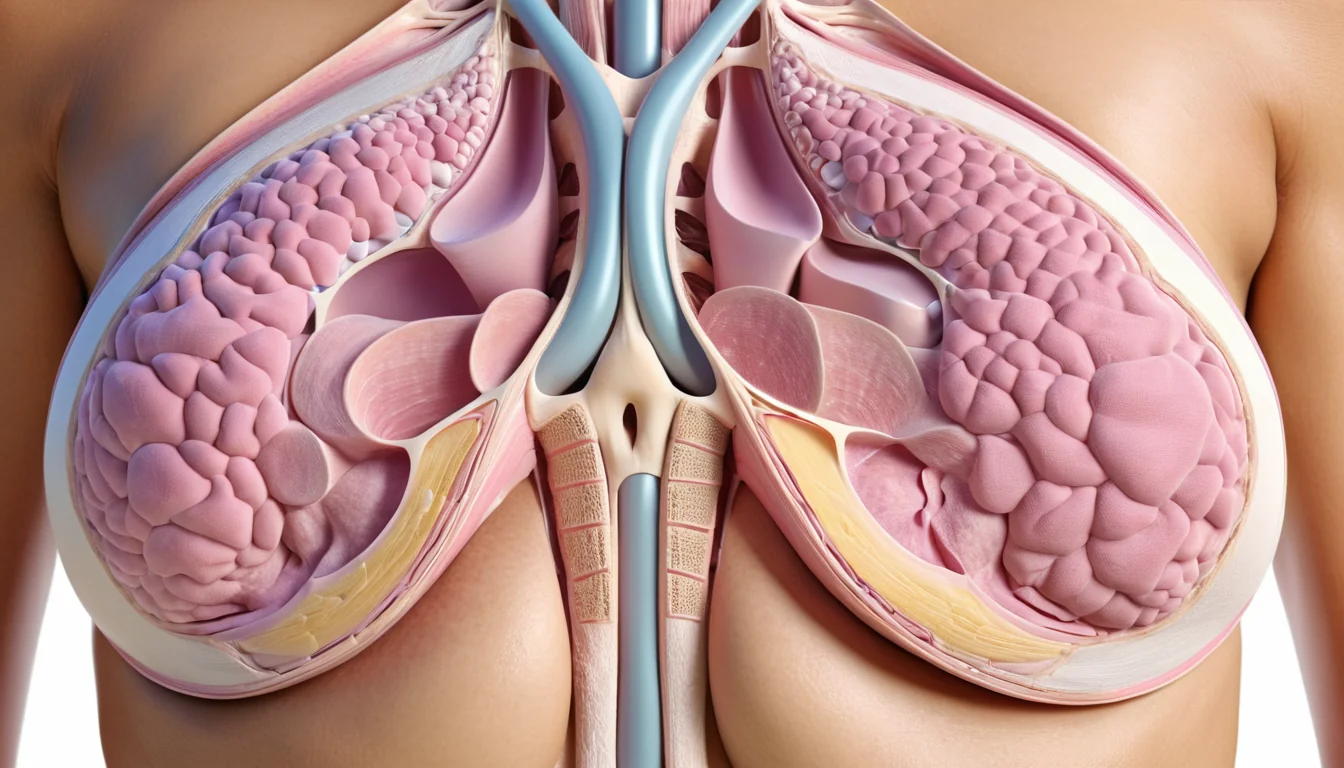
Breast pain, also known as mastalgia, is one of the most common breast-related concerns among Canadian women. It can manifest as tenderness, heaviness, a dull ache, or even a sharp burning sensation in one or both breasts. While the experience can be alarming, the reassuring news is that breast pain is rarely a sign of something serious — but understanding your symptoms is key to finding relief and peace of mind.
What Causes Breast Pain and When Should Canadians Worry?
Many women in Canada experience cyclic breast pain tied to hormonal fluctuations during their menstrual cycle, while others deal with non-cyclic pain that can arise from lifestyle factors, medication, or musculoskeletal issues. Whether your discomfort is mild or severe, knowing the common mastalgia causes can help you manage the pain effectively and determine when it is time to speak with your family doctor or healthcare provider.
What Is Breast Pain (Mastalgia)?
| Type of Breast Pain | Key Characteristics | Common Causes | Management Approach |
|---|---|---|---|
| Cyclic Breast Pain | Dull, heavy aching that worsens in the days before menstruation; usually affects both breasts; resolves after period begins | Hormonal fluctuations related to the menstrual cycle; most common in women aged 20–50 | Well-fitting supportive bra, NSAIDs (e.g., ibuprofen), reducing caffeine and dietary fat, evening primrose oil |
| Non-Cyclic Breast Pain | Constant or intermittent pain with no relation to menstrual cycle; often affects one breast in a specific area | Breast cysts, prior breast surgery, certain medications (e.g., SSRIs, hormone therapy), large breast size | Targeted pain relief, medication review with a healthcare provider, ultrasound to rule out underlying causes |
| Extramammary Breast Pain | Pain that originates outside the breast tissue but is felt in the breast area; may worsen with movement or pressure | Costochondritis, muscle strain, rib injury, arthritis, shingles (herpes zoster) | Physiotherapy, anti-inflammatory medications, treating the underlying musculoskeletal or nerve condition |
| Breast Pain Related to Infection (Mastitis) | Localized warmth, redness, swelling, and tenderness; may be accompanied by fever and flu-like symptoms | Bacterial infection, most commonly in breastfeeding women; can also occur in non-lactating individuals | Antibiotics prescribed by a physician, continued breastfeeding or pumping, warm compresses, medical follow-up |
| Breast Pain During Pregnancy | Tenderness, swelling, and heightened sensitivity throughout both breasts; typically begins in the first trimester | Rising levels of estrogen and progesterone causing breast tissue growth and increased blood flow | Supportive maternity or sports bra, warm or cool compresses, reassurance that this is a normal physiological change |
Breast pain refers to any discomfort, soreness, or tenderness in the breast tissue. It can range from mild to severe. Some women experience it as a dull ache, while others describe it as a stabbing or burning feeling.
Mastalgia affects women of all ages, though it is most common during the reproductive years. It can occur in one or both breasts. In most cases, it is linked to hormonal changes and is not a cause for alarm.
According to Mayo Clinic, breast pain is rarely a symptom of breast cancer. However, any new or unusual pain should still be checked by a healthcare provider.
Types of Breast Pain: Cyclic vs. Non-Cyclic
Doctors generally divide breast pain into two main types: cyclic and non-cyclic. Understanding which type you have helps guide treatment and reassurance.
Cyclic Breast Pain
Cyclic breast pain is the most common type. It is directly linked to your menstrual cycle and the hormonal changes that come with it. The pain tends to affect both breasts at once.
Many women describe it as a heaviness or dull ache that spreads toward the armpit or down the arm. The pain is usually worst in the days before your period and eases once your period begins. It tends to affect younger women more often and typically disappears after menopause.
Because cyclic breast pain follows a predictable pattern, many women find it manageable without medical treatment. Keeping a symptom diary can help you track your pattern and share it with your family doctor.
Non-Cyclic Breast Pain
Non-cyclic breast pain does not follow your menstrual cycle. It is more common in women between the ages of 40 and 50. Unlike cyclic pain, it usually affects only one breast, in a specific area.
Women often describe non-cyclic breast pain as a sharp, stabbing, or burning sensation. It can be constant or come and go unpredictably. In some cases, it may be caused by a breast cyst or a benign lump called a fibroadenoma.
Treating the underlying cause often relieves this type of pain. Stress can also play a role in making non-cyclic breast pain worse. If you are unsure about the cause of your pain, a visit to a walk-in clinic or your family doctor is a good first step.
Common Causes of Breast Pain
Several factors can trigger or worsen breast pain. Knowing the cause helps you and your doctor choose the right approach.
- Hormonal changes: Monthly fluctuations in estrogen and progesterone are the most common cause of cyclic breast pain.
- Medications: Some medications, including certain hormonal contraceptives, antidepressants, and heart medications, can cause or worsen breast tenderness.
- Breast cysts: Fluid-filled sacs in the breast can cause localized, non-cyclic pain.
- Fibroadenomas: These are benign breast lumps that can sometimes be tender.
- Stress: High stress levels can influence hormone balance and intensify breast discomfort.
- Ill-fitting bra: A bra that does not provide proper support can cause pain during physical activity or daily movement.
For more information on what causes breast pain, visit Healthline’s breast pain overview.
Does Breast Pain Mean Breast Cancer?
This is a question many women ask, and it is a completely understandable concern. The reassuring answer is that breast pain is a rare symptom of breast cancer. Most breast cancers do not cause pain in the early stages.
However, it is important to note that some painful lumps can turn out to be cancerous. Therefore, any new lump — painful or not — should be evaluated by a healthcare provider. Do not wait to see if it goes away on its own.
In Canada, routine breast screening is available through provincial health programmes. If you are between 40 and 74 years old, talk to your family doctor about mammogram screening in your province. Early detection saves lives.
Treatment Options for Breast Pain
Most cases of breast pain can be managed with simple, accessible treatments. Your approach will depend on whether your pain is cyclic or non-cyclic.
Over-the-Counter Pain Relief
For mild to moderate breast pain, over-the-counter medications are often effective. Always read the label carefully before taking any medication.
- Acetaminophen (e.g., Tylenol): A good first-choice option for pain relief with few side effects when taken as directed.
- Ibuprofen (e.g., Advil, Motrin): A non-steroidal anti-inflammatory drug (NSAID) that can reduce both pain and inflammation.
- Naproxen (e.g., Aleve): Another NSAID that provides longer-lasting relief for some women.
- Aspirin (e.g., Bayer): Can help, but should not be given to anyone under 20 years of age due to the risk of Reye’s syndrome.
If you are pregnant or planning to become pregnant, speak with your doctor or pharmacist before taking any of these medications. Some NSAIDs are not recommended during pregnancy.
Prescription Medications
In more severe cases of cyclic breast pain, a doctor may prescribe medications such as danazol, bromocriptine, or tamoxifen citrate. These drugs can be effective. However, they are used rarely because they can cause significant side effects.
Your doctor will weigh the benefits against the risks before recommending these options. Never start or stop a prescription medication without speaking to your healthcare provider first.
Hormonal Contraceptives
Some women find that hormonal birth control pills help reduce breast pain and breast swelling before their period. However, other women report that their symptoms actually worsen on the pill. Results vary from person to person.
If you are already on hormonal contraceptives and notice increased breast pain, talk to your family doctor. Adjusting your prescription may help.
Magnesium Supplements
Taking magnesium supplements during the second half of your menstrual cycle — roughly two weeks before your next period — may ease cyclic breast pain. Magnesium may also help with other premenstrual symptoms like bloating and mood changes.
Always check with your doctor before starting a new supplement, especially if you take other medications.
Diet and Lifestyle Changes
Some research suggests that reducing dietary fat intake to around 15% of total calories may help lessen breast pain over time. However, you need to maintain this change for several months before noticing a significant difference.
The evidence on caffeine and breast pain is mixed. Studies have not conclusively proven that cutting caffeine reduces breast pain. That said, some women do report feeling better after reducing their coffee, tea, or cola intake. It may be worth trying if your pain is bothersome.
For evidence-based nutritional guidance, Health Canada’s food and nutrition resources are a helpful starting point.
Prevention Tips: Reducing Breast Discomfort
There are several practical steps you can take to prevent or reduce breast pain before it starts.
- Wear a supportive bra: A well-fitted, supportive bra — especially during exercise — can significantly reduce breast pain. Your breasts should move with your chest, not independently.
- Replace worn-out bras: Once a bra loses its shape or elasticity, it no longer provides proper support. Replace it promptly.
- Young women and growing breasts: Teenagers and young women whose breasts are still developing should replace their bra every six months to ensure a proper fit.
- Manage stress: Since stress can worsen breast pain, regular relaxation practices — such as walking, yoga, or deep breathing — may help.
- Track your symptoms: Keeping a monthly diary of your breast pain can help identify patterns and triggers, making it easier to discuss with your doctor.
When to See a Doctor About Breast Pain
Most breast pain is benign and manageable at home. However, some situations do require prompt medical attention. Do not hesitate to visit your family doctor or a walk-in clinic if you notice any of the following.
- A new lump or thickening in your breast or underarm area
- Breast pain that is severe or getting progressively worse
- Pain that does not follow your menstrual cycle and has no clear cause
- Nipple discharge, especially if it is bloody or clear
- Changes in the size, shape, or appearance of your breast
- Redness, warmth, or swelling that suggests infection
In Canada, your first point of contact for breast health concerns is your family doctor or nurse practitioner. If you do not have a family doctor, a walk-in clinic can assess your symptoms and refer you for imaging or specialist care if needed. Provincial health plans cover most medically necessary breast exams and imaging.
As always, it is important to consult your doctor before making significant changes to your diet, starting new supplements, or taking prescription medications for breast pain.
Frequently Asked Questions About Breast Pain
What does breast pain feel like?
Breast pain can feel like tenderness, heaviness, a dull ache, or a sharp burning sensation. Some women feel the pain in one specific spot, while others experience it across the entire breast. The feeling can vary depending on whether the breast pain is cyclic or non-cyclic.
Is breast pain a sign of cancer?
Breast pain is rarely a symptom of breast cancer. Most cancers do not cause pain in their early stages. However, any new or persistent breast pain — especially if accompanied by a lump — should be evaluated by your family doctor as soon as possible.
Why do my breasts hurt before my period?
Breast pain before your period is called cyclic mastalgia, and it is caused by normal hormonal changes during your menstrual cycle. Rising levels of estrogen and progesterone cause the breast tissue to swell and become tender. This type of breast pain usually eases once your period begins.
How can I relieve breast pain at home?
You can often relieve breast pain at home with over-the-counter medications like acetaminophen or ibuprofen. Wearing a well-fitted, supportive bra — especially during exercise — also helps reduce discomfort. Some women find that reducing caffeine intake or taking magnesium supplements in the second half of their cycle also eases cyclic breast pain.
When should I see a doctor for breast pain?
You should see your family doctor or visit a walk-in clinic if your breast pain is severe, getting worse, or not related to your cycle. It is especially important to seek care if you notice a new lump, nipple discharge, skin changes, or swelling. In Canada, your provincial health plan covers most medically necessary breast assessments.
Does caffeine cause breast pain?
According to Mayo Clinic’s guide to breast pain symptoms and causes, this information is supported by current medical research.
For more information, read our guide on learn about other common health symptoms Canadian women should monitor.
The scientific evidence on caffeine and breast pain is not conclusive. Studies have not clearly proven that cutting out caffeine reduces breast pain for all women. However, some women do notice an improvement after reducing their intake of coffee, tea, and soft drinks, so it may be worth trying if your symptoms are bothersome.
Key Takeaways
- Breast pain (mastalgia) is very common and is usually not a sign of cancer.
- There are two main types: cyclic (linked to your period) and non-cyclic (unrelated to your cycle).
- Cyclic breast pain is most common in younger women and often disappears after menopause.
- Over-the-counter pain relievers, a supportive bra, magnesium supplements, and dietary changes can all help manage symptoms.
- Prescription medications are available for severe cases but are used cautiously due to side effects.
- Always see your family doctor or a walk-in clinic if you notice a new lump, nipple discharge, or pain that is worsening or unexplained.
- When in doubt, talk to your doctor — they are your best resource for personal breast health advice.
Frequently Asked Questions
What is breast pain (mastalgia)?
Breast pain, or mastalgia, is discomfort, tenderness, or soreness in one or both breasts. It affects up to 70% of women at some point in their lives. Mastalgia is classified as cyclic (linked to the menstrual cycle) or non-cyclic (unrelated to hormones), and is rarely a sign of breast cancer.
What are the most common symptoms of breast pain?
Common symptoms include aching, heaviness, tenderness, swelling, and sharp or burning sensations in breast tissue. Cyclic breast pain typically affects both breasts and worsens before menstruation. Non-cyclic pain is often localized to one area, feels tight or sore, and occurs in postmenopausal women more frequently.
How is breast pain treated in Canada?
Most breast pain resolves without treatment. Options include wearing a well-fitted supportive bra, taking over-the-counter pain relievers like ibuprofen or acetaminophen, applying warm or cold compresses, and reducing caffeine intake. For severe cases, Canadian doctors may prescribe hormonal medications such as danazol or tamoxifen under specialist supervision.
Can lifestyle changes help prevent breast pain?
Yes. Wearing a properly fitted, supportive bra—especially during exercise—can significantly reduce breast pain. Limiting caffeine and dietary fat, maintaining a healthy weight, managing stress, and tracking your menstrual cycle to anticipate cyclic flare-ups are all evidence-informed strategies recommended by Canadian health professionals.
When should you see a doctor for breast pain?
See a doctor if breast pain is severe, persistent beyond a few weeks, localized to one specific area, or accompanied by a lump, nipple discharge, redness, or skin changes. While breast pain alone rarely indicates cancer, any new or unusual breast symptoms should be evaluated promptly by a Canadian healthcare provider.

About the Author
Dr. Sarah Mitchell, MDDr. Sarah Mitchell is a board-certified family physician with over 15 years of clinical experience. She completed her MD at the University of Toronto and her residency at Toronto General Hospital. Dr. Mitchell specializes in preventive medicine and chronic disease management. She is a member of the College of Family Physicians of Canada (CFPC) and has published over 30 peer-reviewed articles on preventive health care.
View all articles →