Breast Pain: Causes, Tests & Treatment in Canada

Share
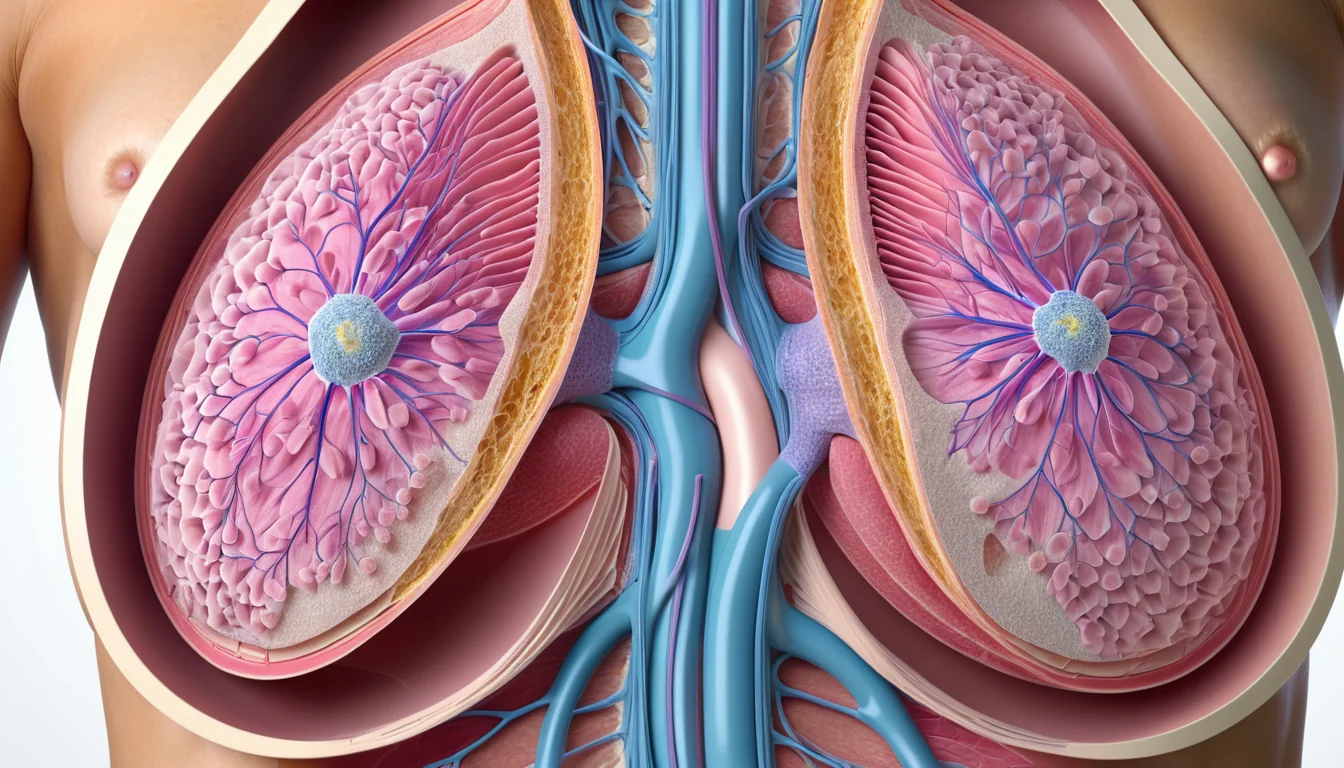
Breast pain, also called mastalgia, is one of the most common concerns women bring to their family doctor or walk-in clinic in Canada. It can affect one or both breasts and may come and go or persist for several weeks or even months. While it can be alarming, the good news is that breast pain is rarely a sign of something serious.
Common Causes of Breast Pain in Canadian Women
Understanding the mastalgia causes behind your discomfort is the first step toward finding relief. Whether you experience sharp tenderness, a dull ache, or a burning sensation, knowing what triggers your symptoms helps your Canadian healthcare provider recommend the most effective care. In most cases, breast pain improves on its own within a few months, but there are proven strategies and treatments that can help you feel better sooner.
What Is Breast Pain (Mastalgia)?
| Type of Breast Pain | Characteristics | Common Causes | Management Approach |
|---|---|---|---|
| Cyclic Breast Pain | Dull, heavy, or aching pain that follows the menstrual cycle; usually affects both breasts; most common in women aged 20–50 | Hormonal fluctuations (estrogen and progesterone); fibrocystic breast changes | Well-fitted supportive bra; reducing caffeine and dietary fat; evening primrose oil; over-the-counter pain relievers (ibuprofen, acetaminophen) |
| Non-Cyclic Breast Pain | Constant or intermittent pain unrelated to menstrual cycle; often affects one breast in a specific area; more common after menopause | Breast cysts, fibroadenomas, previous breast surgery, large breast size, trauma | Targeted pain relief; imaging (ultrasound or mammogram); treatment of underlying cause; referral to a breast clinic if needed |
| Extramammary Breast Pain | Pain that originates outside breast tissue but is felt in the breast area; may worsen with movement or deep breathing | Costochondritis, muscle strain, arthritis, shingles, gastroesophageal reflux (GERD) | Anti-inflammatory medications; physiotherapy; treatment directed at the underlying musculoskeletal or gastrointestinal condition |
| Breast Pain During Pregnancy and Breastfeeding | Tenderness, heaviness, or sharp pain; nipple sensitivity; engorgement; may include localized pain from mastitis | Hormonal changes, milk engorgement, blocked milk ducts, mastitis (bacterial infection) | Supportive nursing bra; warm or cold compresses; frequent feeding or pumping; antibiotics prescribed by a physician for mastitis |
| Breast Pain Associated with Medications | Diffuse tenderness or swelling in one or both breasts; onset correlates with starting a new medication | Hormone therapy, oral contraceptives, antidepressants (SSRIs), digoxin, spironolactone | Consult prescribing physician before stopping any medication; possible dose adjustment or alternative medication under medical supervision |
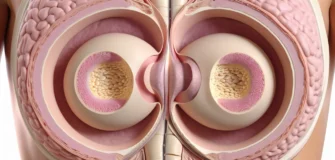
Breast pain is any discomfort, tenderness, or soreness in the breast tissue. It is most common in women who are still having their period. It becomes less common after menopause.
Breast pain can feel like a dull ache, a burning sensation, or sharp tenderness. Some women feel it only around their period. Others notice it throughout the month. In most cases, it gets better on its own within a few months.
Common Causes of Breast Pain
There are several reasons why breast pain can develop. Most causes are related to hormones or normal body changes. Understanding the cause helps your doctor recommend the best treatment.
Common causes of breast pain include:
- Hormonal changes: Shifts in estrogen and progesterone during your menstrual cycle often cause breast tenderness. This is the most common reason for breast pain in younger women.
- Fluid retention: Many women retain water before or during their period. This extra fluid can make breast tissue feel swollen and sore.
- Injury to the breast: A bump, fall, or pressure on the breast can cause short-term pain.
- Pregnancy: Breast tenderness is often one of the first signs of pregnancy. Hormones rise quickly and cause the breast tissue to change.
- Breastfeeding: Nursing mothers often experience soreness, especially in the first few weeks. Blocked ducts or engorgement can also cause pain.
- Breast infection (mastitis): An infection in the breast tissue can cause redness, warmth, swelling, and pain. This needs prompt medical treatment.
- Breast cancer: It is important to note that breast cancer is not a common cause of breast pain. However, any new or unusual lump should always be checked by a doctor.
If your breast pain lasts more than a few weeks or keeps coming back, speak with your family doctor or visit a walk-in clinic. Early assessment gives you peace of mind and rules out anything more serious.
How Is Breast Pain Diagnosed?
When you see your doctor about breast pain, they will start by asking you questions. This is called taking a history. They will want to know when the pain started, where it is located, how long it lasts, and whether it is linked to your menstrual cycle.
Your doctor will also do a physical breast exam. They will check for any lumps, swelling, redness, or skin changes. This exam is quick and helps your doctor understand what might be causing your symptoms.
Tests for Women Under 35
If you are under 35 and your doctor finds no lumps during the exam, no further testing is usually needed. Your doctor may be confident in the diagnosis based on your symptoms and history alone. However, they will still monitor you and ask you to return if things change.
Tests for Women 35 and Older
For women aged 35 and older, especially those with a lump in the breast, your doctor will likely recommend a mammogram. A mammogram is a special type of X-ray of the breast tissue. It helps detect changes that cannot be felt during a physical exam.
In addition to a mammogram, your doctor may also order one or more of the following tests:
- Breast ultrasound (sonogram): This is a painless test that uses sound waves to create a picture of breast tissue. It is often used alongside a mammogram to get a clearer view of a lump.
- Breast biopsy: If a lump looks unusual on imaging, your doctor may remove a small sample of tissue. A specialist then examines it under a microscope to check for any abnormal cells.
According to Health Canada, regular breast health awareness and screening are key tools in detecting breast changes early. Talk to your family doctor about what screening schedule is right for your age and risk level.
Treatment Options for Breast Pain
Treatment for breast pain depends on what is causing it. Your doctor will talk through the options with you and help you choose the best approach for your situation. There is no single solution that works for everyone.
Supportive Measures
One of the simplest and most helpful steps is wearing a well-fitted, supportive bra. A good bra reduces breast movement and can significantly ease discomfort. Some women find a sports bra helpful, especially during exercise or sleep.
For mild pain, over-the-counter pain relievers such as ibuprofen or acetaminophen can help. Always follow the directions on the label and check with your pharmacist if you are unsure.
Prescription Treatments
For severe breast pain that does not improve with other measures, your doctor may prescribe a medication called danazol. Danazol is a hormone-based drug that reduces the hormonal fluctuations linked to breast pain. It is typically only used when other treatments have not worked, as it can have side effects.
Your doctor is the best person to decide whether a prescription treatment is right for you. Never take prescription medication without medical guidance.
Alternative Approaches
Some women try alternative remedies to manage breast pain. These include reducing caffeine intake, taking vitamin E or vitamin B6 supplements, or using diuretics to reduce fluid retention.
However, as noted by the Mayo Clinic, there is currently no strong scientific evidence that these approaches reliably relieve breast pain. They may be worth discussing with your doctor, but they should not replace proven treatments.
Furthermore, most cases of breast pain resolve on their own within a few months, even without treatment. Keeping a symptom diary can help you and your doctor track patterns and identify any triggers.
When to See a Doctor About Breast Pain
Most breast pain is not dangerous. However, some symptoms need prompt medical attention. Do not wait if you notice any of the following:
- A new lump or thickening in the breast or underarm area
- Breast pain that does not go away after a few weeks
- Pain in only one specific spot that gets worse over time
- Redness, warmth, or swelling in the breast
- Nipple discharge that is bloody or clear and happens without squeezing
- Skin changes on the breast, such as dimpling or puckering
- Breast pain that is not related to your menstrual cycle
You can book an appointment with your family doctor or visit a walk-in clinic in your area. If you do not have a family doctor, many provinces offer health lines where a registered nurse can advise you. For example, Ontario has Telehealth Ontario (1-866-797-0000) and British Columbia has HealthLink BC (8-1-1).
According to the World Health Organization, awareness of breast changes and timely medical consultation are among the most important steps women can take for their breast health.
Breast Pain During Pregnancy and Breastfeeding
Breast tenderness during pregnancy is very common and is caused by rising hormone levels. Your breast tissue grows and changes rapidly to prepare for feeding your baby. This can cause significant soreness, especially in the first trimester.
During breastfeeding, pain may come from engorgement, sore nipples, or a blocked milk duct. If a blocked duct leads to an infection called mastitis, you may also develop a fever and flu-like symptoms. Mastitis needs antibiotic treatment, so contact your doctor or midwife right away if you suspect an infection.
Wearing a comfortable, supportive nursing bra and applying warm compresses can help with general breastfeeding discomfort. A public health nurse or lactation consultant can also offer guidance if you are struggling with breastfeeding-related breast pain.
Frequently Asked Questions About Breast Pain
Is breast pain a sign of breast cancer?
Breast pain alone is rarely a sign of breast cancer. Most breast pain is caused by hormonal changes, injury, or other benign conditions. However, if you also notice a lump, skin changes, or nipple discharge alongside breast pain, see your doctor promptly.
Why do my breasts hurt before my period?
Breast pain before your period is called cyclical mastalgia. It happens because hormone levels, especially estrogen and progesterone, rise and fall during your menstrual cycle. This causes breast tissue to swell and feel tender, usually improving once your period starts.
Can wearing the wrong bra cause breast pain?
Yes, a poorly fitted bra can contribute to breast pain. A bra that does not offer enough support allows breast tissue to move too much, which can strain the ligaments and cause discomfort. Getting professionally fitted for a supportive bra is a simple and effective first step.
How long does breast pain usually last?
The duration depends on the cause. Breast pain linked to your menstrual cycle typically lasts a few days and goes away on its own. In other cases, breast pain can persist for several weeks or months. If your pain lasts longer than a few weeks, speak with your family doctor.
Does caffeine make breast pain worse?
Some women report that reducing caffeine helps ease breast pain, though scientific evidence is limited. Cutting back on coffee, tea, chocolate, and energy drinks is low-risk and worth trying. Talk to your doctor before making major changes to your diet or lifestyle.
Can men get breast pain?
Yes, men can experience breast pain, though it is much less common. It can be caused by hormonal changes, injury, or a condition called gynecomastia, which is an enlargement of breast tissue. Any unusual breast pain or lump in men should be evaluated by a doctor.
Key Takeaways
- Breast pain is common and most often affects women who are still menstruating.
- Hormonal changes during the menstrual cycle are the most frequent cause of breast tenderness.
- Breast cancer is rarely the cause of breast pain, but any new lump or unusual change should be checked.
- Your doctor may recommend a mammogram, ultrasound, or biopsy depending on your age and symptoms.
- Treatment options include supportive bras, over-the-counter pain relief, and in some cases, prescription medication.
- Most breast pain goes away on its own within a few months without treatment.
- See your family doctor or visit a walk-in clinic if your breast pain is persistent, worsening, or comes with other symptoms like a lump or skin changes.
According to Mayo Clinic’s overview of breast pain causes and treatment, this information is supported by current medical research.
For more information, read our guide on protein in urine symptoms and treatment in Canada.
This article is for general information only. Always speak with your family doctor, nurse practitioner, or a healthcare provider before starting any treatment. They can assess your individual situation and recommend the best care for you.
Frequently Asked Questions
What is breast pain (mastalgia)?
Breast pain, or mastalgia, is discomfort, tenderness, or aching in one or both breasts. It affects up to 70% of women at some point in their lives. Mastalgia is classified as cyclic (linked to the menstrual cycle) or non-cyclic (unrelated to hormones), and is rarely a sign of breast cancer.
What are the most common causes of breast pain in women?
The most common causes include hormonal fluctuations during the menstrual cycle, pregnancy, breastfeeding, fibrocystic breast changes, certain medications (like hormone therapy or antidepressants), poorly fitted bras, and muscle strain. In Canada, cyclic hormonal breast pain is the leading cause among women of reproductive age.
How is breast pain treated at home?
Home treatments include wearing a well-fitted, supportive bra, applying warm or cold compresses, taking over-the-counter pain relievers like ibuprofen or acetaminophen, reducing caffeine and dietary fat intake, and managing stress. Evening primrose oil is commonly used in Canada, though evidence for its effectiveness remains limited.
Can breast pain be prevented?
You can reduce breast pain by wearing a properly fitted bra, including during exercise, maintaining a healthy weight, limiting caffeine and high-fat foods, and managing hormonal triggers. Keeping a symptom diary helps identify personal triggers. For cyclic mastalgia, lifestyle modifications are often the most effective long-term prevention strategy.
When should I see a doctor about breast pain?
See a doctor if breast pain is severe, persistent beyond six weeks, affects only one breast, is accompanied by a new lump, nipple discharge, skin changes, or redness, or if it disrupts your daily life. While breast pain alone rarely indicates cancer, any new or unusual symptoms should be professionally evaluated promptly.

About the Author
Dr. Michael Ross, MD, FRCSCDr. Michael Ross is a fellowship-trained orthopedic surgeon at the University of Alberta Hospital, specializing in joint replacement and sports medicine. A Fellow of the Royal College of Surgeons of Canada (FRCSC), he has over 18 years of surgical experience and has authored multiple textbook chapters on musculoskeletal health. Dr. Ross is passionate about patient education and evidence-based medicine.
View all articles →