
Tinnitus Relief: How Hearing Aids Help Canadians (2025)

Share
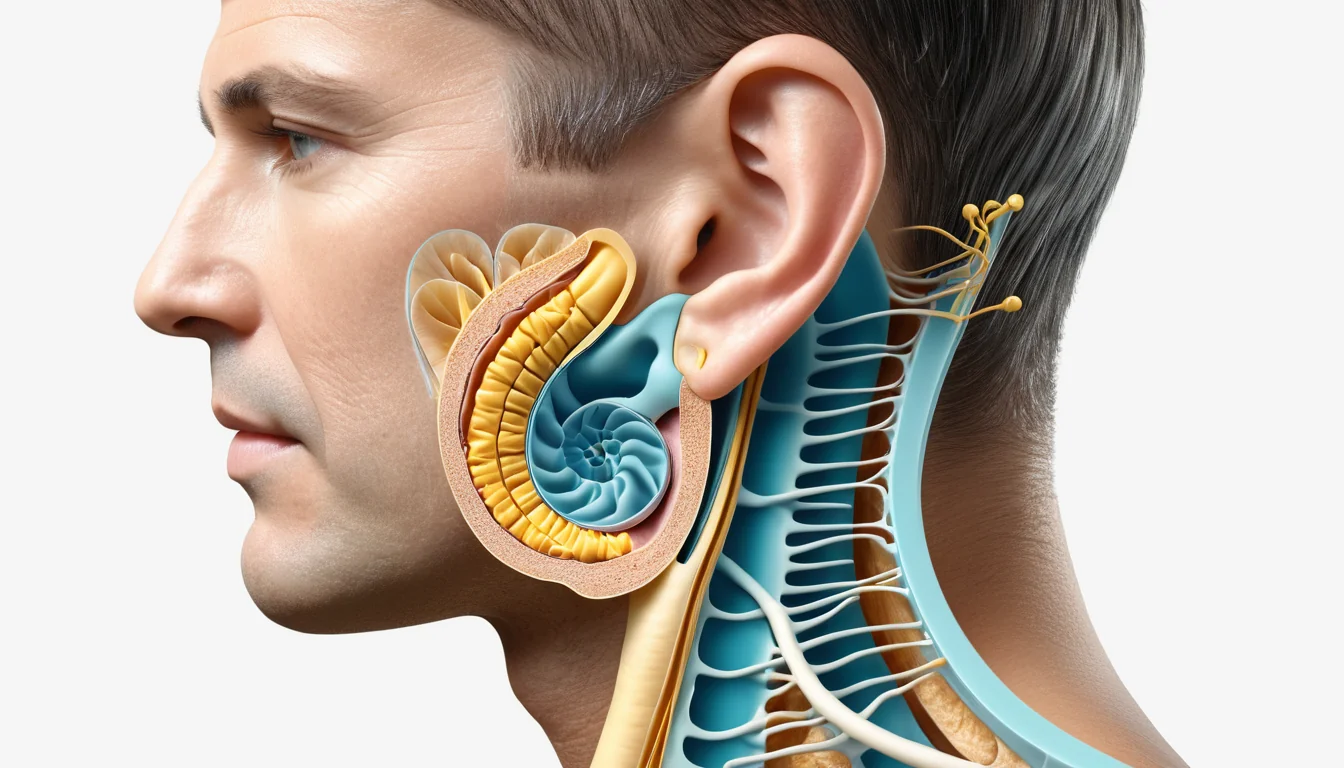
Tinnitus relief is one of the most searched health topics among Canadians who live with constant ringing, buzzing, or whistling sounds in their ears — and the good news is that effective solutions exist today. If you experience these phantom noises, you are far from alone: millions of Canadians report some form of tinnitus, making it one of the most common hearing-related complaints across the country.
Proven Tinnitus Relief Options With Modern Hearing Aids
Modern hearing aids for tinnitus are transforming how patients manage this frustrating condition. With advanced sound masking technology and personalised settings, today’s devices do far more than amplify sound — they actively reduce the perception of tinnitus and help restore quality of life. In this guide, we explain what tinnitus is, how hearing aids can help, and what practical steps Canadian patients can take to protect their hearing and find lasting comfort.
What Is Tinnitus?
| Treatment Option | How It Works | Key Benefits | Considerations |
|---|---|---|---|
| Hearing Aids with Sound Masking | Amplifies external sounds and generates low-level noise to reduce perception of tinnitus | Addresses both hearing loss and tinnitus simultaneously; widely available through Canadian audiologists | Most effective when tinnitus accompanies hearing loss; requires professional fitting |
| Tinnitus Retraining Therapy (TRT) | Combines sound therapy with counselling to help the brain reclassify tinnitus as unimportant | Long-term tinnitus relief with lasting results; reduces emotional distress | Requires 12–24 months of commitment; limited availability in some Canadian provinces |
| Cognitive Behavioural Therapy (CBT) | Reframes negative thought patterns associated with tinnitus through structured psychological sessions | Reduces anxiety and improves quality of life; covered under some provincial mental health programs | Does not reduce tinnitus volume; focused on emotional response management |
| Sound Therapy Devices | Uses white noise, nature sounds, or notched audio to mask or suppress tinnitus perception | Affordable and accessible; available without prescription across Canada | Provides temporary relief only; results vary significantly by individual |
| Medications (e.g., Antidepressants) | Reduces anxiety and depression linked to tinnitus; may lower perceived severity | Can improve sleep and overall wellbeing alongside tinnitus management | No Health Canada-approved drug specifically for tinnitus; potential side effects require monitoring |
Tinnitus is the medical term for hearing sounds that come from inside your body, not from the world around you. These sounds can include ringing, buzzing, hissing, whistling, or whooshing. Other people usually cannot hear them.
Tinnitus is more common than many people think. According to Health Canada, millions of Canadians experience some degree of hearing-related problems, and tinnitus is one of the most frequently reported. It can affect your sleep, your ability to concentrate, and your overall quality of life.
Tinnitus most often starts in the inner ear. It is commonly caused by damage to the tiny hair cells responsible for detecting sound. However, it can also be linked to stress, loud noise exposure, certain medications, or age-related hearing loss.
Tinnitus Relief: How Hearing Aids Can Help
For many years, people were simply told to live with tinnitus. Thankfully, that is no longer the only option. Modern hearing aids now offer real tinnitus relief through several smart technologies.
Hearing aids work by picking up sounds from your environment and amplifying them. When external sounds are louder, they can partially or fully cover up the internal sounds of tinnitus. This process is called sound masking, and it can be used during daily activities and even while you sleep.
Sound Masking Technology
Sound masking is one of the most effective tools in tinnitus management. The hearing aid produces a gentle sound at a specific frequency that cancels out or covers the tinnitus sound. As a result, many patients notice a significant reduction in how much the ringing bothers them.
Some advanced hearing aids take this even further. They replace the tinnitus sound with soothing, pleasant sounds that the brain finds easier to ignore. Over time, your brain learns to tune out the unwanted noise altogether.
Personalised Settings for Every Patient
No two cases of tinnitus are exactly alike. That is why modern hearing aids can be programmed and adjusted to match your specific needs. An audiologist or hearing aid specialist will assess the intensity and frequency of your tinnitus and customise the device accordingly.
Furthermore, some patients also have hearing loss alongside tinnitus. In those cases, the hearing aid addresses both problems at once — improving overall hearing while also reducing the ringing sensation.
Benefits of Using Hearing Aids for Tinnitus Management
Using a hearing aid for tinnitus management offers several meaningful advantages. These benefits go beyond simply reducing the noise in your ears.
- Reduces the perception of ringing or buzzing in the ears
- Improves sleep quality by masking intrusive sounds at night
- Boosts concentration during work, school, or daily tasks
- Supports emotional wellbeing by lowering frustration and anxiety
- Can be fully customised based on the severity of your tinnitus and any associated hearing loss
- Trains the brain to stop responding negatively to tinnitus signals over time
In addition, many patients report feeling more confident and socially engaged once their tinnitus symptoms are better managed. The improvement in quality of life can be significant.
For more detailed information on how tinnitus affects hearing, visit the Mayo Clinic’s tinnitus overview.
Tips to Improve Your Quality of Life With Tinnitus
Alongside hearing aids, there are several lifestyle changes that can support tinnitus relief and reduce how much the condition affects your daily life.
Manage Stress and Anxiety
Stress makes tinnitus worse. Your auditory system is already sensitive, and anxiety can increase the volume and intensity of the ringing you perceive. Practising relaxation techniques like deep breathing, yoga, or mindfulness can help calm your nervous system.
Therefore, managing your mental health is just as important as treating the physical symptom. If stress or anxiety is significantly affecting your life, speak with your family doctor about support options available through your provincial health plan.
Watch Your Intake of Stimulants
Certain substances can trigger or worsen tinnitus. These include caffeine, alcohol, and nicotine. Reducing or eliminating these stimulants may help lower the intensity of your symptoms.
In addition, try sleeping with your head slightly elevated. Some people find this reduces the perception of tinnitus at night, making it easier to fall and stay asleep.
Protect Your Ears From Loud Noise
Noise-induced hearing damage is one of the leading causes of tinnitus. Protecting your ears now can prevent symptoms from getting worse — or help you avoid tinnitus altogether.
- Keep noise levels at work below 85 decibels. If your workplace is louder than that, wear proper hearing protection.
- Use earmuffs or earplugs when operating loud equipment such as lawnmowers, drills, or power tools.
- Lower the volume on your TV, phone, and stereo systems.
- Stand away from speakers at concerts or in clubs, and use earplugs if needed.
- Avoid using cotton swabs in your ears. They can push wax deeper toward the eardrum or cause damage. Clean your outer ear gently with a cloth instead.
How to Prevent Tinnitus From Developing
Prevention is always better than treatment. Many cases of tinnitus are linked to preventable causes, especially repeated exposure to loud noise. Taking simple precautions now can protect your hearing for life.
According to the World Health Organization (WHO), over one billion young people worldwide are at risk of hearing loss due to unsafe listening habits. Canada is no exception to this trend.
Here are the most important prevention habits to build:
- Wear hearing protection in noisy environments — including concerts, sporting events, and construction sites.
- Take listening breaks when using headphones or earbuds. Follow the 60/60 rule: no more than 60% volume for more than 60 minutes at a time.
- Get regular hearing check-ups, especially if you work in a loud industry or notice any changes in your hearing.
- Manage your blood pressure and overall cardiovascular health, as both are linked to tinnitus risk.
When to See a Doctor About Tinnitus
If you notice ringing, buzzing, or other unexplained sounds in your ears that last more than a few days, it is time to seek medical advice. Do not ignore these symptoms or assume they will go away on their own.
Start by visiting your family doctor or a walk-in clinic. Your doctor can rule out underlying causes such as ear infections, wax buildup, or medication side effects. They may then refer you to an audiologist or ear, nose, and throat (ENT) specialist for a full hearing assessment.
Most provincial health plans in Canada cover initial consultations with your family doctor. Specialist referrals and hearing assessments may also be partially or fully covered, depending on your province. Check with your provincial health authority or insurance provider for details.
If your tinnitus is sudden, affects only one ear, or comes with dizziness, ear pain, or hearing loss, seek medical attention as soon as possible. These symptoms may indicate a condition that needs prompt treatment.
Always consult a qualified healthcare provider before starting any new treatment for tinnitus. The information in this article is for educational purposes only and is not a substitute for professional medical advice.
Frequently Asked Questions About Tinnitus Relief
Can tinnitus go away on its own?
In some cases, tinnitus does resolve on its own, especially if it is caused by a temporary issue like an ear infection or loud noise exposure. However, chronic tinnitus — lasting more than three months — usually requires active management. Speak with your family doctor if the ringing persists, as early treatment tends to produce better results.
Do hearing aids really work for tinnitus relief?
Yes, hearing aids are one of the most effective tools available for tinnitus relief. They work by amplifying external sounds or producing masking tones that reduce the brain’s focus on the internal ringing. Many patients report a significant improvement in their symptoms and quality of life after using a properly fitted hearing aid.
Is tinnitus a sign of serious hearing loss?
Tinnitus and hearing loss often occur together, but tinnitus alone does not always mean you have significant hearing loss. However, both conditions share common causes, such as damage to the inner ear’s hair cells. An audiologist can assess your hearing and determine the best course of action.
What makes tinnitus worse?
Several factors can increase the intensity of tinnitus, including stress, anxiety, caffeine, alcohol, nicotine, and exposure to loud noise. Poor sleep can also make symptoms feel worse. Reducing these triggers alongside using a hearing aid or sound therapy can meaningfully improve your day-to-day experience with tinnitus.
Is tinnitus treatment covered by provincial health plans in Canada?
Coverage varies by province. A visit to your family doctor or walk-in clinic to discuss tinnitus is typically covered under your provincial health plan. Specialist referrals may also be covered, but hearing aids and audiology services often require private insurance or out-of-pocket payment. Contact your provincial health authority for specific details about your coverage.
How long does tinnitus management take to show results?
According to Health Canada’s guidelines on hearing health, this information is supported by current medical research.
For more information, read our guide on how stress and addiction affect your overall health.
Results vary from person to person. Some patients notice improvement within a few weeks of using a hearing aid or sound masking device. For others, meaningful tinnitus relief may take several months of consistent use and follow-up with an audiologist. Patience and regular appointments are key to a successful management programme.
Key Takeaways
- Tinnitus is the perception of sound — such as ringing, buzzing, or hissing — with no external source.
- Modern hearing aids offer real tinnitus relief through sound masking and personalised programming.
- Lifestyle changes such as reducing stress, limiting stimulants, and protecting your ears can help manage symptoms.
- Preventing noise-induced damage is the best way to reduce your risk of developing tinnitus.
- If you experience persistent ear ringing, visit your family doctor or a walk-in clinic for an assessment.
- Most tinnitus cases can be managed effectively with the right personalised treatment programme.
Frequently Asked Questions
What is tinnitus and what causes it?
Tinnitus is the perception of sound — such as ringing, buzzing, or hissing — with no external source. Common causes include noise-induced hearing loss, ear infections, earwax buildup, aging, and certain medications. In Canada, approximately 360,000 people experience tinnitus severe enough to significantly impact their daily quality of life.
What are the most common symptoms of tinnitus?
Tinnitus symptoms include persistent ringing, buzzing, clicking, hissing, or whooshing sounds in one or both ears. These phantom sounds may be constant or intermittent, and vary in pitch. Many people also experience associated difficulty concentrating, sleep disturbances, anxiety, and heightened sensitivity to external sounds called hyperacusis.
Can hearing aids provide tinnitus relief?
Yes, hearing aids can provide meaningful tinnitus relief for many patients. They amplify external sounds, reducing the brain’s focus on internal tinnitus noise. Many modern hearing aids also include built-in sound therapy features that mask tinnitus. Canadian audiologists frequently recommend hearing aids as a first-line treatment, particularly when hearing loss accompanies tinnitus.
How can you prevent tinnitus from getting worse?
To prevent tinnitus from worsening, limit exposure to loud noise and always wear hearing protection at concerts, construction sites, or loud workplaces. Reduce caffeine and alcohol intake, manage stress through relaxation techniques, avoid ototoxic medications when possible, and maintain cardiovascular health, as poor circulation can aggravate tinnitus symptoms.
When should you see a doctor for tinnitus relief in Canada?
See a doctor or audiologist if tinnitus is persistent, worsening, affects only one ear, is accompanied by hearing loss, dizziness, or pain, or significantly disrupts sleep and daily functioning. In Canada, you can request a referral to an audiologist through your family physician or visit a licensed hearing clinic directly without a referral.

About the Author
Dr. James Okafor, MD, PhDDr. James Okafor holds an MD and PhD in Neurological Sciences from McGill University. With 12 years of experience in clinical neurology and mental health research, he has contributed to landmark studies on depression, anxiety, and cognitive health. Dr. Okafor is a Fellow of the Royal College of Physicians and Surgeons of Canada and serves on the editorial board of two peer-reviewed journals.
View all articles →