Preeclampsia in Pregnancy: Symptoms, Causes & Care Canada

Share
Preeclampsia in pregnancy is a serious condition that affects roughly 5% of pregnant women in Canada, causing dangerously high blood pressure that can harm both mother and baby. Recognizing the warning signs early can make a life-saving difference, yet many expecting mothers are unaware of how quickly this condition can develop after 20 weeks of gestation.
Understanding Preeclampsia in Pregnancy: What Every Canadian Should Know
Understanding the symptoms of preeclampsia, its causes, and available care options is essential for every Canadian pregnancy. Whether you are experiencing high blood pressure during pregnancy for the first time or have a history of hypertensive disorders, this guide covers everything you need to know to protect your health and your baby’s safety under Canada’s healthcare system.
What Is Preeclampsia in Pregnancy?
| Symptom | Description | Severity Level | Recommended Action |
|---|---|---|---|
| High Blood Pressure | Blood pressure reading of 140/90 mmHg or higher on two separate occasions, at least four hours apart | Moderate to Severe | Contact your healthcare provider immediately; may require hospitalization |
| Severe Headache | Persistent, intense headache that does not respond to acetaminophen (Tylenol), often described as throbbing or pressure-like | Severe | Go to the nearest emergency department or call 911 |
| Sudden Swelling | Rapid or excessive swelling of the face, hands, or feet beyond normal pregnancy puffiness, often occurring suddenly | Mild to Moderate | Report to your midwife or obstetrician at your next appointment or sooner if sudden |
| Visual Disturbances | Blurred vision, seeing flashing lights or spots, temporary loss of vision, or light sensitivity | Severe | Seek emergency care immediately; call 911 or go to the nearest ER |
| Upper Abdominal Pain | Pain or tenderness in the upper right abdomen, below the ribs, often associated with liver involvement or HELLP syndrome | Severe | Seek emergency care immediately; this may indicate serious complications |
| Protein in Urine (Proteinuria) | Excess protein detected in urine during routine prenatal testing, indicating kidney stress; may present with foamy urine | Moderate | Follow up with your healthcare provider promptly for further monitoring and testing |
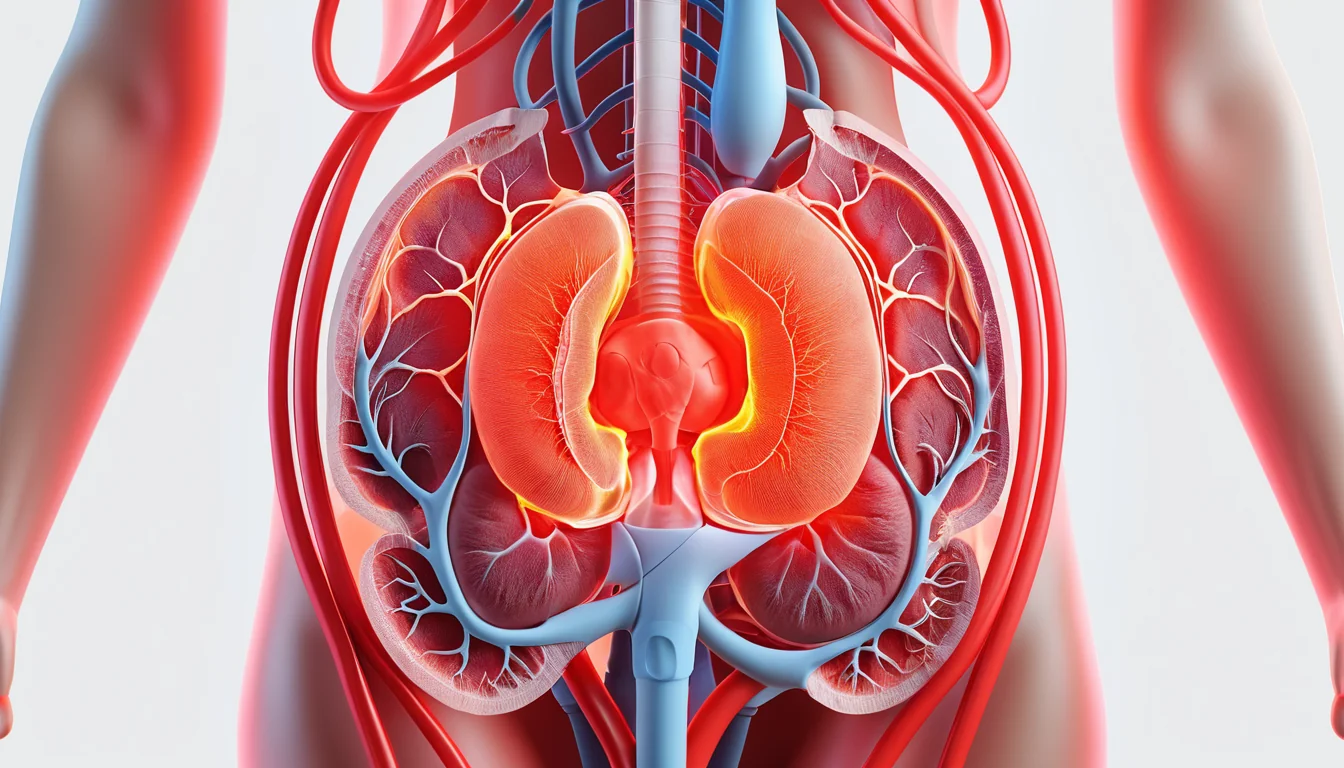
Preeclampsia is a pregnancy complication marked by high blood pressure — typically 140/90 mmHg or higher. It usually develops after 20 weeks of pregnancy. It often comes with protein in the urine, a sign that the kidneys are under stress.
In its most severe form, preeclampsia in pregnancy can be life-threatening. It can affect the liver, kidneys, and brain. In some cases, it can lead to seizures, which is a medical emergency.
The good news is that preeclampsia goes away within the first two weeks after delivery. However, experts believe women who have had it face a higher risk of chronic high blood pressure later in life.
High Blood Pressure During Pregnancy
Not all high blood pressure in pregnancy is preeclampsia. There are different types, and it helps to understand each one.
Gestational Hypertension
Normally, blood pressure drops during the second trimester, then returns to normal in the third. However, in about 10% of pregnancies, it rises to abnormal levels instead. This is called gestational hypertension — high blood pressure that develops during pregnancy without the other signs of preeclampsia.
Gestational hypertension is not usually dangerous on its own. However, it must be watched closely. It can be an early sign that preeclampsia is developing. After delivery, blood pressure typically returns to normal within about 12 weeks.
Severe High Blood Pressure in Pregnancy
Severe high blood pressure is more serious. It limits the oxygen supply reaching the baby. As a result, it can lead to poor fetal growth, early separation of the placenta (called placenta abruptio), and in tragic cases, stillbirth.
Because of these risks, doctors treat severe high blood pressure with medication. Treatment is usually started when diastolic pressure — the bottom number — goes above 100 mmHg.
Chronic High Blood Pressure and Pregnancy
Some women already have high blood pressure before they become pregnant. This is called chronic hypertension. One in four women with chronic hypertension will develop preeclampsia during pregnancy. When both conditions occur together, the risks to mother and baby increase significantly.
Causes of Preeclampsia in Pregnancy
The exact causes of preeclampsia in pregnancy are not fully understood. In fact, researchers sometimes call it a “disease of theories” because it is still the subject of intense study worldwide. Most doctors believe the problem begins in the placenta.
In a normal pregnancy, the placenta develops a rich network of blood vessels. In preeclampsia, this network does not form properly. As a result, blood flow to the placenta is reduced. This appears to trigger a chain reaction that raises the mother’s blood pressure and stresses her organs.
Risk Factors That May Play a Role
Several factors seem to increase the risk of developing preeclampsia. These include:
- Family history: Preeclampsia has a genetic component. If your mother or sister had it, your risk is higher. Interestingly, this also applies to men — a man whose mother or sister had preeclampsia is more likely to father a pregnancy affected by it.
- First pregnancy: Preeclampsia is most common in first-time pregnancies. It also appears more often when a woman is pregnant for the first time with a new partner, suggesting the immune system may play a role.
- Immune response: Some experts believe an abnormal immune reaction to the father’s genetic material may trigger the condition. This reaction may cause blood vessels to narrow, raising blood pressure.
- Pre-existing health conditions: Kidney disease, diabetes, and pre-existing high blood pressure all damage blood vessels. These conditions significantly raise the risk of preeclampsia.
- Biochemical factors: Certain substances in the body cause blood vessels to tighten. In some women, these may be produced in excess, leading to increased blood pressure.
For more information on risk factors, visit Health Canada’s guidance on preeclampsia.
Symptoms of Preeclampsia in Pregnancy
High blood pressure itself usually causes no symptoms. Most women discover it during a routine prenatal checkup. This is why regular prenatal appointments are so important throughout your pregnancy.
Symptoms of preeclampsia in pregnancy can appear gradually or come on suddenly. They can range from mild to severe. Knowing what to look for can help you act quickly.
Common Warning Signs
Watch for these symptoms and report them to your healthcare provider right away:
- Swelling of the hands and face that does not go away during the day. Mild swelling in the feet and ankles is normal in pregnancy, but swelling in the face and hands is not.
- Rapid weight gain — more than 1 kg per week or more than 3 kg in a month. This is often caused by fluid retention, not fat.
- Severe headache that does not go away with rest or regular pain relief.
- Vision changes, such as blurring, seeing spots, or temporary loss of vision.
- Pain in the upper right abdomen, just below the ribs. This can signal liver involvement.
- Nausea or vomiting that appears suddenly after the first trimester.
- Decreased urination or urine that appears dark or foamy.
Blood pressure readings of 140/90 mmHg or higher are classified as moderate hypertension. Readings above 160/110 mmHg are considered severe and require immediate medical attention.
According to Mayo Clinic’s overview of preeclampsia, some women experience no obvious symptoms at all, which is why prenatal monitoring is essential.
How Preeclampsia Affects You and Your Baby
Preeclampsia creates real risks for both mother and baby. For the baby, reduced blood flow through the placenta means less oxygen and fewer nutrients. This can cause slow growth, premature birth, or in severe cases, stillbirth.
For the mother, preeclampsia can affect several organ systems. The kidneys, liver, and brain are most commonly involved. In the most serious cases, the condition progresses to eclampsia — a state in which the mother experiences life-threatening seizures.
Furthermore, women who develop preeclampsia are more likely to have heart disease and stroke later in life. This makes it important to keep up with regular health checkups long after your baby is born. The World Health Organization’s fact sheet on preeclampsia notes it remains a leading cause of maternal mortality globally.
When to See a Doctor
If you are pregnant and notice any of the symptoms listed above, do not wait. Contact your family doctor or midwife right away. If you cannot reach them, visit a walk-in clinic or go to your nearest emergency department.
Even without symptoms, all pregnant women should attend regular prenatal appointments. Your provincial health plan covers prenatal care, including blood pressure checks and urine tests. These routine checks are the most reliable way to catch problems like preeclampsia in pregnancy early.
If you have risk factors — such as a previous history of preeclampsia, chronic high blood pressure, or diabetes — talk to your family doctor before or early in your pregnancy. They may recommend closer monitoring or preventive measures.
This article is for general information only. Always speak with your doctor, midwife, or a qualified healthcare provider about your personal health situation.
What are the first signs of preeclampsia in pregnancy?
The first signs of preeclampsia in pregnancy often include high blood pressure, swelling of the hands and face, and sudden weight gain. Many women have no obvious symptoms at all, which is why regular prenatal blood pressure checks are so important. If you notice any of these warning signs, contact your healthcare provider promptly.
How early can preeclampsia develop during pregnancy?
Preeclampsia in pregnancy most commonly develops after 20 weeks of pregnancy, often in the second or third trimester. In rare cases, it can appear earlier or even shortly after delivery. Your prenatal care team will monitor your blood pressure and urine at every visit to catch any changes early.
Can preeclampsia go away on its own?
Preeclampsia does not go away during pregnancy — the only cure is delivering the baby. However, most women see their blood pressure return to normal within two weeks after birth. Your doctor will continue to monitor you closely after delivery to make sure the condition has fully resolved.
What puts you at higher risk for preeclampsia in pregnancy?
Key risk factors for preeclampsia in pregnancy include a family history of the condition, a first pregnancy, pre-existing high blood pressure, diabetes, and kidney disease. Being pregnant with multiples, such as twins or triplets, also raises your risk. Discussing your personal risk factors with your family doctor before or early in pregnancy is a smart step.
Is preeclampsia covered under provincial health plans in Canada?
Yes, prenatal care and treatment for conditions like preeclampsia in pregnancy are covered under provincial and territorial health plans across Canada. This includes blood pressure monitoring, urine testing, specialist referrals, and hospital care if needed. Check with your provincial health authority or family doctor to understand exactly what your plan includes.
Does having preeclampsia mean I will have high blood pressure forever?
According to Public Health Agency of Canada guidelines on pregnancy complications, this information is supported by current medical research.
For more information, read our guide on nephrotic syndrome and kidney-related symptoms in Canada.
Preeclampsia does not usually lead to permanent high blood pressure right away. However, women who have had preeclampsia in pregnancy face a higher lifetime risk of developing chronic hypertension and heart disease. Regular checkups with your family doctor after pregnancy are important for long-term heart health.
Key Takeaways
- Preeclampsia in pregnancy is a serious condition involving high blood pressure, usually appearing after 20 weeks.
- It affects about 5% of pregnant women and is most common in first pregnancies.
- Warning signs include swelling of the hands and face, rapid weight gain, severe headaches, and vision changes.
- The exact cause is not fully known, but poor placental development and genetic and immune factors all appear to play a role.
- Severe cases can endanger the lives of both mother and baby.
- Preeclampsia resolves after delivery, but increases the long-term risk of high blood pressure and heart disease.
- Regular prenatal appointments — covered by your provincial health plan — are the best way to catch it early.
- Always talk to your family doctor, midwife, or walk-in clinic if you have any concerns during pregnancy.
Frequently Asked Questions
What is preeclampsia in pregnancy?
Preeclampsia in pregnancy is a serious condition characterized by high blood pressure (140/90 mmHg or higher) and signs of organ damage, typically occurring after 20 weeks gestation. It affects roughly 5–8% of Canadian pregnancies and can be life-threatening for both mother and baby if left untreated.
What are the warning signs of preeclampsia in pregnancy?
Common warning signs include sudden swelling of the face, hands, or feet, severe headaches, vision changes such as blurring or seeing spots, upper abdominal pain, nausea, and rapid weight gain. Some women experience no obvious symptoms, making regular prenatal blood pressure monitoring essential throughout pregnancy.
How is preeclampsia treated in Canada?
Treatment depends on severity and gestational age. Mild cases are managed with close monitoring, bed rest, and antihypertensive medications like labetalol or nifedipine. The only definitive cure is delivery of the baby. Severe cases may require hospitalization, magnesium sulfate to prevent seizures, and early induction or caesarean delivery.
Can preeclampsia be prevented during pregnancy?
Prevention is not always possible, but low-dose aspirin (81 mg daily) is recommended by the Society of Obstetricians and Gynaecologists of Canada for high-risk women, ideally started before 16 weeks. Maintaining a healthy weight, managing blood pressure before conception, and attending all prenatal appointments also help reduce risk.
When should you go to the hospital for preeclampsia symptoms?
Seek emergency care immediately if you experience a severe headache that won’t go away, sudden vision changes, sharp upper abdominal pain, difficulty breathing, or seizures. These may indicate severe preeclampsia or eclampsia, which are medical emergencies requiring urgent hospital treatment to protect both mother and baby.

About the Author
Dr. Linda Chen, RD, PhDDr. Linda Chen is a registered dietitian and PhD in Nutritional Sciences from the University of British Columbia. With expertise in clinical nutrition, sports dietetics, and gut health, she has worked with leading Canadian hospitals and sports organizations. Dr. Chen is a member of Dietitians of Canada and regularly contributes to national nutrition policy discussions.
View all articles →