
STIs During Pregnancy: Risks, Symptoms & Protection Canada

Share
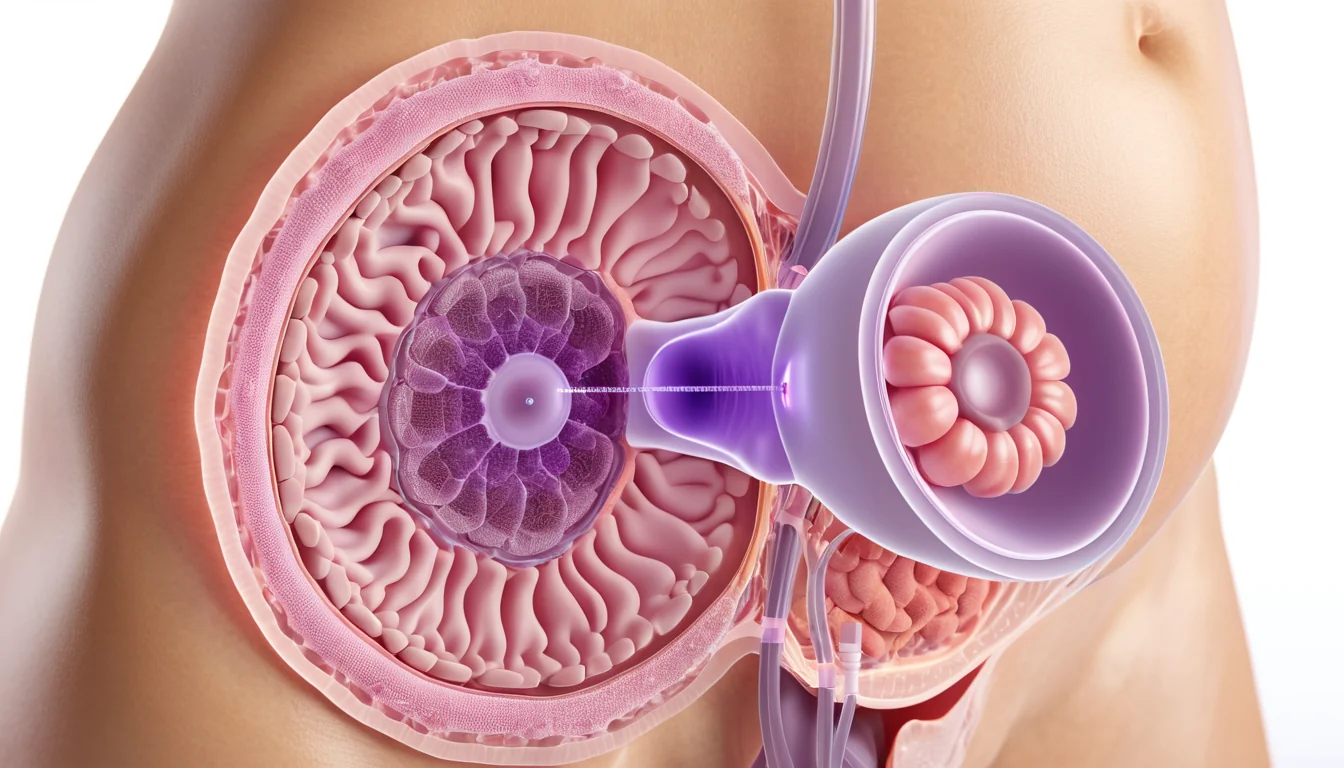
STIs during pregnancy are far more common than many Canadians realize, and they can pose serious health risks to both you and your developing baby. Millions of pregnant women around the world are affected by sexually transmitted infections each year, and being pregnant offers no protection against them. In fact, some infections become more dangerous during pregnancy, with consequences that can extend well beyond delivery.
How STIs During Pregnancy Affect You and Your Baby
Understanding STI testing and prenatal care in Canada is essential for every expectant parent. This article breaks down which sexually transmitted infections pose the greatest threats during pregnancy, the symptoms to watch for, and how the Canadian healthcare system can help safeguard you and your child. As always, speak with your family doctor or healthcare provider for guidance specific to your situation.
What Are STIs and Why Do They Matter During Pregnancy?
| STI | Risks to Pregnancy & Baby | Common Symptoms in Pregnant People | Management & Treatment |
|---|---|---|---|
| Chlamydia | Preterm labour, low birth weight, neonatal eye infection (ophthalmia neonatorum), neonatal pneumonia | Often asymptomatic; may include unusual discharge, burning with urination, or pelvic discomfort | Azithromycin or amoxicillin (safe in pregnancy); partner treatment required; retest after 3–4 weeks |
| Gonorrhea | Preterm birth, premature rupture of membranes, neonatal eye infection, sepsis in newborn | Often asymptomatic; may include increased vaginal discharge, painful urination, or pelvic pain | Ceftriaxone injection; dual therapy recommended; all pregnant people screened in first trimester per SOGC guidelines |
| Syphilis | Miscarriage, stillbirth, congenital syphilis causing bone, organ, and neurological damage in newborn | Painless sore (chancre), rash on palms/soles, flu-like symptoms; often overlooked | Penicillin G (only proven treatment for congenital prevention); mandatory screening at first prenatal visit across all Canadian provinces |
| Herpes (HSV-2) | Neonatal herpes (rare but serious); highest risk with active outbreak at time of vaginal delivery | Genital blisters or sores, itching, tingling; many people have no symptoms between outbreaks | Acyclovir or valacyclovir safe in pregnancy; suppressive therapy from 36 weeks; caesarean section considered if active lesions at labour |
| HIV | Mother-to-child transmission during pregnancy, birth, or breastfeeding without treatment; risk reduced to under 1% with antiretroviral therapy | Often asymptomatic for years; early infection may cause flu-like illness, fatigue, or swollen lymph nodes | Antiretroviral therapy (ART) initiated or continued throughout pregnancy; caesarean delivery and formula feeding may be recommended based on viral load; covered under provincial health plans |
| Hepatitis B | Chronic hepatitis B infection in newborn; up to 90% of exposed infants develop chronic infection without intervention | Usually asymptomatic; may include fatigue, jaundice, nausea, or abdominal discomfort | STIs are infections passed from one person to another through sexual contact. They include a wide range of bacterial, viral, and parasitic infections. Some are easily treated, while others require long-term management.
Common STIs that affect pregnant women include:
Many STIs show no obvious symptoms at first. As a result, a woman may become pregnant without knowing she already has an infection. This is one reason why routine prenatal STI screening is such an important part of prenatal care in Canada. How STIs During Pregnancy Affect Your BabySTIs during pregnancy can harm your baby in several ways. Some infections pass through the placenta and reach the developing baby directly. Others spread during labour and delivery, or through breastfeeding after birth. For example, syphilis can cross the placenta and cause serious birth defects. Gonorrhoea, chlamydia, hepatitis B, and genital herpes can all be passed to the baby during a vaginal delivery. HIV can be transmitted in the womb, during birth, or through breast milk. Health Risks to the NewbornBabies born to mothers with untreated STIs may face serious health problems. These can include:
Not all of these problems appear right away. Some issues only become clear as the child grows and develops. Therefore, early detection and treatment during pregnancy is critical. Risks to the Pregnancy ItselfBeyond the baby, STIs can also affect the pregnancy directly. They may lead to:
In addition, long-term health effects for the mother can include cervical cancer, chronic hepatitis, and liver cirrhosis — especially when STIs go undetected and untreated for years. Recognising the Symptoms of STIs During PregnancySTIs are sometimes called “silent” infections because they often cause no symptoms at all — or symptoms that are easy to overlook. However, there are warning signs you should know. Talk to your family doctor or go to a walk-in clinic if you notice any of the following:
It is important to remember that having one or more of these symptoms does not automatically mean you have an STI. However, any of these signs deserve prompt medical attention — especially during pregnancy. STI Testing and Prenatal Care in CanadaIn Canada, routine prenatal care includes STI screening as a standard part of your first prenatal visit. Your family doctor or midwife will typically order blood tests and swabs to check for common infections, including HIV, syphilis, hepatitis B, gonorrhoea, and chlamydia. Provincial health plans across Canada generally cover these tests. If you are not sure what is covered under your province’s plan, ask at your first prenatal appointment. Early detection gives you and your healthcare team the best chance to manage any infection safely. Be Honest With Your Healthcare ProviderYour healthcare provider is there to help, not to judge. Being open and honest about your sexual history — including any unprotected sex or new partners — allows your doctor to recommend the right tests and treatments. The more information your doctor has, the better they can protect both you and your baby. Condoms remain the most effective barrier against most STIs, though no method provides 100% protection. Health Canada provides helpful resources on sexual health and safe sex practices for all Canadians. HIV and Pregnancy: What Canadian Women Should KnowHIV is one of the most well-known STIs during pregnancy. The good news is that modern antiretroviral medications have transformed outcomes for HIV-positive pregnant women and their babies. Without treatment, the risk of passing HIV from mother to baby is around 25%. However, with proper treatment and a planned caesarean section when appropriate, that risk drops to less than 1%. This is a remarkable achievement in modern medicine. If you are HIV-positive and pregnant — or thinking about becoming pregnant — talk to your doctor right away. Your provincial health plan covers HIV medications during pregnancy. You do not have to face this alone, and transmission to your baby is largely preventable with the right care. For more information on HIV during pregnancy, visit the World Health Organization’s HIV/AIDS resource page. When to See a DoctorIf you are pregnant or planning a pregnancy, do not wait for symptoms to appear before getting tested. Book an appointment with your family doctor as soon as possible. STI testing is a routine and important part of prenatal care. If you do not have a family doctor, a walk-in clinic can perform initial STI screening and refer you to a specialist or prenatal programme. Many sexual health clinics across Canada also offer free and confidential testing. Seek same-day care at a walk-in clinic or emergency room if you experience any of the following during pregnancy:
Early treatment of STIs during pregnancy can prevent serious complications for both you and your baby. Always consult your healthcare provider before starting or stopping any treatment. For a detailed overview of STI symptoms and treatments, Mayo Clinic’s guide to sexually transmitted diseases is a reliable resource. Can STIs during pregnancy harm my baby?Yes, STIs during pregnancy can cause serious health problems for your baby. Depending on the infection, risks include low birth weight, eye infections, pneumonia, hearing loss, and neurological problems. Some complications may not appear until the child is older, which is why early prenatal STI testing is so important. What STIs are tested for during pregnancy in Canada?In Canada, standard prenatal care typically includes screening for HIV, syphilis, hepatitis B, gonorrhoea, and chlamydia. Your doctor may recommend additional tests based on your health history and risk factors. Most provincial health plans cover these routine prenatal tests. Can you pass an STI to your baby during childbirth?Yes, several STIs can be passed to the baby during a vaginal delivery, including gonorrhoea, chlamydia, hepatitis B, and genital herpes. HIV can be transmitted during birth as well as through breastfeeding. Your healthcare team will create a delivery plan to minimise these risks if you have an STI during pregnancy. What are the signs of an STI during pregnancy?Signs of an STI during pregnancy can include unusual vaginal discharge, genital sores or rashes, burning when urinating, and swollen lymph nodes in the groin. However, many STIs have no obvious symptoms at all. This is why routine STI screening at your first prenatal visit is essential, even if you feel completely healthy. Is it safe to treat an STI while pregnant?Many STIs can be safely and effectively treated during pregnancy. Bacterial infections like chlamydia, gonorrhoea, and syphilis are treated with antibiotics that are considered safe for use in pregnancy. Viral infections like HIV are managed with antiretroviral medications. Always follow your doctor’s guidance and never self-treat during pregnancy. Can I get an STI test at a walk-in clinic in Canada?According to Public Health Agency of Canada’s guide to sexually transmitted infections, this information is supported by current medical research. For more information, read our guide on mastitis treatment and breastfeeding support in Canada. Yes, walk-in clinics across Canada can perform STI testing, including during pregnancy. If you do not have a family doctor, a walk-in clinic is a great first step. Many sexual health centres also offer free and confidential STI testing without a referral. Key Takeaways
Frequently Asked QuestionsWhat are STIs during pregnancy and why are they dangerous?STIs during pregnancy are sexually transmitted infections contracted before or during gestation. They are dangerous because they can cross the placenta, infect the baby during delivery, and cause serious complications including premature birth, low birth weight, stillbirth, neonatal infections, and long-term developmental problems in newborns. What are the symptoms of STIs during pregnancy?Many STIs during pregnancy cause no obvious symptoms. When present, warning signs include unusual vaginal discharge, burning during urination, genital sores or blisters, pelvic pain, and skin rashes. Because symptoms are often absent, routine prenatal STI screening at your first prenatal appointment is essential for all pregnant Canadians. Can STIs during pregnancy be treated safely?Yes. Bacterial STIs like chlamydia, gonorrhea, and syphilis can be safely treated with antibiotics during pregnancy. Viral STIs such as HIV and herpes are managed with antiviral medications to reduce transmission risk. Early treatment significantly lowers complications for both mother and baby, making timely diagnosis critically important. How can pregnant women in Canada prevent getting an STI?Pregnant women can reduce STI risk by consistently using condoms, limiting sexual partners, ensuring partners are tested, and attending all scheduled prenatal screenings. Openly discussing sexual health with your healthcare provider is also important. Canadian prenatal guidelines recommend routine STI testing at the first prenatal visit for all pregnant patients. When should a pregnant woman see a doctor about a possible STI?See a doctor immediately if you notice genital sores, unusual discharge, pelvic pain, or burning urination. Even without symptoms, all pregnant women should request STI screening at their first prenatal visit. Early detection and treatment are critical for protecting both maternal and fetal health throughout the pregnancy.  About the AuthorDr. Michael Ross, MD, FRCSCDr. Michael Ross is a fellowship-trained orthopedic surgeon at the University of Alberta Hospital, specializing in joint replacement and sports medicine. A Fellow of the Royal College of Surgeons of Canada (FRCSC), he has over 18 years of surgical experience and has authored multiple textbook chapters on musculoskeletal health. Dr. Ross is passionate about patient education and evidence-based medicine. View all articles →
Previous Article
Preeclampsia in Pregnancy: Symptoms, Causes & Care Canada
 |