Overweight and Pregnant: Risks Canadian Women Must Know

Share
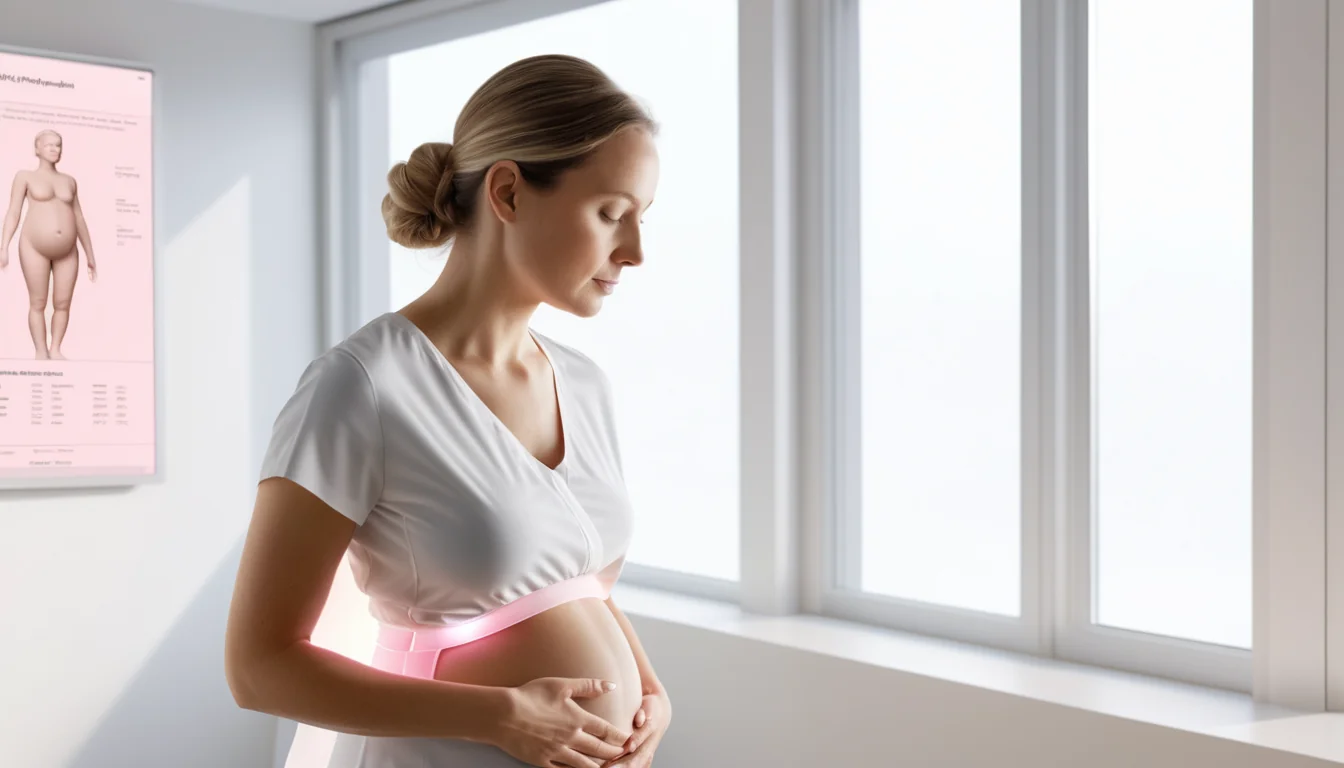
Being overweight and pregnant can significantly raise the risk of serious complications for both mother and baby. A large study involving 24,000 women found that the higher a woman’s weight before conception, the greater her chances of facing problems during pregnancy. These findings are a strong reminder that pregnancy weight management Canada experts recommend should start well before conception.
What Every Canadian Should Know About Being Overweight and Pregnant
For Canadian women planning to start a family, understanding obesity during pregnancy risks is one of the most important steps toward a healthy outcome. Talking to your family doctor about reaching a healthy BMI before becoming pregnant can help reduce the chance of complications like preeclampsia, gestational diabetes, and cesarean delivery. If you are considering pregnancy, now is the time to take action.
What the Research Says About Overweight During Pregnancy
| Risk Factor | Impact on Pregnancy | Severity | Prevention & Management |
|---|---|---|---|
| Gestational Diabetes | Elevated blood sugar levels that can cause excessive fetal growth, increasing the likelihood of complications during labour and delivery | Moderate to High | Regular glucose screening (OGTT at 24–28 weeks), balanced diet, physical activity, and insulin therapy if required |
| Preeclampsia | Dangerously high blood pressure that can impair kidney and liver function, posing serious risks to both mother and baby | High | Routine blood pressure monitoring at every prenatal visit, low-dose ASA (81 mg) as recommended by SOGC guidelines for high-risk patients |
| Cesarean Section (C-Section) | Increased likelihood of requiring surgical delivery due to labour complications, fetal distress, or failure to progress | Moderate | Healthy gestational weight gain within Health Canada guidelines, continuous fetal monitoring during labour |
| Neural Tube Defects | Higher risk of fetal brain and spinal cord abnormalities, partly linked to folate metabolism challenges in individuals with obesity | Moderate to High | Higher-dose folic acid supplementation (4–5 mg/day) recommended by SOGC prior to conception and in early pregnancy |
| Preterm Birth | Increased risk of delivering before 37 weeks, which can lead to neonatal breathing difficulties, feeding challenges, and longer NICU stays | Moderate | Regular prenatal care, cervical length monitoring when indicated, and management of underlying conditions such as hypertension |
| Sleep Apnea | Interrupted breathing during sleep reduces oxygen supply, increasing risks of hypertension, gestational diabetes, and fetal growth restriction | Moderate | Sleep study referral if symptoms are present, CPAP therapy, sleeping on the left side to improve circulation |
Researchers studied data from 24,000 women in the United Kingdom who gave birth between 1976 and 2005. They found a clear link between pre-pregnancy weight and the risk of complications. The results were published in the journal BMC Public Health, a respected peer-reviewed source.
The study confirmed that obesity is a significant risk factor for both mothers and newborns. Furthermore, it supports the view that pregnancies in women who are overweight should be treated as higher risk from the start. This means closer monitoring and more frequent check-ins with a healthcare provider throughout the pregnancy.
Key Findings From the Study
Compared to women with a healthy weight, overweight women had up to 50% more risk of postpartum bleeding. They also had double the chance of giving birth prematurely. In addition, they were more likely to need a caesarean section or to have labour induced.
These are not small differences. They represent real health risks that can affect a mother’s recovery and a baby’s early development. However, the good news is that many of these risks can be reduced with early planning and medical support.
Understanding Preeclampsia and Weight
One of the most serious risks linked to being overweight during pregnancy is preeclampsia. This is a dangerous condition that can develop after the 20th week of pregnancy. It causes a sudden rise in blood pressure and can affect how the kidneys work.
Women with obesity face a much higher risk of developing preeclampsia. Left untreated, it can lead to life-threatening complications for both mother and baby. Learn more about preeclampsia symptoms and causes at Mayo Clinic.
Why Preeclampsia Is So Dangerous
Preeclampsia can progress quickly and become a medical emergency. Symptoms may include severe headaches, vision changes, and swelling in the hands and face. If you notice any of these signs during pregnancy, seek medical help right away — do not wait for your next scheduled appointment.
In Canada, your midwife, family doctor, or obstetrician will monitor your blood pressure at every prenatal visit. This is one reason regular prenatal care is so important, especially if you are overweight or obese going into pregnancy.
Other Pregnancy Complications Linked to Excess Weight
Beyond preeclampsia, being overweight during pregnancy raises the risk of several other complications. These include gestational diabetes, sleep apnea, and blood clots. Each of these conditions adds stress on the body and may require additional medical care.
Postpartum bleeding, also called postpartum haemorrhage, is another serious concern. The study found that overweight women had up to 50% more risk of this complication after delivery. This kind of bleeding can be life-threatening and may require emergency treatment.
Risks for the Baby
Excess weight during pregnancy does not only affect the mother. Babies born to overweight mothers may be larger than average, which can complicate delivery. They may also face a higher risk of being born early, which can cause breathing problems and other health challenges.
Premature babies often need extra support in a neonatal intensive care unit (NICU). This can be an emotionally and physically difficult experience for families. Therefore, doing everything possible to reduce premature birth risk is very important.
What About Underweight Women?
Interestingly, the same study looked at women who were underweight before pregnancy. These women had the lowest overall risk of pregnancy complications. However, they were more likely than women with a healthy weight to deliver a low-birth-weight baby.
A low-birth-weight baby may face challenges with feeding, maintaining body temperature, and fighting infection. So while being underweight carries fewer risks for the mother, it can still affect the baby’s health. This highlights the importance of being at a healthy weight — not too high, not too low — before becoming pregnant.
The Ideal Weight Range Before Pregnancy
Healthcare providers use Body Mass Index (BMI) as one tool to assess weight before and during pregnancy. A BMI between 18.5 and 24.9 is generally considered healthy. However, BMI is not a perfect measure, and your family doctor can help you understand what a healthy weight looks like for your specific body and health history.
Visit Health Canada for guidance on healthy weights and nutrition. This resource can help you understand your weight goals in a Canadian context.
How to Reach a Healthy Weight Before Pregnancy
Researchers recommend that women who are overweight try to lose weight before becoming pregnant. Even a modest weight loss of 5 to 10 percent of body weight can reduce the risk of complications. Small changes can make a big difference.
A combination of balanced eating and regular physical activity is the most effective approach. Canada’s Food Guide encourages eating plenty of vegetables, fruits, whole grains, and protein-rich foods. Reducing processed foods, sugary drinks, and foods high in saturated fat also helps.
Safe Exercise During Pregnancy Planning
If you are trying to lose weight before pregnancy, moderate exercise is a great tool. Walking, swimming, and cycling are all gentle on the joints and easy to fit into a busy schedule. Aim for at least 150 minutes of moderate activity each week, as recommended by the World Health Organization’s physical activity guidelines.
Always speak with your doctor before starting a new exercise programme, especially if you have existing health conditions. Once you are pregnant, exercise guidelines change, and your care team can advise you on what is safe.
Building Healthy Habits That Last
Crash diets and extreme calorie restriction are not safe, especially when you are planning a pregnancy. Instead, focus on building sustainable habits. Cooking more meals at home, reading food labels, and managing stress through sleep and relaxation all support a healthy weight over time.
Consider asking your family doctor for a referral to a registered dietitian. Many provincial health plans in Canada cover dietitian visits, especially for those with risk factors like obesity. A dietitian can create a personalised plan that fits your lifestyle and goals.
When to See a Doctor
If you are overweight and thinking about becoming pregnant, book an appointment with your family doctor as soon as possible. A pre-pregnancy check-up can help you understand your current health, identify any risks, and set realistic goals. This visit is sometimes called a preconception appointment.
If you do not have a family doctor, a walk-in clinic can provide an initial assessment and help you get connected to prenatal care. Many communities across Canada also offer public health nurses and midwifery services that support healthy pregnancies.
During pregnancy, attend all scheduled prenatal appointments. Report any unusual symptoms — such as sudden swelling, severe headaches, or reduced fetal movement — right away. Early action can prevent small problems from becoming serious ones.
Always consult your family doctor, midwife, or a qualified healthcare provider before making changes to your diet, exercise routine, or health plan during pregnancy or when planning a pregnancy.
Is it safe to lose weight while pregnant if you are overweight?
Intentional weight loss during pregnancy is generally not recommended, even if you are overweight during pregnancy. Instead, your doctor will help you manage weight gain to stay within a safe range. Focus on eating well and staying active rather than trying to lose weight once pregnant.
How much weight gain is healthy during pregnancy if you are overweight?
If you are overweight during pregnancy, health guidelines generally recommend gaining between 7 and 11 kilograms (15 to 25 pounds) over the full pregnancy. Women with obesity may be advised to gain even less. Your doctor or midwife will give you personalised guidance based on your starting BMI.
What are the biggest risks of being overweight during pregnancy?
Being overweight during pregnancy raises the risk of preeclampsia, gestational diabetes, premature birth, caesarean delivery, and postpartum bleeding. Babies may also be larger than average or face their own health challenges. Regular prenatal care helps detect and manage these risks early.
Can losing weight before pregnancy reduce complications?
Yes, losing weight before pregnancy is one of the most effective ways to reduce the risk of complications. Even a small amount of weight loss before conception can improve outcomes for both mother and baby. Talk to your family doctor about a safe and realistic plan before you start trying to conceive.
Does obesity affect fertility?
Yes, obesity can affect hormonal balance and ovulation, which may make it harder to conceive. Women who are overweight may take longer to become pregnant compared to women with a healthy weight. A doctor can assess fertility concerns and recommend steps to improve your chances of conception.
Will my pregnancy be considered high risk if I am overweight?
According to Health Canada’s guidelines on healthy weight gain during pregnancy, this information is supported by current medical research.
For more information, read our guide on breast mastitis causes, symptoms, and treatment for new mothers.
Many healthcare providers do consider pregnancies in overweight or obese women to be higher risk, which means more frequent monitoring and check-ups. Being overweight during pregnancy does not mean something will go wrong, but it does mean your care team will watch more closely. This extra attention is there to keep you and your baby as safe as possible.
Key Takeaways
- Being overweight during pregnancy raises the risk of complications such as preeclampsia, premature birth, caesarean delivery, and postpartum bleeding.
- Preeclampsia is especially dangerous for overweight and obese women — know the warning signs and report them immediately.
- Underweight women have fewer maternal complications but face a higher risk of delivering a low-birth-weight baby.
- Losing weight before pregnancy — even a small amount — can significantly lower your risk of complications.
- Sustainable lifestyle changes, including balanced eating and regular moderate exercise, are the safest way to reach a healthy weight.
- Talk to your family doctor before pregnancy, especially if you are overweight, to get personalised advice and a preconception health check.
- If you do not have a family doctor, a walk-in clinic or public health nurse can help you access prenatal care and support across Canada.
Frequently Asked Questions
What does it mean to be overweight and pregnant in Canada?
Being overweight and pregnant means having a pre-pregnancy BMI between 25 and 29.9, while obesity is a BMI of 30 or higher. Canadian healthcare providers use BMI alongside other health indicators to assess pregnancy risk and develop a personalized prenatal care plan for mother and baby.
What are the risks of being overweight and pregnant?
Risks include gestational diabetes, preeclampsia, high blood pressure, preterm birth, cesarean delivery, and neural tube defects. Babies may be larger than average (macrosomia), increasing delivery complications. Canadian guidelines recommend early screening and regular monitoring throughout pregnancy to manage and reduce these risks effectively.
What are the warning signs of complications during pregnancy with obesity?
Warning signs include sudden swelling of hands or face, severe headaches, vision changes, decreased fetal movement, chest pain, or difficulty breathing. These may indicate serious conditions like preeclampsia or gestational hypertension. Contact your healthcare provider or nearest Canadian emergency department immediately if these symptoms occur.
Can you have a healthy pregnancy if you are overweight?
Yes, many overweight women have healthy pregnancies with proper medical support. Key steps include working with your healthcare team, attending all prenatal appointments, eating a balanced diet, engaging in safe physical activity, and following weight gain guidelines set by Health Canada and your obstetrician or midwife.
When should a pregnant woman with obesity see a doctor in Canada?
See a doctor as soon as pregnancy is confirmed — ideally before conception if possible. Overweight and obese pregnant women benefit from early prenatal care to screen for gestational diabetes, hypertension, and other complications. Immediate medical attention is needed if you experience severe symptoms like heavy bleeding or chest pain.

About the Author
Dr. Michael Ross, MD, FRCSCDr. Michael Ross is a fellowship-trained orthopedic surgeon at the University of Alberta Hospital, specializing in joint replacement and sports medicine. A Fellow of the Royal College of Surgeons of Canada (FRCSC), he has over 18 years of surgical experience and has authored multiple textbook chapters on musculoskeletal health. Dr. Ross is passionate about patient education and evidence-based medicine.
View all articles →