Bronchiolitis in Babies: Symptoms, Treatment & When to Worry

Share
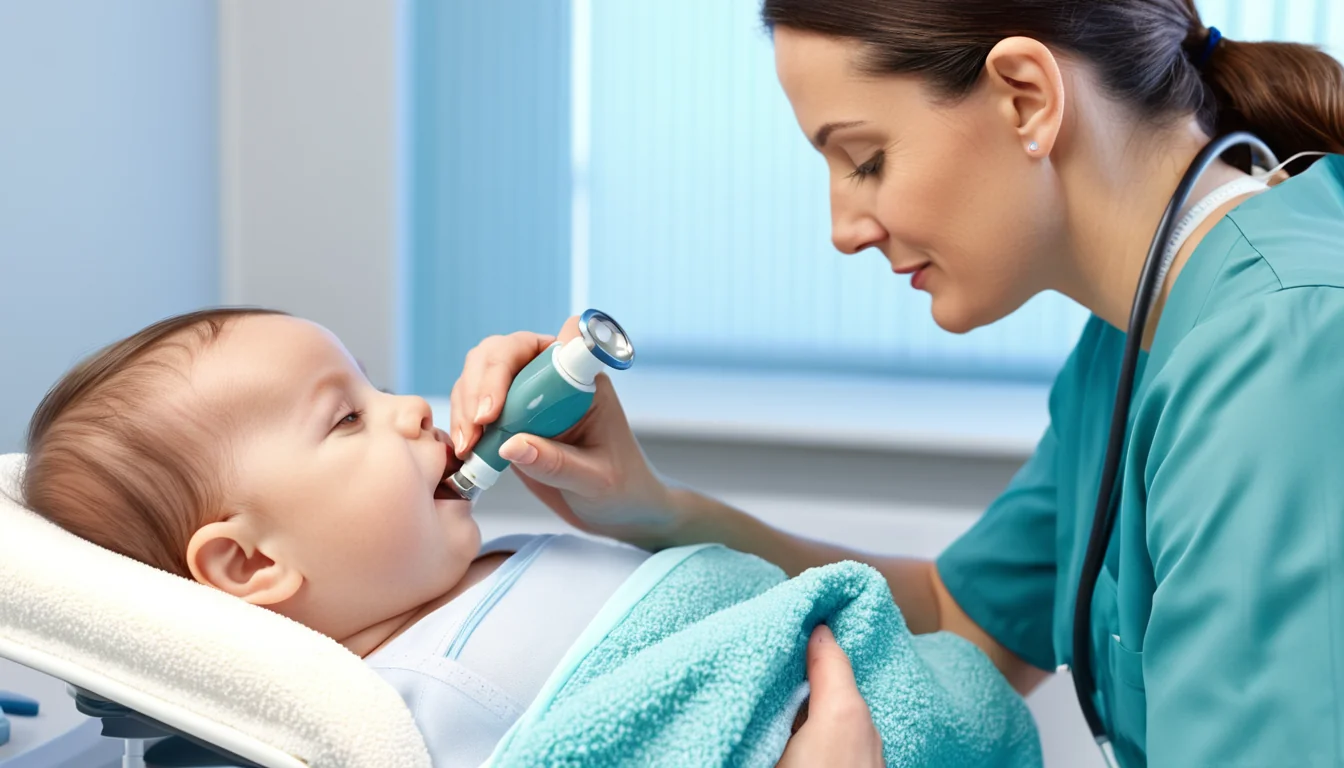
Bronchiolitis in babies is one of the most common respiratory infections affecting young children across Canada, especially during the fall and winter months. This condition targets the tiny airways deep in the lungs, called bronchioles, causing swelling and mucus build-up that makes it difficult for infants to breathe comfortably.
Understanding Bronchiolitis in Babies: Causes and Risk Factors
While most cases of RSV in infants and other viral causes of bronchiolitis are mild and can be safely managed at home, every Canadian parent should know the warning signs that require immediate medical attention. This guide explains what bronchiolitis is, what causes it, the symptoms to watch for, effective treatments, and practical steps you can take to help protect your child during peak respiratory illness season in Canada.
What Is Bronchiolitis?
| Symptom | Description | Severity Level | Recommended Action |
|---|---|---|---|
| Runny nose and mild cough | Clear nasal discharge and occasional cough, similar to a common cold; typically appears in the first 1–3 days | Mild | Monitor at home; use saline drops and a nasal aspirator to ease congestion |
| Wheezing | A high-pitched whistling sound when your baby breathes out, caused by narrowed or inflamed airways | Mild to Moderate | Contact your family doctor or visit a walk-in clinic for assessment |
| Rapid or laboured breathing | Breathing faster than 60 breaths per minute in infants, or visibly working harder to breathe with flared nostrils | Moderate to Severe | Seek prompt medical attention at an urgent care centre or emergency department |
| Chest retractions | Skin pulling in between or below the ribs with each breath, indicating the baby is struggling to get enough air | Severe | Go to the nearest emergency department immediately or call 911 |
| Poor feeding and decreased wet diapers | Baby is drinking significantly less than usual and producing fewer than 4 wet diapers in 24 hours, suggesting dehydration | Moderate to Severe | Contact your doctor or Health811 (Ontario) or 811 (most Canadian provinces) for guidance |
| Bluish tinge to lips or fingernails (cyanosis) | A blue or greyish colour around the mouth or fingertips indicating dangerously low oxygen levels | Emergency | Call 911 immediately — this is a medical emergency |
Bronchiolitis is an infection that causes swelling and mucus build-up in the small airways of the lungs. These airways, called bronchioles, carry air deep into the lung tissue. When they become inflamed, breathing becomes difficult and uncomfortable for your child.
This condition is very common in children under two years of age. In fact, it is one of the leading reasons Canadian parents visit walk-in clinics and emergency departments during the colder months. Children this age have not yet built up immunity — meaning their bodies have not learned to fight off — many common viruses.
Bronchiolitis spreads much like the flu. It passes through tiny droplets in the air and through contact with contaminated surfaces. Children in daycare or who have older siblings at school are exposed to more germs, which is why the infection is so common in young ones.
What Causes Bronchiolitis in Babies?
The most common cause of bronchiolitis is the respiratory syncytial virus, often called RSV. This virus is extremely widespread and almost every child will be exposed to it before their second birthday. However, several other viruses can also cause bronchiolitis, including the flu virus and rhinovirus, which is the virus behind the common cold.
RSV season in Canada typically runs from late fall through early spring, peaking in January and February. This timing lines up with when Canadian families spend more time indoors together, making it easier for the virus to spread from person to person.
According to Health Canada, respiratory viruses like RSV are responsible for a significant number of hospitalizations in infants each year. Premature babies and children with heart or lung conditions face a higher risk of serious illness.
Common Symptoms of Bronchiolitis
Bronchiolitis in babies often starts out looking like a regular cold. In the first day or two, you may notice a runny nose, mild cough, and a low fever. Most parents do not realize something more serious is developing at this stage.
Over the next few days, the symptoms can worsen. The most important signs to watch for include:
- Wheezing — a high-pitched whistling sound when your child breathes out
- Fast breathing — breathing that seems quicker than usual, even at rest
- Shallow breathing — short, rapid breaths that do not seem deep enough
- Runny nose and nasal congestion
- Mild fever — usually under 38.5°C
- Reduced feeding — your baby may not want to eat or drink as much
- Irritability — more fussy or difficult to settle than usual
Most symptoms last around three to four days at their worst. For most children, the illness fully clears up within one week. However, a cough can sometimes linger for two to three weeks after the main illness passes.
Symptoms in Premature Babies and High-Risk Children
If your child was born prematurely or has a known heart or lung condition, bronchiolitis can be more serious. These children should be seen by a doctor at the very first sign of any respiratory symptoms, even if they seem mild. Do not wait to see if it gets worse on its own.
When to See a Doctor for Bronchiolitis
Knowing when to seek help is one of the most important things a parent can do. Many cases of bronchiolitis in babies can be watched and managed carefully at home. However, some situations require prompt medical attention.
Visit your family doctor or a walk-in clinic if your child:
- Is breathing very fast or seems to be struggling to breathe
- Has skin that pulls in between the ribs with each breath — this is called chest retractions and it means your child is working very hard to breathe
- Has blue or grey colour around the lips or fingertips
- Is vomiting and cannot keep fluids down
- Seems very drowsy or difficult to wake up
- Is under three months of age and has any fever or breathing change
Call 911 or go to the nearest emergency department immediately if your child stops breathing, turns blue, or is unresponsive. These are emergencies that need immediate care.
If you are unsure whether your child needs to be seen, most provincial health plans in Canada offer a nurse advice line you can call any time of day or night. In Ontario, for example, you can call Health811. In British Columbia, you can call 811 for HealthLink BC. Check your province’s health authority website for the number in your area.
How Is Bronchiolitis Diagnosed?
Doctors diagnose bronchiolitis based on your child’s symptoms and a physical examination. Your doctor will listen to your child’s lungs, check their breathing rate, and look for signs of respiratory distress. No special lab tests are usually needed to confirm the diagnosis.
In most cases, testing for RSV specifically is not necessary. However, if your child is very unwell or needs to be admitted to hospital, doctors may take a nasal swab to confirm the virus. This helps guide treatment decisions, especially in high-risk infants.
According to the Mayo Clinic’s guide on bronchiolitis, chest X-rays and blood tests are generally reserved for children who are seriously ill or whose diagnosis is unclear.
Treatment for Bronchiolitis in Babies
There is no specific antiviral medicine that treats bronchiolitis caused by RSV. Treatment focuses on keeping your child comfortable and well-hydrated while their body fights off the virus on its own. Most children recover fully with supportive care at home.
Home Care Tips
Here is what you can do to help your child feel better:
- Give fluids often — offer breast milk, formula, or water frequently to prevent dehydration. Watch for signs of dehydration such as fewer wet diapers or a dry mouth.
- Use a cool-mist humidifier — adding moisture to the air may help ease congestion and make breathing more comfortable.
- Clear the nose gently — a bulb syringe or nasal aspirator can help remove mucus from a baby’s nose before feeding or sleeping.
- Keep your child upright when possible — holding your baby in an upright position can ease the work of breathing.
- Manage fever safely — if your child has a fever and is uncomfortable, acetaminophen (such as Tylenol) is safe and effective for children over two months. Always follow the dosage on the package based on your child’s weight.
Important: Do not give aspirin to children under 18 years of age. Aspirin has been linked to a rare but serious condition called Reye’s syndrome in children.
Antibiotics do not work against bronchiolitis because it is caused by a virus, not bacteria. Your doctor will not prescribe antibiotics unless there is a separate bacterial infection present as well.
Hospital Treatment
Some children, particularly premature babies or those with existing health conditions, may need to be admitted to hospital. In hospital, treatment may include oxygen therapy, IV fluids, and careful monitoring. Most children who are admitted recover well and go home within a few days.
How to Prevent Bronchiolitis
While you cannot always prevent your child from getting bronchiolitis, there are several practical steps you can take to reduce the risk significantly.
Good Hygiene Is Your Best Defence
Washing hands frequently is one of the most effective ways to stop the spread of RSV and other respiratory viruses. Wash your hands before touching your baby, after blowing your nose, and after being in public places. Encourage older children and visitors to do the same.
Wipe down commonly touched surfaces like doorknobs, toys, and changing tables regularly, especially during cold and flu season.
Limit Exposure During Peak Season
During RSV season — typically October through April in Canada — try to limit your baby’s contact with large groups of people, especially in enclosed spaces. If a sibling is sick with a cold or cough, try to keep them separated from the baby as much as possible. Keep sick children home from school or daycare until their cough has cleared.
Avoid Secondhand Smoke
Exposure to cigarette smoke irritates the lining of the nose, sinuses, and lungs. Children who live in homes where people smoke are significantly more likely to develop respiratory infections, including bronchiolitis. Keep all smoking away from your child, both indoors and in the car.
Palivizumab for High-Risk Infants
For babies at high risk of severe RSV illness — including premature infants and those with certain heart or lung conditions — a preventive medication called palivizumab (Synagis) may be recommended. This is given as a monthly injection during RSV season, from fall through to late spring. Your child’s paediatrician will advise whether your baby qualifies for this programme. Learn more about RSV prevention from the World Health Organization’s RSV fact sheet.
Frequently Asked Questions About Bronchiolitis
How long does bronchiolitis last in babies?
Most cases of bronchiolitis in babies last about one week from start to finish. The worst symptoms, such as wheezing and rapid breathing, typically peak around days two to four. A mild cough may linger for two to three weeks after the main illness has passed.
Is bronchiolitis the same as RSV?
Not exactly. RSV (respiratory syncytial virus) is the most common virus that causes bronchiolitis, but other viruses can cause it too. Bronchiolitis is the name for the illness, while RSV is the name of the virus most often responsible for that illness in babies and young children.
When should I take my baby to the hospital for bronchiolitis?
Take your baby to the emergency department right away if they are struggling to breathe, have bluish lips or fingertips, are very difficult to wake up, or have skin pulling in between the ribs with each breath. For concerns that are serious but not emergencies, a walk-in clinic or your family doctor can assess your child promptly.
Can breastfeeding help protect my baby from bronchiolitis?
Breastfeeding does offer some protection against respiratory infections because breast milk contains antibodies and immune factors from the mother. While breastfed babies can still develop bronchiolitis, research suggests they may experience less severe illness. Continuing to breastfeed during illness also helps keep your baby hydrated.
What is the difference between bronchiolitis and bronchitis?
Bronchiolitis affects the very small airways deep in the lungs and is most common in infants and babies under two years old. Bronchitis affects the larger airways, called bronchi, and is more commonly seen in older children and adults. Both cause cough and breathing discomfort, but bronchiolitis in babies tends to cause more significant breathing difficulty.
Can a baby get bronchiolitis more than once?
Yes, babies can get bronchiolitis more than once because it can be caused by several different viruses. Even after recovering from an RSV infection, a child can be reinfected in a future season. Each new infection may be milder as the child’s immune system builds up experience fighting these viruses over time.
Key Takeaways
- Bronchiolitis in babies is a common viral infection of the small airways in the lungs, most often caused by RSV.
- It is most common in children under two years old and peaks during fall and winter in Canada.
- Symptoms include runny nose, cough, fever, wheezing, and rapid or difficult breathing.
- Most cases resolve on their own within one week with rest, fluids, and careful home care.
- Acetaminophen can help manage fever and discomfort — never give aspirin to children.
- See a family doctor or walk-in clinic if your child is breathing very fast or struggling. Call 911 for any emergency breathing problems.
- Good handwashing, avoiding sick contacts, and keeping smoke away from children are the best ways to prevent bronchiolitis.
- High-risk infants may be eligible for monthly palivizumab injections through their paediatrician’s programme.
According to Government of Canada guidance on RSV and respiratory infections, this information is supported by current medical research.
For more information, read our guide on pregnancy fatigue and how it affects infant health.
This article is for general information only and does not replace professional medical advice. Always speak with your family doctor, paediatrician, or a qualified healthcare provider if you have concerns about your child’s health.
Frequently Asked Questions
What is bronchiolitis in babies?
Bronchiolitis in babies is a common viral respiratory infection that causes inflammation and mucus buildup in the small airways (bronchioles) of the lungs. It most often affects infants under 12 months and is typically caused by respiratory syncytial virus (RSV). It peaks during fall and winter months across Canada.
What are the symptoms of bronchiolitis in babies?
Common symptoms include runny nose, mild fever, persistent cough, rapid or laboured breathing, and wheezing. As the illness progresses, babies may show chest retractions, flaring nostrils, poor feeding, and unusual fatigue. Symptoms typically worsen around days 3 to 5 before gradually improving over 1 to 2 weeks.
How is bronchiolitis in babies treated at home?
Most cases are managed at home with supportive care. Keep your baby hydrated with frequent small feedings, use a cool-mist humidifier, and use saline nasal drops to ease congestion. Avoid exposing your baby to cigarette smoke. Antibiotics are ineffective since bronchiolitis is viral. Always follow guidance from your Canadian healthcare provider.
When should I take my baby to the hospital for bronchiolitis?
Seek emergency care immediately if your baby has bluish lips or fingernails, severe difficulty breathing, long pauses in breathing, is unable to feed, appears extremely lethargic, or shows deep chest retractions. Premature babies and those with heart or lung conditions face higher risk and should be assessed by a doctor sooner.
Can bronchiolitis in babies be prevented?
While there is no vaccine for RSV in Canada for most infants, prevention focuses on good hygiene. Wash hands frequently, avoid contact with sick individuals, and do not smoke around your baby. High-risk infants may qualify for palivizumab (Synagis) injections — speak with your pediatrician to determine if your baby is eligible.

About the Author
Dr. Linda Chen, RD, PhDDr. Linda Chen is a registered dietitian and PhD in Nutritional Sciences from the University of British Columbia. With expertise in clinical nutrition, sports dietetics, and gut health, she has worked with leading Canadian hospitals and sports organizations. Dr. Chen is a member of Dietitians of Canada and regularly contributes to national nutrition policy discussions.
View all articles →