
Ludwig’s Angina: Causes, Symptoms & Treatment Canada

Share
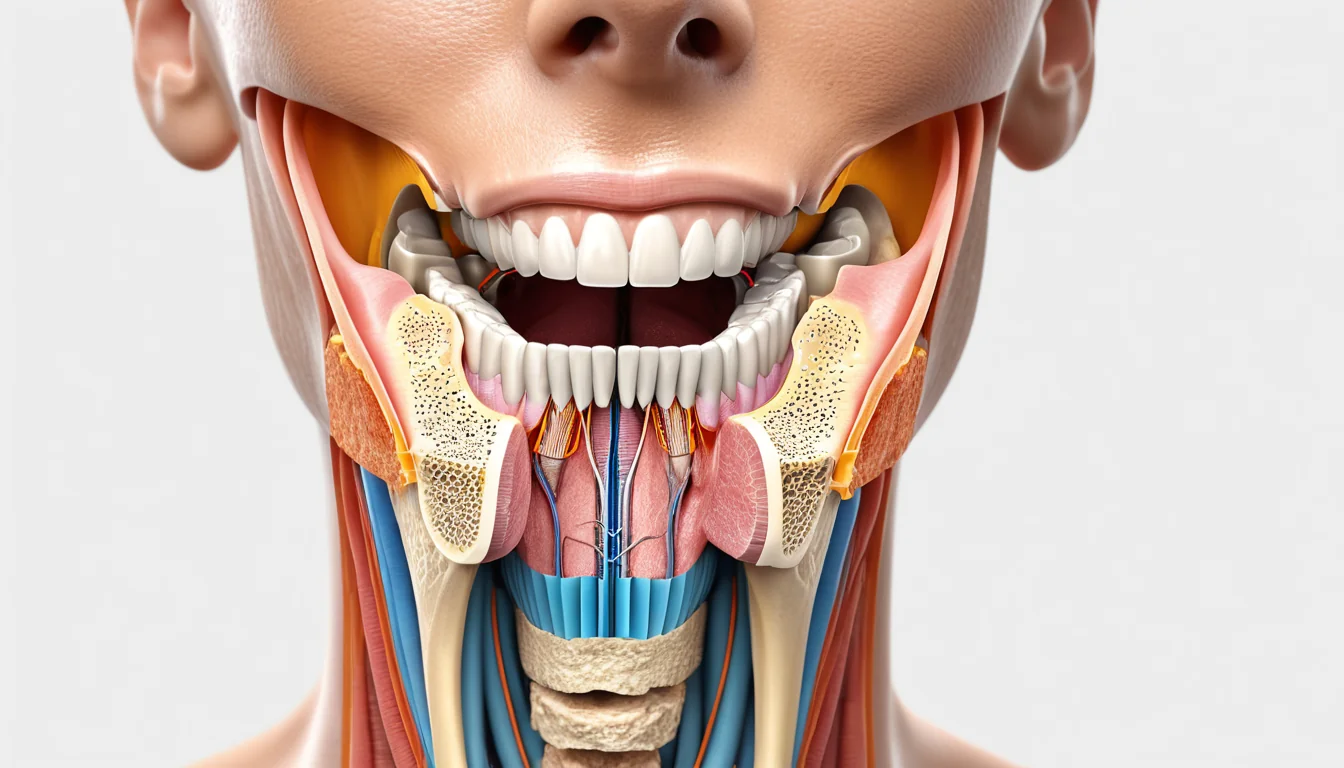
Ludwig’s angina is a serious and potentially life-threatening bacterial infection that affects the soft tissue underneath the tongue, known as the floor of the mouth. It can spread rapidly, causing severe swelling that may block the airway and turn into a medical emergency. Although rare, this condition requires immediate attention and is considered one of the most dangerous oral infections.
What Causes Ludwig’s Angina and Who Is at Risk?
In most cases, Ludwig’s angina develops from a dental abscess infection spread, particularly from the lower molars. Canadians should be aware of the warning signs, as early diagnosis and prompt treatment in a Canadian emergency department can be the difference between a full recovery and a fatal outcome. This article explains the causes, symptoms, and treatment options available in Canada.
What Is Ludwig’s Angina?
| Symptom | Description | Severity |
|---|---|---|
| Submandibular Swelling | Rapid, firm swelling beneath the jaw and floor of the mouth, often bilateral, causing visible neck enlargement | Severe — hallmark sign requiring immediate emergency care |
| Difficulty Swallowing (Dysphagia) | Painful or impossible swallowing due to swollen tissues pressing on the throat and esophagus | Severe — increases risk of aspiration and airway compromise |
| Airway Obstruction | Progressive swelling elevates the tongue and narrows the airway, causing stridor, drooling, and breathing difficulty | Life-threatening — primary cause of death in Ludwig’s angina |
| Fever and Chills | High-grade fever (often above 38.5°C) with chills indicating systemic bacterial infection and possible sepsis | Moderate to Severe — signals spreading infection requiring urgent IV antibiotics |
| Trismus (Lockjaw) | Restricted jaw opening due to inflammation of the masticator space, making assessment and intubation more difficult | Moderate to Severe — complicates airway management in emergency settings |
| Tooth Pain and Dental Tenderness | Pain originating from an infected lower molar (most commonly the second or third molar), the typical source of Ludwig’s angina | Mild to Moderate — early warning sign often preceding dangerous swelling |
Ludwig’s angina is sometimes called a submandibular or sublingual space infection. It is a type of cellulitis, meaning it affects the soft tissues of the mouth and neck. The infection spreads fast and can cause severe swelling that blocks normal breathing.
Despite sharing the word “angina” with angina pectoris (chest pain from heart disease), the two conditions are completely different. The word “angina” comes from Greek and means “strangulation.” In Ludwig’s angina, it describes the suffocating feeling caused by extreme swelling in the throat and neck area.
Before antibiotics were available, Ludwig’s angina had a mortality rate above 50%. Today, with better diagnostic tools and treatments, that rate has dropped to around 8%. However, it remains a dangerous condition that should never be ignored.
What Causes Ludwig’s Angina?
In most cases, Ludwig’s angina starts with a dental infection. Dental problems account for roughly 90% of all cases. The infection typically begins near the second or third lower molars, whose roots sit close to the floor of the mouth.
Because of this location, a dental abscess can spread directly into the submandibular space. From there, the infection can travel into surrounding areas, including the throat and airway passages. This is what makes Ludwig’s angina so dangerous.
Common Bacteria Involved
Ludwig’s angina is usually caused by a mix of bacteria — a condition doctors call a polymicrobial infection. The most common bacteria involved include Streptococcus, Staphylococcus, and Bacteroides species. However, in people with weakened immune systems, less common organisms such as Pseudomonas, E. coli, Klebsiella, and Candida may also be responsible.
Other Causes
The remaining 10% of cases can result from jaw fractures, neck trauma, salivary gland infections (sialoadenitis), tumours, or infections near the throat. In these cases, the infection still spreads through the same soft tissue spaces.
Who Is Most at Risk?
Most people who develop Ludwig’s angina are otherwise healthy adults. However, certain conditions raise the risk significantly. These include:
- Diabetes — affects the body’s ability to fight infection
- Alcohol use disorder — weakens the immune system
- HIV infection — reduces immune defence
- Organ transplant recipients — immunosuppressive medications lower resistance
- Lupus erythematosus — an autoimmune condition
- Aplastic anaemia — affects blood cell production
- Neutropenia — a low white blood cell count
- Acute glomerulonephritis — a kidney condition
- Dermatomyositis — an inflammatory muscle disease
Ludwig’s angina is extremely rare in children. It is diagnosed almost exclusively in adults. For people managing diabetes or another immune-related condition, maintaining good oral hygiene is especially important.
Recognising the Symptoms of Ludwig’s Angina
Ludwig’s angina can develop very quickly — sometimes within hours. Recognising the symptoms early can be life-saving. If you or someone you know shows these signs after a dental problem or mouth injury, seek emergency care immediately.
Main Symptoms
- Swelling of the neck and jaw — often the first visible sign
- Pain when moving the tongue
- Fever — a sign the body is fighting infection
- Difficulty swallowing (dysphagia)
- Difficulty breathing (dyspnoea), noisy breathing (stridor), or rapid breathing — these respiratory symptoms appear in fewer than one-third of patients but signal a serious emergency
- Confusion or changes in mental alertness
- General feeling of illness and weakness (malaise)
Additional Symptoms
Some people also experience ear pain, a change in voice quality (dysphonia), difficulty speaking clearly (dysarthria), or excessive drooling. These symptoms suggest the infection is spreading and affecting nearby structures.
Over 95% of patients show visible swelling and redness of the neck and jaw area on physical examination. The tongue may also appear swollen and pushed upward or to one side.
How Is Ludwig’s Angina Diagnosed?
Ludwig’s angina is primarily a clinical diagnosis — meaning a doctor identifies it based on your symptoms and a physical examination. However, additional tests help confirm the diagnosis and guide treatment.
Your doctor will ask about recent dental problems, injuries to the jaw or neck, and any existing health conditions. This history is an important part of making the correct diagnosis quickly.
Physical Examination Findings
During the exam, a doctor will look for swelling, redness, warmth, and tenderness in the neck and jaw. The tongue may appear elevated and enlarged. Breathing difficulties during the exam are taken very seriously.
Diagnostic Tests
A CT scan (computed tomography) is the most useful imaging tool. It shows exactly how far the infection has spread through the soft tissues. This helps the medical team plan the safest treatment approach.
Doctors will also take fluid samples from the infected area for microbiological culture. These cultures identify the specific bacteria causing the infection. An antibiotic sensitivity test (antibiogram) is then done to choose the most effective antibiotic.
Treatment for Ludwig’s Angina
Ludwig’s angina is a medical emergency. Treatment must begin immediately in a hospital setting — this is not something a family doctor or walk-in clinic can manage alone. If you suspect Ludwig’s angina, call 911 or go to your nearest emergency department right away.
Protecting the Airway First
The most urgent priority is making sure the person can breathe. Severe swelling can close off the airway very quickly. In these situations, the medical team may need to use one of the following:
- Intubation — placing a breathing tube through the mouth or nose
- Tracheostomy — a surgical opening in the neck to create an airway
- Assisted ventilation — supporting breathing with a machine
These are emergency measures used to prevent life-threatening complications. The medical team will choose the most appropriate option based on how severe the swelling is.
Antibiotic Therapy
Once the airway is secure, the main treatment is intravenous (IV) antibiotics given in hospital. The choice of antibiotic is guided by the culture and sensitivity results. Antibiotic stewardship in Canada means doctors choose the right antibiotic for the specific bacteria identified, which leads to better outcomes and reduces resistance.
Because Ludwig’s angina often involves multiple types of bacteria, broad-spectrum antibiotics are usually started right away while waiting for lab results. The antibiotic plan may be adjusted once the specific organisms are identified.
Surgical Drainage
If pus has collected in the infected area, a surgeon may need to drain it. This involves making a small incision to release the infected fluid. Drainage reduces pressure, removes the source of the infection, and allows the antibiotics to work more effectively.
For more information on how serious infections are managed, see this overview of Ludwig’s angina from Healthline.
When to See a Doctor
If you have any swelling in your jaw or neck after a dental procedure, tooth pain, or mouth injury, do not wait to see if it improves on its own. Ludwig’s angina can go from mild to life-threatening within hours.
Go to the nearest emergency department immediately if you notice any of the following:
- Rapid swelling of the neck or floor of the mouth
- Difficulty breathing or swallowing
- Your tongue appears swollen or pushed upward
- You have a high fever along with jaw or neck swelling
- You feel confused or extremely unwell
For non-emergency dental concerns — such as a tooth abscess that is not causing swelling or breathing difficulty — contact your family doctor or visit a walk-in clinic. Many provincial health plans in Canada cover emergency dental extractions when there is an active infection. Ask your family doctor or nurse practitioner to refer you to a dentist or oral surgeon if needed.
People with diabetes, HIV, or other immune conditions should be especially vigilant. Regular dental check-ups are an important part of staying healthy. Preventing dental infections is always better than treating a serious complication.
Frequently Asked Questions
What is Ludwig’s angina and is it related to heart disease?
Ludwig’s angina is a serious bacterial infection of the floor of the mouth and neck — it has nothing to do with heart disease. The name comes from the Greek word for “strangulation,” referring to the severe throat swelling it causes. Ludwig’s angina and cardiac angina (chest pain) are completely separate conditions.
How does a dental abscess lead to Ludwig’s angina?
A dental abscess in the lower back molars sits very close to the floor of the mouth. If the infection is not treated, bacteria can spread directly into the soft tissues beneath the jaw and tongue. This rapid spread of infection is what causes Ludwig’s angina to develop from what may seem like a routine dental problem.
Is Ludwig’s angina contagious?
Ludwig’s angina itself is not contagious — you cannot catch it from another person. It develops when bacteria already present in the mouth (often from a dental infection) spread into the surrounding tissues. However, basic hygiene and avoiding close contact with someone’s infected wound is always a good practice.
Can Ludwig’s angina be treated with oral antibiotics at home?
No — Ludwig’s angina requires emergency hospital treatment with intravenous antibiotics and close monitoring. Because the infection can block the airway within hours, home treatment is not safe or appropriate. If you suspect Ludwig’s angina, go to your nearest emergency department immediately.
Does diabetes increase the risk of Ludwig’s angina?
Yes, diabetes is one of the most significant risk factors for Ludwig’s angina. High blood sugar levels impair the immune system’s ability to fight bacterial infections. Canadians living with diabetes should maintain regular dental care and report any signs of mouth or jaw infection to their doctor or dentist promptly.
How can I prevent Ludwig’s angina?
The best way to prevent Ludwig’s angina is to maintain good oral hygiene and get dental infections treated early. Brush and floss daily, see a dentist regularly, and never ignore a tooth abscess or persistent mouth pain. If you have a condition like diabetes that raises your risk, talk to your family doctor about extra precautions.
Key Takeaways
- Ludwig’s angina is a fast-spreading bacterial infection of the floor of the mouth and neck.
- It is most often caused by an untreated dental abscess in the lower back molars.
- Key warning signs include neck swelling, difficulty swallowing, breathing problems, and fever.
- It is a medical emergency — go to the emergency department immediately if you suspect it.
- Treatment includes IV antibiotics, airway protection, and sometimes surgical drainage in hospital.
- People with diabetes, HIV, or weakened immune systems face a higher risk and should prioritise dental health.
- With prompt treatment, most people recover fully — but delays can be fatal.
- Always consult your doctor or dentist if you have concerns about a dental infection or unusual swelling in your jaw or neck.
According to Mayo Clinic’s guide to dental abscesses and complications, this information is supported by current medical research.
For more information, read our guide on MRSA and serious bacterial infections in Canada.
This article is for informational purposes only and does not replace professional medical advice. If you are experiencing symptoms of Ludwig’s angina or any serious infection, please seek emergency medical care immediately or speak with a qualified healthcare provider.
Frequently Asked Questions
What is Ludwig’s angina?
Ludwig’s angina is a serious, rapidly spreading bacterial infection of the floor of the mouth and neck. It typically originates from an infected tooth, particularly a lower molar. The infection causes dangerous swelling that can block the airway, making it a life-threatening medical emergency requiring immediate hospital treatment.
What are the symptoms of Ludwig’s angina?
Symptoms include severe swelling under the jaw and neck, intense tooth or mouth pain, difficulty swallowing or breathing, drooling, fever, and a raised or displaced tongue. The neck may feel hard and wooden to the touch. Symptoms worsen rapidly, and breathing difficulty signals an immediate airway emergency.
How is Ludwig’s angina treated in Canada?
Treatment requires emergency hospitalization, intravenous antibiotics, and securing the airway, sometimes through intubation or a tracheostomy. Surgeons may perform incision and drainage to remove infected tissue. Most Canadian hospitals treat this in an ICU setting. Early intervention is critical to prevent fatal airway obstruction or the spread of infection.
Can Ludwig’s angina be prevented?
Yes, in most cases Ludwig’s angina is preventable. Regular dental checkups, prompt treatment of tooth decay and abscesses, and good oral hygiene significantly reduce risk. Canadians with diabetes or weakened immune systems face higher risk and should prioritize dental care, as untreated dental infections are the leading cause of this condition.
When should you go to the emergency room for Ludwig’s angina?
Seek emergency care immediately if you experience rapidly worsening jaw or neck swelling, difficulty breathing, trouble swallowing, a high fever, or a raised tongue following a dental infection or tooth pain. Ludwig’s angina progresses within hours and can become fatal. Do not wait for a regular doctor’s appointment — call 911 or go to your nearest ER.

About the Author
Dr. James Okafor, MD, PhDDr. James Okafor holds an MD and PhD in Neurological Sciences from McGill University. With 12 years of experience in clinical neurology and mental health research, he has contributed to landmark studies on depression, anxiety, and cognitive health. Dr. Okafor is a Fellow of the Royal College of Physicians and Surgeons of Canada and serves on the editorial board of two peer-reviewed journals.
View all articles →