
Low Back Surgery: Conditions & Procedures in Canada

Share
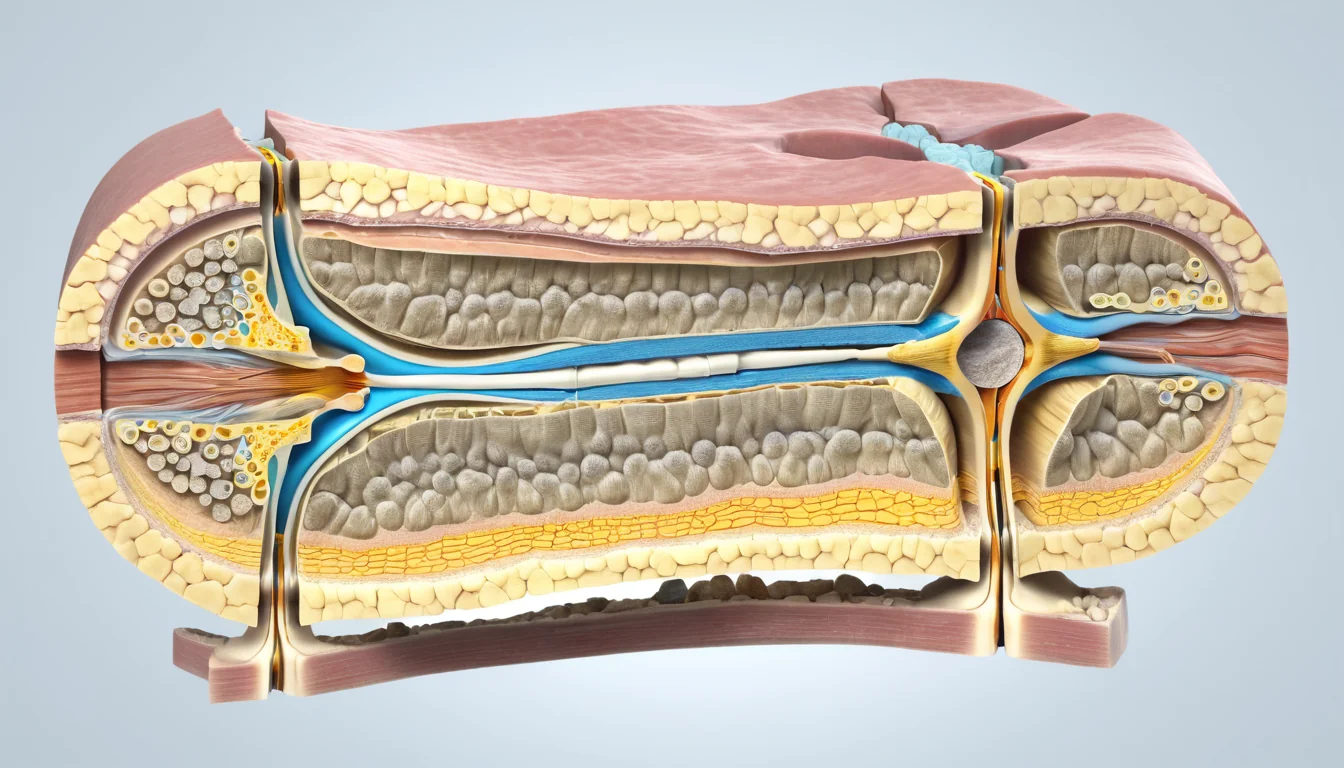
Low back surgery is not usually the first treatment option your doctor will recommend, but for many Canadians dealing with chronic pain, it can become the most effective path to lasting relief. This guide explains which conditions may lead to low back surgery, what the most common procedures involve, and how to know when it is time to consult your family doctor or visit a walk-in clinic.
Who Needs Low Back Surgery in Canada?
Millions of Canadians live with lumbar spine issues that affect their mobility and quality of life. When conservative treatments such as physiotherapy, medication, and lifestyle changes fail to provide adequate relief, herniated disc surgery, laminectomy, spinal fusion, or other procedures may be considered. Understanding your options is the first step toward making an informed decision about your spinal health.
What Is Low Back Surgery?
| Procedure Type | Conditions Treated | Key Characteristics | Typical Recovery Time |
|---|---|---|---|
| Microdiscectomy | Herniated disc, sciatica, nerve root compression | Minimally invasive; small incision; removes portion of damaged disc pressing on nerve; performed under general anesthesia | 4–6 weeks before returning to light activity; 3–6 months for full recovery |
| Spinal Fusion (Lumbar) | Degenerative disc disease, spondylolisthesis, spinal instability | Joins two or more vertebrae permanently; may use bone graft, rods, or screws; reduces motion at affected segment | 3–6 months before returning to most activities; up to 12 months for complete healing |
| Laminectomy / Decompression | Spinal stenosis, neurogenic claudication, cauda equina syndrome | Removes part or all of the lamina to relieve pressure on spinal cord or nerves; often performed in older adults | 6–12 weeks for light activity; 3–4 months for more strenuous tasks |
| Artificial Disc Replacement | Single-level degenerative disc disease unresponsive to conservative care | Replaces damaged disc with prosthetic implant; preserves spinal motion; not suitable for all patients | 6–8 weeks before returning to light work; 4–6 months for full activity |
| Foraminotomy | Foraminal stenosis, nerve root compression, radiculopathy | Enlarges the foramen (nerve exit opening) to relieve nerve impingement; can be performed minimally invasively | 2–4 weeks for light activity; 2–3 months for full recovery |
Low back surgery refers to any surgical procedure performed on the lumbar spine — the lower portion of your back. It covers the area from just below your ribs to the top of your pelvis. This region carries most of your body weight and is under constant stress.
In most cases, surgery is considered only after other treatments have failed. These may include physiotherapy, medication, and lifestyle changes. However, in a small number of cases, surgery may be the first recommended option — for example, when there is a serious risk of nerve damage.
According to Health Canada, musculoskeletal conditions like chronic low back pain are among the leading causes of disability in Canada. Understanding your options can help you make informed decisions with your care team.
Who Needs Low Back Surgery?
Most people who need low back surgery fall into one of two groups. The first group experiences both low back pain and sciatica — pain that travels down one or both legs along the path of the sciatic nerve. The second group has low back pain only, without any leg pain or nerve involvement.
Surgery tends to give more predictable results in the first group. When a nerve is compressed and causing leg pain, relieving that pressure often brings clear improvement. For those with isolated back pain alone, outcomes can be less certain, and your doctor will weigh the risks and benefits carefully.
Common Diagnoses That May Lead to Surgery
Several specific spinal conditions are most likely to lead a Canadian specialist to recommend low back surgery. Each one affects the spine in a different way, but all can cause significant pain and loss of function.
Conditions That May Require Low Back Surgery
Herniated Disc
A herniated disc — sometimes called a slipped or ruptured disc — happens when the tough outer shell of a spinal disc tears. The soft, gel-like interior then pushes outward and presses on nearby nerves. This pressure is what causes the sharp, radiating pain known as sciatica.
The pain often travels from the lower back down through the buttock and into the leg or foot. In addition, you may feel numbness, tingling, or weakness in the affected leg. For more detail on this condition, visit the Mayo Clinic’s guide to herniated discs.
Spinal Stenosis
Spinal stenosis means the spinal canal — the bony tunnel that protects your spinal cord and nerves — has become too narrow. This narrowing is most often caused by bone overgrowth linked to osteoarthritis (wear-and-tear arthritis of the spine).
As a result, the nerves inside the canal get squeezed. This can cause low back pain, tingling or numbness in the legs, and in serious cases, loss of bladder or bowel control. People with spinal stenosis often find it difficult to walk any distance without stopping to rest.
Spondylolisthesis
Spondylolisthesis occurs when one vertebra slips forward over the one below it. As the spine tries to stabilise itself, the joints around the shifted vertebra enlarge. This enlargement squeezes the nerve roots where they exit the spine.
Therefore, patients with this condition often feel both low back pain and sciatica-like pain running down the leg. It can develop gradually over time, especially in older adults, or follow an injury.
Vertebral Fractures
Fractures in the lumbar spine can happen after a traumatic injury, such as a car accident or a fall. They can also occur when bones weakened by osteoporosis simply collapse under normal stress. Both types can compress spinal nerve roots, leading to significant low back and leg pain.
Osteoporosis-related fractures are increasingly common among older Canadians, particularly postmenopausal women. If you have been diagnosed with osteoporosis, talk to your family doctor about protecting your spine.
Common Low Back Surgery Procedures
Once your specialist confirms that low back surgery is appropriate, the next step is choosing the right procedure. The type of surgery depends on your specific diagnosis and overall health. Here are the most commonly performed procedures in Canada.
Laminectomy and Discectomy (for Herniated Disc)
In a laminectomy combined with a discectomy, the surgeon removes part of the bony arch at the back of the affected vertebra, along with a small section of ligament. This creates space to access and remove the herniated portion of the disc. As a result, pressure on the spinal cord and nerve roots is relieved.
This procedure requires a hospital stay and is followed by a structured physiotherapy programme. Most patients notice significant improvement in leg pain shortly after surgery.
Microdiscectomy (for Herniated Disc)
A microdiscectomy achieves the same goal as a standard discectomy, but through a much smaller incision. The surgeon uses a special microscope to locate and remove the herniated disc material with precision. Because the incision is smaller, scarring is reduced and post-operative pain is often less intense.
However, the recovery time is generally similar to that of a traditional discectomy. Your care team will guide you through the rehabilitation process step by step.
Laser Surgery (for Herniated Disc)
Laser spine surgery is a newer technique in which the surgeon inserts a needle into the affected disc and uses laser pulses to vaporise a small amount of disc tissue. This reduces pressure inside the disc and, in turn, eases the compression on surrounding nerves.
Pain relief from this procedure is not immediate. Most patients return to daily activities within three to five days, but full pain reduction may take several weeks or months. It is important to note that there is ongoing debate in the medical community about how effective laser spine surgery truly is. Discuss this option thoroughly with your specialist.
Laminectomy (for Spinal Stenosis)
When spinal stenosis compresses nerve roots and causes pain or numbness, surgeons often perform a laminectomy to widen the spinal canal. The procedure involves a larger incision than a microdiscectomy. The surgeon removes portions of bone overgrowth and thickened ligaments that are narrowing the canal.
This is a more involved operation. It requires a hospital stay, and most patients need a dedicated physiotherapy programme afterward to rebuild strength and mobility in the lower back.
Spinal Fusion (for Spondylolisthesis and Fractures)
Spinal fusion is often used alongside a laminectomy when a vertebra has slipped out of position or a fracture has made the spine unstable. In this procedure, the surgeon permanently joins two or more vertebrae together using bone grafts, screws, and metal rods. The bone graft material may come from your own hip or pelvis, or from a donor source.
Fusion prevents further movement between the affected vertebrae and stops the source of instability. Recovery takes longer than with other procedures and involves physiotherapy over several months. Furthermore, fusion changes the mechanics of your spine, so your specialist will make sure the benefits outweigh the drawbacks for your specific situation.
When to See a Doctor
You should speak with your family doctor if your low back pain is constant, getting worse, or interfering with your sleep, work, or daily activities. Do not wait until the pain becomes unbearable. Early assessment gives you more options.
Visit a walk-in clinic right away — or call 911 — if you experience any of the following warning signs alongside back pain:
- Sudden loss of bladder or bowel control
- Severe weakness or numbness in both legs
- Back pain following a fall or accident
- Pain that wakes you from sleep with fever or unexplained weight loss
Your family doctor can refer you to a spine specialist or orthopaedic surgeon if needed. Most provincial health plans in Canada cover a specialist referral when it is medically necessary. If you are unsure about your coverage, contact your provincial health authority for guidance.
For a broader overview of back pain management, the Healthline guide to back pain is a reliable starting point for patient education.
Frequently Asked Questions About Low Back Surgery
How do I know if I need low back surgery?
Low back surgery is usually considered when pain has not improved after several months of non-surgical treatment such as physiotherapy, medication, or injections. Your family doctor or spine specialist will assess your symptoms, imaging results, and overall health before recommending surgery. Signs that surgery may be needed sooner include loss of bladder or bowel control, or rapidly worsening weakness in the legs.
Is low back surgery covered by provincial health plans in Canada?
Yes, medically necessary low back surgery is generally covered under provincial and territorial health insurance plans across Canada. Coverage includes the surgeon’s fees, hospital stay, and anaesthesia. However, some rehabilitation services or private room upgrades may require supplemental insurance, so it is worth checking with your provincial health authority.
What is the recovery time after low back surgery?
Recovery time varies depending on the type of low back surgery performed. A microdiscectomy may allow you to return to light activity within a few weeks, while spinal fusion can require several months of rehabilitation. Your surgical team will provide a personalised recovery plan, which usually includes a physiotherapy programme.
What are the risks of low back surgery?
Like any surgery, low back surgery carries risks including infection, bleeding, blood clots, and reactions to anaesthesia. There is also a small risk of nerve damage or that the surgery does not fully relieve the pain. Discussing these risks honestly with your spine specialist will help you make the best decision for your situation.
Can a herniated disc heal without low back surgery?
Many herniated discs do improve without surgery, especially with rest, physiotherapy, and anti-inflammatory medication. Most Canadian spine specialists recommend trying conservative treatment for at least six to twelve weeks before considering low back surgery. However, if you have severe neurological symptoms — such as leg weakness or loss of bladder control — surgery may be recommended sooner.
What is the difference between a laminectomy and a discectomy?
According to Health Canada’s guidelines on musculoskeletal conditions, this information is supported by current medical research.
For more information, read our guide on learn about other health conditions affecting Canadians.
A laminectomy removes part of the vertebra’s bony arch to create more space in the spinal canal, and is often used to treat spinal stenosis. A discectomy removes the damaged portion of a spinal disc that is pressing on a nerve, and is most commonly used for a herniated disc. In many cases, both procedures are performed together during the same low back surgery.
Key Takeaways
- Low back surgery is typically a last resort after other treatments have not worked.
- The most common conditions leading to surgery are herniated disc, spinal stenosis, spondylolisthesis, and vertebral fractures.
- Common procedures include laminectomy, discectomy, microdiscectomy, laser surgery, and spinal fusion — each suited to a different condition.
- Surgery tends to have more predictable results when sciatica (leg pain from nerve compression) is present.
- Emergency symptoms — such as loss of bladder or bowel control — require immediate medical attention.
- Talk to your family doctor or visit a walk-in clinic if back pain is affecting your daily life. A specialist referral is available through your provincial health plan when medically necessary.
- Always consult a qualified healthcare provider before making any decisions about spine surgery. This article is for informational purposes only and does not replace professional medical advice.
Frequently Asked Questions
What is low back surgery and when is it necessary?
Low back surgery is a medical procedure that repairs structural problems in the lumbar spine, such as herniated discs, spinal stenosis, or spondylolisthesis. It becomes necessary when conservative treatments like physiotherapy, medications, and injections fail to relieve pain after several months, or when neurological symptoms like leg weakness or bladder dysfunction appear.
What are the symptoms that may lead to low back surgery in Canada?
Symptoms that may require low back surgery include persistent lower back pain radiating down one or both legs, numbness or tingling in the legs or feet, progressive muscle weakness, difficulty walking, and loss of bladder or bowel control. These symptoms often indicate nerve compression requiring surgical evaluation from a spine specialist.
How long does recovery take after low back surgery?
Recovery after low back surgery typically ranges from six weeks to six months, depending on the procedure performed. Minimally invasive procedures like microdiscectomy allow patients to return to light activity within two to four weeks, while spinal fusion recovery can take three to six months before resuming normal daily activities.
Can low back pain be prevented without surgery?
Yes, many cases of low back pain can be prevented or managed without surgery. Regular core-strengthening exercises, maintaining a healthy weight, practising proper posture, using ergonomic workstations, and avoiding prolonged sitting significantly reduce spinal stress. Physiotherapy and lifestyle modifications successfully treat most low back conditions before surgical intervention becomes necessary.
When should I see a doctor about low back pain in Canada?
See a doctor immediately if low back pain follows trauma, is accompanied by fever, unexplained weight loss, or causes bladder and bowel dysfunction. Seek medical attention if pain persists beyond four to six weeks despite rest, worsens progressively, or causes leg numbness and weakness. These warning signs require prompt professional evaluation.

About the Author
Dr. Sarah Mitchell, MDDr. Sarah Mitchell is a board-certified family physician with over 15 years of clinical experience. She completed her MD at the University of Toronto and her residency at Toronto General Hospital. Dr. Mitchell specializes in preventive medicine and chronic disease management. She is a member of the College of Family Physicians of Canada (CFPC) and has published over 30 peer-reviewed articles on preventive health care.
View all articles →