
Physiotherapy Canada: Conditions, Benefits & What to Expect

Share
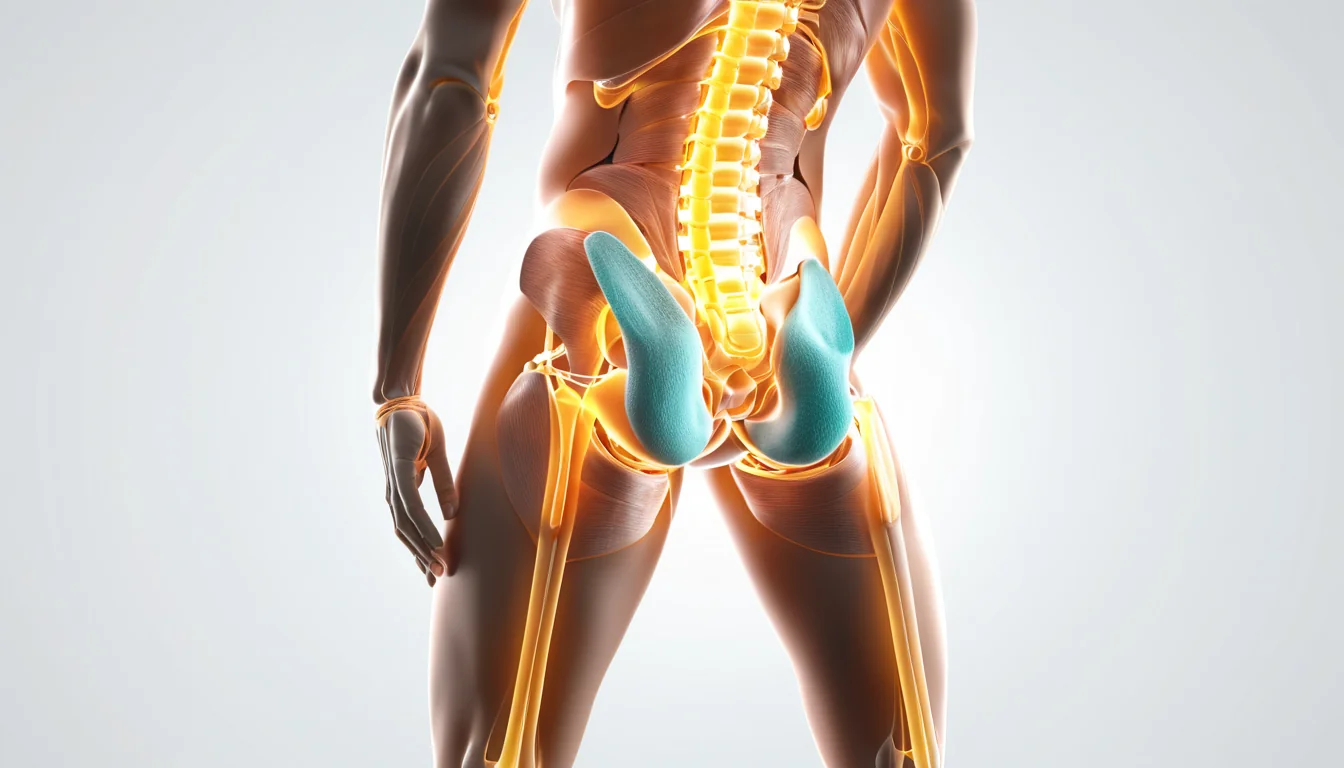
Physiotherapy Canada ranks among the most effective and widely accessible tools in modern rehabilitation medicine, helping millions of Canadians restore movement and manage pain every year. It uses guided movement, therapeutic exercise, and hands-on techniques to recover function lost due to injury, illness, or surgery. Available through private clinics, hospital programmes, and in some cases covered under provincial health plans, physiotherapy plays a central role in the Canadian healthcare system.
How Physiotherapy Canada Helps Treat Common Medical Conditions
Understanding what does a physiotherapist do and which conditions respond best to treatment can help you make informed decisions about your care. Whether you are recovering from orthopaedic surgery, managing chronic back pain, or seeking preventive strategies, a registered physiotherapist designs a programme tailored to your specific needs and goals. This article explains the types of physiotherapy available in Canada, the medical conditions that benefit most, and exactly what to expect during your treatment programme.
What Is Physiotherapy?
| Condition Type | Common Characteristics | Typical Physiotherapy Interventions | Expected Recovery Timeline |
|---|---|---|---|
| Musculoskeletal Injuries (e.g., sprains, strains) | Pain, swelling, reduced range of motion, muscle weakness following injury or overuse | Manual therapy, therapeutic exercise, ultrasound, taping techniques | 4–8 weeks for mild to moderate injuries; up to 6 months for severe cases |
| Post-Surgical Rehabilitation | Surgical scarring, joint stiffness, muscle atrophy, limited functional movement | Progressive strengthening, scar tissue mobilization, gait retraining, hydrotherapy | 3–12 months depending on procedure (e.g., knee replacement, rotator cuff repair) |
| Neurological Conditions (e.g., stroke, MS) | Impaired balance, muscle spasticity, coordination deficits, partial paralysis | Neurodevelopmental therapy, balance training, functional electrical stimulation | Ongoing; improvements seen over months to years with consistent treatment |
| Chronic Pain Conditions (e.g., fibromyalgia, arthritis) | Persistent widespread pain, fatigue, joint inflammation, reduced daily function | Pain education, low-impact aerobic exercise, joint protection strategies, TENS | Long-term management; symptom relief typically within 6–12 weeks of consistent therapy |
| Cardiorespiratory Conditions (e.g., COPD, post-cardiac event) | Shortness of breath, reduced exercise tolerance, chest tightness, fatigue | Breathing exercises, pulmonary rehabilitation, graded cardiovascular conditioning | 8–12 weeks of structured rehabilitation; ongoing maintenance recommended |
Physiotherapy — sometimes called physical therapy — is a branch of rehabilitation medicine. It focuses on restoring physical function through structured movement and exercise. A registered physiotherapist designs a programme tailored to your specific condition and goals.
At its core, physiotherapy uses the body’s own movement to heal. Techniques include therapeutic exercise, manual therapy, posture correction, and breathing work. These are always supervised by a trained specialist. Sessions typically last up to one hour.
Physiotherapy is not just for muscles and joints. Research shows it also supports recovery from heart and lung conditions, neurological disorders, and even complications during or after pregnancy. According to the World Health Organization, rehabilitation — including physiotherapy — is essential for healthy ageing and recovery from disease.
Types of Physiotherapy
There are three main types of physiotherapy. Understanding the difference helps you know what kind of care you may need.
Preventive Physiotherapy
Preventive physiotherapy focuses on keeping your body working well before problems develop. It includes aerobic exercise, maintenance routines, and general fitness programmes. The goal is to raise your overall functional level and reduce injury risk.
Curative Physiotherapy
Curative physiotherapy combines prevention and active treatment. It uses jogging, strengthening exercises, and general conditioning to improve your overall health. Your physiotherapist then adds specific recovery exercises based on your individual diagnosis.
Rehabilitative Physiotherapy
Rehabilitative physiotherapy helps restore functions that illness or injury has reduced or removed. It also supports the body’s ability to create compensatory mechanisms — meaning it helps you adapt when full recovery is not possible. This is the most common type used after surgery or serious injury.
Medical Conditions That Benefit from Physiotherapy
Physiotherapy can support recovery across a wide range of health conditions. Below are the most common categories treated in Canadian clinics and hospitals.
Spine and Back Conditions
The spine is one of the most common reasons Canadians seek physiotherapy. Conditions like scoliosis (abnormal spinal curvature), kyphosis (rounded upper back), disc disease, and herniated discs all respond well to targeted movement therapy. A physiotherapist works to reduce pain, improve posture, and slow the progression of these conditions.
Back pain is one of the leading causes of disability in Canada. The Mayo Clinic confirms that physiotherapy is a first-line treatment for most types of back pain. It is often more effective long-term than medication alone.
Orthopaedic Injuries and Post-Surgical Recovery
Fractures, sprains, dislocations, and ligament tears all require careful rehabilitation. After a cast comes off or surgery is complete, physiotherapy helps you rebuild strength and range of motion. Without it, muscles weaken and joints can stiffen permanently.
Post-surgical physiotherapy is especially important after knee or hip replacements, rotator cuff repairs, and spinal procedures. Your physiotherapist works alongside your surgeon to ensure a safe and steady recovery.
Rheumatic and Joint Conditions
Conditions such as hip arthritis (coxarthrosis), knee arthritis (gonarthrosis), and spinal arthritis (spondylosis) cause pain, stiffness, and reduced mobility. Physiotherapy helps manage these symptoms through targeted strengthening and flexibility work. It can reduce the need for pain medication and delay or prevent joint replacement surgery.
Neurological Conditions
Physiotherapy plays a critical role in neurological rehabilitation. It supports people recovering from stroke, and those living with muscular dystrophy, paralysis, or partial paralysis (including hemiparesis, paraparesis, and spastic tetraparesis). Movement therapy helps retrain the nervous system and rebuild motor control.
In addition, physiotherapy supports children with delayed neuromotor development. Early intervention through structured movement programmes can make a significant difference in a child’s long-term physical abilities.
Respiratory and Cardiovascular Conditions
Breathing exercises and low-impact movement are key parts of physiotherapy for lung and heart conditions. These programmes improve endurance, reduce breathlessness, and strengthen the muscles that support breathing. Cardiac rehabilitation programmes across Canada routinely include physiotherapy as a core component.
Postural Problems and Developmental Issues
Physiotherapy also treats postural conditions like bowlegs (genu varum), knock-knees (genu valgum), flat feet, and torticollis (a condition where the neck tilts to one side). These conditions, if left untreated, can cause long-term pain and mobility issues. However, with early physiotherapy, many can be corrected or well managed.
Pregnancy and Postpartum Recovery
Movement therapy supports pregnant women in preparing their bodies for childbirth. It helps improve posture, reduce back pain, and strengthen the pelvic floor. After delivery, physiotherapy supports faster and safer postpartum recovery.
What Happens During a Physiotherapy Programme?
Before starting any physiotherapy programme, your physiotherapist conducts a thorough assessment. This includes reviewing your diagnosis, medical history, current medications, chronic conditions, and fitness level. This information shapes the entire treatment plan.
Your programme is built around clear goals. These goals allow your therapist to track progress and adjust the plan as needed. Sessions last up to one hour and are closely monitored. Exercises are adapted as you improve.
Key Techniques Used in Physiotherapy
Physiotherapy uses two main categories of techniques: akinetic and kinetic.
- Akinetic techniques involve positioning and controlled immobilisation. These are used to allow tissues to heal or to correct posture.
- Kinetic techniques involve active and passive movement, isometric contractions (muscle tensing without joint movement), and controlled relaxation.
Together, these techniques treat the body as a whole system. Each element — muscles, joints, nerves, and organs — influences the others. Therefore, physiotherapy programmes are designed with the whole body in mind, not just the injured area.
What Results Can You Expect from Physiotherapy?
Most people notice meaningful improvement within several weeks of consistent physiotherapy. Results depend on the condition, its severity, and how well you follow your programme at home.
Common benefits of physiotherapy include:
- Pain relief — manual therapy and targeted exercises reduce both joint and muscle pain
- Improved mobility — range of motion increases progressively over the course of treatment
- Greater strength and endurance — muscles rebuild and fatigue less quickly
- Better posture — corrective exercises retrain movement habits
- Improved balance — especially important for older adults at risk of falls
- Faster recovery — after surgery or injury, structured rehabilitation shortens recovery time
Healthline notes that physiotherapy benefits extend beyond physical recovery, often improving mood and quality of life as well. This is especially true for people managing chronic pain or long-term disability.
When to See a Doctor or Physiotherapist
If you are dealing with ongoing pain, stiffness, reduced mobility, or recovering from surgery or injury, it is worth speaking with a healthcare provider about physiotherapy. Start with your family doctor, who can provide a referral and discuss whether your provincial health plan covers part of the cost.
If you do not have a family doctor, a walk-in clinic can assess your condition and point you in the right direction. Many physiotherapy clinics across Canada also accept self-referrals — meaning you can book directly without a doctor’s note, though a referral may help with coverage.
Always consult your doctor before beginning a new physiotherapy programme, especially if you have heart disease, osteoporosis, recent surgery, or any other serious medical condition. Your doctor and physiotherapist should work together to keep your programme safe and effective.
Frequently Asked Questions About Physiotherapy
Is physiotherapy covered by provincial health plans in Canada?
Coverage for physiotherapy varies by province. Some provincial health plans cover physiotherapy when it is provided in a hospital or referred by a physician after surgery or acute injury. Many Canadians rely on private or employer-provided insurance for outpatient physiotherapy sessions. Check with your provincial health authority or family doctor for details specific to your situation.
How many physiotherapy sessions will I need?
The number of physiotherapy sessions depends on your condition, its severity, and how your body responds to treatment. Minor injuries may require as few as four to six sessions, while complex or chronic conditions can involve months of ongoing care. Your physiotherapist will set clear goals and review your progress regularly to adjust the plan.
Can physiotherapy help with chronic back pain?
Yes, physiotherapy is one of the most effective treatments for chronic back pain. It addresses the root causes of pain — such as poor posture, muscle weakness, or disc problems — rather than just masking symptoms. Many Canadians find that a structured physiotherapy programme reduces or eliminates their need for pain medication over time.
Do I need a doctor’s referral to see a physiotherapist in Canada?
In most Canadian provinces, you do not need a referral to book an appointment with a registered physiotherapist. However, a referral from your family doctor or walk-in clinic doctor may be required if you want the cost covered by your provincial health plan or certain insurance policies. It is always a good idea to speak with your doctor first so your care is properly coordinated.
Is physiotherapy painful?
Some discomfort is normal during physiotherapy, especially in the early stages of rehabilitation when muscles and joints are being worked in new ways. However, physiotherapy should not cause sharp or severe pain. A good physiotherapist adjusts your programme based on your tolerance and progress, ensuring treatment stays within a safe and manageable range.
What is the difference between physiotherapy and chiropractic care?
According to Health Canada’s guidelines on rehabilitation services, this information is supported by current medical research.
For more information, read our guide on managing pregnancy fatigue and postpartum recovery in Canada.
Physiotherapy focuses on exercise, movement re-education, and restoring overall physical function through progressive rehabilitation programmes. Chiropractic care primarily uses spinal manipulation and joint adjustments to relieve pain and improve alignment. Both approaches can be effective, and some Canadians use both. Your family doctor can help you decide which is most appropriate for your condition.
Key Takeaways
- Physiotherapy uses guided movement and exercise to restore physical function lost due to injury, illness, or surgery.
- It treats a wide range of conditions, including back and spine problems, orthopaedic injuries, arthritis, neurological disorders, and respiratory conditions.
- There are three main types: preventive, curative, and rehabilitative physiotherapy.
- Every programme begins with a full assessment and is built around individual goals and progress tracking.
- Benefits include pain relief, improved mobility, greater strength, better posture, and faster recovery.
- Coverage varies by province — speak with your family doctor or check your insurance plan for details.
- Always consult your doctor or a registered physiotherapist before starting a new programme, especially if you have a serious or chronic health condition.
Frequently Asked Questions
What is physiotherapy in Canada?
Physiotherapy in Canada is a regulated healthcare profession that helps people recover from injury, manage chronic conditions, and improve physical function. Canadian physiotherapists are licensed professionals who use exercise therapy, manual therapy, and education to treat musculoskeletal, neurological, and cardiorespiratory conditions. Most provincial health plans offer partial coverage.
What conditions does physiotherapy Canada treat?
Physiotherapy in Canada treats a wide range of conditions including back and neck pain, sports injuries, arthritis, post-surgical rehabilitation, stroke recovery, and chronic pain. It also addresses balance disorders, pelvic floor dysfunction, and respiratory conditions like COPD. Physiotherapists create personalized treatment plans based on each patient’s specific diagnosis and goals.
What are the most common symptoms that physiotherapy can help relieve?
Physiotherapy effectively relieves symptoms such as joint pain, muscle stiffness, limited range of motion, swelling, weakness, and poor balance. It also addresses headaches caused by posture or neck tension, numbness from nerve compression, and reduced mobility following surgery or injury. Early treatment typically leads to faster and more complete recovery outcomes.
Can physiotherapy prevent future injuries or chronic pain?
Yes, physiotherapy can significantly reduce the risk of future injuries and chronic pain. Physiotherapists identify movement imbalances, poor posture, and muscle weaknesses before they cause serious problems. Through targeted strengthening exercises, ergonomic education, and lifestyle advice, patients learn strategies to protect their joints and maintain long-term physical health.
When should you see a physiotherapist for pain or injury?
You should see a physiotherapist if pain persists beyond a few days, limits daily activities, follows an accident or sports injury, or occurs after surgery. Early assessment leads to better outcomes. In Canada, most provinces allow direct access to physiotherapy without a physician’s referral, though a referral may be required for insurance coverage.

About the Author
Dr. James Okafor, MD, PhDDr. James Okafor holds an MD and PhD in Neurological Sciences from McGill University. With 12 years of experience in clinical neurology and mental health research, he has contributed to landmark studies on depression, anxiety, and cognitive health. Dr. Okafor is a Fellow of the Royal College of Physicians and Surgeons of Canada and serves on the editorial board of two peer-reviewed journals.
View all articles →