Lower Back Pain: Causes, Prevention & When to See a Doctor

Share
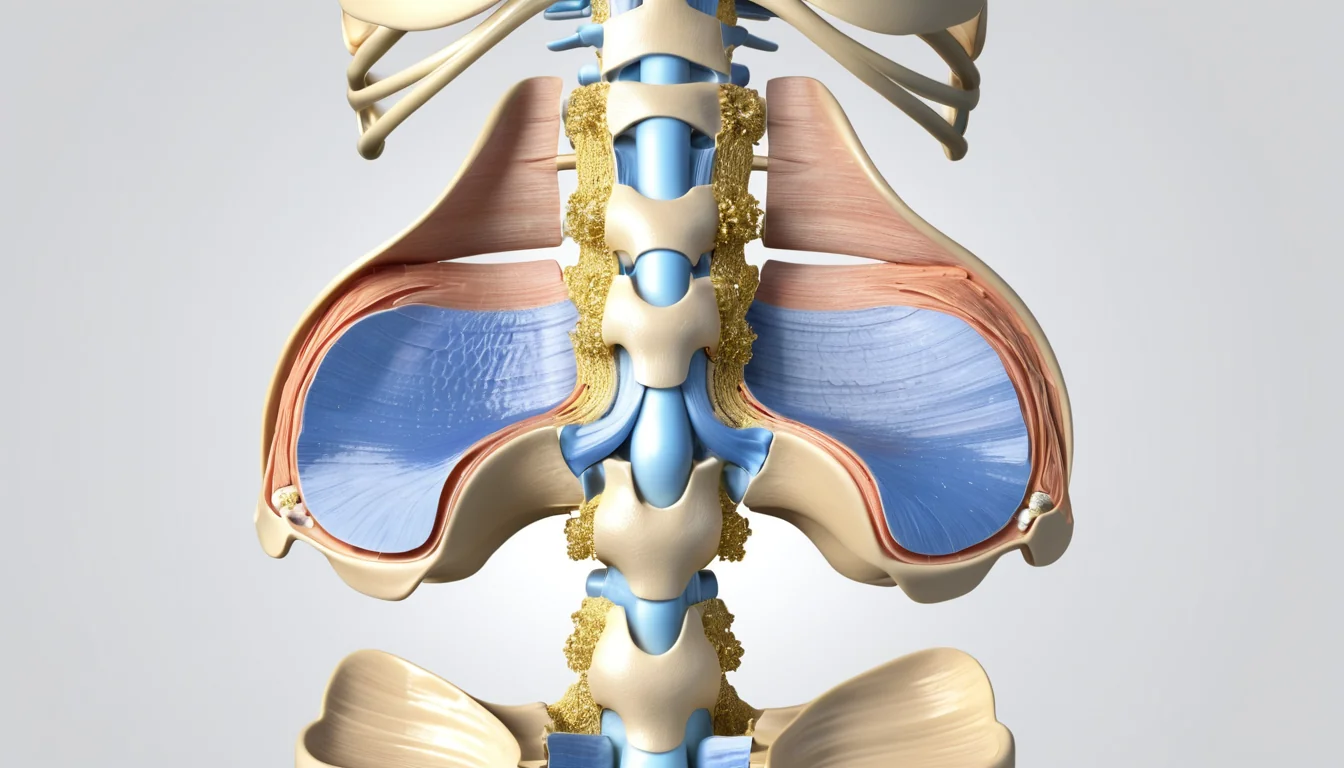
Lower back pain is one of the most common health complaints among Canadians, affecting nearly everyone at some point in their life. The lower back, also known as the lumbar region, connects the upper and lower parts of your spine and bears most of your body’s weight. Because of the heavy load it carries, this area is especially vulnerable to strain from lifting, twisting, or even reaching for an everyday object.
What Causes Lower Back Pain in Canadians?
While most lower back pain causes are not serious and tend to improve within a few weeks with simple at-home care, persistent or severe symptoms should never be ignored. If your pain lasts longer than two weeks, worsens over time, or is accompanied by numbness, weakness, or difficulty with bladder control, it is important to speak with a Canadian healthcare provider as soon as possible. Understanding what triggers your pain is the first step toward lasting relief and prevention.
What Is Lower Back Pain?
| Type of Lower Back Pain | Key Characteristics | Duration | Recommended Management |
|---|---|---|---|
| Acute Mechanical | Sudden onset, often from lifting or twisting; localized muscle ache or stiffness; pain worsens with movement | Less than 6 weeks | Rest for 1–2 days, OTC anti-inflammatories (e.g., ibuprofen), gentle movement, heat or ice therapy |
| Subacute | Persistent but improving pain; may involve muscle tension or mild nerve irritation; affects daily activities | 6–12 weeks | Physiotherapy, guided exercise, manual therapy; reassess if no improvement after 4 weeks |
| Chronic Non-Specific | Ongoing pain with no clear structural cause; often linked to posture, deconditioning, or psychosocial factors | More than 12 weeks | Cognitive behavioural therapy, multidisciplinary pain programs, low-impact exercise, lifestyle modification |
| Radicular (Sciatica) | Sharp, shooting pain radiating down one or both legs; may include numbness, tingling, or leg weakness | Variable; often 6–12 weeks | Physiotherapy, nerve pain medications, epidural steroid injections; surgery if neurological deficits persist |
| Inflammatory (e.g., Ankylosing Spondylitis) | Morning stiffness lasting more than 30 minutes; pain improves with activity; common in adults under 45 | Chronic; lifelong condition | Referral to rheumatologist, NSAIDs, biologic medications, regular physiotherapy and exercise |
Your lower back is made up of bones, joints, muscles, ligaments, and discs that work together to support your body. When any of these structures are strained or injured, lower back pain can develop. The pain can range from a dull, steady ache to a sharp, sudden sensation that makes it hard to move.
Most cases of lower back pain are not caused by anything serious. In fact, according to the World Health Organization, lower back pain is the leading cause of disability worldwide. Understanding what causes it can help you manage and even prevent it.
Common Causes of Lower Back Pain
Lower back pain rarely has just one cause. Most of the time, it results from a combination of factors. For example, a muscle strain can change the way you move, which then puts extra stress on other parts of your back.
Muscle and Ligament Strain
The most common cause of lower back pain is overstretching or tearing the muscles and ligaments that support your spine. This can happen suddenly — like when you lift something too heavy — or gradually over time from repeated movements. Many specialists believe that long-term muscle overuse can throw your entire spine out of balance, making future injuries more likely.
Herniated or Bulging Discs
Between each bone in your spine sits a soft, cushion-like disc. When one of these discs bulges or breaks open, it can press on nearby nerves and cause pain, numbness, or tingling. This is called a herniated disc. It often happens from repeated vibrations — such as long drives — or from lifting something incorrectly. The Mayo Clinic explains more about herniated discs and their symptoms.
Osteoarthritis
As we age, the cartilage between our joints can wear down. In the spine, this is called osteoarthritis. It tends to develop gradually and is more common in people over 50. The result is stiffness, swelling, and aching in the lower back.
Spinal Stenosis
Spinal stenosis happens when the channel that holds your spinal cord narrows over time. This narrowing puts pressure on the nerves inside. It typically develops with age and can cause pain, weakness, or cramping in the legs as well as the lower back.
Compression Fractures
A compression fracture occurs when a spinal bone collapses or cracks. These are most common in women after menopause, especially those with osteoporosis. Even a minor stress — such as a sneeze — can cause a fracture in someone with weak bones. Long-term use of corticosteroid medications also raises this risk.
Other Structural Causes
Other structural problems that can cause lower back pain include scoliosis (an abnormal sideways curve of the spine) and spondylolisthesis (when one vertebra slips forward over the one below it). These conditions do not always cause symptoms, but they can contribute to chronic lower back pain in some people.
Less Common Causes of Lower Back Pain
Sometimes, lower back pain points to a less common but more serious condition. These causes are rarer, but they are important to be aware of.
- Ankylosing spondylitis: A form of inflammatory arthritis that mainly affects the spine. It causes stiffness and pain, especially in the morning.
- Bacterial infections: Bacteria can travel through the bloodstream and infect the spine, leading to conditions like osteomyelitis (bone infection) or epidural abscess. This is more common in people who use intravenous drugs or who have had spinal surgery.
- Spinal tumours or metastases: Cancer can spread to the bones, ligaments, or nerve roots of the spine. Back pain that does not improve or that worsens at night should always be checked by a doctor.
- Paget’s disease of bone: This condition causes bones to grow abnormally and can affect the spine, pelvis, and skull.
- Scheuermann’s disease: One or more vertebrae become wedge-shaped, causing the spine to curve forward, most often in the chest area.
- Inflammatory pelvic disease or aortic aneurysm: These conditions can produce pain that feels similar to lower back pain but originate from internal organs.
How to Prevent Lower Back Pain
If you have had lower back pain before, there is a good chance it will come back. However, there are practical steps you can take every day to protect your back and reduce the risk of another episode.
Move Your Body Regularly
Regular physical activity is one of the best things you can do for your back. Walking, swimming, and cycling on a stationary bike are all gentle on the spine. Always warm up before exercising and cool down after. Healthline offers a helpful guide to exercises for strengthening your lower back.
Practise Good Posture
Poor posture puts extra strain on your lower back over time. Whether you are walking, standing, or sitting, try to keep your back straight and your shoulders relaxed but not slouched. If you sit for long periods at work, use a chair that supports the curve of your lower back. Take regular breaks to stand up and move around.
Lift Safely
Never bend at the waist to pick something up. Instead, bend your knees and keep your back straight. Hold the object close to your body, and avoid twisting your spine at the same time as lifting. If an object is too heavy, ask for help — no job is worth a back injury.
Watch Your Weight and Quit Smoking
Carrying extra weight, especially around your midsection, puts added pressure on your lower back. Maintaining a healthy weight helps reduce this strain. In addition, smoking reduces blood flow to the discs in your spine, which slows healing and increases the risk of disc problems. Quitting smoking benefits your back as well as your overall health.
Sleep Smart
Try to sleep on your side rather than on your stomach. Use a mattress that is medium-firm — not too soft and not too hard. This position and support help keep your spine in a neutral alignment overnight.
Wear Supportive Footwear
High heels shift your centre of gravity forward and strain your lower back. Choose shoes with low heels and good arch support. This small change can make a real difference over time.
When to See a Doctor for Lower Back Pain
Most lower back pain gets better on its own within two to four weeks. However, some symptoms mean you should not wait. See your family doctor or visit a walk-in clinic as soon as possible if you experience any of the following.
- Pain that does not improve after two weeks of home care
- Pain that spreads down one or both legs, especially below the knee
- Numbness, tingling, or weakness in your legs or feet
- Pain that wakes you up at night or feels worse when lying down
- Back pain after a fall, accident, or direct blow to the spine
- Pain accompanied by fever, unexplained weight loss, or difficulty with bladder or bowel control
If you have a family doctor, book an appointment to discuss your symptoms. If you do not have a family doctor, a walk-in clinic can assess you and refer you to a specialist if needed. Most provincial health plans in Canada cover visits to your family doctor or walk-in clinic for back pain assessment. Always speak with a qualified healthcare provider before starting a new treatment or exercise programme for lower back pain.
Frequently Asked Questions About Lower Back Pain
How long does lower back pain usually last?
Most cases of lower back pain improve within two to four weeks with rest, gentle movement, and over-the-counter pain relief. However, if your lower back pain lasts longer than six weeks, it is considered chronic and you should see your family doctor or a specialist for a proper assessment.
What is the fastest way to relieve lower back pain at home?
Applying ice during the first 48 hours can help reduce swelling, followed by heat to relax tight muscles. Gentle movement — such as short walks — is usually more helpful than complete bed rest for most cases of lower back pain. Over-the-counter anti-inflammatory medications like ibuprofen may also provide short-term relief, but speak with a pharmacist before taking any new medication.
Can lower back pain be a sign of something serious?
In most cases, lower back pain is not caused by anything serious and will improve on its own. However, pain that comes with fever, unexplained weight loss, numbness, or loss of bladder or bowel control may signal a more serious condition and requires prompt medical attention. When in doubt, always check with your family doctor.
Is it better to rest or stay active when you have lower back pain?
Staying gently active is usually better than complete bed rest for most types of lower back pain. Light activities like walking or stretching help keep your muscles strong and prevent stiffness. Avoid activities that make your pain worse, and gradually increase activity as you start to feel better.
Does a herniated disc always cause lower back pain?
Not always — some people have a herniated disc and experience no symptoms at all. When a herniated disc does cause lower back pain, it often also produces pain, numbness, or tingling that travels down the leg, a condition called sciatica. Your doctor can confirm a herniated disc with an MRI or other imaging test.
Is lower back pain covered under provincial health plans in Canada?
According to World Health Organization’s fact sheet on low back pain, this information is supported by current medical research.
For more information, read our guide on low back surgery options in Canada.
Yes, visits to your family doctor or a walk-in clinic for lower back pain assessment are covered under most provincial and territorial health plans across Canada. Some treatments, such as physiotherapy or massage therapy, may not be fully covered depending on your province and any additional private insurance you carry. Check with your provincial health authority or insurer for details.
Key Takeaways
- Lower back pain is extremely common and affects nearly all Canadians at some point in their lives.
- Most cases are caused by muscle or ligament strain, herniated discs, or age-related changes such as osteoarthritis or spinal stenosis.
- Staying active, practising good posture, lifting safely, and maintaining a healthy weight are the best ways to prevent lower back pain from coming back.
- Quitting smoking also helps, as it improves blood flow to the spinal discs and supports faster healing.
- Most lower back pain improves within two to four weeks. If yours does not, or if you have worrying symptoms, visit your family doctor or a walk-in clinic — your provincial health plan covers this visit.
- Always consult a qualified healthcare professional before starting a new treatment or exercise programme for your back.
Frequently Asked Questions
What is lower back pain?
Lower back pain is discomfort, stiffness, or soreness in the lumbar region of the spine, between the ribcage and pelvis. It ranges from a dull, constant ache to sudden sharp pain. It is one of the most common medical complaints in Canada, affecting approximately 4 in 5 adults at some point in their lives.
What are the most common symptoms of lower back pain?
Common symptoms include a dull or sharp aching sensation in the lumbar area, muscle stiffness, reduced range of motion, and pain that worsens when sitting, bending, or lifting. Some people also experience radiating pain down the leg, known as sciatica, along with tingling or numbness in the buttocks or legs.
How can lower back pain be treated at home?
Mild lower back pain can be treated at home with rest, ice or heat therapy, over-the-counter pain relievers like ibuprofen or acetaminophen, and gentle stretching. Staying moderately active is recommended over complete bed rest. Most acute cases improve within two to four weeks with consistent self-care measures.
Can lower back pain be prevented?
Yes, lower back pain can often be prevented by maintaining a healthy weight, exercising regularly to strengthen core muscles, practising good posture, and using proper lifting techniques. Avoiding prolonged sitting, using ergonomic furniture, and staying hydrated to support spinal disc health are also effective preventive strategies recommended by Canadian physiotherapists.
When should I see a doctor for lower back pain?
See a doctor if your lower back pain is severe, persists beyond six weeks, or follows an injury. Seek immediate medical attention if you experience pain accompanied by fever, unexplained weight loss, loss of bladder or bowel control, or numbness in the groin area, as these may indicate a serious underlying condition.

About the Author
Dr. Linda Chen, RD, PhDDr. Linda Chen is a registered dietitian and PhD in Nutritional Sciences from the University of British Columbia. With expertise in clinical nutrition, sports dietetics, and gut health, she has worked with leading Canadian hospitals and sports organizations. Dr. Chen is a member of Dietitians of Canada and regularly contributes to national nutrition policy discussions.
View all articles →