
Back Pain Causes: Risk Factors & When to Act in Canada

Share
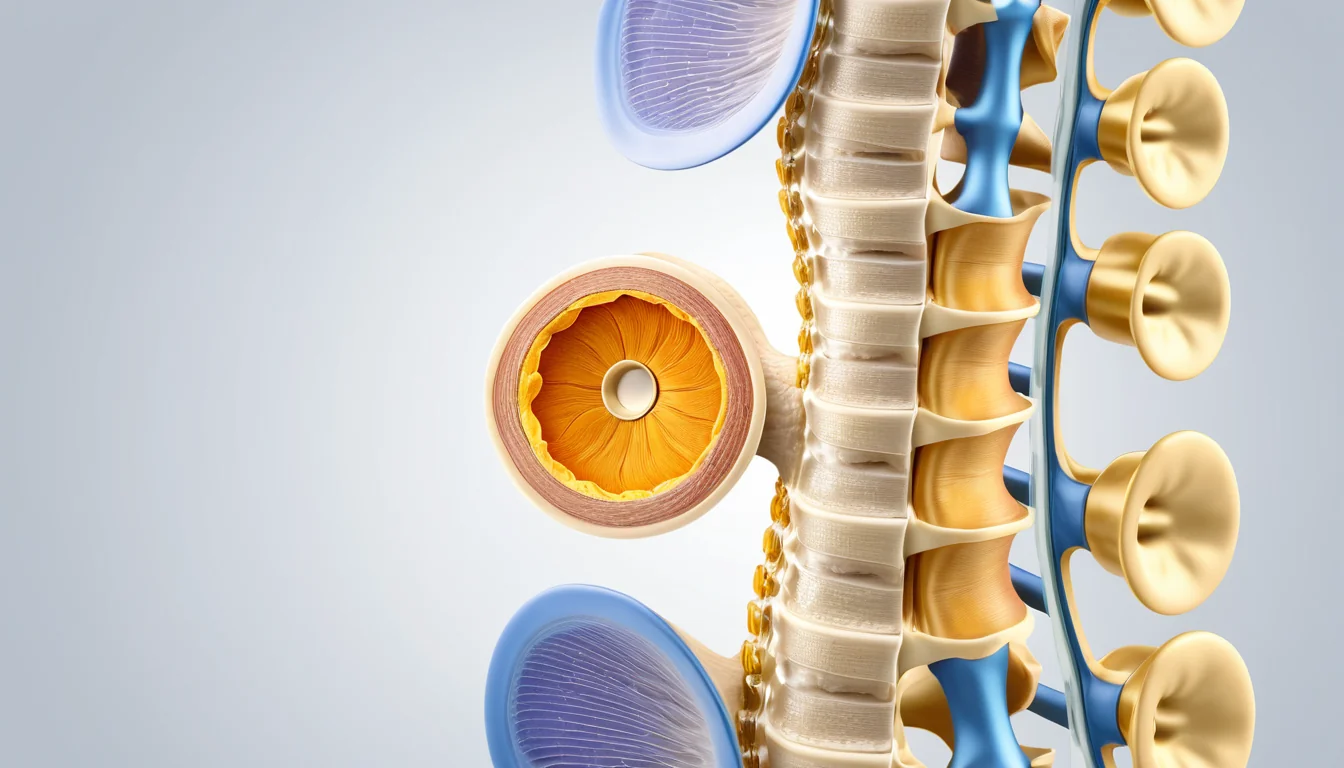
Back pain causes range from simple muscle strain to more complex spinal conditions, making it one of the most common reasons Canadians visit their family doctor or a walk-in clinic every year. According to the World Health Organization, back pain is the leading cause of disability worldwide, and millions of Canadians experience it at some point in their lives.
Common Back Pain Causes Every Canadian Should Know
The good news is that understanding back pain risk factors and recognizing early symptoms can help you take action before the problem gets worse. Most everyday back pain responds well to simple home care and improves within a few weeks, but knowing when to seek medical attention is essential for protecting your long-term spinal health.
What Is Everyday Back Pain?
| Risk Factor | How It Contributes to Back Pain | Level of Impact | Prevention & Management |
|---|---|---|---|
| Sedentary Lifestyle | Prolonged sitting weakens core and back muscles, increasing spinal stress and reducing disc nourishment | High | Take movement breaks every 30 minutes; aim for 150 minutes of moderate activity per week as per Canadian Physical Activity Guidelines |
| Poor Posture & Ergonomics | Misaligned spine during work or daily activities places uneven load on vertebrae, muscles, and ligaments | High | Use an ergonomic workstation setup; keep monitor at eye level and feet flat on the floor |
| Excess Body Weight | Additional weight shifts the centre of gravity forward, straining lumbar muscles and accelerating disc degeneration | Moderate to High | Maintain a healthy BMI through balanced diet and regular exercise; consult a registered dietitian if needed |
| Aging (45+) | Natural degeneration of intervertebral discs, reduced bone density, and decreased muscle mass increase vulnerability to back injuries | Moderate | Regular weight-bearing exercise, adequate calcium and vitamin D intake; discuss bone health screening with your family physician |
| Occupational Hazards | Repetitive lifting, twisting, or vibration exposure (e.g., construction, healthcare, trucking) leads to cumulative spinal stress and injury | High | Follow workplace safe lifting protocols; use mechanical aids where available; report ergonomic concerns to occupational health |
| Smoking | Nicotine reduces blood flow to spinal discs, impairing nutrient delivery and healing while increasing the risk of osteoporosis | Moderate | Access free cessation support through provincial programs such as Health Canada’s quit smoking resources or call 1-866-366-3667 |
Everyday back pain refers to discomfort in the back that comes from daily activities, work, or physical strain. It is most common in adults under 60, though it can affect anyone at any age, including children and teenagers.
People who do heavy physical work, sit at a desk for long hours, or work in awkward positions are especially at risk. However, even light activity done incorrectly can lead to back pain.
Signs and Symptoms of Back Pain
Back pain can feel very different from person to person. Some people feel a dull, steady ache. Others feel sharp, stabbing pain or a burning sensation. Muscle cramps and tightness are also common.
Certain movements often make back pain worse. These include bending forward, twisting your torso, lifting objects, standing for long periods, or walking and running. In some cases, the pain can become very intense and hard to manage.
It is important to remember that everyone has a different pain threshold. What feels mild to one person may feel severe to another. A healthcare provider can help you understand what your symptoms mean.
Types of Back Pain Sensations
- Muscle aching – a deep, sore feeling in the back muscles
- Burning pain – a hot or stinging sensation along the spine
- Sharp or stabbing pain – sudden, intense discomfort with movement
- Cramping – tight, squeezing pain in the back muscles
Common Causes of Back Pain
Back pain most often develops from everyday activities. In many cases, medical imaging like X-rays or MRIs shows no clear structural problem. However, certain physical changes can cause or contribute to back pain.
Muscle or Ligament Strain
Lifting heavy objects repeatedly, or making sudden awkward movements, can strain the muscles and ligaments in your back. If your overall fitness level is low, even mild physical effort can cause this type of injury. Muscle strain is the most common cause of everyday back pain.
Disc Problems
The spinal discs act like small cushions between the bones of your spine. When a disc is damaged or worn, the soft material inside can push outward and press on nearby nerves. This is called a herniated or bulging disc. According to the Mayo Clinic, disc problems are often visible on imaging tests and can cause significant back and leg pain.
Arthritis
Osteoarthritis commonly affects the lower back, also called the lumbar region. Over time, the cartilage between spinal joints wears down. In some cases, this can lead to spinal stenosis, a narrowing of the space around the spinal cord.
Osteoporosis
Osteoporosis weakens the bones over time. It is more common with aging or when calcium metabolism is disrupted. Weak bones can lead to small spinal fractures or compression injuries. The pain from osteoporosis tends to be sharp and sudden, which is different from typical everyday back pain.
Risk Factors for Back Pain
Anyone can develop back pain. However, certain factors increase your chances. Understanding these risk factors can help you take steps to protect your back.
- Age. Back pain becomes more common starting around age 30 to 40. Muscles and discs naturally weaken as we get older.
- Low physical activity. Weak back and abdominal muscles offer less support to the spine. This increases the risk of pain even during light activity.
- Excess body weight. Carrying extra weight puts more mechanical stress on the spine, joints, and back muscles.
- Improper lifting technique. Using your back instead of your legs to lift heavy objects is a leading cause of lower back strain.
- Mental health conditions. People living with depression or anxiety have a higher risk of back pain. Daily stress also causes muscle tension, which can make back pain worse.
- Smoking. Smokers experience back pain more often than non-smokers. Smoking-related coughing can strain spinal discs. Furthermore, smoking reduces blood flow to the spine and increases the risk of osteoporosis.
- Other health conditions. Certain types of arthritis and some cancers can contribute to back pain.
When to See a Doctor for Back Pain
Most cases of back pain improve with rest and simple home care within a few weeks. However, it is always a good idea to speak with your family doctor or visit a walk-in clinic to get a proper diagnosis. Back pain can sometimes be a sign of a more serious condition.
Contact your doctor if your back pain:
- Lasts more than a few weeks without improvement
- Is severe and does not ease with rest
- Spreads down one or both legs
- Comes with weakness, numbness, or tingling in the legs
- Is accompanied by unexplained weight loss
Seek Emergency Care Right Away If You Also Have
In rare cases, back pain signals a serious medical emergency. Call 911 or go to your nearest emergency department if your back pain comes with any of the following:
- New problems with bladder or bowel control
- Fever
- Pain that started after a fall, accident, or traumatic injury
These symptoms may point to a serious spinal condition that needs immediate attention. Do not wait to seek help in these situations.
How to Prevent and Manage Back Pain
Improving your fitness and learning how to move properly can go a long way in preventing back pain. The following strategies are recommended by health professionals across Canada and supported by Health Canada.
Exercise Regularly
Low-impact aerobic activities strengthen the back and improve endurance. Walking, swimming, and cycling are excellent choices. Try to stay active most days of the week. Always speak with your doctor before starting a new exercise programme, especially if you already have back pain.
Strengthen Your Core Muscles
The muscles in your abdomen and back work together to support your spine. Strengthening these muscles improves stability and reduces the risk of injury. Exercises like gentle yoga, pilates, and targeted core routines can be very helpful.
Use Proper Lifting Techniques
When lifting heavy objects, always bend at the knees and use your leg muscles. Keep the object close to your body. Avoid twisting your spine while lifting. These small habit changes can prevent many common back injuries.
Maintain a Healthy Weight
Keeping your weight in a healthy range reduces strain on your spine, joints, and muscles. Even modest weight loss can make a noticeable difference in back pain symptoms.
Watch Your Posture
Poor posture is a major contributor to back pain, especially for people who sit at a desk all day. Sit with your back straight, feet flat on the floor, and your screen at eye level. Take short breaks to stand and stretch every 30 to 60 minutes.
Quit Smoking
Quitting smoking improves blood flow to the spine and lowers your risk of disc problems and osteoporosis. Your provincial health plan may offer free resources to help you quit. Ask your family doctor or pharmacist for support options available in your province.
Frequently Asked Questions About Back Pain
How long does back pain usually last?
Most cases of everyday back pain improve within two to six weeks with proper rest and home care. However, if your back pain lasts longer than a few weeks or gets worse over time, it is important to see your family doctor or visit a walk-in clinic for a proper assessment.
Is it better to rest or stay active when you have back pain?
For most types of back pain, staying gently active is better than complete bed rest. Light movement like short walks helps keep the muscles from stiffening. However, you should avoid activities that make the pain significantly worse and always follow the advice of your healthcare provider.
What are the most common causes of lower back pain?
The most common causes of lower back pain include muscle or ligament strain from lifting or sudden movements, poor posture, and weak core muscles. Disc problems and osteoarthritis are also frequent contributors to back pain, especially as we age.
When should I go to the emergency room for back pain?
You should seek emergency care right away if your back pain follows a serious accident or fall, or if it comes with fever, new loss of bladder or bowel control, or severe leg weakness. These symptoms may indicate a serious spinal condition that needs immediate medical attention.
Can stress and anxiety cause back pain?
Yes, stress and anxiety can contribute to back pain. Emotional stress causes muscle tension throughout the body, particularly in the back and shoulders. People living with depression or anxiety are at a higher risk of developing chronic back pain, so addressing mental health is an important part of overall back care.
Does back pain qualify for coverage under provincial health plans in Canada?
According to World Health Organization, this information is supported by current medical research.
For more information, read our guide on low back surgery options in Canada.
Visits to your family doctor or walk-in clinic for back pain are generally covered under provincial and territorial health plans across Canada. However, coverage for services like physiotherapy, chiropractic care, and massage therapy varies by province. Check with your provincial health authority or employer benefits plan for details.
Key Takeaways
- Back pain is extremely common and is a leading cause of missed work and disability in Canada and around the world.
- Most everyday back pain improves within a few weeks with rest, gentle movement, and home care.
- The most common causes include muscle strain, poor posture, disc problems, and weak core muscles.
- Risk factors include aging, low fitness, excess weight, smoking, and high stress levels.
- See your family doctor or a walk-in clinic if your back pain is severe, lasts more than a few weeks, or spreads into your legs.
- Seek emergency care if back pain comes with fever, loss of bladder or bowel control, or follows a traumatic injury.
- Regular exercise, good posture, proper lifting technique, and a healthy weight are the best ways to prevent back pain.
- Always speak with your doctor or a qualified healthcare provider before starting any new treatment or exercise programme for back pain. This article is for informational purposes only and does not replace professional medical advice.
Frequently Asked Questions
What are the most common back pain causes in adults?
The most common back pain causes include muscle or ligament strains, herniated discs, arthritis, poor posture, and spinal stenosis. Sedentary lifestyles, heavy lifting, and obesity also significantly contribute. In Canada, workplace injuries and prolonged sitting are leading triggers, especially among adults between 30 and 50 years old.
What are the symptoms of serious back pain?
Serious back pain symptoms include sharp or shooting pain radiating down one or both legs, numbness or tingling, bladder or bowel dysfunction, unexplained weight loss, and pain following trauma or a fall. Constant pain that worsens at night or doesn’t improve with rest may also signal an underlying medical condition requiring urgent evaluation.
When should you see a doctor for back pain causes?
See a doctor if back pain lasts longer than two to four weeks, follows an injury, or is accompanied by leg weakness, numbness, fever, or loss of bladder and bowel control. Canadians experiencing these red flag symptoms should seek prompt medical attention, as they may indicate a herniated disc, fracture, or serious spinal condition.
How can back pain be treated effectively?
Effective back pain treatment includes staying active, physiotherapy, over-the-counter pain relievers like ibuprofen or acetaminophen, and hot or cold therapy. For persistent cases, doctors may recommend prescription medications, corticosteroid injections, or surgery. In Canada, physiotherapy and chiropractic care are widely covered and commonly recommended as first-line conservative treatments.
Can back pain be prevented?
Yes, many back pain cases are preventable. Key strategies include maintaining a healthy weight, strengthening core muscles, practicing proper lifting techniques, improving posture, and staying physically active. Ergonomic workstations, regular stretching breaks, and avoiding prolonged sitting also significantly reduce risk, particularly for Canadians working desk jobs or physically demanding occupations.

About the Author
Dr. Michael Ross, MD, FRCSCDr. Michael Ross is a fellowship-trained orthopedic surgeon at the University of Alberta Hospital, specializing in joint replacement and sports medicine. A Fellow of the Royal College of Surgeons of Canada (FRCSC), he has over 18 years of surgical experience and has authored multiple textbook chapters on musculoskeletal health. Dr. Ross is passionate about patient education and evidence-based medicine.
View all articles →


