Lumbarization of the Spine: Causes, Symptoms & Treatment

Share
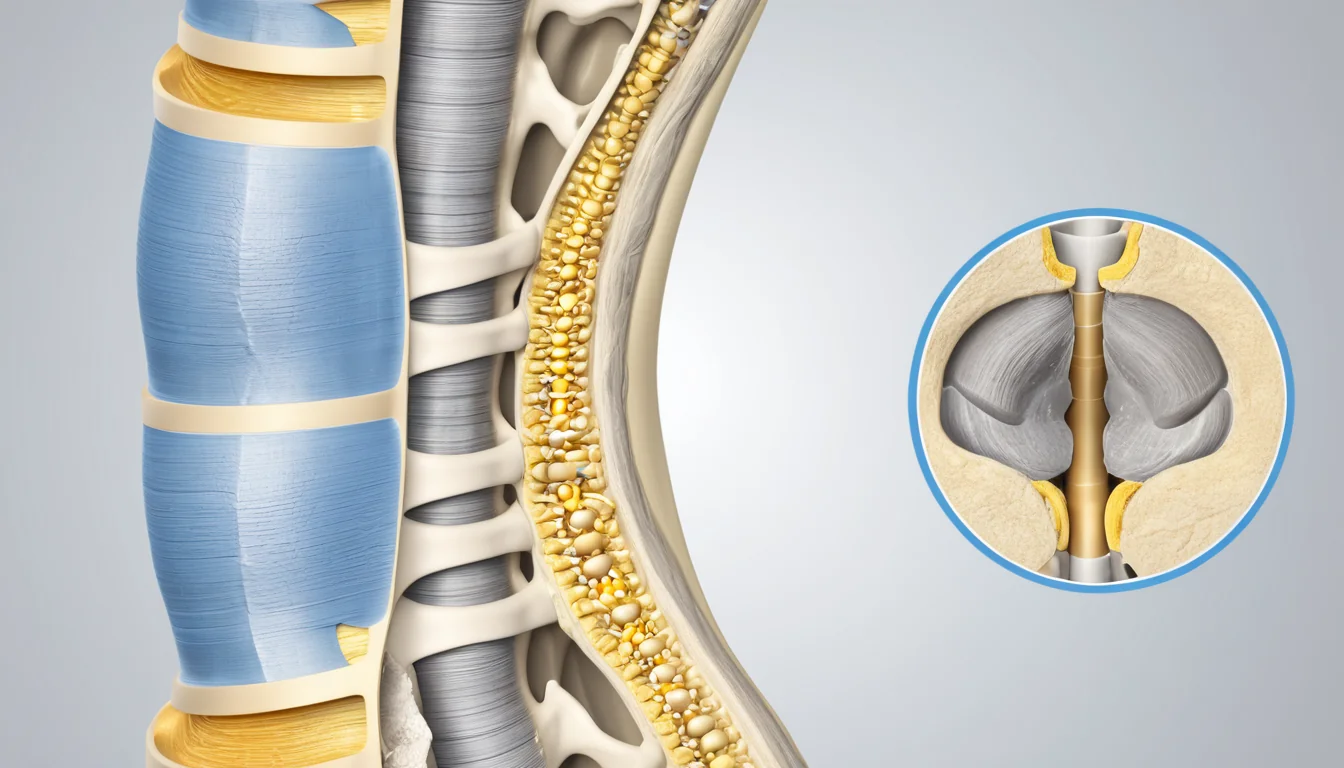
Lumbarization of the spine is a rare congenital condition that changes the structure of your lower back and can lead to chronic pain if left unmanaged. In this condition, the first sacral vertebra fails to fuse with the rest of the sacrum, leaving you with six lumbar vertebrae instead of the typical five. Many Canadians live with this anomaly without ever knowing — but for others, it becomes a source of persistent discomfort that disrupts daily life.
Understanding Lumbarization of the Spine and Its Impact on Your Back
Understanding lumbarization symptoms is the first step toward finding lasting relief. Because this condition is present from birth, it is often discovered incidentally on imaging done for unrelated reasons. If you are experiencing unexplained low back pain, speaking with your family doctor or a registered physiotherapist in Canada can help determine whether lumbarization is contributing to your symptoms and guide you toward the right treatment plan.
What Is Lumbarization of the Spine?
| Treatment Option | Benefits | Considerations | Typical Duration |
|---|---|---|---|
| Physiotherapy | Strengthens core and paraspinal muscles; improves spinal stability and posture; non-invasive | Requires consistent commitment; results may take weeks to develop; coverage varies by provincial health plan | 6–12 weeks of regular sessions |
| Non-Steroidal Anti-Inflammatory Drugs (NSAIDs) | Reduces inflammation and pain; widely available; fast-acting relief | Not suitable for long-term use; gastrointestinal and cardiovascular risks; consult a physician before use | Short-term use, typically 1–2 weeks |
| Epidural Steroid Injections | Provides targeted pain relief; reduces nerve inflammation; can delay need for surgery | Limited to a few injections per year; temporary relief only; performed by a specialist, may involve waitlists in Canada | Relief may last weeks to several months |
| Chiropractic Care | May improve spinal alignment and reduce discomfort; non-invasive; widely accessible across Canadian provinces | Not effective for all patients; requires ongoing maintenance visits; partially covered under some provincial plans | Ongoing, typically monthly maintenance |
| Surgical Intervention (e.g., Discectomy or Fusion) | Addresses structural abnormalities directly; provides long-term relief in severe cases | Reserved for cases unresponsive to conservative treatment; recovery time is significant; associated surgical risks | Recovery period of 3–6 months post-surgery |
Normally, the human spine has five lumbar vertebrae and five sacral vertebrae that are fused together to form the sacrum. In lumbarization of the spine, the first sacral vertebra remains separate. It behaves more like a lumbar vertebra — which is why doctors sometimes call it L6.
This condition is congenital, meaning you are born with it. Research suggests it occurs in roughly 2% of the population. Many people live with it their entire lives without knowing, because it does not always cause symptoms.
However, for some people, lumbarization leads to persistent lower back pain and reduced mobility. In these cases, early diagnosis and a consistent treatment plan can make a meaningful difference. Learn more about back pain causes and symptoms from the Mayo Clinic.
What Causes Lumbarization Symptoms to Worsen?
Because lumbarization is congenital, you cannot prevent the structural difference itself. However, certain daily habits and activities can make the associated back pain much worse over time.
People with lumbarization are more likely to experience increased discomfort due to the following:
- Poor sitting posture that places extra stress on the affected joints
- Twisting movements that irritate the nerve roots near the spine
- Lifting heavy objects incorrectly from the ground
- Sitting for long periods without movement breaks
- Low levels of physical activity that weaken the supporting muscles
Making small changes to these habits can significantly reduce the frequency and severity of pain. A physiotherapist can help you identify which activities are triggering your symptoms and guide you toward safer movement patterns.
Symptoms of Lumbarization of the Spine
Not everyone with lumbarization experiences symptoms. Some people discover it only by chance, during an X-ray taken for another reason. However, when symptoms do appear, they can affect your daily life in noticeable ways.
Common Symptoms to Watch For
The following symptoms are commonly associated with lumbarization of the spine:
- Lower back pain, often accompanied by buttock pain
- Stiffness in the back, especially in the morning
- Reduced range of motion and flexibility
- Muscle spasms in the lower back
- Limited bending toward one side of the body
- Decreased coordination and balance
- Sciatica — a sharp, radiating pain that travels down one leg
Sciatica, in particular, can be quite debilitating. It occurs when the nerve roots near the lumbarized vertebra become irritated or compressed. If you are experiencing shooting leg pain alongside lower back pain, this is a sign you should seek a medical assessment promptly.
How Is Lumbarization Diagnosed?
Diagnosing lumbarization of the spine is straightforward in most cases. Your doctor will typically start with a standard spinal X-ray. Both a front view and a side view of the lower spine are needed to confirm the diagnosis accurately.
In some individuals — particularly those who are overweight — the vertebrae may not show up clearly on an X-ray. In these situations, a CT scan can provide a more detailed image of the bony structures. If there is any concern about nerve involvement, an MRI is the preferred imaging tool, as it shows soft tissues, discs, and nerves clearly.
Your family doctor can order these tests and refer you to a specialist if needed. If you do not have a family doctor, a walk-in clinic can assess your symptoms and arrange initial imaging. Provincial health plans generally cover diagnostic imaging when it is medically necessary. Find out more about Canada’s health care system through Health Canada.
Treatment Options for Lumbarization of the Spine
The good news is that most people with lumbarization respond well to non-surgical treatment. Doctors and physiotherapists typically start with the least invasive options first and only escalate care if needed.
Medications and Injections
Over-the-counter pain relievers, such as acetaminophen, and non-steroidal anti-inflammatory drugs (NSAIDs) like ibuprofen are often the first line of treatment. These can help reduce both pain and inflammation in the short term. However, they do not address the underlying structural issue.
If medications alone are not enough, a doctor may recommend local anaesthetic injections directly into the affected area. These can offer temporary but meaningful relief. In some cases, the anaesthetic is combined with a corticosteroid to provide additional anti-inflammatory benefits.
Another option is prolotherapy. This involves injecting a mild irritant solution into the area around the lumbarized vertebra. The injection stimulates the formation of scar tissue, which can help stabilise the joint and reduce pain signals over time. Prolotherapy is less commonly used but may suit patients who have not responded to other conservative treatments.
Surgery — A Last Resort
Surgical options exist and may include fusing the separated vertebra to the sacrum. However, surgery carries real risks and its success rates vary significantly. Recent research shows a sharp increase in spinal surgeries that may not be necessary. Studies suggest that non-surgical treatments produce similar long-term outcomes, with far fewer complications. Experts estimate that only about 1% of all back pain cases ever truly require surgery.
Surgery is therefore considered only when all other options have been tried and when the long-term benefit clearly outweighs the risk for that individual patient.
Exercise and Physiotherapy for Lumbarization
Research strongly supports the use of exercise and physiotherapy as core treatments for lumbarization of the spine. A structured, progressive exercise programme — guided by a registered physiotherapist — can significantly improve strength, flexibility, and daily function.
Why Exercise Works
When done in a controlled and gradual way, back and core exercises offer multiple benefits:
- Strengthening the muscles that support the spine reduces pressure on the discs and joints
- Reducing stiffness and improving overall mobility
- Improving circulation, which delivers nutrients to spinal discs and promotes healing
- Releasing endorphins — your body’s natural painkillers — which can reduce reliance on pain medication and also lift your mood
- Reducing the frequency and severity of back pain episodes over time
Endorphins are particularly important. Chronic pain often contributes to depression and anxiety. Regular exercise addresses both the physical and emotional aspects of living with a long-term condition.
What a Lumbar Stabilisation Programme Looks Like
Treatment programmes for lumbarization focus heavily on strengthening the core muscles. This includes the abdominal muscles, gluteal muscles, hip muscles, and the muscles directly surrounding the spine. All of these work together to support your lower back during everyday movements.
A typical lumbar stabilisation programme progresses gradually through the following stages:
- From static positions (lying down) to dynamic movements (standing or jumping)
- From working against gravity alone to using added resistance, such as resistance bands or weights
- From predictable movements to unpredictable challenges that improve balance and coordination
- From individual movement components to full, functional movement patterns
Equipment used in these programmes may include resistance bands, stability balls, and light free weights. Your physiotherapist will tailor the programme to your current fitness level and your specific symptoms. Explore evidence-based back exercises recommended by Healthline.
When to See a Doctor About Back Pain
If you have been experiencing lower back pain that does not improve after a few weeks, it is time to speak with your family doctor. They can assess whether imaging is needed and refer you to a physiotherapist or specialist.
If you do not currently have a family doctor — which is a reality for many Canadians — a walk-in clinic is a perfectly reasonable first step. The clinic can arrange an X-ray referral and recommend initial management strategies while you wait for specialist care.
You should seek urgent care if you experience any of the following alongside your back pain:
- Loss of bladder or bowel control
- Severe, sudden worsening of pain
- Numbness or weakness in both legs
- Pain following a fall or injury
These symptoms may indicate a more serious spinal condition that requires immediate assessment.
Frequently Asked Questions About Lumbarization of the Spine
What is lumbarization of the spine?
Lumbarization of the spine is a congenital condition where the first sacral vertebra does not fuse with the rest of the sacrum. This results in six lumbar vertebrae instead of the normal five. It affects approximately 2% of people and does not always cause symptoms.
Can lumbarization cause sciatica?
Yes, lumbarization of the spine can cause sciatica when the unfused vertebra irritates or compresses nearby nerve roots. This results in sharp, radiating pain that travels down one leg. Physiotherapy and targeted exercises can help manage this symptom effectively in most cases.
How is lumbarization diagnosed in Canada?
A family doctor or walk-in clinic can order a spinal X-ray to diagnose lumbarization of the spine. CT scans or MRIs may be used if more detail is needed or if nerve involvement is suspected. These tests are typically covered by provincial health plans when medically necessary.
Is lumbarization treatable without surgery?
In most cases, yes — lumbarization of the spine responds well to non-surgical treatments such as physiotherapy, core strengthening exercises, and anti-inflammatory medication. Research suggests that only about 1% of back pain cases ever require surgery. Conservative treatment is the preferred approach for the vast majority of patients.
What exercises help with lumbarization?
Core strengthening exercises that target the abdominal, gluteal, and hip muscles are most beneficial for lumbarization of the spine. A registered physiotherapist can design a progressive lumbar stabilisation programme tailored to your needs. Resistance bands, stability balls, and bodyweight exercises are all commonly used tools in these programmes.
Is lumbarization a serious condition?
According to Mayo Clinic’s overview of back pain causes and treatment, this information is supported by current medical research.
For more information, read our guide on low back surgery options in Canada.
Lumbarization of the spine is not life-threatening, but it can significantly affect your quality of life if symptoms are ignored. Untreated, it may lead to poor posture, weakened muscles, and worsening back problems over time. Early diagnosis and consistent management through physiotherapy and lifestyle adjustments can prevent long-term complications.
Key Takeaways
- Lumbarization of the spine is a congenital condition affecting roughly 2% of people, where the first sacral vertebra stays separate from the sacrum.
- Many people have no symptoms at all — but for others, it causes lower back pain, stiffness, muscle spasms, and sciatica.
- It is diagnosed through spinal X-ray, CT scan, or MRI, which your family doctor or walk-in clinic can arrange.
- Non-surgical treatments — including physiotherapy, core strengthening, and anti-inflammatory medication — are effective for the vast majority of patients.
- A progressive exercise programme that targets the core muscles is one of the most powerful long-term tools for managing this condition.
- Surgery is rarely needed and is considered only when all other options have been exhausted.
- If you are experiencing persistent lower back pain, speak with your family doctor or visit a walk-in clinic for a proper assessment and personalised treatment plan.
Frequently Asked Questions
What is lumbarization of the spine?
Lumbarization of the spine is a congenital spinal anomaly where the first sacral vertebra (S1) develops separately, functioning as an extra lumbar vertebra. This gives the lumbar spine six vertebrae instead of the typical five. It affects an estimated 1–2% of the population and is often discovered incidentally on X-rays.
What are the symptoms of lumbarization of the spine?
Many people with lumbarization experience no symptoms. When symptoms occur, they include chronic lower back pain, stiffness, reduced spinal flexibility, and increased vulnerability to disc herniation or degenerative disc disease. Nerve compression can occasionally cause radiating leg pain (sciatica). Symptoms typically worsen with age or physical activity.
How is lumbarization of the spine treated in Canada?
Treatment is usually conservative and may include physiotherapy, chiropractic care, anti-inflammatory medications, and targeted core-strengthening exercises. Canadian pain clinics may offer corticosteroid injections for nerve-related pain. Surgery is rarely required but may be considered for severe nerve compression or when conservative treatments fail after several months.
Can lumbarization of the spine be prevented?
Lumbarization cannot be prevented as it is a congenital condition present from birth. However, complications like chronic pain and early disc degeneration can be minimized by maintaining a healthy weight, practising good posture, performing regular core-strengthening exercises, and avoiding repetitive heavy lifting that places excessive stress on the lower spine.
When should I see a doctor about lower back pain related to a spinal anomaly?
See a doctor if you experience persistent lower back pain lasting more than six weeks, radiating leg pain, numbness or tingling, muscle weakness, or loss of bladder and bowel control. In Canada, your family physician can order imaging and provide referrals to specialists such as orthopaedic surgeons, neurologists, or physiatrists.

About the Author
Dr. Linda Chen, RD, PhDDr. Linda Chen is a registered dietitian and PhD in Nutritional Sciences from the University of British Columbia. With expertise in clinical nutrition, sports dietetics, and gut health, she has worked with leading Canadian hospitals and sports organizations. Dr. Chen is a member of Dietitians of Canada and regularly contributes to national nutrition policy discussions.
View all articles →