
Myelopathy: Causes, Symptoms & Treatment in Canada

Share
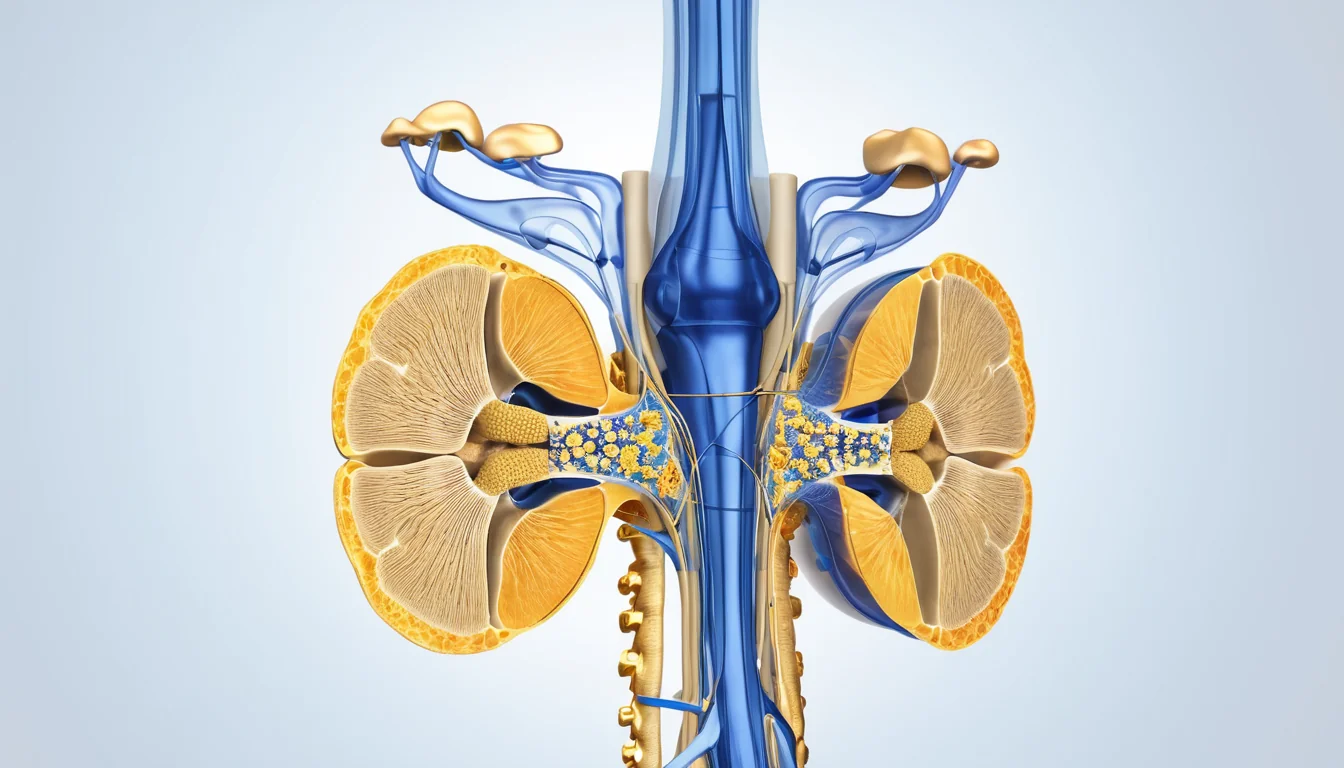
Myelopathy is the gradual loss of nerve function caused by damage or disease affecting the spinal cord, and it affects thousands of Canadians each year. It can result from injury, degenerative conditions, or compression of the spine. Left untreated, myelopathy can lead to serious complications including weakness, numbness, and even paralysis.
Understanding Myelopathy: What Every Canadian Should Know
Cervical spondylotic myelopathy is the most common form of this condition, primarily affecting the neck region of the spine. Understanding the causes, recognizing the early warning signs, and knowing your treatment options in Canada can help you get the right care faster and protect your long-term mobility. Whether you are experiencing early symptoms or supporting a loved one, this guide covers everything Canadians need to know about diagnosis, treatment, and recovery.
What Is Myelopathy?
| Type of Myelopathy | Primary Cause | Key Characteristics | Management Approach |
|---|---|---|---|
| Cervical Spondylotic Myelopathy | Age-related degeneration of cervical spine discs and joints | Most common type in adults over 55; causes neck pain, hand clumsiness, and balance problems; progressive if untreated | Physiotherapy, pain management, or surgical decompression (laminectomy or anterior cervical discectomy) |
| Traumatic Myelopathy | Acute spinal cord injury from accident, fall, or sports injury | Sudden onset; may cause partial or complete loss of motor and sensory function below injury level; can affect bladder and bowel | Emergency stabilization, corticosteroids in acute phase, surgical intervention, intensive rehabilitation |
| Transverse Myelitis | Inflammatory or autoimmune response; may be linked to MS or infection | Rapid onset of weakness, sensory changes, and bladder dysfunction; often affects both sides of the body at one spinal level | High-dose IV corticosteroids, plasma exchange therapy, immunosuppressants, and rehabilitation |
| Vascular Myelopathy | Reduced blood supply to the spinal cord due to arteriovenous malformation or ischemia | Sudden or gradual weakness and sensory loss; symptoms vary depending on affected spinal segment; risk increases with cardiovascular disease | Treat underlying vascular condition, anticoagulation therapy where appropriate, supportive rehabilitation |
| Infectious Myelopathy | Bacterial, viral, or parasitic infection (e.g., HIV, HTLV-1, tuberculosis) | Progressive weakness and spasticity; may include systemic infection symptoms; more prevalent in immunocompromised individuals | Targeted antimicrobial or antiviral therapy, corticosteroids to reduce inflammation, neurological rehabilitation |
The spinal cord carries nerve signals between your brain and the rest of your body. When something damages or compresses the spinal cord, those signals break down. This breakdown is what doctors call myelopathy.
Myelopathy can happen at any level of the spine. However, it most often affects the neck region, known as the cervical spine. The condition ranges from mild to severe, depending on how much damage has occurred and where.
According to Mayo Clinic, spinal cord conditions like myelopathy require prompt medical attention to prevent permanent nerve damage.
Types of Myelopathy
Doctors classify myelopathy based on how much function is lost below the injury site. The two main types are complete and incomplete myelopathy. Understanding the difference helps explain why symptoms vary so much from person to person.
Complete Myelopathy
Complete myelopathy means no nerve signals pass below the point of damage. A person with this type loses all feeling and movement below the injury. They may also lose control of bladder and bowel function, and sexual function can be affected as well.
For example, an injury in the mid-to-upper spine can result in tetraplegia. This condition affects all four limbs and many body systems. Complete myelopathy cases are among the most medically complex and life-altering conditions a person can face.
Incomplete Myelopathy
Incomplete myelopathy means some nerve signals still get through. A person with this type may retain partial feeling or movement below the injury. Recovery potential is generally better with incomplete myelopathy, especially with early treatment.
Symptoms of incomplete myelopathy vary widely. Some people notice only mild weakness or tingling. Others experience more significant problems with walking, coordination, or fine motor skills like buttoning a shirt.
Common Causes of Myelopathy
Several conditions can lead to myelopathy. The most common cause in older adults is degenerative spine disease. However, trauma, inflammation, and even infections can also damage the spinal cord.
Cervical Spinal Stenosis
Cervical spinal stenosis is one of the most frequent causes of myelopathy in Canada. As we age, the spinal canal in the neck gradually narrows. This narrowing puts pressure on the spinal cord and the nerves that branch off it.
Early signs of cervical stenosis with myelopathy include a heavy or clumsy feeling in the legs. People may also notice arm pain and a slow loss of fine motor skills. A doctor evaluating for this condition may observe increased muscle tone in the legs and poor coordination while walking.
Treatment for cervical stenosis-related myelopathy often involves surgery to decompress the spine. The goal is to stop the narrowing from getting worse. However, spinal surgery carries risks, and outcomes are not always predictable. Your surgeon will discuss your options in detail before any procedure.
Trauma and Injury
A significant spinal injury, such as those from car accidents or falls, can cause myelopathy very quickly. The impact damages the spinal cord directly. Depending on the location and severity of the injury, the effects can be immediate and severe.
Canadians who experience a spinal injury should call 911 immediately. Do not move the person unless there is an immediate life-threatening danger. Keeping the spine still helps prevent further damage before emergency crews arrive.
Degenerative Disc Disease
Over time, the discs between your vertebrae wear down. This is a normal part of ageing, but in some people it progresses quickly. As the discs lose height and flexibility, they can press on the spinal cord and cause myelopathy symptoms.
Degenerative disc disease is very common in Canadians over 50. The good news is that not everyone with disc degeneration develops myelopathy. Regular check-ups with your family doctor can catch early changes before they become serious.
Cervical Spondylotic Myelopathy
Cervical spondylotic myelopathy is one of the most common spinal cord conditions in adults over 55. It develops when normal wear and tear in the neck spine narrows the spinal canal over many years. This gradually compresses the spinal cord and disrupts nerve signals throughout the body.
As Healthline explains, spondylotic changes include bone spurs, thickened ligaments, and bulging discs. All of these can contribute to spinal cord compression. The process is slow, which is why many people do not notice symptoms until the condition is already advanced.
Symptoms of Cervical Spondylotic Myelopathy
Cervical spondylotic myelopathy can cause a wide range of symptoms. These include neck pain, numbness, tingling, and weakness in the arms or legs. Some people also experience problems with balance and coordination.
Fine motor skills are often affected early on. You might notice difficulty writing, typing, or picking up small objects. In addition, some people feel stiffness or a heavy sensation when walking. If you notice any of these signs, it is important to see a doctor promptly.
How Neck Problems Connect to Other Symptoms
The neck is a complex structure made up of muscles, ligaments, nerves, bones, and joints. Problems in any of these structures can cause pain and referred symptoms elsewhere. As a result, some people with cervical myelopathy feel pain in the upper back, shoulders, or arms rather than the neck itself.
In rare cases, infections or tumours in the neck region can cause similar symptoms. Your doctor will order imaging tests, such as an MRI, to determine the exact cause of your symptoms. This step is critical before starting any treatment.
Diagnosing Myelopathy in Canada
If your family doctor suspects myelopathy, they will refer you to a specialist, usually a neurologist or neurosurgeon. Diagnosis typically involves a physical examination plus imaging. An MRI scan is the most useful tool for seeing the spinal cord and surrounding structures clearly.
Your provincial health plan covers most diagnostic imaging and specialist referrals. Wait times vary by province. However, if your symptoms are severe or worsening quickly, your doctor can flag your case as urgent to speed up the process.
The Health Canada website provides information on accessing specialist care through your provincial or territorial health system. Knowing your options helps you navigate the process with confidence.
Treatment Options for Myelopathy
Treatment for myelopathy depends on the cause, severity, and how fast the condition is progressing. Options range from conservative care to surgery. Your healthcare team will help you choose the best approach for your situation.
Non-Surgical Treatment
For mild or slow-progressing myelopathy, doctors may recommend non-surgical management first. This can include physiotherapy to improve strength and coordination. Anti-inflammatory medications may also help reduce pain and swelling around the spinal cord.
A neck brace or cervical collar can provide short-term relief by limiting movement. Furthermore, lifestyle changes like maintaining a healthy weight and avoiding activities that strain the neck can slow progression. Regular follow-up appointments are essential to monitor any changes.
Surgical Treatment
When myelopathy is progressing or causing significant disability, surgery is often necessary. The main goal of spinal decompression surgery is to relieve pressure on the spinal cord. This can slow or stop further nerve damage.
Common surgical approaches include removing a portion of a disc or bone that is compressing the cord. A neurosurgeon or orthopaedic spine surgeon performs these procedures. Recovery time varies, but most patients in Canada benefit from a structured rehabilitation programme after surgery.
It is important to understand that surgery for myelopathy is not always curative. In some cases, it stops the condition from getting worse rather than reversing existing damage. Your surgeon will give you a realistic picture of what to expect based on your individual case.
When to See a Doctor
You should see your family doctor if you notice any new weakness, numbness, or clumsiness in your arms or legs. Changes in bladder or bowel control are also warning signs that need prompt attention. Do not wait to see if these symptoms improve on their own.
If you cannot get a timely appointment with your family doctor, a walk-in clinic can assess your symptoms and arrange a referral if needed. For sudden or severe symptoms, like rapid weakness or loss of bladder control, go to your nearest emergency department right away.
Early diagnosis makes a meaningful difference in myelopathy outcomes. The sooner pressure on the spinal cord is identified and addressed, the better the chance of preserving function. Always speak with a qualified healthcare provider before making any decisions about your care.
Frequently Asked Questions About Myelopathy
What is the difference between myelopathy and radiculopathy?
Myelopathy involves damage to the spinal cord itself, while radiculopathy refers to compression or irritation of a nerve root branching off the cord. Myelopathy tends to cause broader symptoms affecting multiple limbs or body systems. Radiculopathy more often causes pain, numbness, or weakness along a specific nerve pathway, such as sciatica in the leg.
Can myelopathy be reversed?
Whether myelopathy can be reversed depends on the cause and how long the spinal cord has been compressed. Early treatment gives the best chance of recovering lost function. In many cases, treatment stops the condition from worsening rather than fully reversing existing nerve damage.
Is myelopathy the same as a spinal cord injury?
Not exactly. A spinal cord injury usually refers to sudden trauma, like a car accident or a fall. Myelopathy is a broader term that includes both traumatic and non-traumatic causes of spinal cord dysfunction. Both conditions affect how the spinal cord sends and receives nerve signals.
What does myelopathy feel like?
Common feelings associated with myelopathy include heaviness or weakness in the legs, numbness or tingling in the hands, and difficulty with balance. Some people notice they are dropping things more often or struggling with tasks that require fine motor control. Symptoms often develop slowly, making them easy to overlook at first.
How is myelopathy diagnosed in Canada?
In Canada, myelopathy is typically diagnosed through a combination of a physical examination and MRI imaging. Your family doctor will usually refer you to a neurologist or spine specialist for a full assessment. Most diagnostic tests and specialist consultations are covered under your provincial health plan.
What happens if myelopathy is left untreated?
According to Mayo Clinic’s guide to spinal cord conditions, this information is supported by current medical research.
For more information, read our guide on low back surgery options in Canada.
Without treatment, myelopathy tends to worsen over time as pressure on the spinal cord continues. This can lead to permanent loss of movement, sensation, or bladder and bowel control. Seeking medical care early is the best way to protect your long-term function and quality of life.
Key Takeaways
- Myelopathy is a loss of spinal cord function caused by injury, degeneration, or compression.
- It can be classified as complete or incomplete, depending on how much function remains below the injury site.
- Cervical spondylotic myelopathy is the most common form and develops gradually with age.
- Symptoms include weakness, numbness, poor coordination, and changes in bladder or bowel function.
- Treatment ranges from physiotherapy and medication to spinal decompression surgery.
- Early diagnosis leads to better outcomes, so do not delay speaking with your family doctor or visiting a walk-in clinic.
- Always consult a qualified healthcare provider before starting or changing any treatment plan.
Frequently Asked Questions
What is myelopathy?
Myelopathy is a condition caused by compression or damage to the spinal cord, disrupting nerve signals between the brain and body. It can result from degenerative disc disease, herniated discs, spinal stenosis, or injury. Without treatment, it may cause progressive neurological decline, affecting mobility, coordination, and bladder or bowel control.
What are the symptoms of myelopathy?
Common myelopathy symptoms include neck or back pain, weakness or numbness in the arms or legs, difficulty walking, poor balance, and loss of fine motor skills. In advanced cases, bladder or bowel dysfunction may occur. Symptoms often develop gradually, making early recognition important for preventing permanent spinal cord damage.
How is myelopathy treated in Canada?
Myelopathy treatment in Canada depends on severity. Mild cases may be managed with physiotherapy, pain medication, and activity modification. More severe or progressive cases typically require surgery, such as spinal decompression or fusion, to relieve pressure on the spinal cord. Early intervention generally leads to better recovery outcomes.
Can myelopathy be prevented?
While myelopathy cannot always be prevented, you can reduce your risk by maintaining good posture, staying physically active, and avoiding smoking, which accelerates disc degeneration. Managing conditions like arthritis and addressing spinal injuries promptly also helps. Regular check-ups are recommended for those with existing neck or back problems.
When should you see a doctor for myelopathy symptoms?
See a doctor promptly if you experience progressive weakness, numbness, difficulty walking, or loss of coordination in your arms or legs. Sudden loss of bladder or bowel control requires emergency care. Early diagnosis through MRI imaging is critical, as delayed treatment can result in permanent neurological damage or disability.

About the Author
Dr. Sarah Mitchell, MDDr. Sarah Mitchell is a board-certified family physician with over 15 years of clinical experience. She completed her MD at the University of Toronto and her residency at Toronto General Hospital. Dr. Mitchell specializes in preventive medicine and chronic disease management. She is a member of the College of Family Physicians of Canada (CFPC) and has published over 30 peer-reviewed articles on preventive health care.
View all articles →