Scoliosis Treatment: How Physiotherapy Helps Canadians

Share
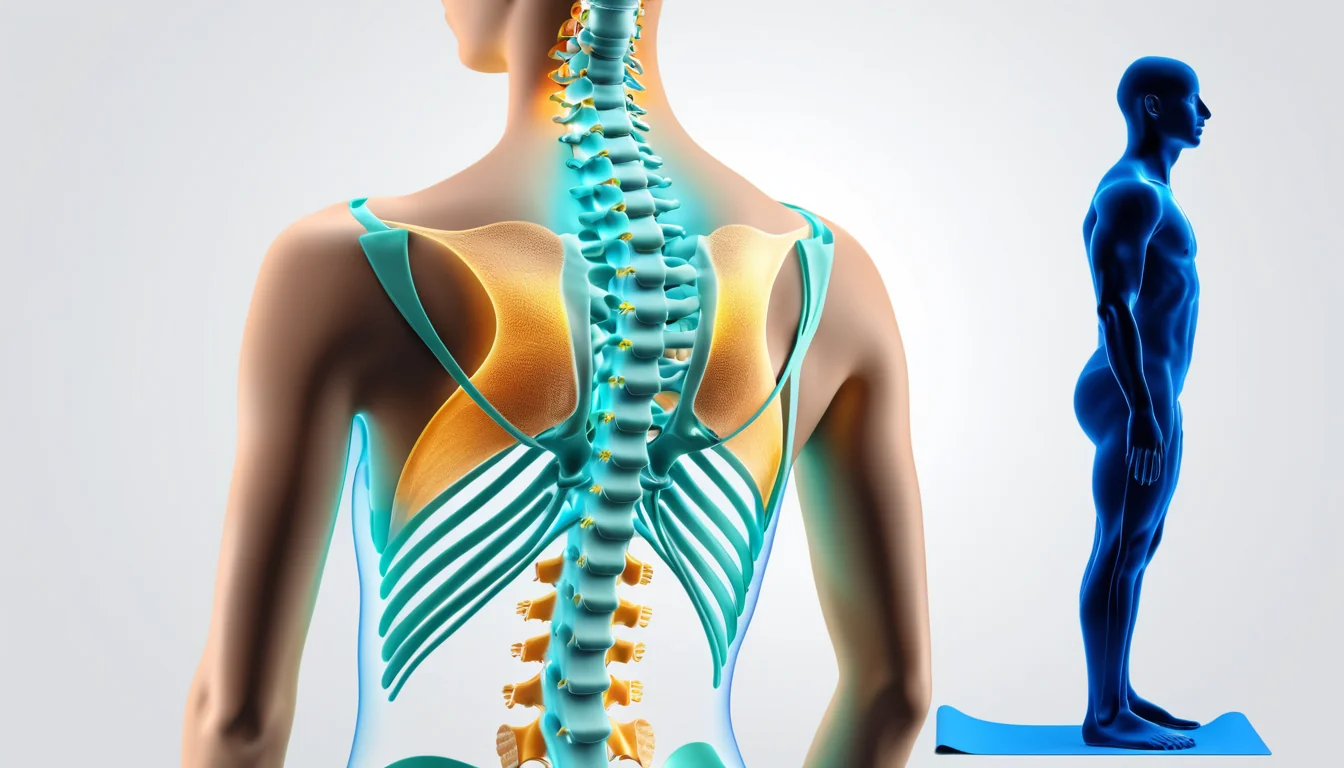
Scoliosis treatment has advanced significantly in recent years, offering Canadians more effective and accessible ways to manage this common spinal condition. Scoliosis — an abnormal sideways curve of the spine — affects people of all ages but most frequently appears during adolescence. In Canada, it remains one of the more challenging conditions to treat, partly because the curve can progress unpredictably if left unaddressed.
How Physiotherapy Supports Scoliosis Treatment in Canada
The encouraging news is that scoliosis physiotherapy in Canada, when started early, can make a meaningful difference in slowing curve progression and improving quality of life. From targeted strengthening exercises to postural retraining, physiotherapy gives patients practical tools to manage their condition without surgery. Understanding your options and knowing when to seek help are the first steps toward better spinal health.
What Is Scoliosis?
| Treatment Option | How It Works | Best Suited For | Key Considerations |
|---|---|---|---|
| Physiotherapy (Schroth Method) | Specialized exercises that use breathing and postural correction to reduce spinal curvature and improve muscle balance | Curves of 10°–45°; adolescents and adults seeking non-surgical scoliosis treatment | Requires consistent practice; most effective when started early; widely available across Canadian provinces |
| Observation and Monitoring | Regular check-ups with X-rays every 6–12 months to track curve progression | Mild curves under 25°; skeletally mature patients with stable curvature | No active treatment involved; recommended by most Canadian orthopaedic specialists for minor cases |
| Bracing (TLSO Brace) | A custom-fitted rigid or soft brace worn 16–23 hours per day to halt curve progression during growth | Curves between 25°–45° in growing adolescents (Risser stage 0–2) | Often combined with physiotherapy for best results; covered under some provincial health plans |
| Surgical Intervention (Spinal Fusion) | Metal rods and screws are used to straighten and fuse vertebrae, permanently correcting severe curvature | Curves exceeding 45°–50° or rapidly progressing curves unresponsive to other treatments | Performed at major Canadian orthopaedic centres; involves significant recovery time of 6–12 months |
| Pain Management and Manual Therapy | Techniques such as soft tissue mobilization, joint manipulation, and therapeutic modalities to relieve scoliosis-related discomfort | Adults with chronic back pain secondary to scoliosis; post-surgical rehabilitation | Addresses symptoms rather than curvature; best used alongside active physiotherapy programs |
Scoliosis is defined as a spinal curve greater than 10 degrees when measured on an X-ray. Smaller curves may cause few problems, but larger curves can affect posture, appearance, and even organ function over time.
The condition is considered progressive, meaning it tends to worsen until the end of puberty. That is why early detection is so important. The sooner scoliosis is identified and treated, the better the outcome tends to be.
In developed countries like Canada, some older causes of scoliosis — such as polio and severe malnutrition — are now very rare. However, the condition itself remains common, and the need for effective, accessible treatment is greater than ever.
Who Is Most Affected by Scoliosis?
Scoliosis most often appears in children and teenagers during periods of rapid growth. It is diagnosed more frequently in girls than in boys. This is an important point, because adolescent girls are often very aware of changes in their appearance and may try to hide their symptoms out of embarrassment or hope that the problem will go away on its own.
Unfortunately, scoliosis rarely corrects itself without treatment. Delaying care can lead to more significant curvature and greater difficulty managing the condition later in life. If you or your child notices uneven shoulders, a prominent shoulder blade, or an uneven waist, it is worth speaking with a family doctor or visiting a walk-in clinic for an assessment.
Beyond the physical changes, scoliosis can also affect a young person’s emotional well-being and self-confidence. Therefore, treatment must address both the physical and psychological sides of the condition. The World Health Organization highlights the importance of mental health support during adolescence, and this is especially relevant for teens living with a visible condition like scoliosis.
Why Scoliosis Treatment Matters
Left untreated — or poorly treated — scoliosis can shorten a person’s life expectancy in severe cases. A severely curved spine can affect the chest and ribcage, putting pressure on the heart and lungs. This can reduce breathing capacity and lead to serious complications over time.
Even in less severe cases, scoliosis causes real problems. These include back pain, fatigue, limited movement, and reduced confidence. The earlier scoliosis treatment begins, the more likely it is to prevent these complications from developing.
Furthermore, the goal of modern scoliosis treatment is not just to stop the curve from getting worse. It is also to improve spinal alignment, strengthen supporting muscles, and help patients live full, active lives. The Mayo Clinic outlines several evidence-based approaches to scoliosis treatment, including observation, bracing, and surgery depending on severity.
How Physiotherapy Helps with Scoliosis Treatment
Physiotherapy — also called kinesitherapy or exercise therapy — is one of the most important tools in non-surgical scoliosis treatment. A registered physiotherapist will design a personalised programme of exercises based on the patient’s age, the degree of curvature, and overall health.
The key principle behind physiotherapy for scoliosis is gradual, progressive effort. Exercises are introduced slowly and increased over time as the patient builds strength and flexibility. This approach respects the body’s limits while pushing it toward improvement.
Types of Exercises Used
A physiotherapy programme for scoliosis typically includes a combination of the following exercise types:
- Static and dynamic exercises — These build core strength and improve posture both at rest and during movement.
- Symmetrical and asymmetrical exercises — Symmetrical exercises work both sides of the body equally, while asymmetrical exercises target the weaker or more curved side specifically.
- Breathing exercises — These are especially important because scoliosis can restrict chest expansion and lung capacity.
- Exercises with equipment — Simple tools like a wooden stick or resistance band help guide correct posture and movement patterns.
- Trunk and limb exercises — These strengthen the muscles that support the spine from multiple directions.
- Applied exercises — Activities like crawling or specific movement patterns that train the spine in a functional, real-world context.
In some cases, a physiotherapy session may begin with therapeutic massage. This helps relax tight muscles and prepares the body for exercise. If a patient has other related conditions, the programme is adjusted to address those as well.
The Role of Early Intervention
Research consistently shows that early physiotherapy produces better results. When treatment begins close to the start of puberty — while the spine is still growing — there is a greater opportunity to guide the spine toward better alignment. As a result, patients who start early tend to experience less curvature progression and better long-term function.
Physiotherapy does not guarantee a complete correction of the curve. However, it can significantly improve spinal mobility, reduce pain, strengthen muscles, and slow or stop the curve from worsening. For many patients, this means avoiding more invasive treatments like bracing or surgery.
How Scoliosis Is Measured and Diagnosed
Before any scoliosis treatment begins, a proper diagnosis is essential. There are several methods that healthcare professionals use to assess scoliosis.
Physical Assessment
A trained clinician will observe your posture and body symmetry from different angles. They look for uneven shoulders, a tilted pelvis, or a visible curve in the spine. They may also measure your height, weight, limb length, and chest circumference to get a full picture of your body’s proportions.
One important physical test involves checking for a rib hump (called a gibbous). When a person with scoliosis bends forward, a hump may appear on one side of the back. This happens because the vertebrae rotate along with the sideways curve, pushing the ribs out of alignment.
X-Ray and the Cobb Angle
The gold standard for diagnosing scoliosis is an X-ray. Using a method called the Cobb angle measurement, a doctor or radiologist measures the exact degree of spinal curvature. A Cobb angle of 10 degrees or more confirms a scoliosis diagnosis. Curves over 40-50 degrees may require surgical consultation.
Healthline provides a clear overview of how scoliosis is classified and diagnosed based on the degree of curvature and age of onset. Understanding your diagnosis helps you and your healthcare team choose the right treatment path.
When to See a Doctor About Scoliosis
If you notice any of the following signs in yourself or your child, book an appointment with your family doctor as soon as possible:
- One shoulder sitting higher than the other
- A shoulder blade that sticks out more on one side
- An uneven waistline or hips at different heights
- The body leaning to one side
- Back pain that does not go away
- A visible curve or hump in the back when bending forward
Your family doctor can perform an initial assessment and refer you to a specialist or registered physiotherapist if needed. If you do not have a family doctor, a walk-in clinic is a good first step. Many provinces also have school-based screening programmes that can catch scoliosis early.
Remember, scoliosis treatment is most effective when it starts early. Do not wait and hope the problem corrects itself. A quick conversation with a healthcare professional can set you on the right path.
Living Well with Scoliosis in Canada
A scoliosis diagnosis can feel overwhelming, especially for a teenager or a worried parent. However, with the right support and a consistent physiotherapy programme, most people with scoliosis live full, active lives.
Staying active is important. Low-impact activities like swimming, walking, and yoga can complement your physiotherapy programme and support overall spinal health. Always check with your physiotherapist before starting a new exercise routine to make sure it is appropriate for your specific curve.
In Canada, physiotherapy services may be partially or fully covered under some provincial health plans, workplace benefit programmes, or private insurance. Check with your provincial health authority or insurance provider to understand your coverage. Investing in early treatment can prevent more costly and complex care down the road.
Most importantly, be open with your healthcare team. Share any changes in your symptoms, pain levels, or posture. The more information your physiotherapist and doctor have, the better they can tailor your scoliosis treatment to your needs.
Can scoliosis be treated without surgery?
Yes, many cases of scoliosis can be managed without surgery. Non-surgical scoliosis treatment options include physiotherapy, targeted exercises, and spinal bracing for growing children. Surgery is typically only recommended for severe curves, usually above 40 to 50 degrees, that continue to worsen despite other treatments.
What exercises help with scoliosis?
A physiotherapist will recommend exercises tailored to your specific curve and needs. Common exercises used in scoliosis treatment include core strengthening, breathing exercises, stretching, and asymmetrical movements that target the weaker side of the spine. It is important to follow a programme designed by a registered professional rather than exercising without guidance.
At what age is scoliosis most commonly diagnosed?
Scoliosis is most often diagnosed in children and teenagers between the ages of 10 and 15, during periods of rapid growth. This type is called adolescent idiopathic scoliosis and is the most common form. Early diagnosis allows for prompt scoliosis treatment, which gives the best chance of slowing or stopping the curve from worsening.
Is scoliosis covered by provincial health plans in Canada?
Coverage for scoliosis treatment varies by province and the type of care required. Doctor visits and specialist referrals are generally covered under provincial health plans. Physiotherapy sessions may be partially covered depending on your province, or through private or employer-sponsored benefit plans — it is worth checking with your provider.
How is scoliosis diagnosed in Canada?
Scoliosis is typically diagnosed through a combination of a physical examination and an X-ray. A doctor measures the degree of spinal curvature using the Cobb angle method. A curve of 10 degrees or more confirms a scoliosis diagnosis, and your doctor will then recommend an appropriate scoliosis treatment plan based on the severity and your age.
Can scoliosis get worse in adulthood?
According to Mayo Clinic’s guide to scoliosis diagnosis and treatment, this information is supported by current medical research.
For more information, read our guide on low back surgery options and spinal curve treatment in Canada.
In most cases, scoliosis curves stabilise after a person stops growing at the end of puberty. However, some curves — especially those over 30 degrees — can slowly progress in adulthood. Ongoing physiotherapy and regular monitoring are important parts of long-term scoliosis treatment to catch any changes early.
Key Takeaways
- Scoliosis is a sideways spinal curve of more than 10 degrees that most often appears during adolescence.
- Early scoliosis treatment produces the best results — do not wait for symptoms to worsen.
- Physiotherapy is one of the most effective non-surgical treatments, using targeted exercises to improve spinal alignment and strength.
- A proper diagnosis involves both a physical assessment and an X-ray using the Cobb angle measurement.
- Watch for uneven shoulders, a visible back hump, or persistent back pain, and see your family doctor or visit a walk-in clinic promptly.
- In Canada, some physiotherapy costs may be covered by provincial health plans or private insurance — check your options.
- Always consult your doctor or a registered physiotherapist before starting any exercise programme for scoliosis.
Frequently Asked Questions
What is scoliosis and how is it diagnosed?
Scoliosis is an abnormal sideways curvature of the spine, typically forming an S or C shape. It is diagnosed through a physical examination, Adam’s forward bend test, and confirmed with X-rays. It most commonly develops during adolescence but can affect adults. A Cobb angle greater than 10 degrees confirms a scoliosis diagnosis.
What are the signs and symptoms of scoliosis?
Common symptoms include uneven shoulders or hips, a visible spinal curve, one shoulder blade protruding more than the other, and uneven waist appearance. Some people experience back pain, muscle fatigue, or reduced range of motion. Mild cases may show no obvious symptoms and are often detected during routine school screenings.
What scoliosis treatment options are available in Canada?
Scoliosis treatment in Canada depends on curve severity and patient age. Options include physiotherapy exercises, bracing for growing adolescents, chiropractic care, and surgery for severe curves above 45–50 degrees. The Schroth Method, a specialized physiotherapy approach, is widely recommended by Canadian health professionals for managing mild to moderate scoliosis.
Can physiotherapy scoliosis treatment stop the curve from getting worse?
Yes, physiotherapy-based scoliosis treatment can help slow or halt curve progression, particularly in mild to moderate cases. Techniques like the Schroth Method use targeted breathing and corrective exercises to improve posture, strengthen spinal muscles, and reduce curve advancement. Early intervention by a trained physiotherapist typically produces the best long-term outcomes.
When should you see a doctor about scoliosis?
See a doctor if you notice uneven shoulders, hips, or a visibly curved spine in yourself or your child. Seek prompt medical attention if back pain accompanies the curvature, or if a curve appears to be progressing. Early assessment by a Canadian healthcare provider ensures timely intervention and prevents more serious spinal complications.

About the Author
Dr. Sarah Mitchell, MDDr. Sarah Mitchell is a board-certified family physician with over 15 years of clinical experience. She completed her MD at the University of Toronto and her residency at Toronto General Hospital. Dr. Mitchell specializes in preventive medicine and chronic disease management. She is a member of the College of Family Physicians of Canada (CFPC) and has published over 30 peer-reviewed articles on preventive health care.
View all articles →