
Syringomyelia Symptoms: Causes & Treatment in Canada

Share
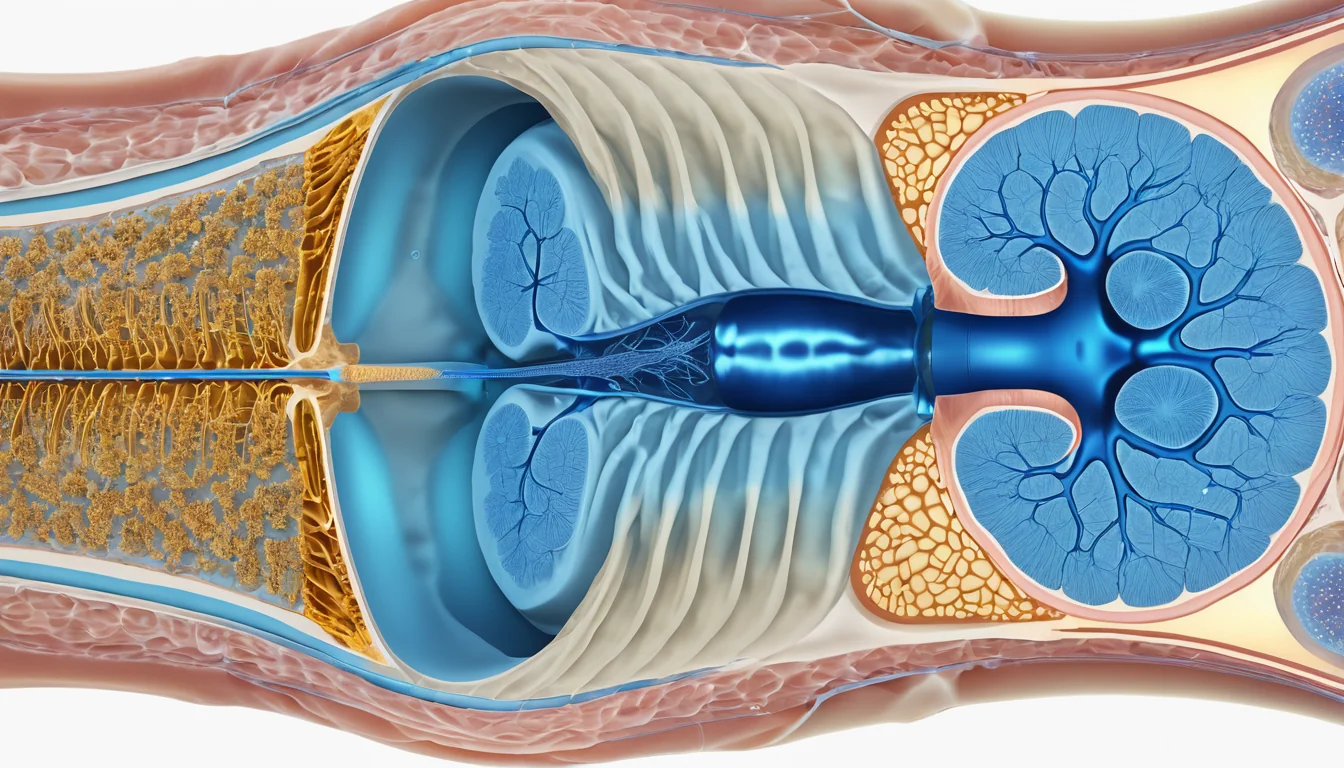
Syringomyelia symptoms can develop gradually, making this spinal cord condition difficult to detect early. Syringomyelia occurs when a fluid-filled cyst called a syrinx forms inside the spinal cord, and over time this cyst can expand and press on surrounding nerves, causing pain, weakness, stiffness, and other serious neurological problems. The condition can affect people of all ages, though symptoms most commonly appear between ages 25 and 40.
Recognizing Common Syringomyelia Symptoms Early
In most cases, syringomyelia is closely linked to a Chiari malformation, a condition where brain tissue extends into the spinal canal and disrupts normal cerebrospinal fluid flow. However, a syrinx spinal cord cyst can also develop after a spinal injury, due to tumours, or as a result of inflammation. If you or a loved one in Canada is experiencing unexplained neck or back pain, numbness, or muscle weakness, understanding the causes and treatment options is an important first step toward getting the right care.
What Is Syringomyelia?
| Symptom | Description | Severity Level | When to Seek Care |
|---|---|---|---|
| Pain and Stiffness | Aching or burning pain in the neck, shoulders, back, arms, or legs; often worsens with physical activity or coughing | Mild to Severe | Consult a physician if pain is persistent or worsening over weeks |
| Muscle Weakness | Progressive weakness in the arms, hands, or legs due to damage to motor nerve pathways within the spinal cord | Moderate to Severe | Seek prompt medical evaluation if weakness affects daily function or balance |
| Loss of Sensation | Reduced ability to feel pain or temperature changes, particularly in the hands and arms; cape-like distribution is characteristic | Moderate | See a neurologist if numbness is spreading or affecting safety awareness |
| Muscle Spasticity | Involuntary muscle stiffness or spasms, most commonly affecting the legs, which can impair mobility and gait | Moderate to Severe | Discuss with your healthcare provider if spasms interfere with walking or sleep |
| Bladder and Bowel Dysfunction | Difficulty with bladder control, urinary urgency, or constipation resulting from disrupted autonomic nerve signals | Moderate to Severe | Seek urgent care if sudden loss of bladder or bowel control occurs |
| Headaches and Neck Pain | Chronic headaches often located at the base of the skull, frequently associated with Chiari malformation as an underlying cause | Mild to Moderate | Consult a physician if headaches are recurrent, severe, or triggered by straining |
Syringomyelia develops when cerebrospinal fluid — the fluid that surrounds and protects your brain and spinal cord — collects abnormally inside the spinal cord itself. This forms a cyst that can slowly expand over time. As it grows, it puts pressure on the nerves inside the spinal cord.
In most cases, syringomyelia is linked to a Chiari malformation. This is a condition where brain tissue pushes down into the spinal canal. However, it can also be caused by injury, tumours, or inflammation along the spine. For more background on spinal cord conditions, visit Mayo Clinic’s overview of syringomyelia.
Common Symptoms of Syringomyelia
Symptoms of syringomyelia tend to develop slowly over time. In some people, a minor injury, a strong cough, or physical straining can trigger symptoms — though these actions do not cause the condition itself.
Early symptoms often affect the back of the neck, shoulders, arms, and hands. These can include:
- Muscle weakness and wasting
- Loss of reflexes
- Reduced ability to feel pain or changes in temperature
Additional Symptoms to Watch For
As syringomyelia progresses, a wider range of symptoms can appear. These include:
- Stiffness in the back, shoulders, arms, and legs
- Pain in the neck, arms, or back
- Bowel and bladder problems
- Muscle spasms or weakness in the legs
- Facial pain or numbness
- Curvature of the spine, known as scoliosis
These symptoms can look like many other conditions. Therefore, it is important to get a proper medical evaluation rather than assuming a diagnosis on your own.
What Causes Syringomyelia?
Researchers do not fully understand why cerebrospinal fluid starts collecting inside the spinal cord in some people. However, several underlying conditions are known to trigger syringomyelia.
The most common cause is a Chiari malformation, where part of the brain bulges into the spinal canal and disrupts normal fluid flow. Other causes include:
- Meningitis — inflammation of the membranes surrounding the brain and spinal cord
- Spinal cord tumours — which can block the normal flow of cerebrospinal fluid
- Spinal cord injuries — symptoms may not appear until months or even years after the injury
- Tethered spinal cord syndrome — where tissue attached to the spinal cord restricts its movement
- Scar tissue — which can form after spinal surgery and interfere with fluid flow
In some cases, no clear cause is found. This is sometimes called idiopathic syringomyelia. You can learn more about spinal cord health from Health Canada.
When to See a Doctor
You should speak with your family doctor if you notice any of the symptoms listed above, especially if they are getting worse over time. Because syringomyelia symptoms can overlap with many other conditions, a proper diagnosis requires a thorough medical assessment.
If you have previously had a spinal cord injury, it is especially important to tell your doctor — even if your injury happened years ago. Syringomyelia can develop long after the original trauma.
In Canada, you can start by booking an appointment with your family doctor. If you do not have a family doctor, most walk-in clinics can assess your symptoms and refer you to a neurologist or specialist through your provincial health plan. Early assessment can make a real difference in your outcome.
Diagnosing Syringomyelia
Your doctor will begin by reviewing your medical history and performing a physical exam. If syringomyelia is suspected, the most reliable diagnostic tool is an MRI (magnetic resonance imaging) scan of the spine and spinal cord.
An MRI uses magnetic fields and radio waves to create detailed images of the spinal cord. It can clearly show the size and location of a syrinx. In some cases, your doctor may also order a CT scan for additional information.
Preparing for Your Appointment
To make the most of your doctor’s visit, consider doing the following before you go:
- Write down all your symptoms, even ones that seem unrelated
- Note any past spinal injuries or surgeries
- List all medications, supplements, and vitamins you take
- Bring any previous MRI, CT scan, or test results
- Note any family history of syringomyelia or related conditions
- Bring a trusted family member or friend to help remember what the doctor says
Your family doctor may refer you to a neurologist for further evaluation. In Canada, this referral is typically covered under your provincial health plan, though wait times can vary by province.
Treatment and Outlook for Syringomyelia
If syringomyelia is not causing any symptoms, your doctor may recommend a watchful waiting approach. This means regular monitoring with MRI scans to track whether the cyst is growing.
However, if symptoms are present and worsening, surgery is often recommended. The goal of surgery is to restore normal cerebrospinal fluid flow and reduce pressure on the spinal cord. Surgery can improve or stabilize symptoms for most patients.
What Happens Without Treatment?
Delaying treatment for symptomatic syringomyelia can lead to permanent spinal cord damage. Therefore, it is important not to ignore progressive symptoms. The good news is that with proper care, many people are able to manage this condition effectively.
Symptoms can sometimes worsen with activities that cause changes in cerebrospinal fluid pressure — such as heavy lifting, straining, or intense physical exertion. Your specialist can advise you on which activities to avoid. For additional information on neurological conditions and treatment options, visit Healthline’s guide to syringomyelia.
Possible Complications of Syringomyelia
For some people, syringomyelia is a progressive condition that can lead to serious complications. For others, the condition remains stable and may never require treatment. Potential complications include:
- Scoliosis — abnormal curvature of the spine
- Horner syndrome — a nerve condition affecting the eye and face, causing drooping eyelid, reduced pupil size, and decreased sweating on one side of the face
- Chronic pain — persistent and severe pain caused by spinal cord damage
- Motor difficulties — leg muscle weakness and stiffness that can affect walking and daily movement
These complications highlight why early diagnosis and regular follow-up with your healthcare team are so important.
What is syringomyelia and how serious is it?
Syringomyelia is a condition where a fluid-filled cyst forms inside the spinal cord, potentially causing pain, weakness, and nerve damage over time. Its severity varies widely — some people have no symptoms, while others experience significant disability. With proper monitoring and treatment, many people with syringomyelia are able to manage their condition well.
What are the first signs of syringomyelia?
The earliest signs of syringomyelia often include muscle weakness, reduced ability to feel pain or temperature changes, and loss of reflexes in the shoulders, arms, and hands. Some people also notice stiffness or aching in the neck and upper back. These symptoms tend to develop gradually, so it is easy to overlook them in the early stages.
Can syringomyelia go away on its own?
In rare cases, a syrinx may stabilize or even shrink without treatment, particularly if the underlying cause is addressed. However, syringomyelia does not typically go away on its own and usually requires ongoing monitoring. Your doctor will recommend the best approach based on your individual situation.
How is syringomyelia diagnosed in Canada?
Syringomyelia is most commonly diagnosed using an MRI scan of the spine, which can clearly show the presence and size of a spinal cord cyst. Your family doctor or a walk-in clinic can refer you to a neurologist, and imaging is typically covered under your provincial health plan. Early diagnosis is key to preventing long-term spinal cord damage.
Is syringomyelia hereditary?
Syringomyelia itself is not directly inherited, but some of its underlying causes — such as Chiari malformation — can run in families. If a close family member has been diagnosed with syringomyelia or Chiari malformation, it is worth mentioning this to your doctor. Your physician can advise you on whether any screening is appropriate.
What triggers syringomyelia symptoms to worsen?
Activities that increase pressure in the spinal canal — such as heavy lifting, intense straining, or forceful coughing — can temporarily worsen syringomyelia symptoms. These activities do not cause the condition, but they can aggravate an existing syrinx. Talk to your specialist about which activities are safe for you and how to protect your spinal cord health.
Key Takeaways
- Syringomyelia is a fluid-filled cyst inside the spinal cord that can cause pain, weakness, and nerve damage over time.
- The most common cause is a Chiari malformation, though spinal injuries, tumours, and inflammation can also trigger it.
- Symptoms often begin between ages 25 and 40 and include muscle weakness, stiffness, and reduced sensation.
- If you notice any symptoms, speak with your family doctor or visit a walk-in clinic — a referral to a neurologist is often needed.
- MRI scanning is the most reliable way to diagnose syringomyelia in Canada, and is covered by most provincial health plans.
- Surgery can improve or stabilize symptoms for most patients; delaying treatment may lead to permanent damage.
- Regular follow-up care is essential, even if your symptoms are mild or currently stable.
According to Mayo Clinic’s overview of syringomyelia causes and symptoms, this information is supported by current medical research.
For more information, read our guide on spinal cord conditions and low back surgery options in Canada.
This article is for informational purposes only and does not replace professional medical advice. Always consult your family doctor, a walk-in clinic physician, or a qualified specialist if you have concerns about your health.
Frequently Asked Questions
What is syringomyelia?
Syringomyelia is a condition where an abnormal fluid-filled cyst, called a syrinx, forms within the spinal cord. This cyst can expand over time, damaging spinal cord tissue and disrupting nerve signals. It is most commonly associated with Chiari malformation but can result from spinal injury, tumours, or inflammation.
What are the early syringomyelia symptoms Canadians should watch for?
Early syringomyelia symptoms include pain and stiffness in the neck, back, or shoulders, weakness or numbness in the arms and hands, and loss of sensitivity to heat and cold. Some people also experience headaches, muscle wasting, and bowel or bladder dysfunction as the syrinx gradually enlarges.
What are the treatment options for syringomyelia in Canada?
Treatment depends on the underlying cause and symptom severity. Options include surgical correction of Chiari malformation, syrinx drainage through a shunt, or spinal cord detethering. Mild cases may be monitored with regular MRI scans. Canadian neurologists and neurosurgeons typically guide individualized treatment plans through specialized spine clinics.
Can syringomyelia be prevented?
Syringomyelia cannot always be prevented, as many cases stem from congenital conditions like Chiari malformation. However, preventing spinal cord injuries through safe practices may reduce trauma-related risk. Prompt treatment of spinal tumours, infections, or tethered cord syndrome can help prevent syrinx formation in some individuals.
When should you see a doctor for syringomyelia symptoms?
See a doctor promptly if you experience progressive arm or leg weakness, unexplained numbness, loss of pain or temperature sensation, or worsening neck and back pain. These syringomyelia symptoms can indicate spinal cord involvement requiring urgent MRI evaluation. Early diagnosis significantly improves long-term outcomes and prevents permanent neurological damage.

About the Author
Dr. Sarah Mitchell, MDDr. Sarah Mitchell is a board-certified family physician with over 15 years of clinical experience. She completed her MD at the University of Toronto and her residency at Toronto General Hospital. Dr. Mitchell specializes in preventive medicine and chronic disease management. She is a member of the College of Family Physicians of Canada (CFPC) and has published over 30 peer-reviewed articles on preventive health care.
View all articles →